Barn Record Clinton
RETURN TO ‘FIND BARNS’- Building Name (Common)
- n/a
- Building Name (Historic)
- n/a
- Address
- 14 West Main Street, Clinton
- Typology

- Overview
-
Designations
n/a
Historic Significance
Architectural Description:
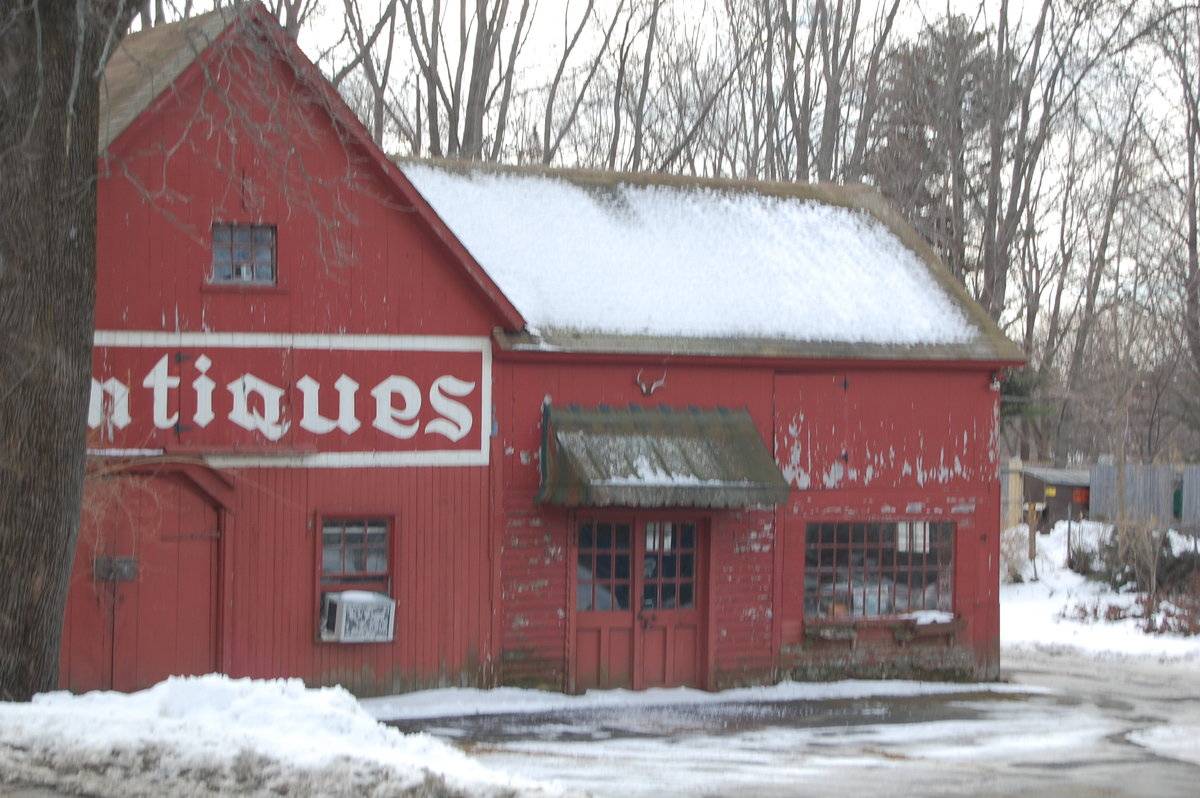
This is a 1 ½-story gable-entry barn with a cross gable-roofed addition. The barn faces north with its ridgeline running north-south, perpendicular to West Main Street. On the north gable-facade’s first floor is a pair of single-height, exterior hinged doors on the east end of the facade. West of the hinged doors is a six-over-six double-hung window. In the north gable-facade’s attic gable, is a hinged haymow door. A fixed nine-pane window is centered below the apex above the haymow door. The word “Antiques,” is written with white paint on the north gable-façade. The word is written through the hinged haymow door in the attic gable. Each letter is evenly spaced and written to expand the full length of the north gable-facade.
The cross gable-roofed addition is a 1 ½-story, three bay, eave-entry barn. The addition projects west off of the main barn’s west eave-facade. On the addition, centered in the north eave-facade’s east bay, is a pair of single-height, interior hinged store entry doors. Each door is a two paneled door with nine lights above the paneling in the top half of each hinged door. The hinged doors are next to the western-most end of the main barn’s north gable-facade. Centered above the pair of hinged doors is an awning. On the north gable-facade is a forty-pane picture window centered on the first floor of the west bay.
Below the eave in the west bay is a hinged haymow door, in the top eastern-most corner of the north eave-facade. The north eave-facade of the addition has clapboard siding that is painted red. Flush with the facade is vertical siding, painted red above the siding divide.
The main barn has vertical siding that is painted red. The barn and its addition have asphalt shingle roofs.
Historical Significance:The New England barn or gable front barn was the successor to the English barn and relies on a gable entry rather than an entry under the eaves. The gable front offers many practical advantages. Roofs drain off the side, rather than flooding the dooryard. With the main drive floor running parallel to the ridge, the size of the barn could be increased to accommodate larger herds by adding additional bays to the rear gable end. Although it was seen by many as an improvement over the earlier side-entry English Barn, the New England barn did not replace its predecessor but rather coexisted with it.
Field Notes
In danger of being torn down, in the middle of town, reportedly built in the late 18th century.
- Use & Accessibility
Use (Historic)
Use (Present)
Exterior Visible from Public Road?
Yes
Demolished
n/a
Location Integrity
Unknown
- Environment
Related features
Environment features
Relationship to surroundings
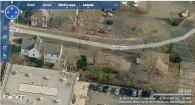
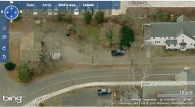
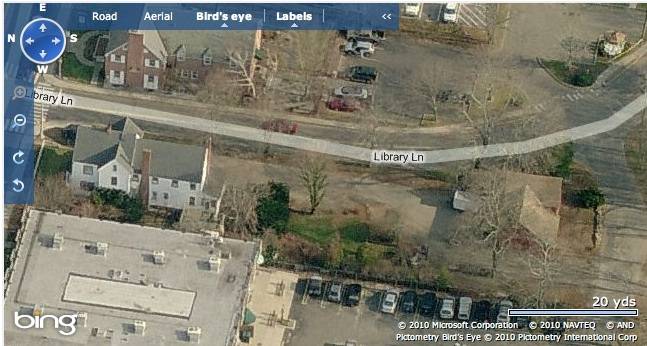
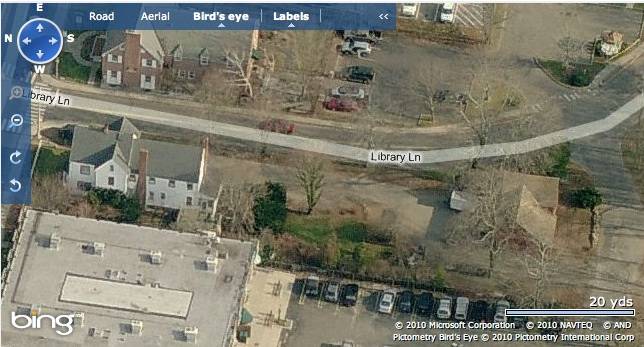
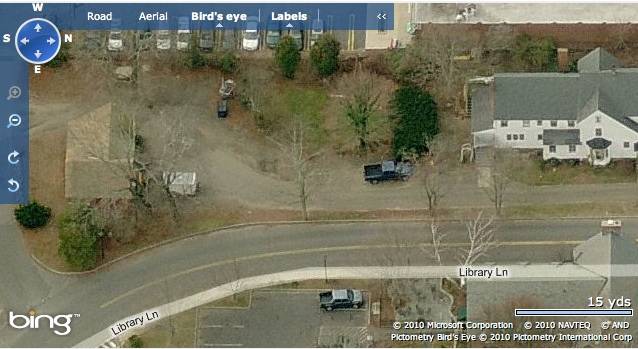
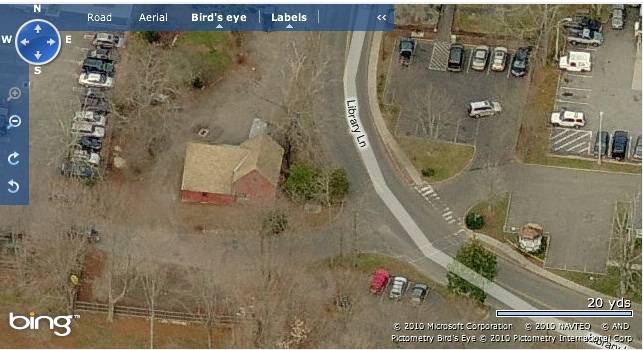
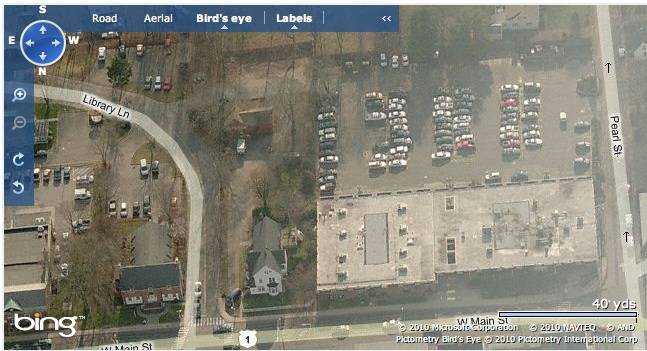
The barn faces north with its ridgeline running north-south, perpendicular to West Main Street. The barn is located south of the associated house. The barn is set back on the property that is on the corner of West Main Street and Liberty Lane. The barn’s east eave-facade is right off of Liberty lane while the associate house is right of off West Main Street. Stone walls are located south of the barn. The barn is in a residential and industrial area and is most recently in use as an antique shop.
- Typology & Materials
-
Building Typology
Materials
Structural System
Roof materials
Roof type
Approximate Dimensions
n/a
- Source
-
Date Compiled
07/13/2010
Compiled By
S. Lessard and T. Levine, reviewed by CT Trust
Sources
Assessors Online Database. MBLU : 45/ 34/ 2/ / /. Photos on website of barn: http://www.visionappraisal.com/photos/ClintonCTPhotos//00/00/57/43.jpg
http://data.visionappraisal.com/ClintonCT/findpid.asp?iTable=pid&pid=2597. (7/14/2010).Field notes and photographs by Marye Wagner (jwagner04@snet.net)- 2/2010
McAlester, Virginia & Lee, A Field Guide to American Houses, knopf, 1984, page 197
Sexton, James, PhD; Survey Narrative of the Connecticut Barn, Connecticut Trust for Historic Preservation, Hamden, CT, 2005, http://www.connecticutbarns.org/history
Visser, Thomas D.,Field Guide to New England Barns and Farm Buildings, University Press of New England,1997.
- PhotosClick on image to view full file
-