Barn Record New Haven
RETURN TO ‘FIND BARNS’- Building Name (Common)
- Gallagher Law Firm Barn
- Building Name (Historic)
- Michael Kipp House - Carriage Barn
- Address
- 1377 Ella Grasso Boulevard, New Haven
- Typology

- Overview
-
Designations
Historic Significance
Architectural description:
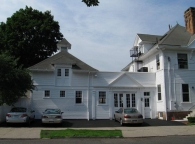
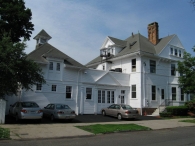
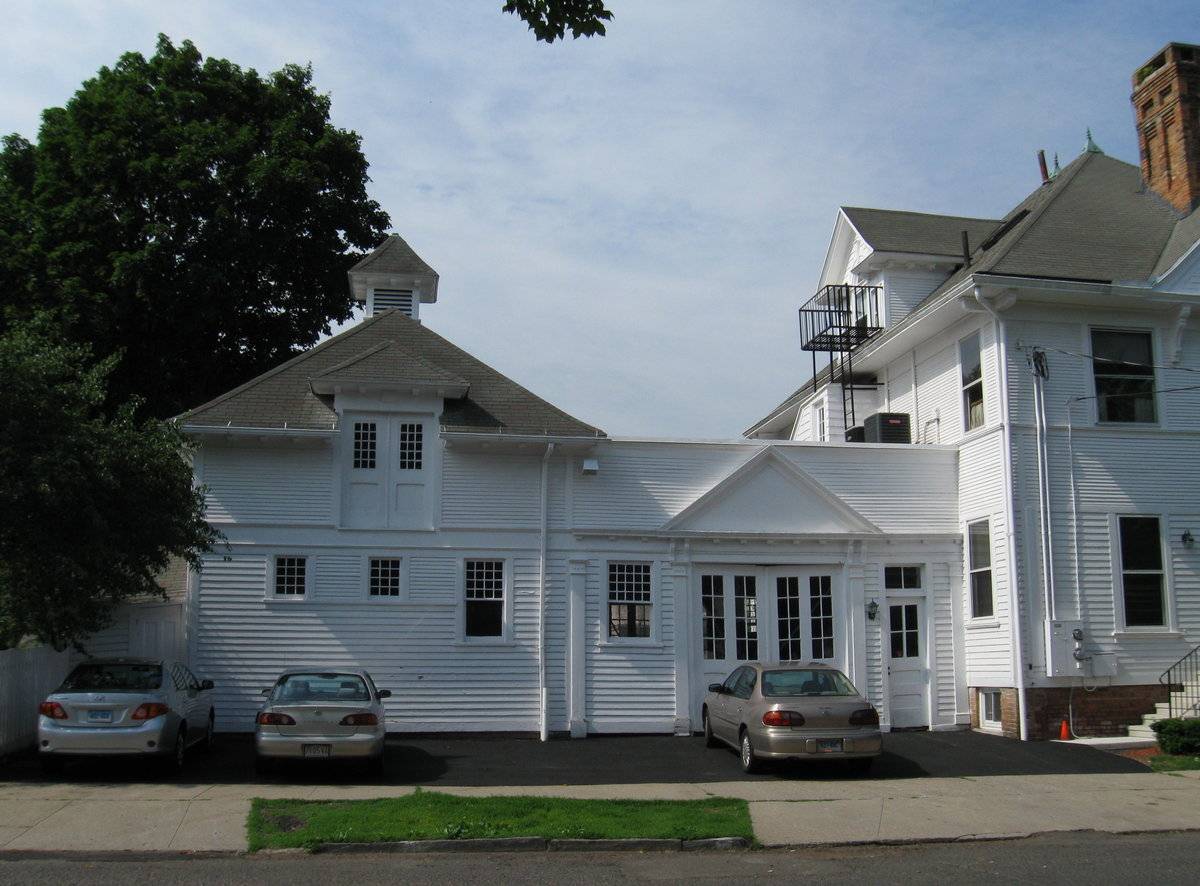
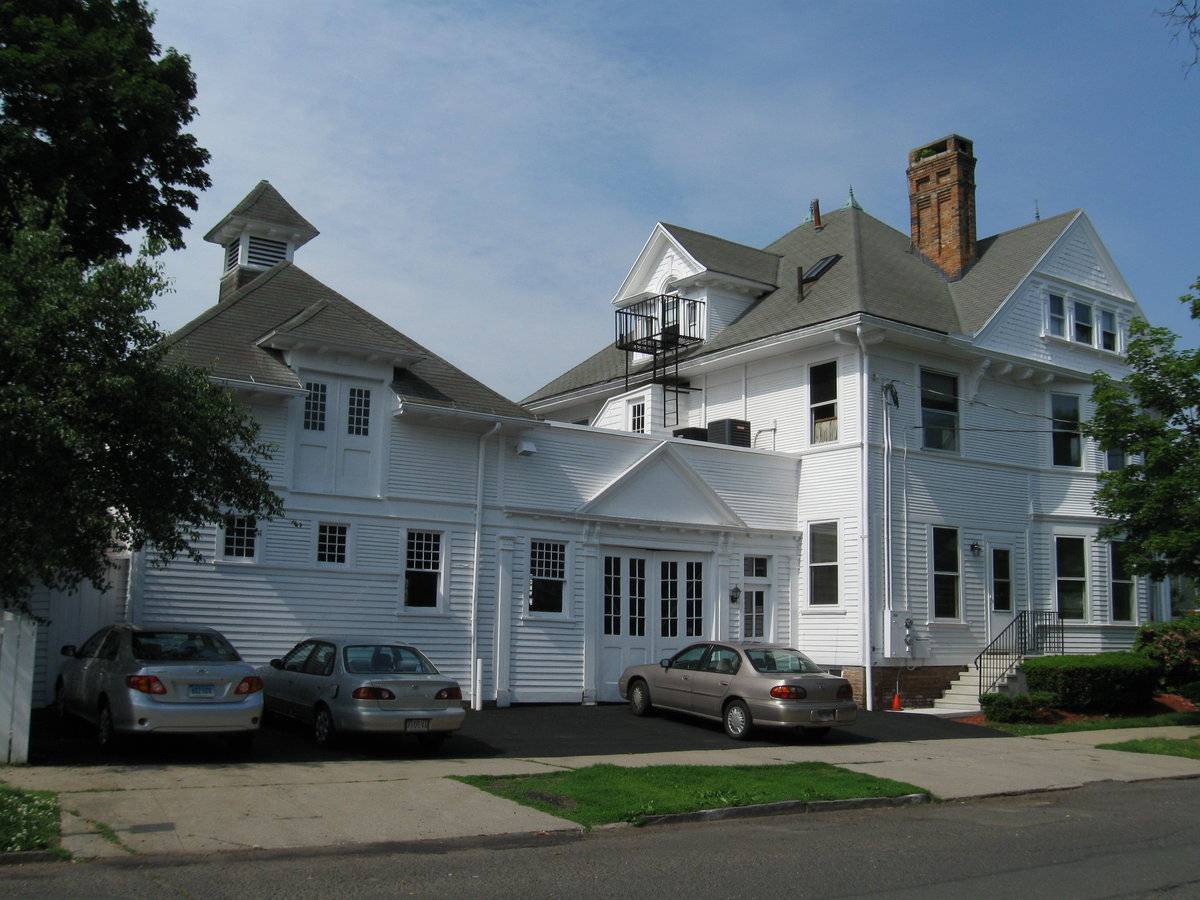
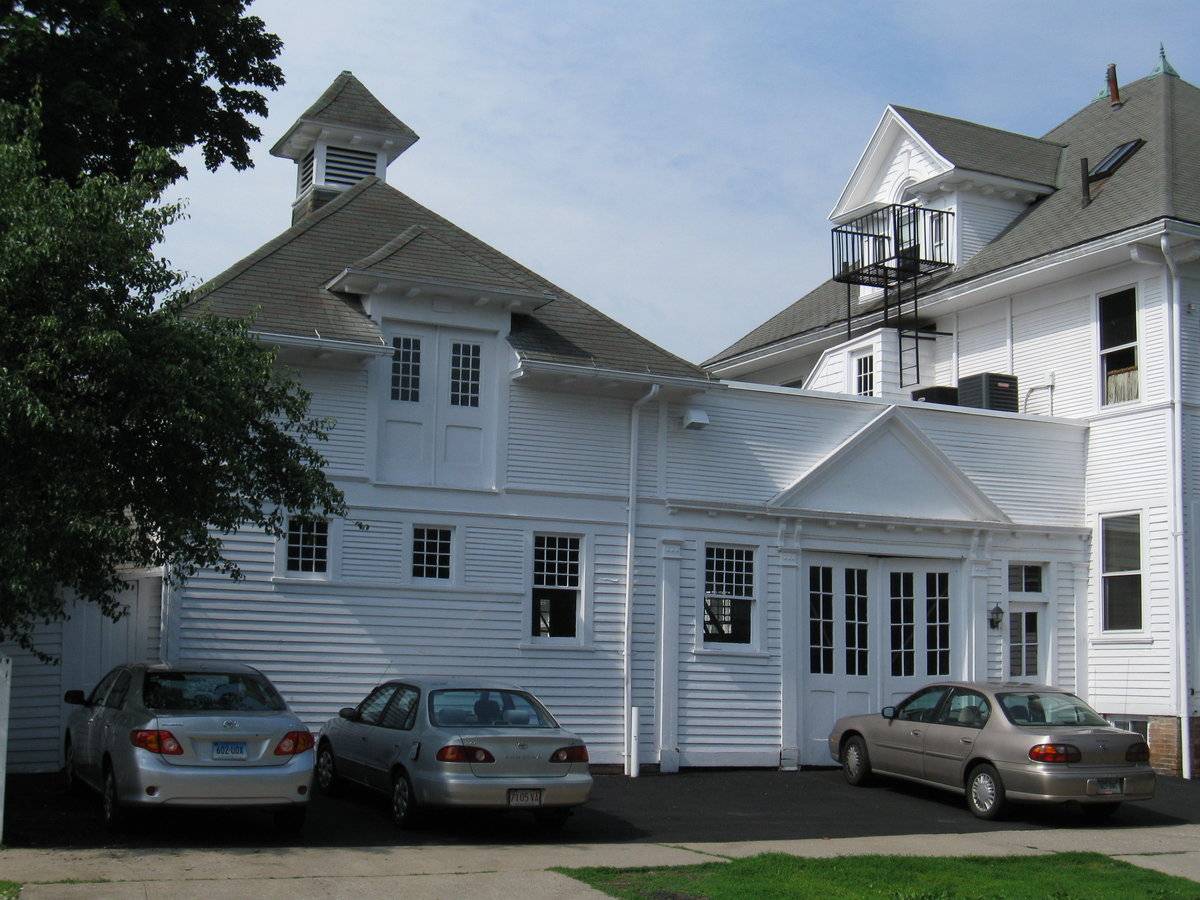
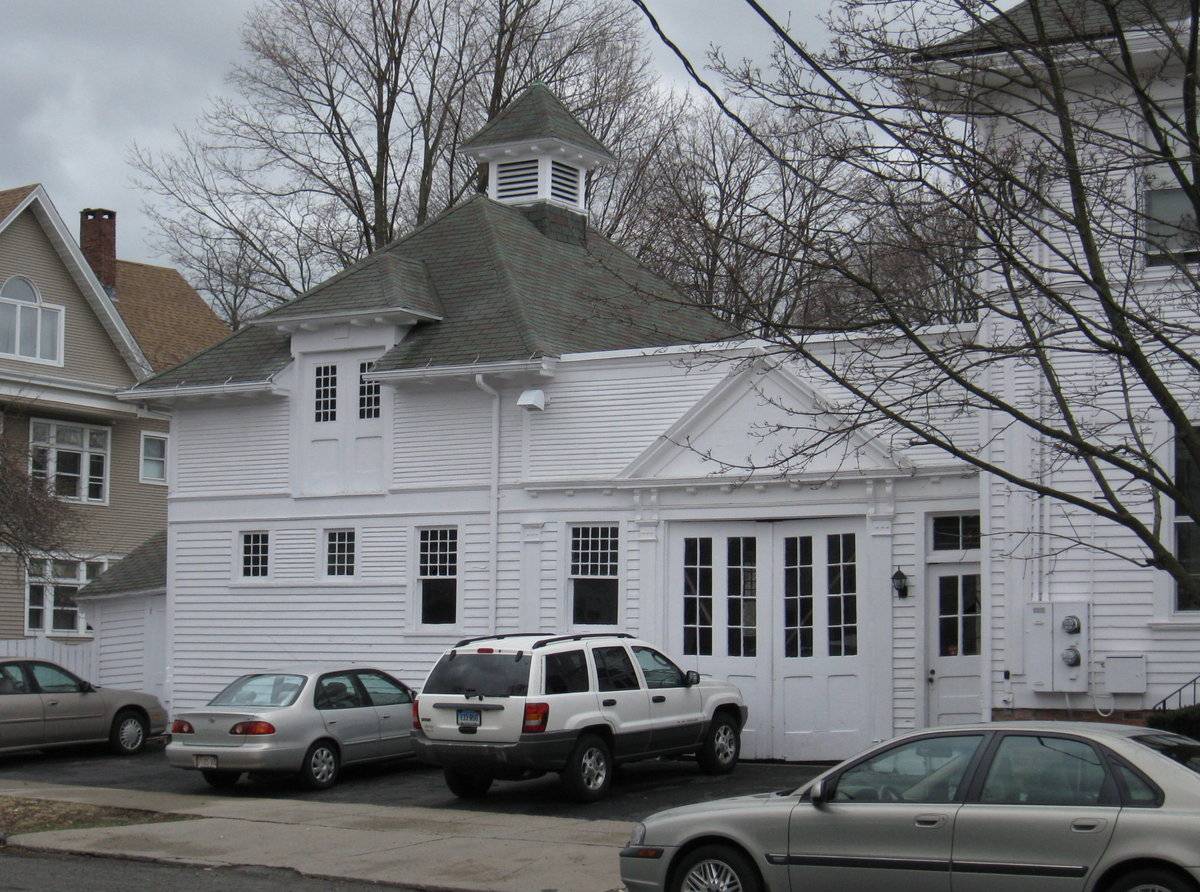
This exuberant Queen-Anne style carriage barn appears likely to have been constructed originally as a freestanding hip-roofed structure, and later connected to the main house by a flat-roofed linking wing.
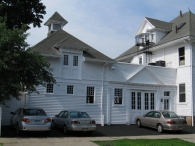
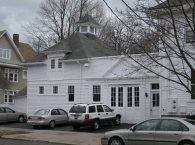
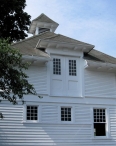
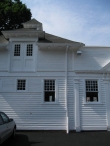
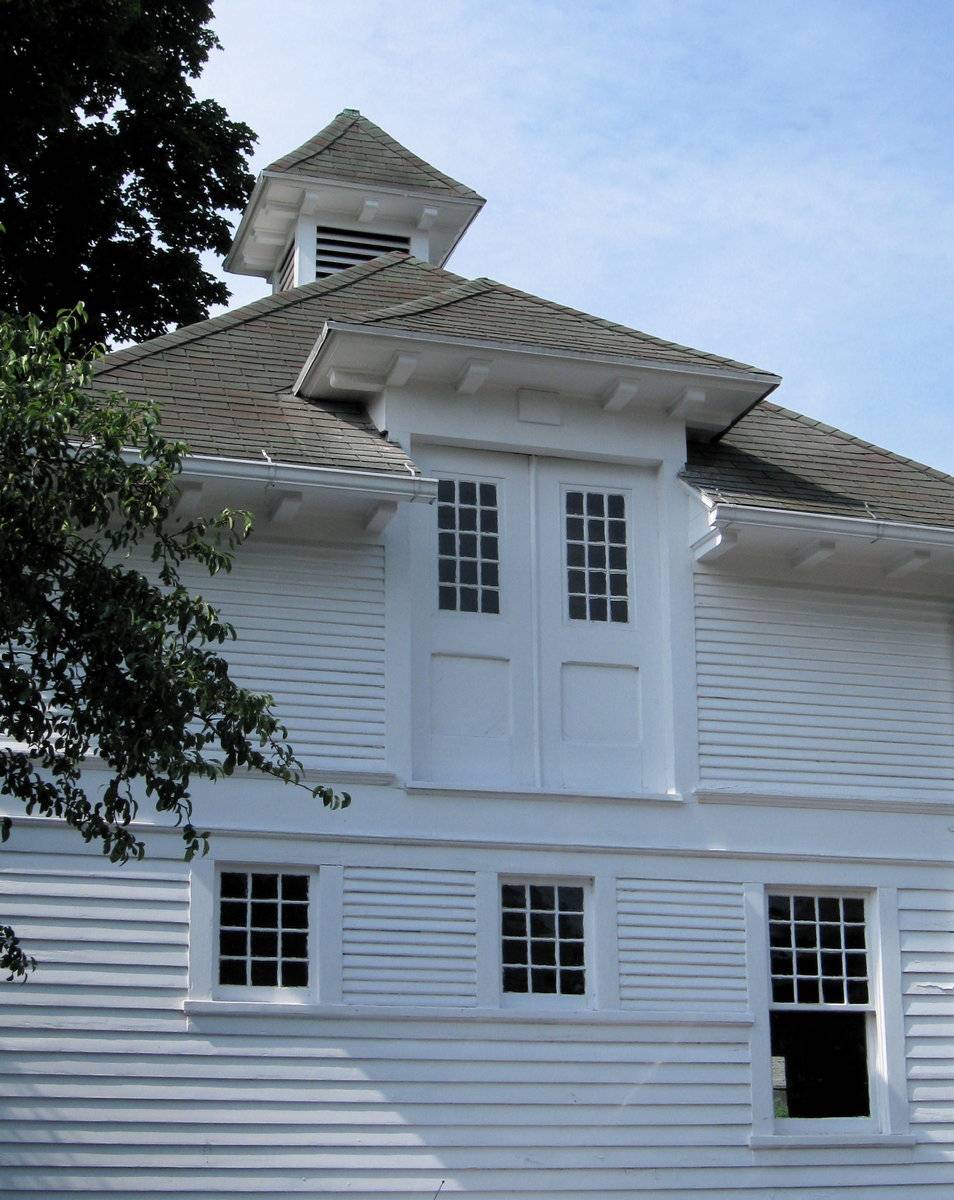
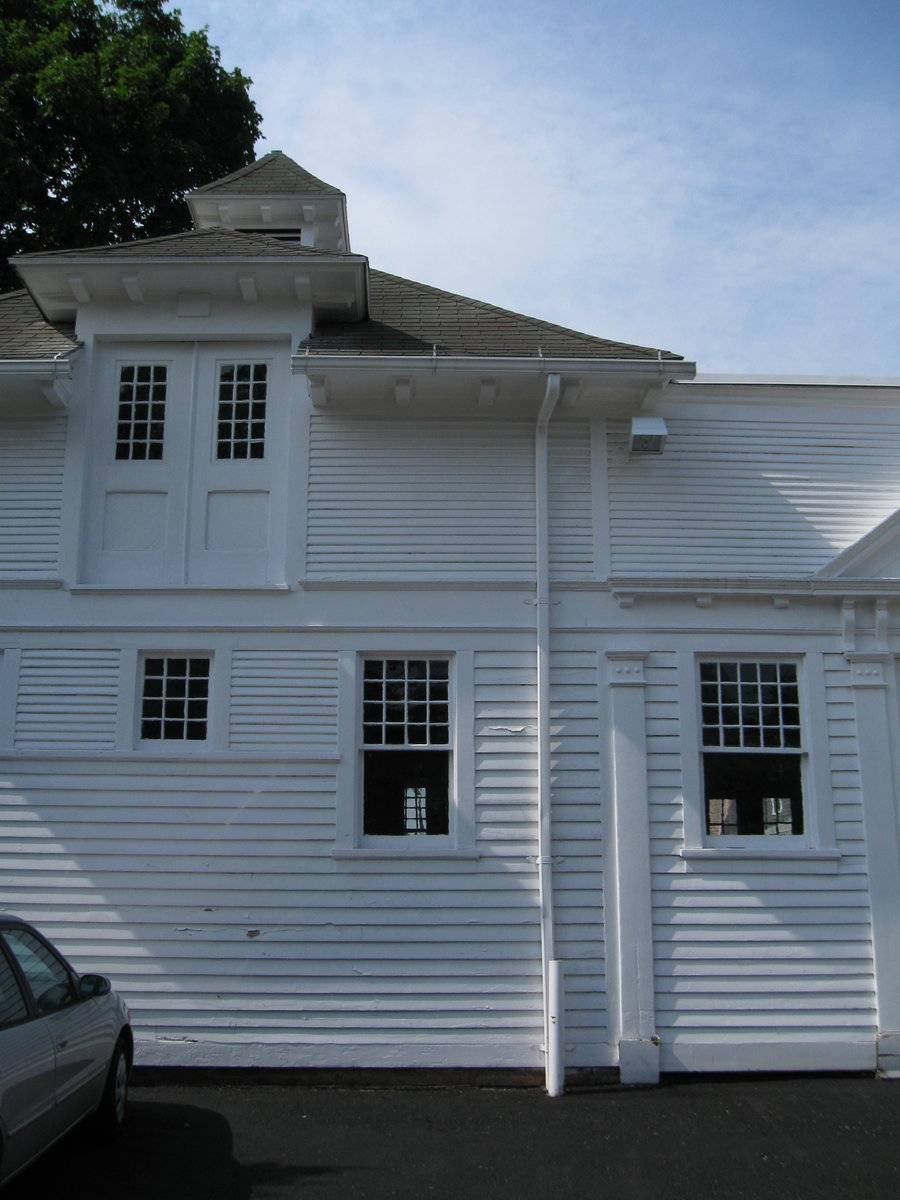
The easternmost portion is the hip-roofed block, which has its north façade facing Maple Street. The ground level has three windows – the center and left are high nine-pane stable-type windows and the right (west) is a sixteen-over-one double hung window. Above is a hay door consisting of a pair of leaves, each with a recessed panel below a 15-pane glazed panel. The hay door is flush with the wall plane but its head rises into a wall dormer with a hip roof, having deep overhangs with modillion brackets. The main hip roof has similar ornamentation. The lower floor has wide clapboard siding with panels of narrow beaded siding between the windows. Above the windows is a continuous band of architrave molding, and above in the upper level is narrow beaded clapboard siding.
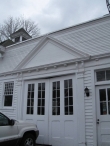
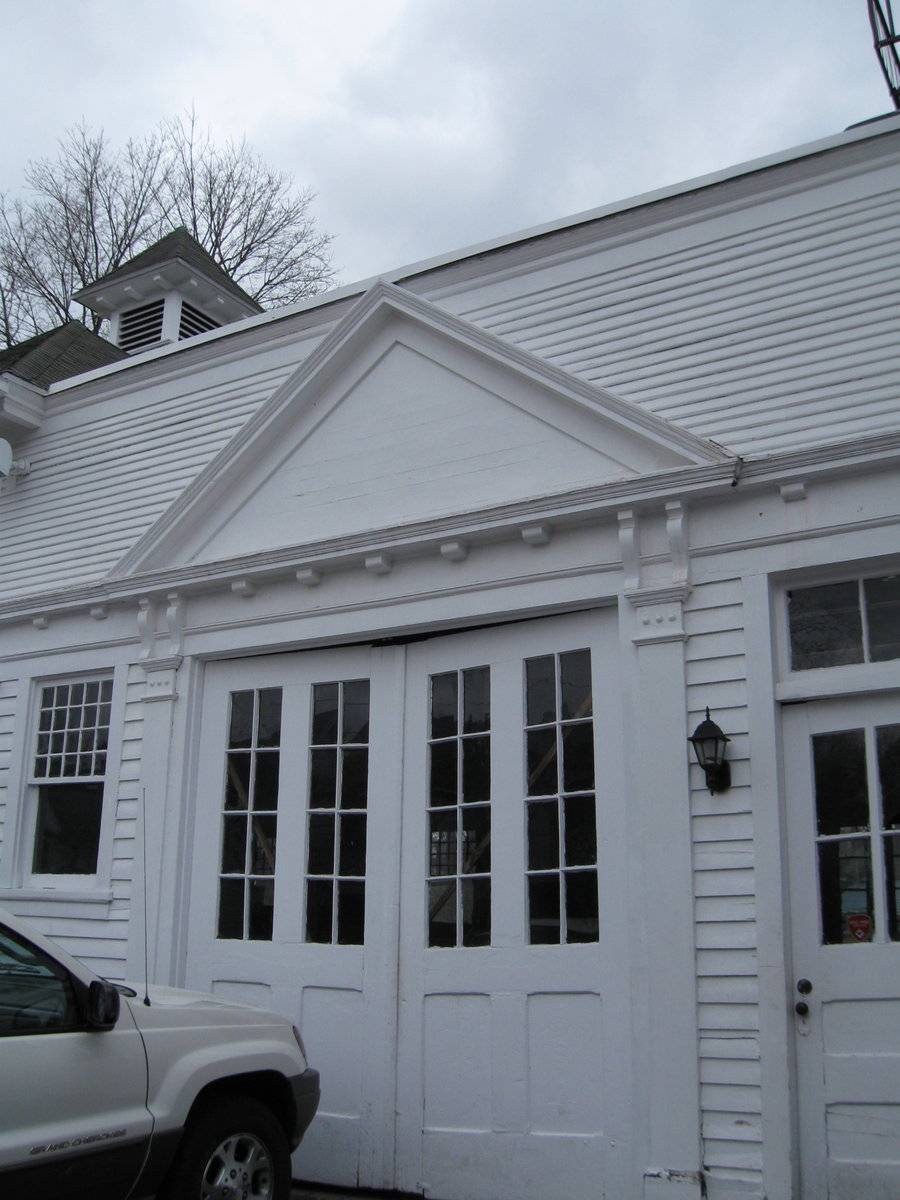
The connecting link continues the siding detail of the hip-roofed block, with the addition of four pilasters and a pediment over a pair of tall barn doors. The doors are hinged to open inward and have two recessed lower panels below pairs of 8-paned glazing. To the left of the doors is a sixteen-over-one double hung window and to the right is a pass-thourhg door with a two-pane transom light.
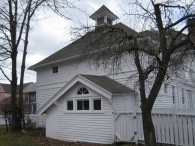
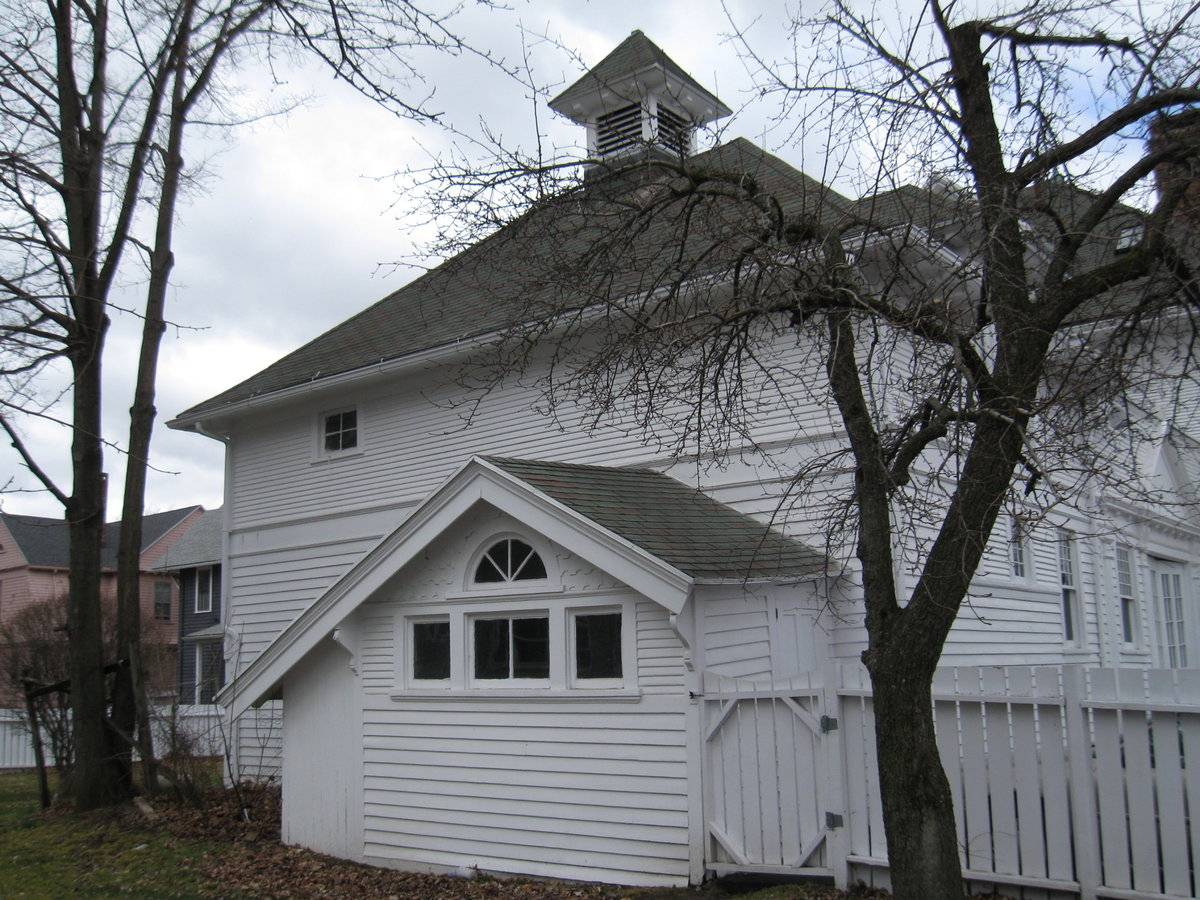
The east side has a one-story gable-roofed addition with an arched window in the peak over a band of three windows. The attic siding is ornamental cut shingles while the lower part of the wall matches the main block. The rake board of the addition’s roof is supported by sawn brackets. The east wall of the main block has a 4-pane window in the upper level near the left (south) corner and siding continuing the pattern of the north wall.
The south wall faces the side/rear yard and has a wall dormer in the roof, and several windows which appear to resemble the north side.
There is a hip-roofed cupola on the ridge of the hip-roofed block; it has louvered openings on all four sides and modillion brackets along the soffit of the roof.Historical significance:
Until the 1830s, the horses used for riding and driving carriages were often kept in the main barn along with the other farm animals. By the 1850s, some New England farmers built separate horse stables and carriage houses. Early carriage houses were built just to shelter a carriage and perhaps a sleigh, but no horses. The pre-cursor to the twentieth-century garage, these outbuildings are distinguished by their large hinged doors, few windows, and proximity to the dooryard.
The combined horse stable and carriage house continued to be a common farm building through the second half of the nineteenth century and the first decade of the twentieth century, until automobiles became common. Elaborate carriage houses were also associated with gentlemen farms and country estates of the late 19th and early 20th centuries. Another form of carriage barn, the urban livery stable, served the needs of tradespeople.Historical background:
The Edgewood Park Historic District recognizes the rapid development of this area of New Haven over a brief span at the end of the 19th century. The city Alms House or poor farm had been located in this vicinity until it was relocated to Westville (where Southern Connecticut State University is now) to allow development of a westward residential expansion of the city. Simultaneously, Donald Grant Mitchell, proprietor of the farm named Edgewood (the house is still extant on Edgewood Way), and a landscape architect and writer, was involved in the donation of land and designs for Edgewood Park and the Esplanade which helped to make the Edgewood district a desirable location (Ohno).
Field Notes
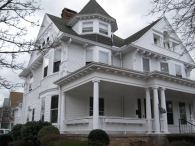
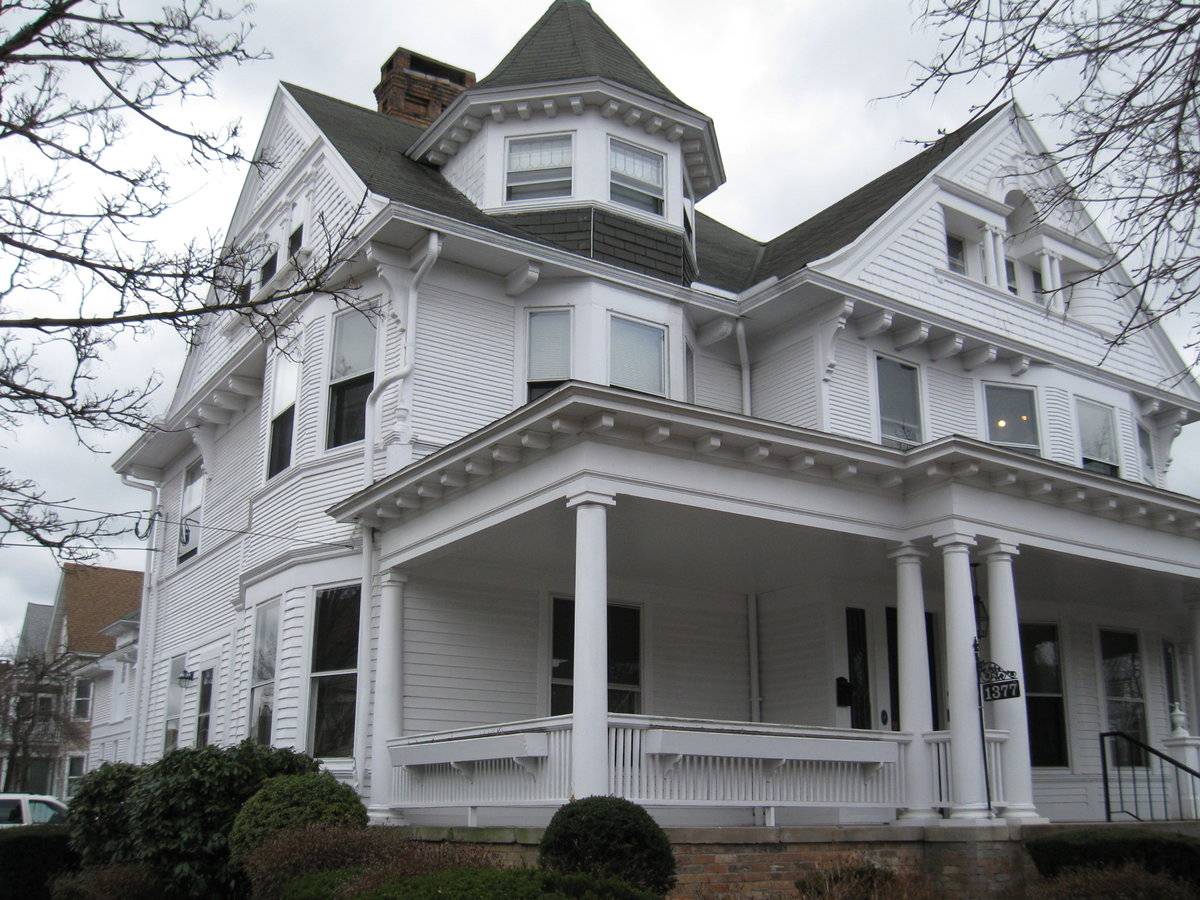
Victorian/Queen Anne mansion with attached carriage house, at corner of Maple Street. Located in the Edgewood Park National Register Historic District. Contributing: 1377 Boulevard Michael Kipp House. (1898). Substantial 2 1/2-story frame Queen Anne Colonial Revival transitional house. Composite roof-pyramid and gable. Turret-like dormer with modillion cornice.
- Use & Accessibility
Use (Historic)
Use (Present)
Exterior Visible from Public Road?
Yes
Demolished
n/a
Location Integrity
Original Site
- Environment
Related features
Environment features
Relationship to surroundings
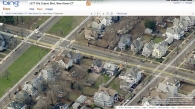
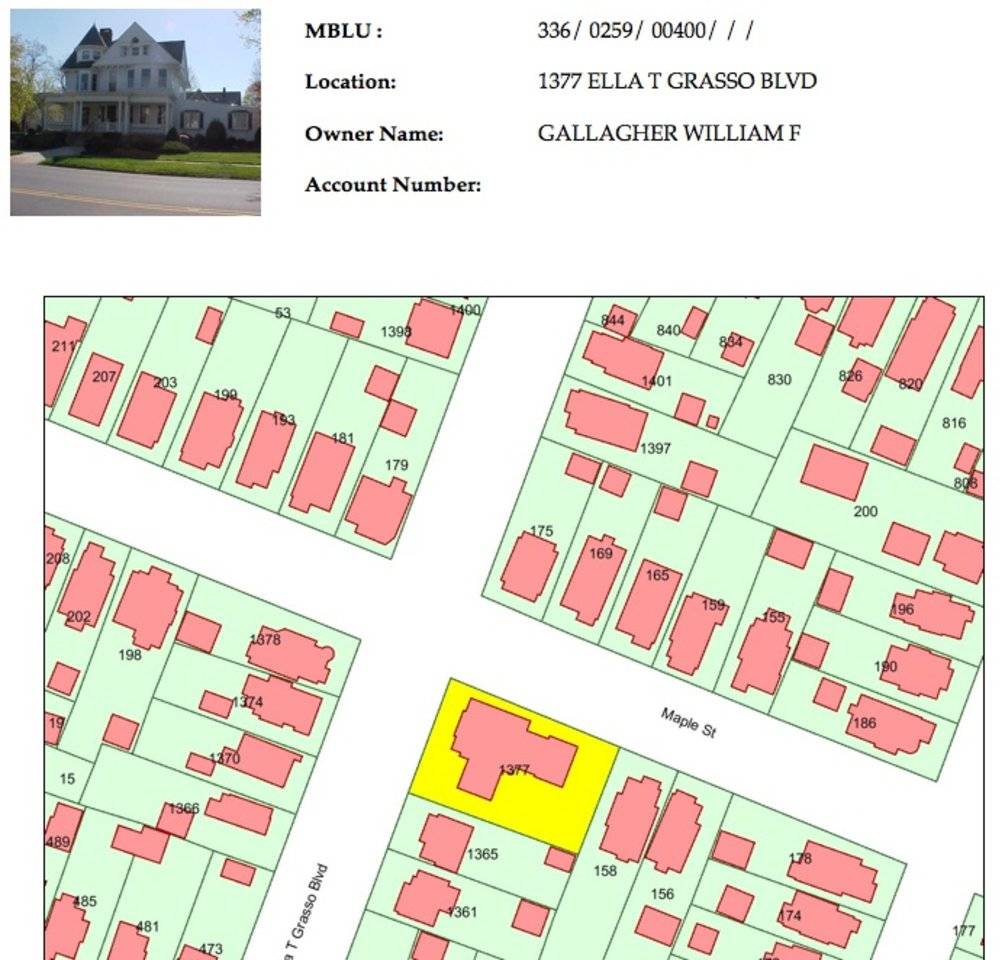
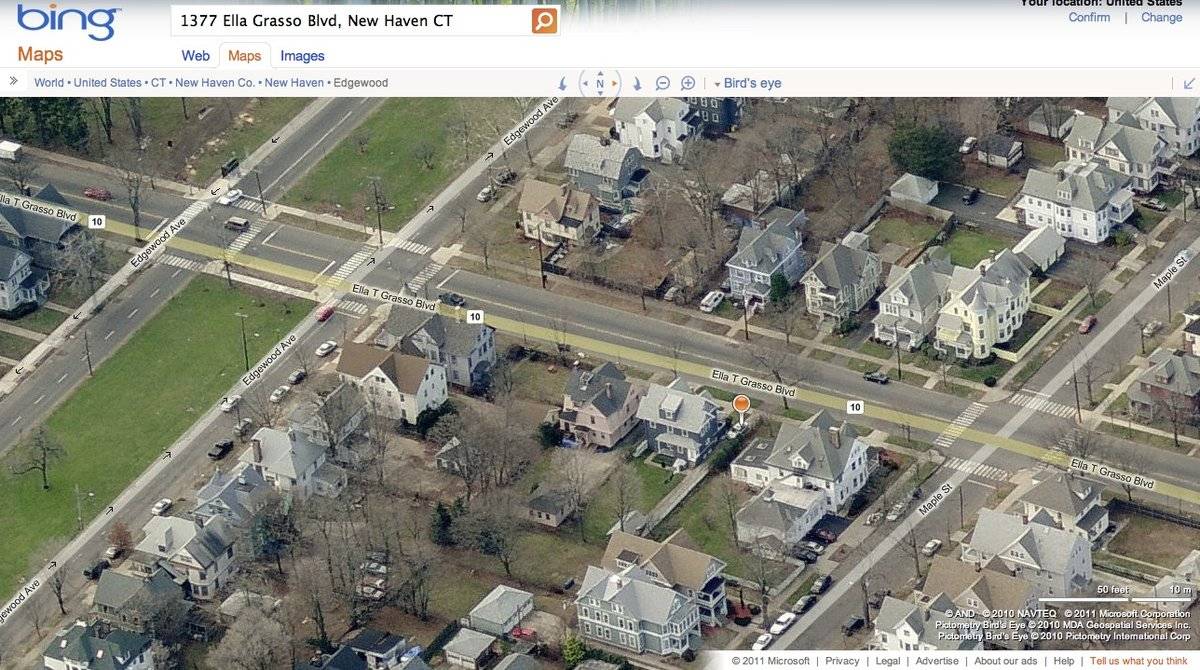
This property is located at the southeast corner of the Boulevard and Maple Street, with the carriage barn facing north onto Maple. The house, which faces west toward the Boulevard, is a Queen Anne/Colonial Revival transitional house of generous size and detailing. A somewhat incompatible addition extends off the south side; the building has been converted from residential to commercial office use. The area is densely developed with one- and two-family homes of the late 19th and early 20th centuries. Edgewood Park and the Edgewood Avenue Esplanade are located one block south along Ella Grasso Boulevard.
- Typology & Materials
-
Building Typology
Materials
Structural System
Roof materials
Roof type
Approximate Dimensions
30 ft x 43 ft
- Source
-
Date Compiled
01/27/2011
Compiled By
Charlotte Hitchcock, reviewed by CT Trust
Sources
Field notes and photographs by C. Hitchcock 03/30/2009
City of New Haven Assessor’s Record: http://data.visionappraisal.com/NewHavenCT/findpid.asp?iTable=pid&pid=22146
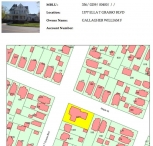
Parcel ID: 336/ 0259/ 00400 - .34 acre - 30 x 43 feetAerial Mapping:
http://maps.google.com
http://www.bing.com/maps accessed 1/27/2011.Ohno, Kate, Edgewood Park National Register Historic District Nomination No. 86001991, National Park Service, 1986.
Sexton, James, PhD, Survey Narrative of the Connecticut Barn, Connecticut Trust for Historic Preservation, Hamden, CT, 2005, http://www.connecticutbarns.org/history.
Visser, Thomas D., Field Guide to New England Barns and Farm Buildings, University Press of New England, 1997. - PhotosClick on image to view full file
-