Barn Record Bloomfield
RETURN TO ‘FIND BARNS’- Building Name (Common)
- Bloomfield Farm Implement Museum
- Building Name (Historic)
- Bloomfield Farm Implement Museum
- Address
- 434 Tunxis Avenue, Bloomfield
- Typology

- Overview
-
Designations
n/a
Historic Significance
Architectural description:
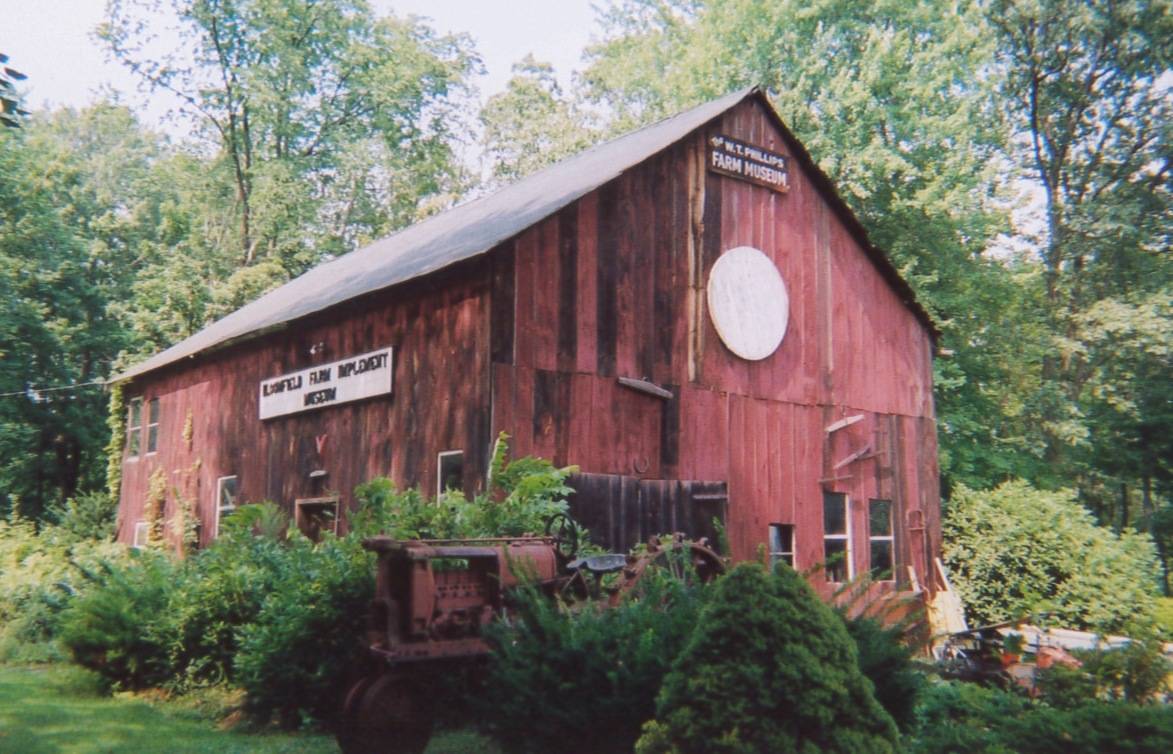
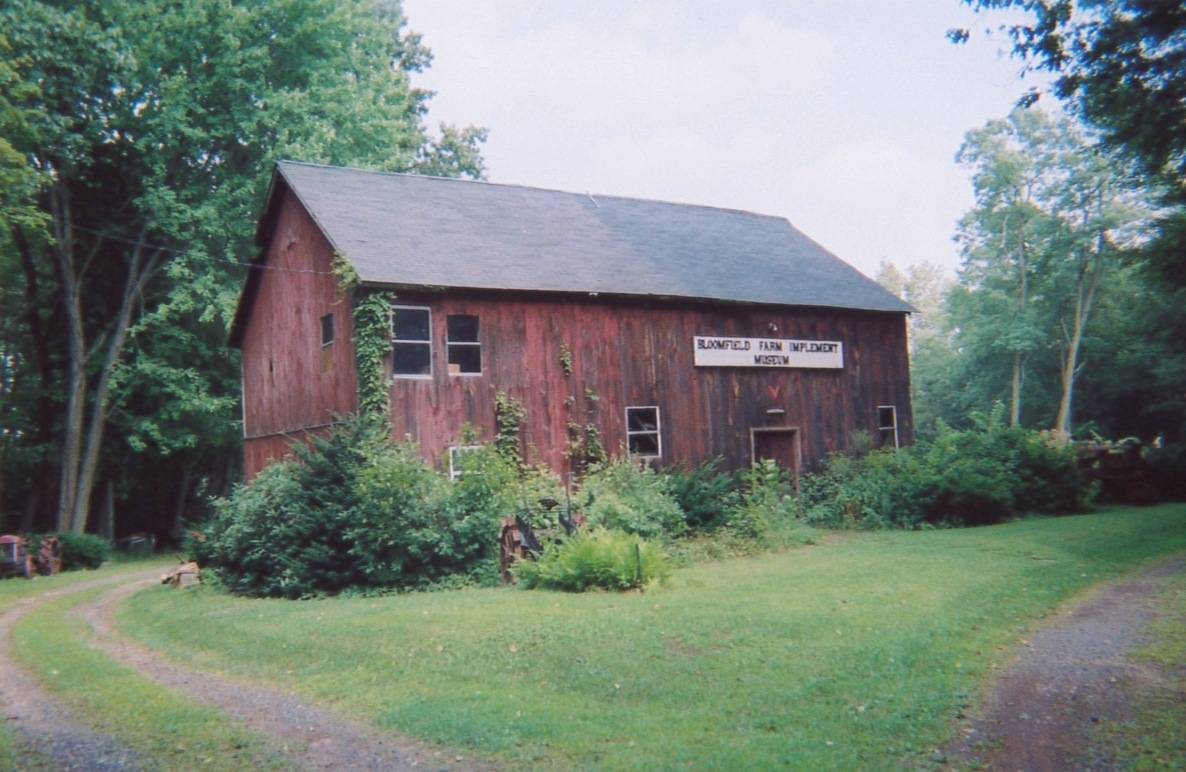
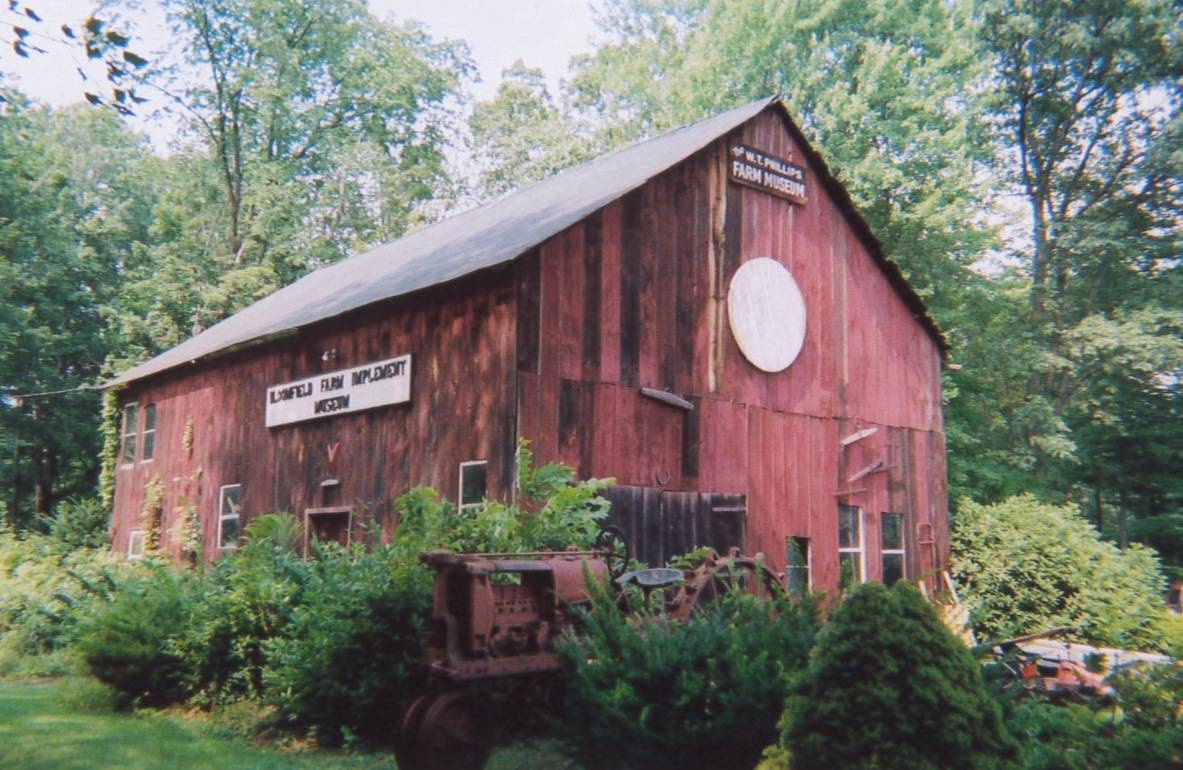
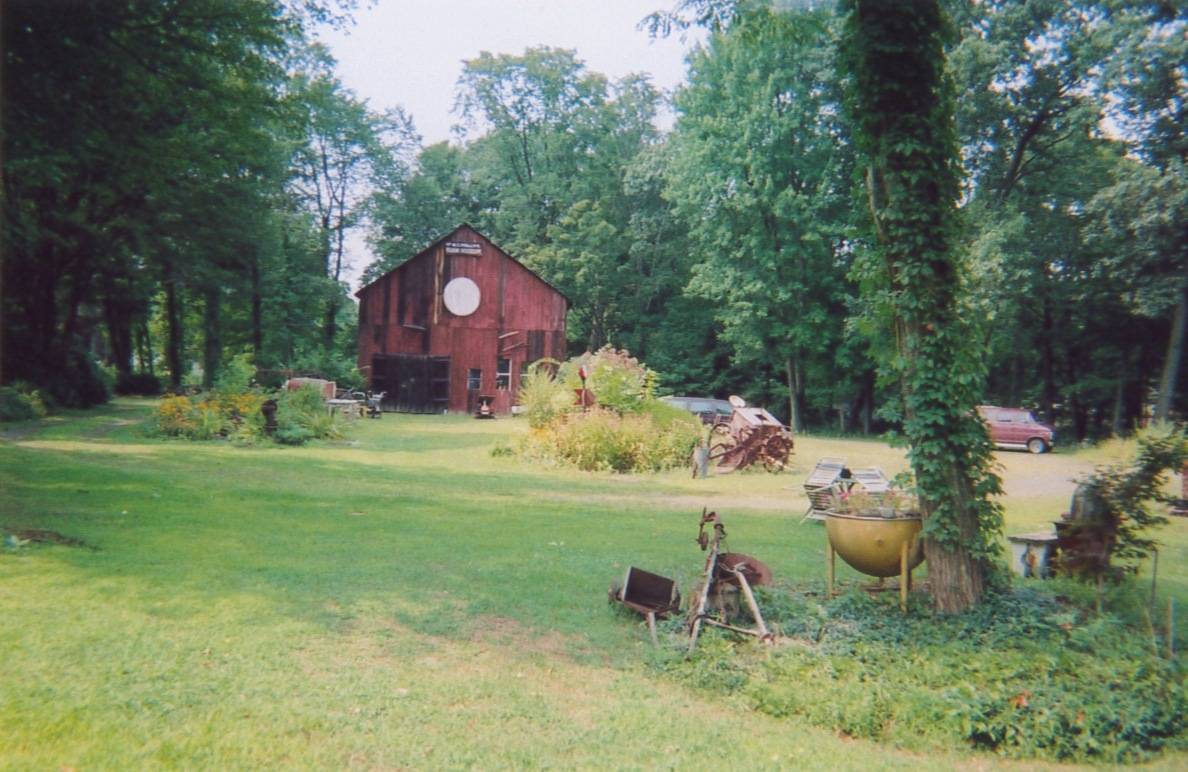
This is a 1 1/2-story gable-entry barn with a gable roof. The ridge-line runs southeast-northwest which is almost parallel with Tunxis Avenue, which runs approximately north to south. The barn is set at grade on even ground. The main southeast gable-end of the barn has the main entry, which is a pair of full length side-swinging doors on the first floor near the south corner, with wrought iron hardware. East of the door are three one-over-one double-hung windows; one smaller window off-center to the east and the other two further east. The southwest eave-side of the barn has a pass-through doorway flanked by symmetrically spaced one-over-one double-hung windows in the south half of the eave-side. The west eave-side has a one-over-one double-hung window near the west corner. Just beneath the eave of the southwest eave-side of the barn are two one-over-one double-hung windows near the west corner. The northwest gable-end of the barn has a square window near the west corner near the eave line. The northeast eave-side of the barn has three symmetrically spaced windows and a window near the east corner. The barn walls are vertical flush-board siding painted red. The roof has slightly projecting eaves and is covered with asphalt shingles.
Historical significance:The New England barn or gable front barn was the successor to the English barn and relies on a gable entry rather than an entry under the eaves. The gable front offers many practical advantages. Roofs drain off the side, rather than flooding the dooryard. With the main drive floor running parallel to the ridge, the size of the barn could be increased to accommodate larger herds by adding additional bays to the rear gable end. Although it was seen by many as an improvement over the earlier side-entry English Barn, the New England barn did not replace its predecessor but rather coexisted with it, as both types continued to be built.
Historical background:March 5, 1989
Ex-Migrant Worker Struggles to Keep Farm Museum Alive
By SHARON L. BASSWENTWORTH T. PHILLIPS said he had always banked on simple basics like self-sufficiency and knowing the skills of the laboring class to make it in life. Based on those tenets, he founded the Bloomfield Farm Implement Museum in 1980. As he will explain over and over, he started his museum with “the kids, the kids, the kids,” especially inner-city children, in mind.
”This is not a museum where people fold their hands and ask questions,” Mr. Phillips of Bloomfield said one recent day inside the large, red weather-worn barn that holds many of the collection’s 3,900 antique tools and farm machines. ”They crank things. They ride on them. They learn what they were made to do.””The kids start rattling things, sitting on them, pulling, pushing, cranking things,” the 52-year-old said. ”They go crazy; you can’t stop them. I don’t teach kids reading and writing. I’m talking about skills.”
It is self-sufficiency, being able to do just about anything with his hands, that Mr. Phillips credits to his rise from a migrant farm worker to a homeowner and businessman. He has been a farmer, a blacksmith, a clocksmith, a landscape artist, an antique dealer and in his early days, a professional boxer. But his skills have not been able to help him pay off a government loan to save the museum, his nearby home and his dream to help as many children as he can.When Mr. Phillips opened his museum, he received an $80,000 loan from the Small Business Administration to develop the museum’s six acres of land and to cover initial operating costs. He also received two grants, for $10,000 and $25,000, from the State Department of Economic Development. Otherwise he has run the museum single-handedly, taking in less than $2,000 a year.
Since 1980, he said, he has made only one loan repayment. In 1987, the Small Business Administration began foreclosure proceedings on his house, which he had used as collateral, said Hunter Lohman, deputy district director for the administration’s office in Hartford. Mr. Phillips has been allowed to remain in his house, where he operates an antique and clock repair business. However, Mr. Lohman said if Mr. Phillips did not repay the loan shortly his house and museum collection would be auctioned.
Mr. Phillips leases the land at the museum from the Culbro Land Development Company for $1 a year. But he owns the thousands of farm implements dating back 200 years – wagons, harvesters, feeders, potato cutters, butter churns, cream separators, chicken incubators, ploughs and hand tools. Mr. Phillips said he had spent decades going to estate and farm sales around New England to collect the pieces.
State Senator Reginald J. Smith, Republican of New Hartford, said he was moved by Mr. Philipps’s plight and introduced a bill earlier this year that would appropriate $100,000 to purchase the equipment and buildings. If the bill is approved, Mr. Phillips would be able to repay the Small Business Administration loan and would remain as curator. Meanwhile, Mr. Smith said he hoped a private party would buy the property.
”If no one else picks up the pieces, the farm implements will be disposed of in some way,” Mr. Smith said. ”Phillips had made a good case for the museum – its value to the community and the long and hard hours he has dedicated to it.”
Dedication, Mr. Phillips said, keeps him ploughing ahead despite the year-to-year financial struggles. He earns no income from the museum, which five years ago stopped charging admission and takes only donations. He supports himself by working odd jobs like repairing antiques and clocks or landscaping, he said.
In 1950, Mr. Phillips came to Florida from St. Kitts in the West Indies as a migrant farm worker. He moved to Hartford in 1952 and worked on the tobacco fields in Windsor. In 1954, he worked at a slaughterhouse in Bloomfield. The next year he began working odd jobs, but always hoped to open a museum of antique farm tools and machines and hand down his skills to disadvantaged children.
”I’m a poor man; I’m a black man,” he said. ”So I ask you, I don’t have any children. Why did I do it? I didn’t put up that collateral to buy a Mercedes or a yacht. I did it to save inner-city children from stealing and killing.
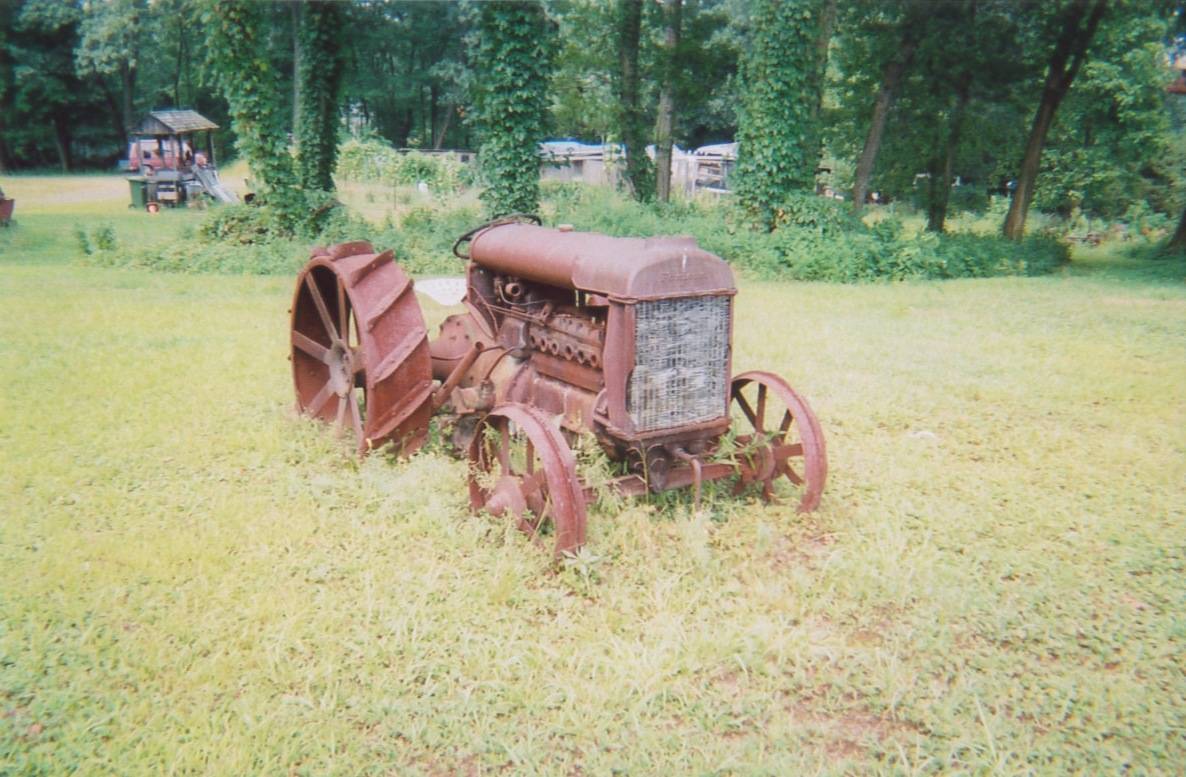
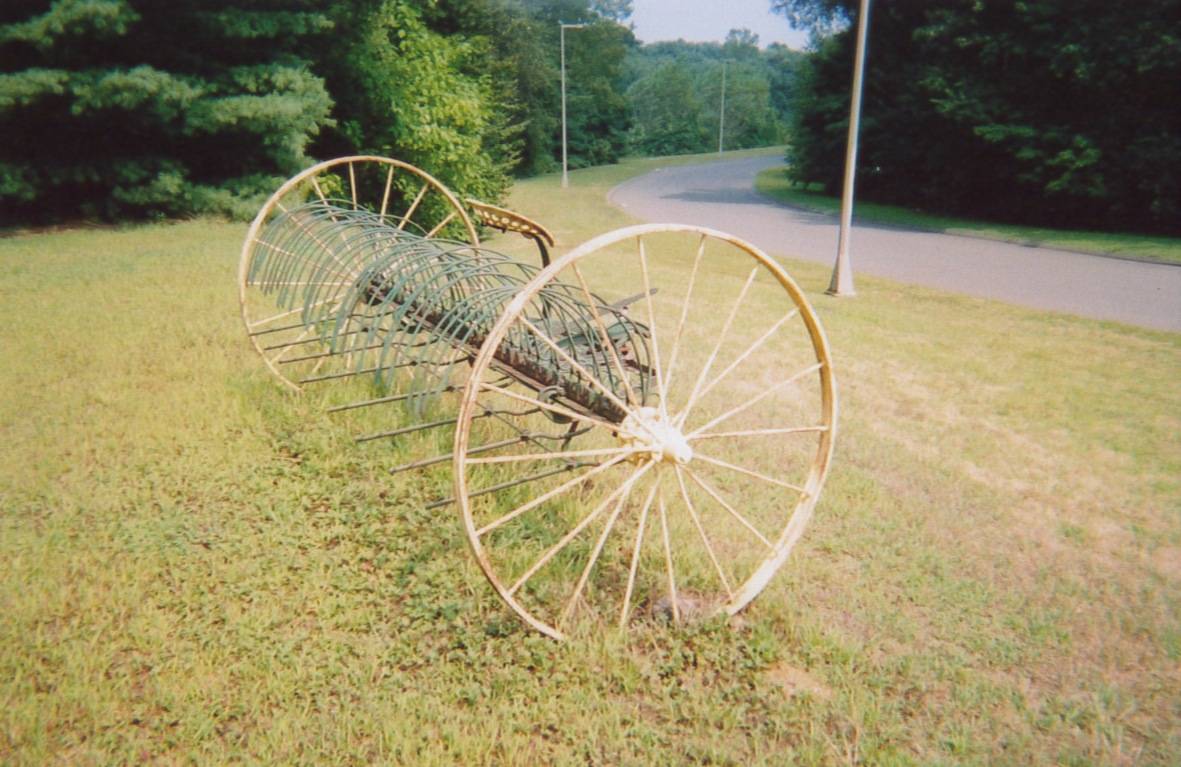
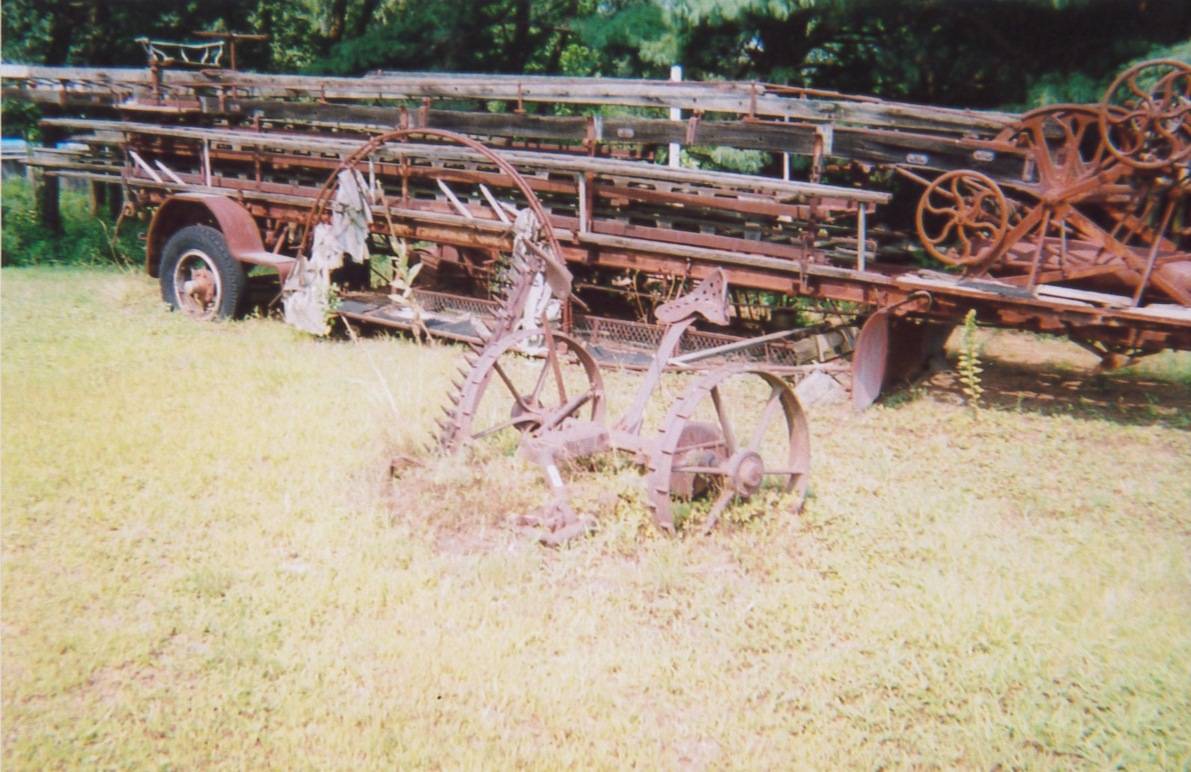
”I am self-learned. I am self-sufficient. I came to the United States to earn 45 cents an hour. I own my own home now. I show kids that I learned the skills and disciplines, that I can do anything.”About 10,000 visitors come to the museum each year, mostly children and mostly during the summer. Everything about the museum resembles a farm, from the winding dirt driveway and the baying goats and donkeys, to the many old and rusty wagons and tractors scattered around the property.
”This shows the kids what it was like before it was trucks and tractors,” Mr. Phillips said. ”It was oxen pulling the carts, doing the same work that farmers do today.”
Inside the red barn museum, the dirt floor is covered with pebbles and the space is filled with such items as an 1810 vacuum cleaner (”It still works,” Mr. Phillips said with a beam), one of the earliest washer and dryers, a rototiller from Sweden that dates back about 100 years, stage coaches, a permanent plough and deep-well pump from 1790, and the newest item, a 1911 clover cutter. Lining the walls are tree and ice saws. In display cases are horse bits, horse shoes and old medicine bottles.
The artifacts, Mr. Phillips explained, came to him dirty and rusty. He repaired and shined them and can spontaneously date any piece in the collection.
”The beauty of this museum is the kids,” he said, not the collection. ”They seem to come alive here.” Until a few years ago, Mr. Phillips ran a six-week summer program for inner-city children in Connecticut where they would spend the day at the museum helping to restore equipment, care for the animals, maintain the grounds and learn other skills.
”If I have to sum it all up I’d say I taught them discipline, culture and how to respect yourself,” Mr. Phillips said. ”And to learn by being with other people.”
Deborah Carson, a real estate agent from Windsor who is a volunteer at the museum, is trying to expand the children’s program to include first-time youth offenders. She also wants to help strengthen the museum’s ties with school systems and to form a museum board.
”I believe in the museum and in him,” she said. ”He believes in leaving something behind that’s worthwhile. He’s trying to preserve the working-class history, to make sure people know how butter was churned and what the first washer and dryer looked like. I call it the simple path.”
Field Notes
n/a
- Use & Accessibility
Use (Historic)
Use (Present)
Exterior Visible from Public Road?
Yes
Demolished
n/a
Location Integrity
Unknown
- Environment
Related features
Environment features
Relationship to surroundings
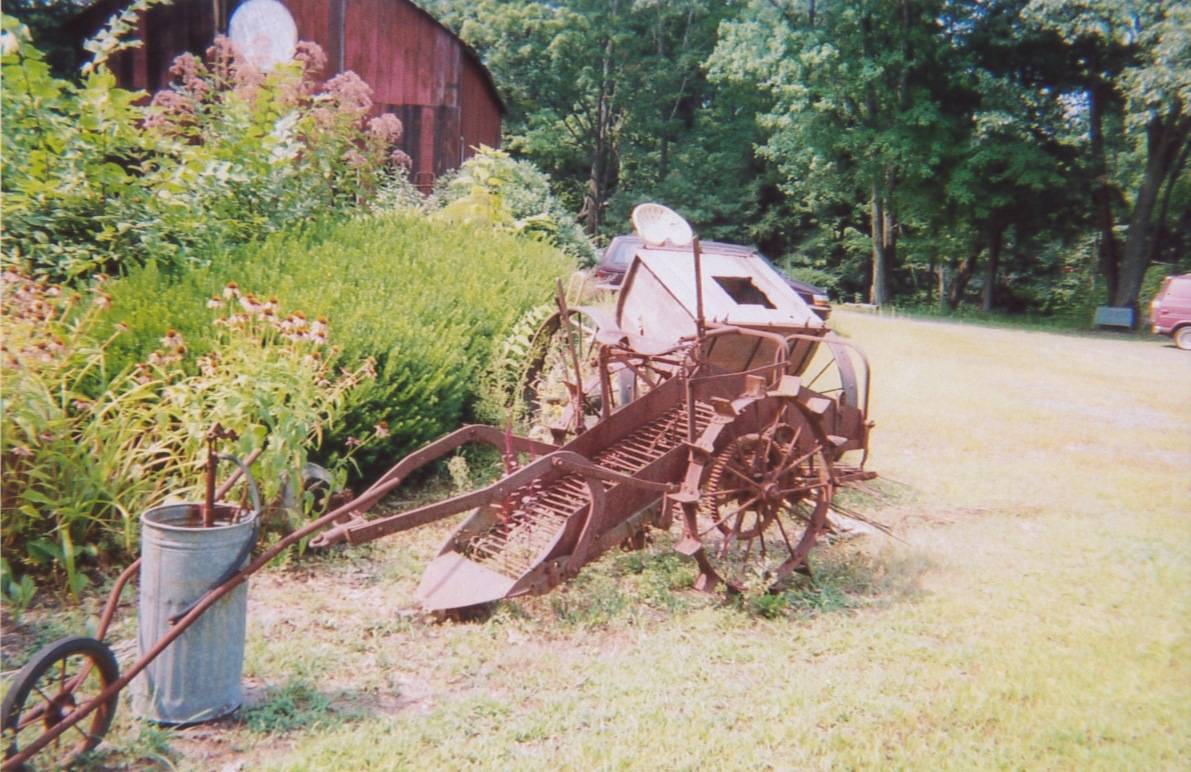
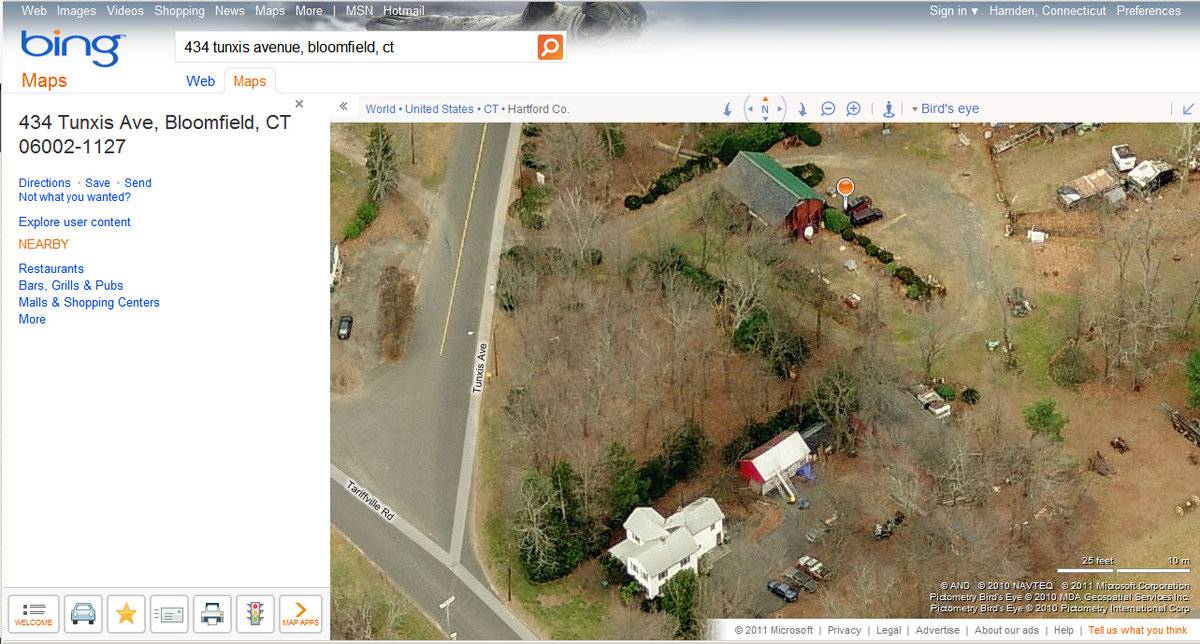
The barn is the only building on the northwest side of the property. A foundation planting garden is just southwest, northwest, and southeast of the barn. The northwest and southeast garden planting extend southeast to outline a lawn southeast of the barn. Scattered on the lawn are several historic rusting farm tools and implements. The lawn extends beyond the planting garden southwest and northwest of the barn, which are bordered by a roundabout that encircles the barn, garden, and lawn just inside the property’s boundaries. The northeastern quadrant of the roundabout expands to the northeast to become a parking lot. The west side of the roundabout connects to a driveway that proceeds west a short distance to Tunxis Avenue. Trees and shrubs outline the northwest and southwest borders of the roundabout and property. South, southeast, and east of the roundabout is a curving strip of open land. Northeast of the parking lot is a fence that marks the northeast border of the property. North of the roundabout is woodland. The size of the property is 0.83 acres. The land around the property is rural, residential, open land, and woodland.
Map/Lot/Unit: 638/ / 69/ /
- Typology & Materials
-
Building Typology
Materials
Structural System
Roof materials
Roof type
Approximate Dimensions
1176 sq. ft.
- Source
-
Date Compiled
03/27/2011
Compiled By
J. Toner & T. Levine, reviewed by CT Trust
Sources
Field notes and photographs by D. Voisine on 06/21/2009.
Town of Bloomfield Assessor’s Record or GIS Viewer: http://wwwvisionappraisal.com.
Map/Lot/Unit: 638/ /69/ /
http://www.ctmuseumquest.com/?page_id=1856 displayed Bass, Sharon L. “Ex-Migrant Worker Struggles to Keep Farm Museum Alive,” New York Times, 5 March 1989.Aerial Mapping:
http://www.bing.com/maps accessed 03/27/2011.Sexton, James, PhD, Survey Narrative of the Connecticut Barn, Connecticut Trust for Historic Preservation, Hamden, CT, 2005, http://www.connecticutbarns.org/history.
Visser, Thomas D., Field Guide to New England Barns and Farm Buildings, University Press of New England, 1997. - PhotosClick on image to view full file
-