Barn Record Litchfield
RETURN TO ‘FIND BARNS’- Building Name (Common)
- Lee’s Riding Stable/Windfield Morgan Farm
- Building Name (Historic)
- Echo Farm
- Address
- 57 East Litchfield Road, Litchfield
- Typology
- Overview
-
Designations
Historic Significance
Architectural description:
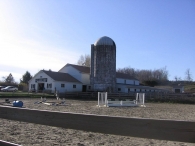
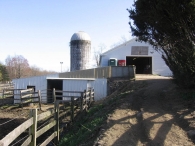
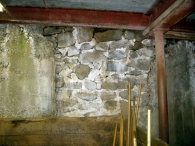
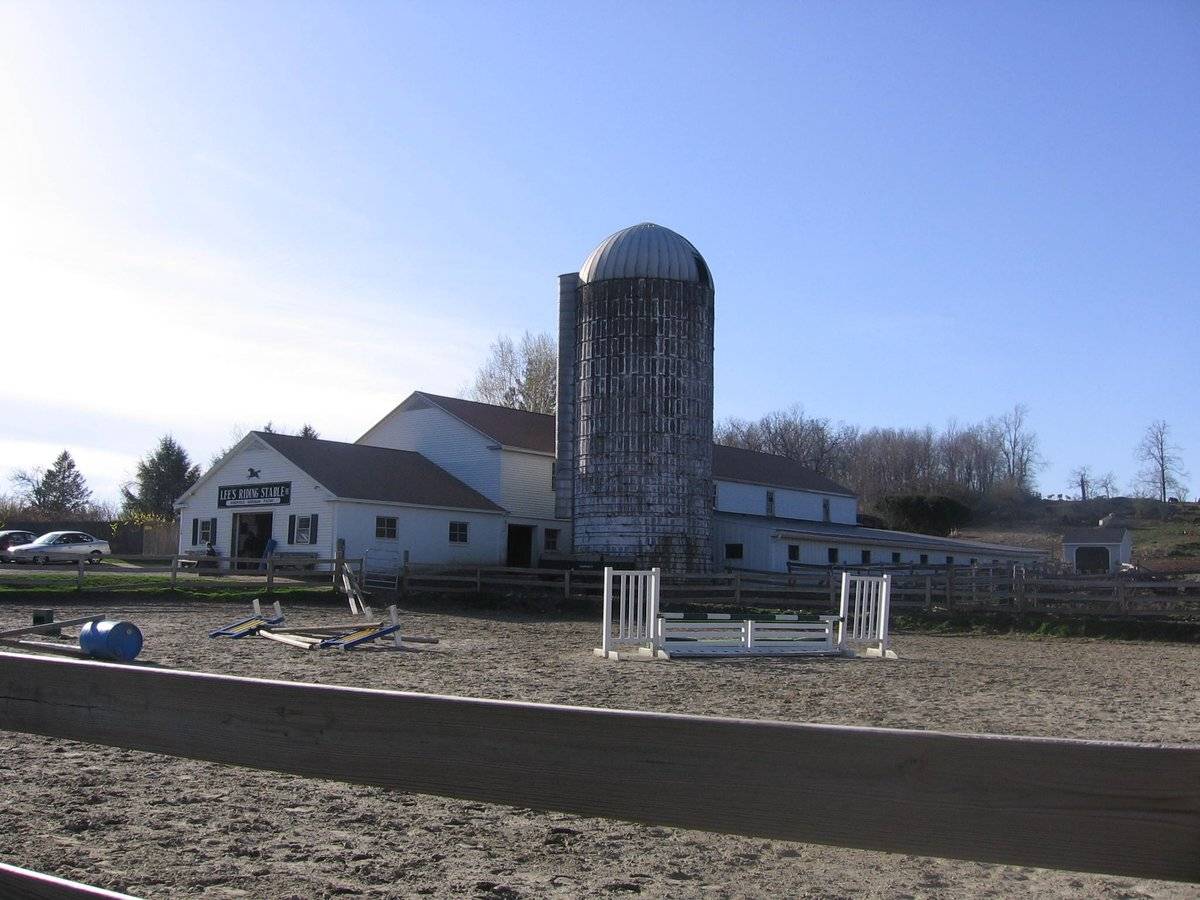
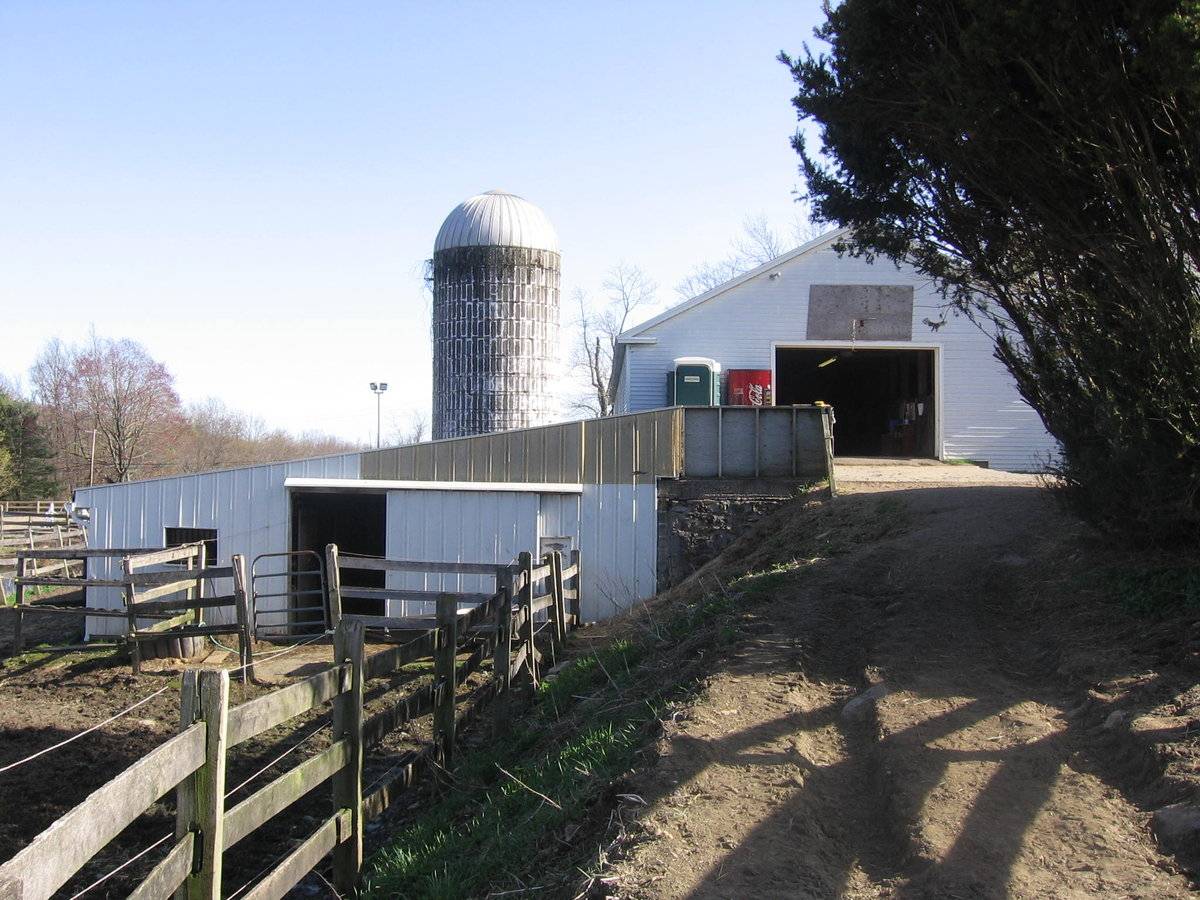
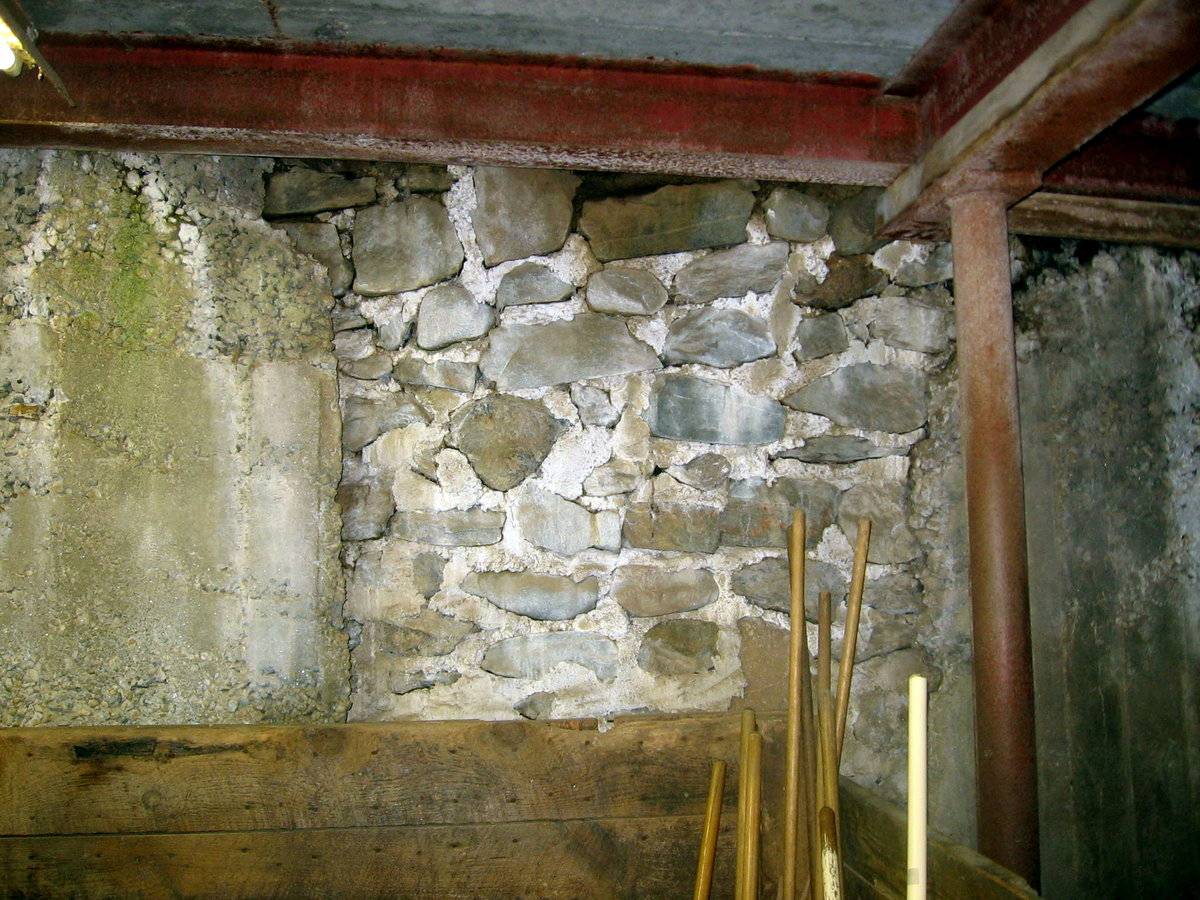
This property is significant as the site of the main barn complex established in the early 1870s by Ratchford Starr for his famed Echo Farm, a top New England dairy producer and first farm in America to bottle milk for commercial distribution. Starr raised purebred Jerseys. A U-shaped complex with a south-facing barnyard stood here; the massive granite foundation and retaining wall that supported the earthen wagon ramp, which connected to a curving 30-foot-wide walled drive, is preserved at the north gable end, where a shed-roofed section of the barn is banked into the original grade. The deep stone base of the old Starr barn may be seen inside the lower level, where an underground passage connects to a house to the east. That structure, remodeled and covered in aluminum siding, may contain an older building that was part of the large farm complex. The farm was featured in an 1878 issue of Harper’s New Monthly Magazine, which described how massive quantities of stone were collected when the fields were cleared. Extra loads were deposited on the hills, covered with masses of swamp grass and sewn with grass seed. The soil has eroded back to reveal the rocky landscape that dominates the property today. In Starr’s day, 2 ½ acres were planted with beets, the only root crop fed to his stock. Morgan horses are housed in this replacement barn.
A peak-roofed barn/stable set with the gable ends to the north and south; a peak-roofed ell extends toward the road form the south gable end. A wood frame with metal joists and trusses; concrete foundation.
Historical significance:Most ground-level stable barns and free-stall dairy barns built since the 1970s have no hayloft. Instead, the roofs are supported by prefabricated wooden trusses covered with metal roofing. While most single-story truss-roofed barns in New England are constructed with concrete foundations and stud-framed walls, pole barns with open sides are becoming popular, especially for sheltering large herds of dairy cows, heifers, and beef cattle. Many of these large truss-roofed structures are free-stall barns, introduced in the late 1940s.
Field Notes
Materials: Concrete block, metal (standing seam). Historic use: site of Echo Farm barn complex Present use: riding stable Style: Pole barn. Part of stable is open for public riding lessons by appointment.
- Use & Accessibility
Use (Historic)
Use (Present)
Exterior Visible from Public Road?
Yes
Demolished
n/a
Location Integrity
Original Site
- Environment
Related features
Environment features
Relationship to surroundings
Barn stands on the north side of East Litchfield Road; site drops off to the east. Rocky fields to the north and east. Cluster of small outbuildings to the northeast and northwest.
- Typology & Materials
-
Building Typology
Materials
Structural System
Roof materials
Roof type
Approximate Dimensions
44 x 100; 34 x 28 1 story plus lower level
- Source
-
Date Compiled
11/07/2008
Compiled By
Rachel Carley
Sources
Litchfield Tax Assessor Records
Harper’s New Monthly Magazine, October, 1878.Sexton, James, PhD, Survey Narrative of the Connecticut Barn, Connecticut Trust for Historic Preservation, Hamden, CT, 2005, http://www.connecticutbarns.org/history.
Visser, Thomas D., Field Guide to New England Barns and Farm Buildings, University Press of New England, 1997.
- PhotosClick on image to view full file
-