Barn Record Litchfield
RETURN TO ‘FIND BARNS’- Building Name (Common)
- Elijah Marsh House/Campville Dairy
- Building Name (Historic)
- Elijah Marsh House/Campville Dairy
- Address
- 296 Newton Road, Litchfield
- Typology

- Overview
-
Designations
Historic Significance
Architectural description:
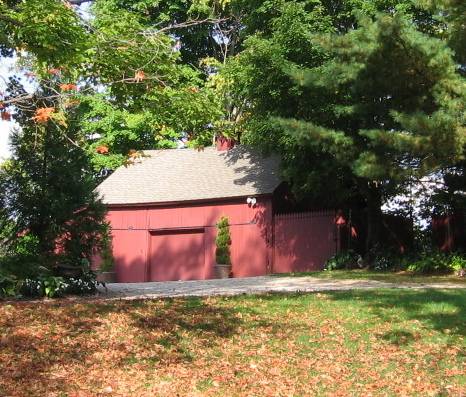
This barn is significant for its association with the Campville Dairy. Around 1915, the old Elijah Marsh farm was purchased by the Dobos family, Hungarian immigrants who had migrated to Torrington around the turn of the century. When a strike shut down the factory where Mr. Dobos worked, he bought this Northfield property in an effort to support his family by farming. At the time he moved here, he had 5 children and eventually raised nine here. The Dobos’ raised a herd of about 18 Guernseys, favored for their rich cream, and ran a milk route through Torrington. The farm was about 64 acres. Mrs. Dobos made cheese, and the family also sold cider and delivered chickens and eggs by horse and buggy. The farm ran until about the time of WWII; the milk route was later sold to the Koser family, of Edgehill Dairy in Litchfield. The barn was built c. 1920 to house farming equipment; the cow barn, which was to the southeast, no longer stands. The north lean-to was a garage; a south lean to, the milk room, was torn off. The ice house from the farm was moved to the north and now constitutes the northwest section of the house at no. 304 Newton Road.
This peak-roofed barn stands with its gable ends oriented to the north and south. One-story shed-roof ell extends to the north. Rolling barn door (recessed) centered on west (main) façade.
Historical significance:The oldest barns still found in the state are called the “English Barn,” “side-entry barn,” “eave entry,” or a 30 x 40. They are simple buildings with rectangular plan, pitched gable roof, and a door or doors located on one or both of the eave sides of the building based on the grain warehouses of the English colonists’ homeland. The name “30 by 40” originates from its size (in feet), which was large enough for 1 family and could service about 100 acres. The multi-purpose use of the English barn is reflected by the building’s construction in three distinct bays - one for each use. The middle bay was used for threshing, which is separating the seed from the stalk in wheat and oat by beating the stalks with a flail. The flanking bays would be for animals and hay storage.
Field Notes
Materials: Vertical board (tongue and groove). Historic use: Farm machinery. Style: Vernacular barn
- Use & Accessibility
Use (Historic)
Use (Present)
Exterior Visible from Public Road?
Yes
Demolished
n/a
Location Integrity
Original Site
- Environment
Related features
Environment features
Relationship to surroundings
Located on the east side of Newton Road, barn stands about 15’ to the east of the house. Drive passes south of the house and continues east to turn in front.
- Typology & Materials
-
Building Typology
Materials
Structural System
Roof materials
Roof type
Approximate Dimensions
25 x 15 1 story
- Source
-
Date Compiled
10/07/2008
Compiled By
Rachel Carley
Sources
Litchfield Tax Assessor Records
Interview with Joseph Dobos, 10/07Sexton, James, PhD, Survey Narrative of the Connecticut Barn, Connecticut Trust for Historic Preservation, Hamden, CT, 2005, http://www.connecticutbarns.org/history.
Visser, Thomas D., Field Guide to New England Barns and Farm Buildings, University Press of New England, 1997.
- PhotosClick on image to view full file
-