Barn Record Ashford
RETURN TO ‘FIND BARNS’
- Overview
-
Designations
n/a
Historic Significance
Architectural description:
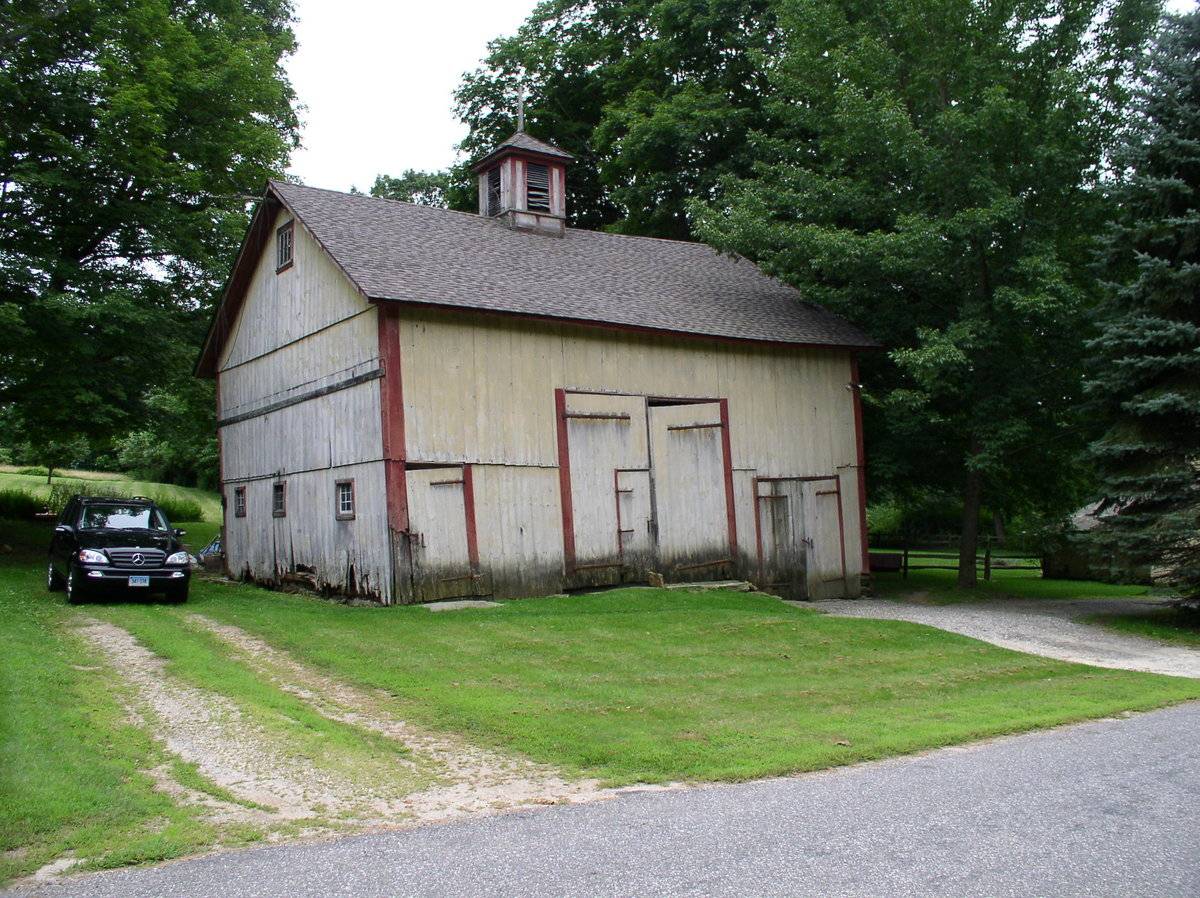
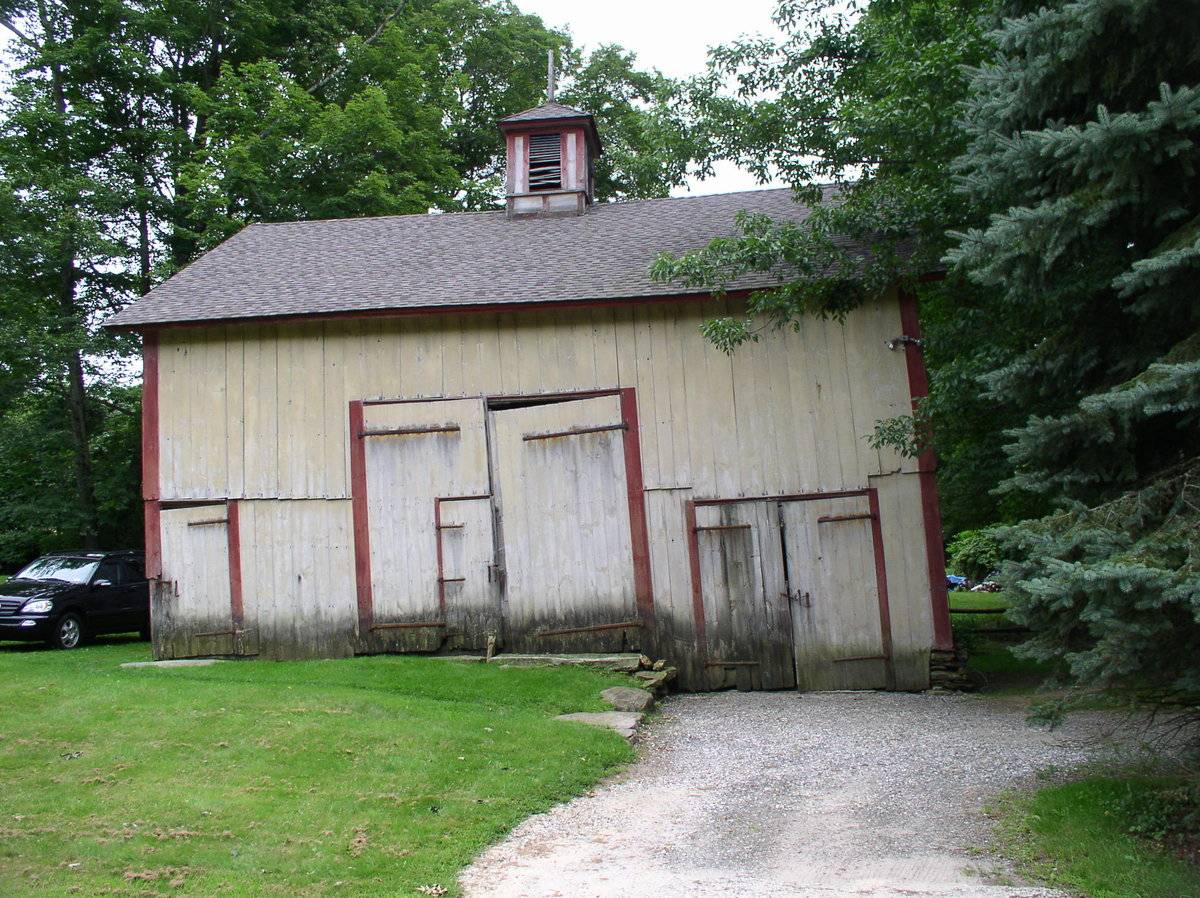
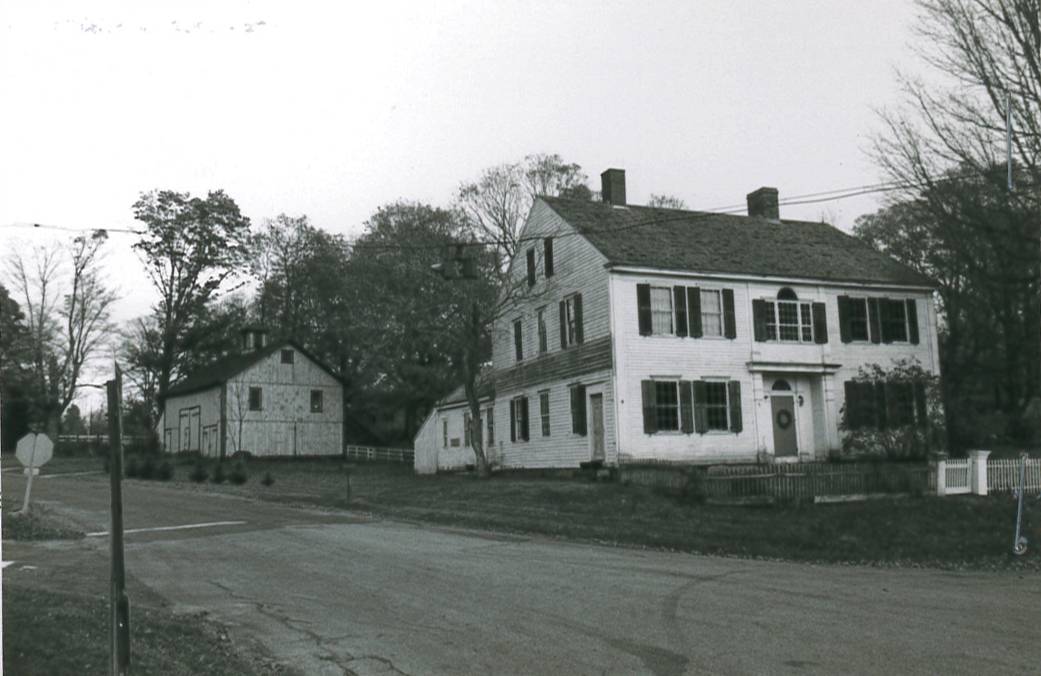
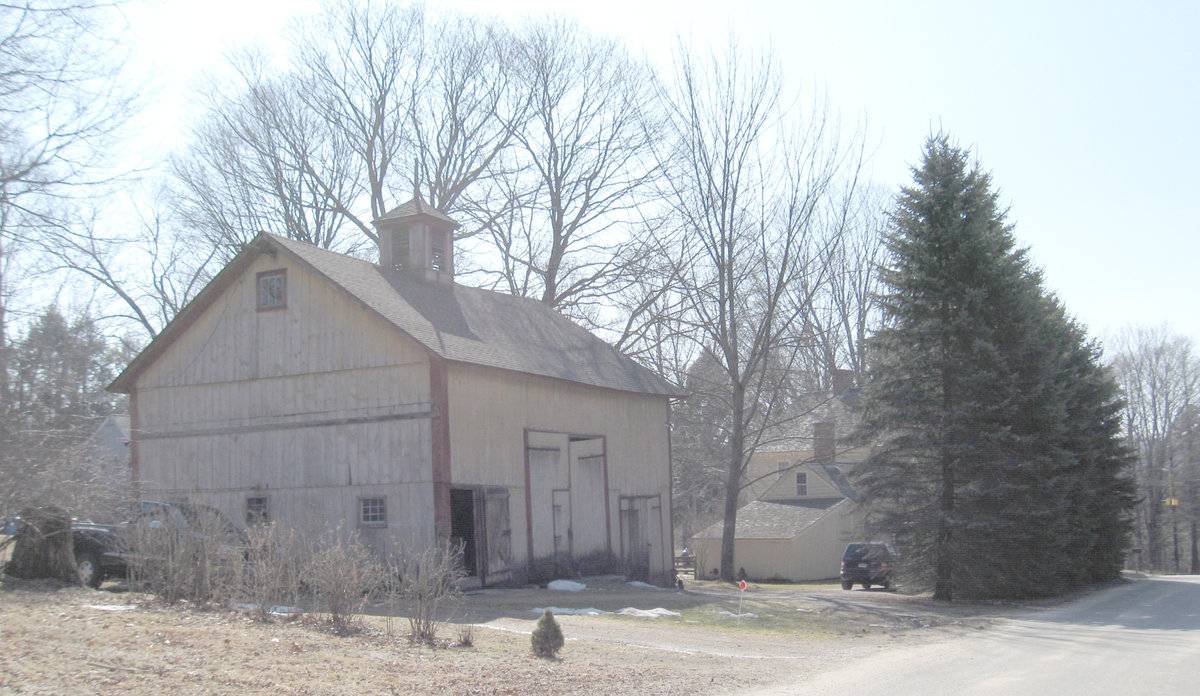
This is a 1 ½ story gable-roofed eave-entry barn. The associated house, a historic tavern, is at the southeast corner of a road crossing, with the barn to its east facing north onto the side road. Its ridge line is oriented east-west parallel to the road. The north façade facing the road, has three-bays with a pair of tall hinged barn doors in the center bay. There is a weather door in the left leaf, and the long iron strap hinges appear to be historic. In the right (west) bay, a short pair of hinged doors also have iron strap hinges. In the left bay a single hinged pass-through door also has iron strap hinges.
The east gable-end façade has a six-pane window high in the attic and three nine-pane stable windows at the ground level.
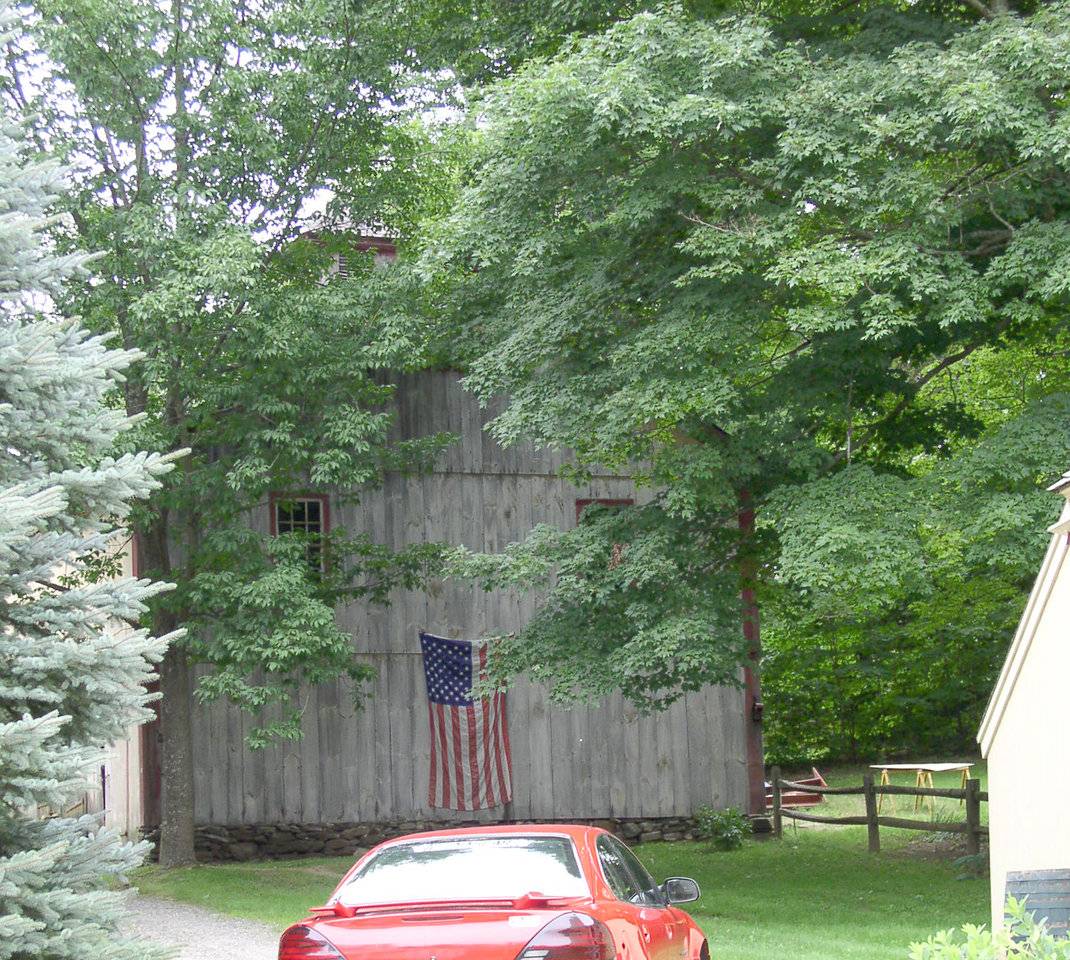
The west gable-end has two six-over-six double hung windows widely spaced in the upper part of the first story, and a six-pane window high in the attic.
Siding is vertical flush boards with a triple siding divide and some evidence of patching on the east façade.
The roof has a moderate overhang on all sides and a cupola with a hip roof, louvered openings on all sides, and a pole projecting from the roof is if for a weather vane. Roofing is asphalt shingles.
Historical significance:
This is an English barn, but may have served as a carriage house, due to the historic function of the adjacent tavern.The oldest barns still found in the state are called the “English Barn,” “side-entry barn,” “eave entry,” or a 30 x 40. They are simple buildings with rectangular plan, pitched gable roof, and a door or doors located on one or both of the eave sides of the building based on the grain warehouses of the English colonists’ homeland. The name “30 by 40” originates from its size (in feet), which was large enough for 1 family and could service about 100 acres. The multi-purpose use of the English barn is reflected by the building’s construction in three distinct bays - one for each use. The middle bay was used for threshing, which is separating the seed from the stalk in wheat and oat by beating the stalks with a flail. The flanking bays would be for animals and hay storage.
Until the 1830s, the horses used for riding and driving carriages were often kept in the main barn along with the other farm animals. By the 1850’s, some New England farmers built separate horse stables and carriage houses. Early carriage houses were built just to shelter a carriage and perhaps a sleigh, but no horses. The pre-cursor to the twentieth-century garage, these outbuildings are distinguished by their large hinged doors, few windows, and proximity to the dooryard. The combined horse stable and carriage house continued to be a common farm building through the second half of the nineteenth century and the first decade of the twentieth century, until automobiles became common.
Field Notes
Corner of Boston Hollow, Turnpike, and Westford Roads - village center of Westford across from church. Edd and Karan Oberg http://www.richmondhouseantiques.com/Richmond_House_Antiques.html
- Use & Accessibility
Use (Historic)
Use (Present)
Exterior Visible from Public Road?
Yes
Demolished
n/a
Location Integrity
Unknown
- Environment
Related features
Environment features
Relationship to surroundings
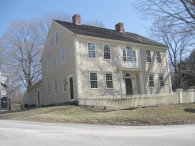
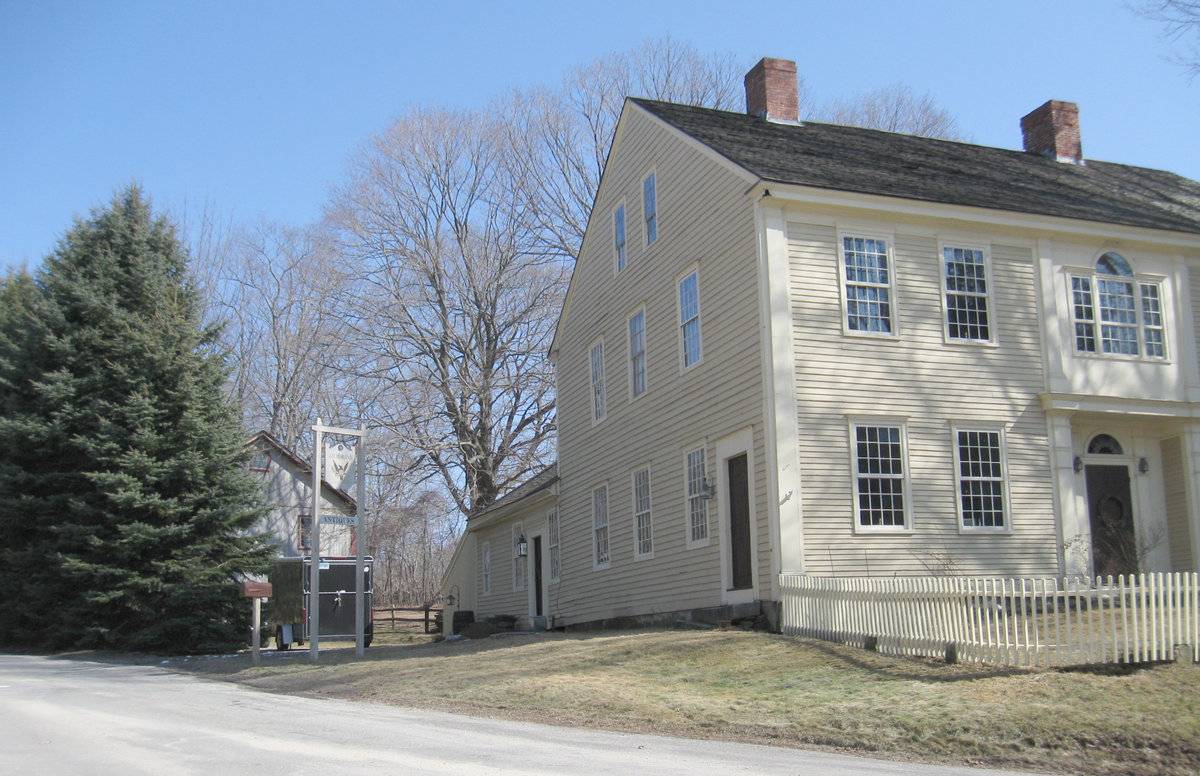
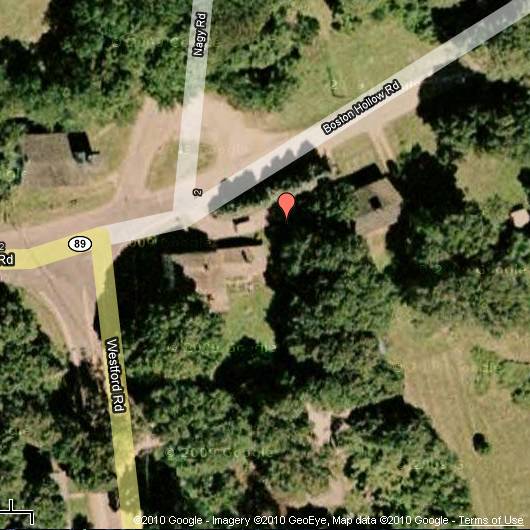
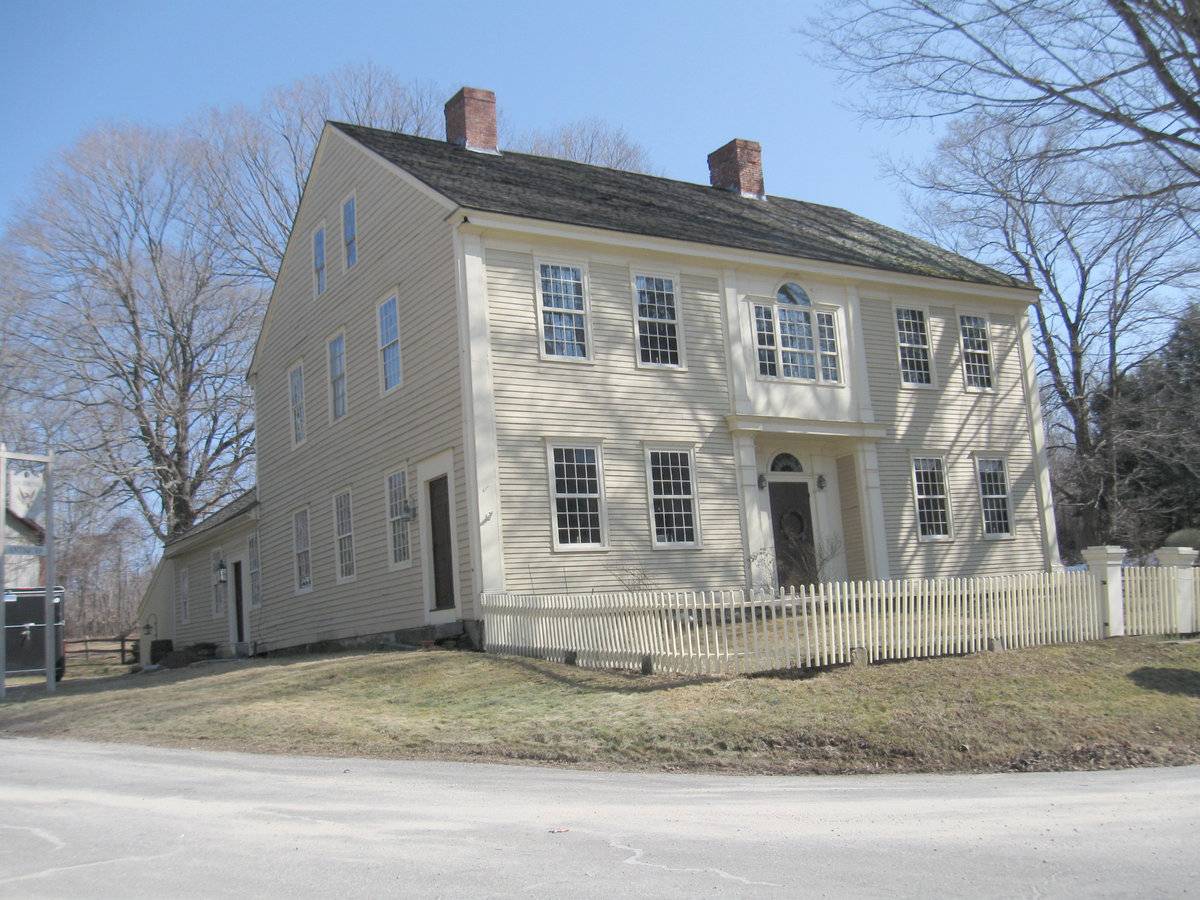
The historic village center of Westford is now a hill-top cross-roads with a church and a few historic homes, this one the former tavern. The tavern/house is a 1 1/2-story Colonial style (c. 1802) with its eave-side entry facade facing west, and located at the southeast corner of Westford Road and Boston Hollow Road. It is directly across the corner from the village church. The house has a 1 1/2-story gable-roofed ell projecting eastward from the rear. Further to the east is the barn, with its doors facing north to Boston Hollow road. The property is 4.5 acres; to the east and south are properties with open fields, while in the other directions the land has grown up into second-growth forests with scattered residential home development.
- Typology & Materials
-
Building Typology
Materials
Structural System
Roof materials
Roof type
Approximate Dimensions
cupola, 1080 square feet.
- Source
-
Date Compiled
03/08/2010
Compiled By
Charlotte Hitchcock, reviewed by CT Trust
Sources
Field notes and photographs by Richard Delhaie 08/07/2009, Charlotte Hitchcock.
Town of Ashford Assessor’s Record Map/Lot 12/ G/ 5 (house built 1802, 4.5 acres, barn 1080 sf).
Bayles, Richard M.; History of Windham County, Connecticut, New York: W.W. Preston, 1889. excerpts available at
< http://www.connecticutgenealogy.com/windham/ashford.htm >.
Clouette, Bruce, National Register of Historic Places, Church Farm, Nomination #270921, 1988. Item No. 88002650 NRIS (National Register Information System) http://pdfhost.focus.nps.gov/docs/NRHP/Text/88002650.pdf
< http://pdfhost.focus.nps.gov/docs/NRHP/Photos/88002650.pdf >Clouette, Bruce, Ashford Township Survey, handwritten manuscript, Connecticut Trust for Historic Preservation, 199x.
Cunningham, Janice, and Ransom, David; Back to the Land: Jewish Farms and Resorts in Connecticut 1890-1945, State of Connecticut Historical Commission and Jewish Historical Society of Greater Hartford, 1998,186 pages.
Sexton, James, PhD, Survey Narrative of the Connecticut Barn, Connecticut Trust for Historic Preservation, Hamden, CT, 2005, http://www.connecticutbarns.org/history.
Visser, Thomas D., Field Guide to New England Barns and Farm Buildings, University Press of New England, 1997.
- PhotosClick on image to view full file
-