Barn Record Coventry
RETURN TO ‘FIND BARNS’- Building Name (Common)
- n/a
- Building Name (Historic)
- n/a
- Address
- 290 Cooper Lane, Coventry
- Typology

- Overview
-
Designations
n/a
Historic Significance
Architectural description:
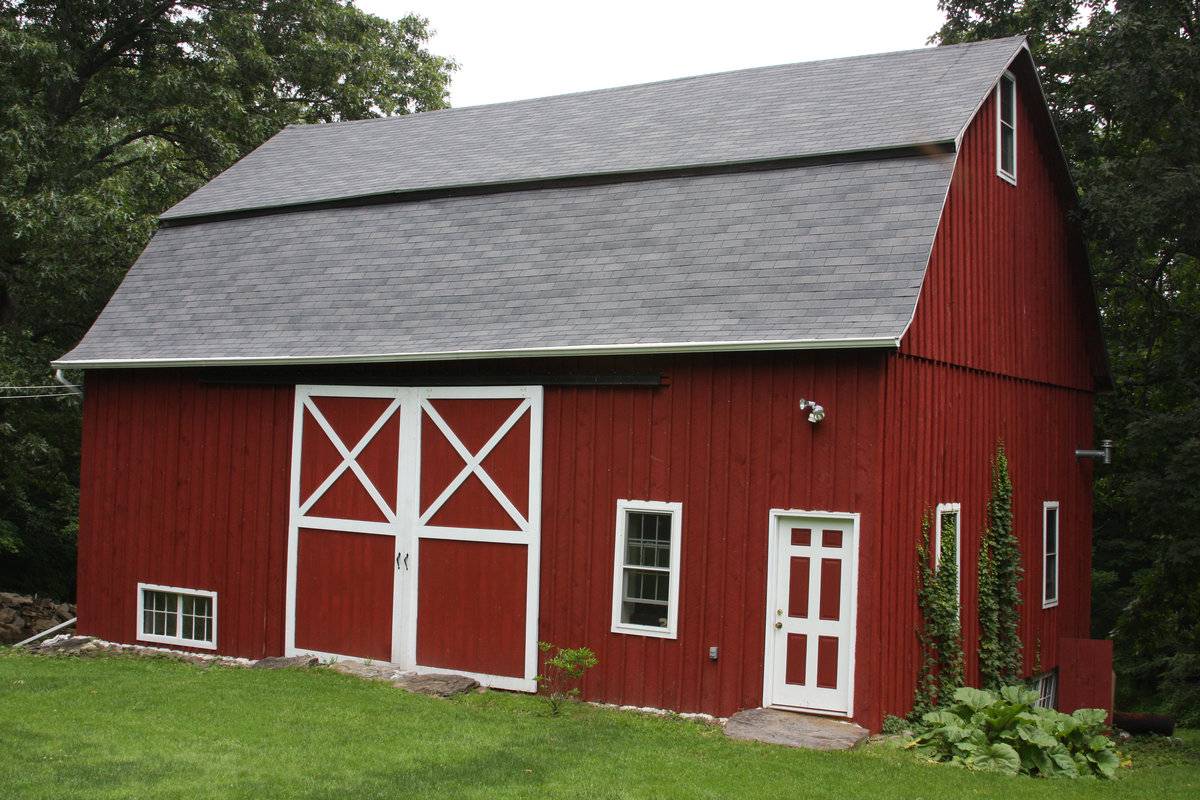
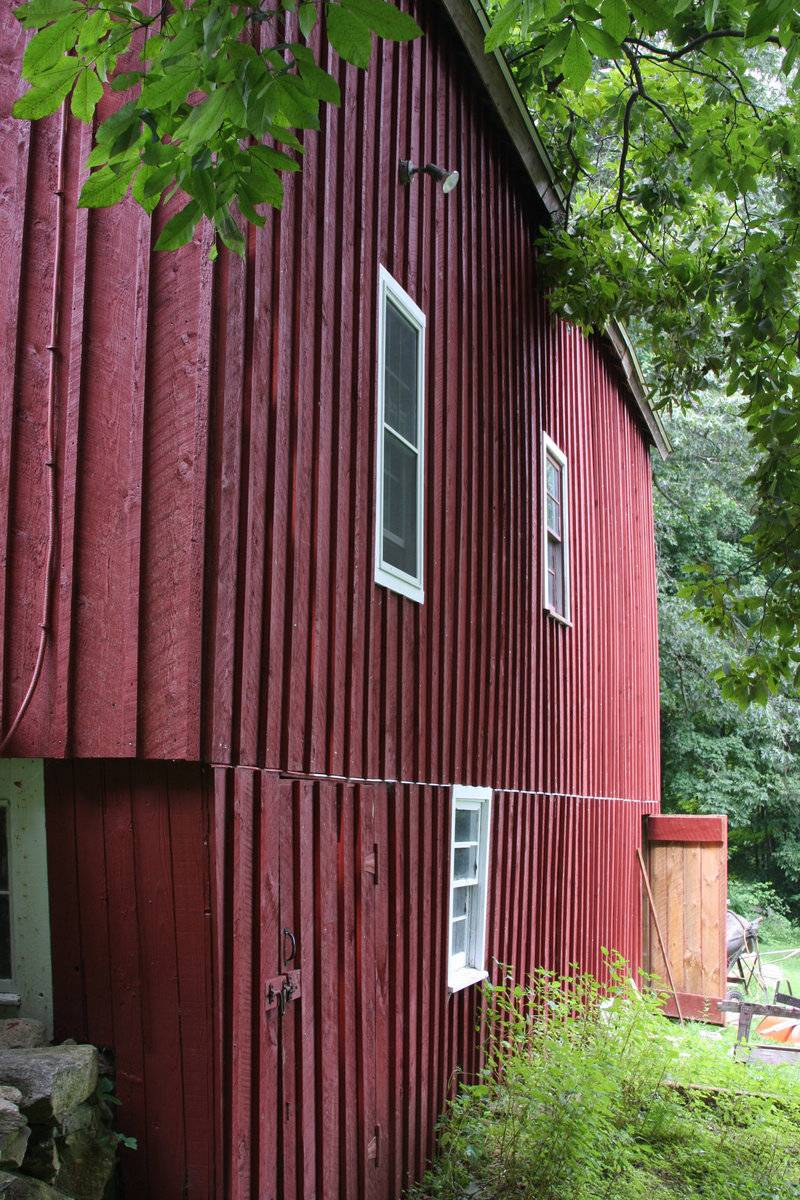
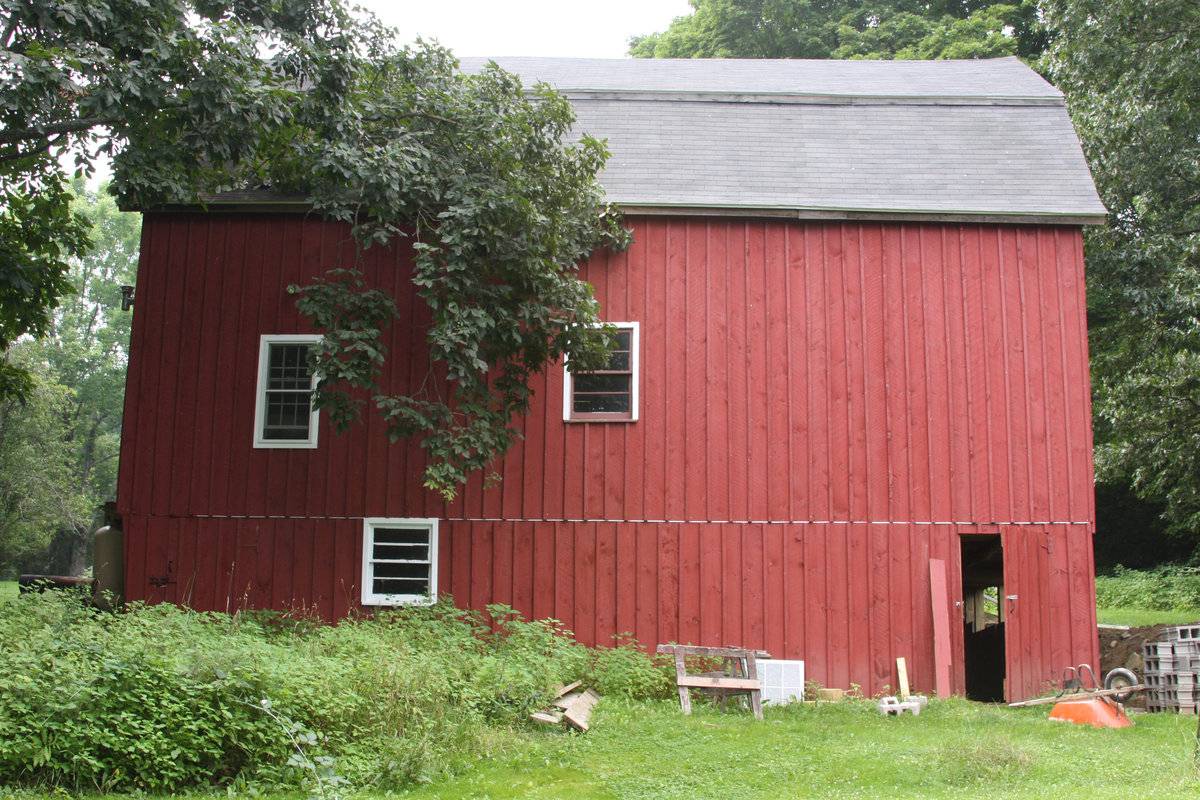
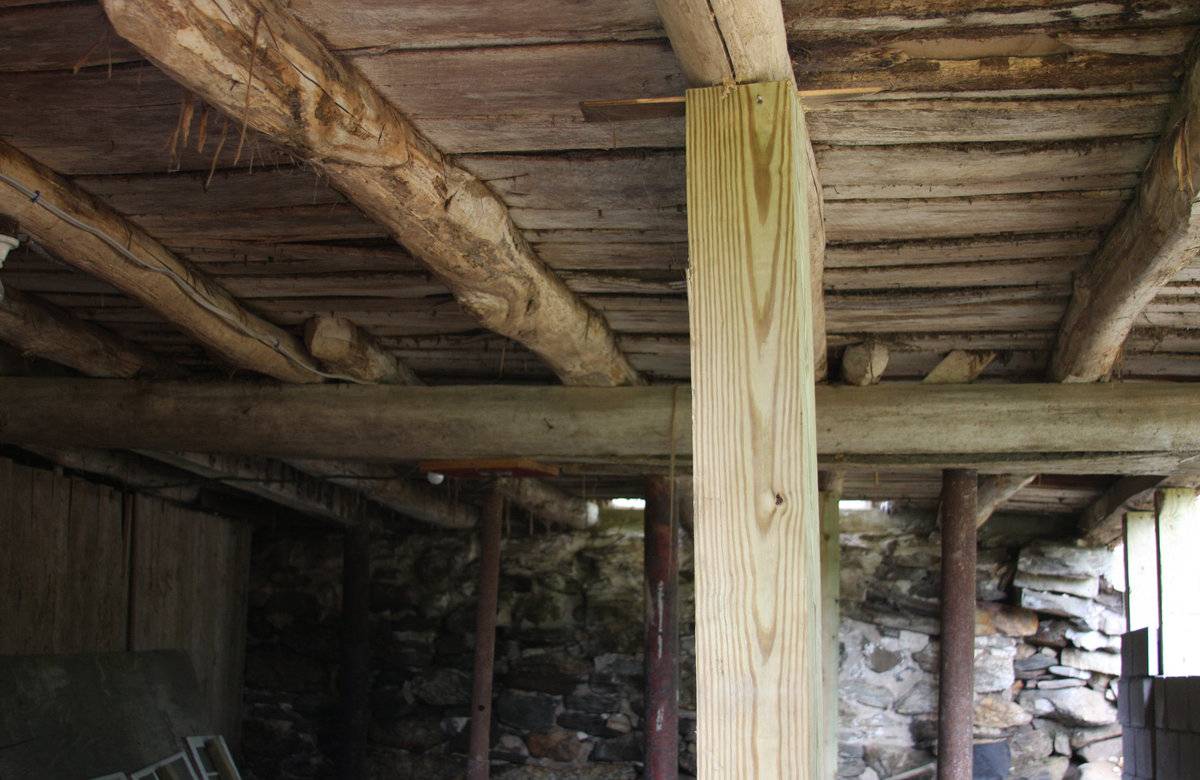
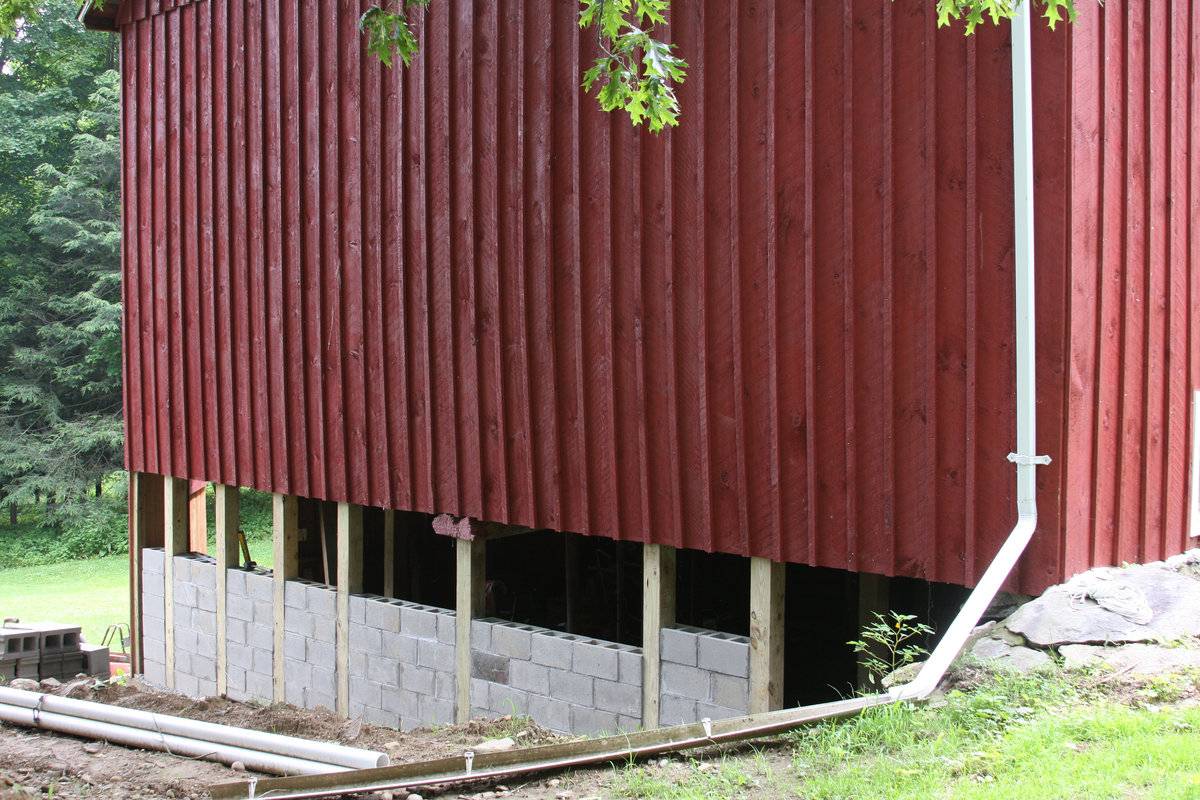
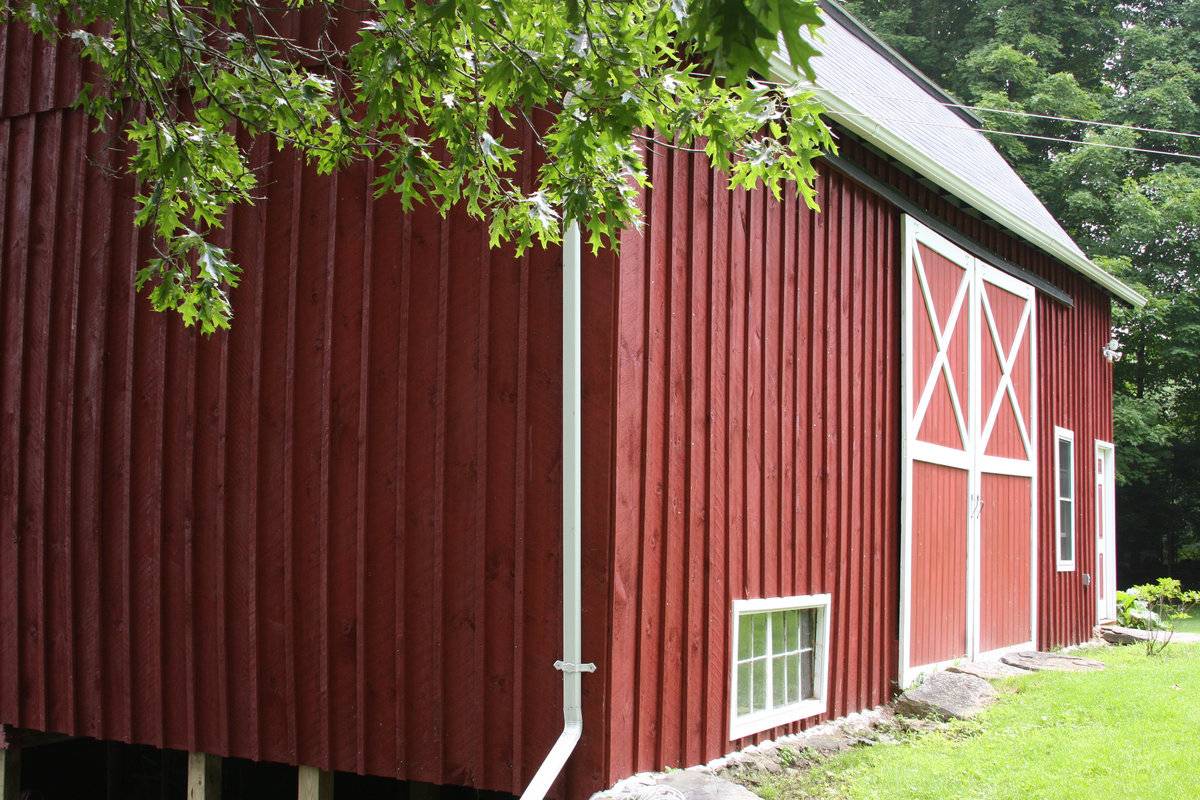
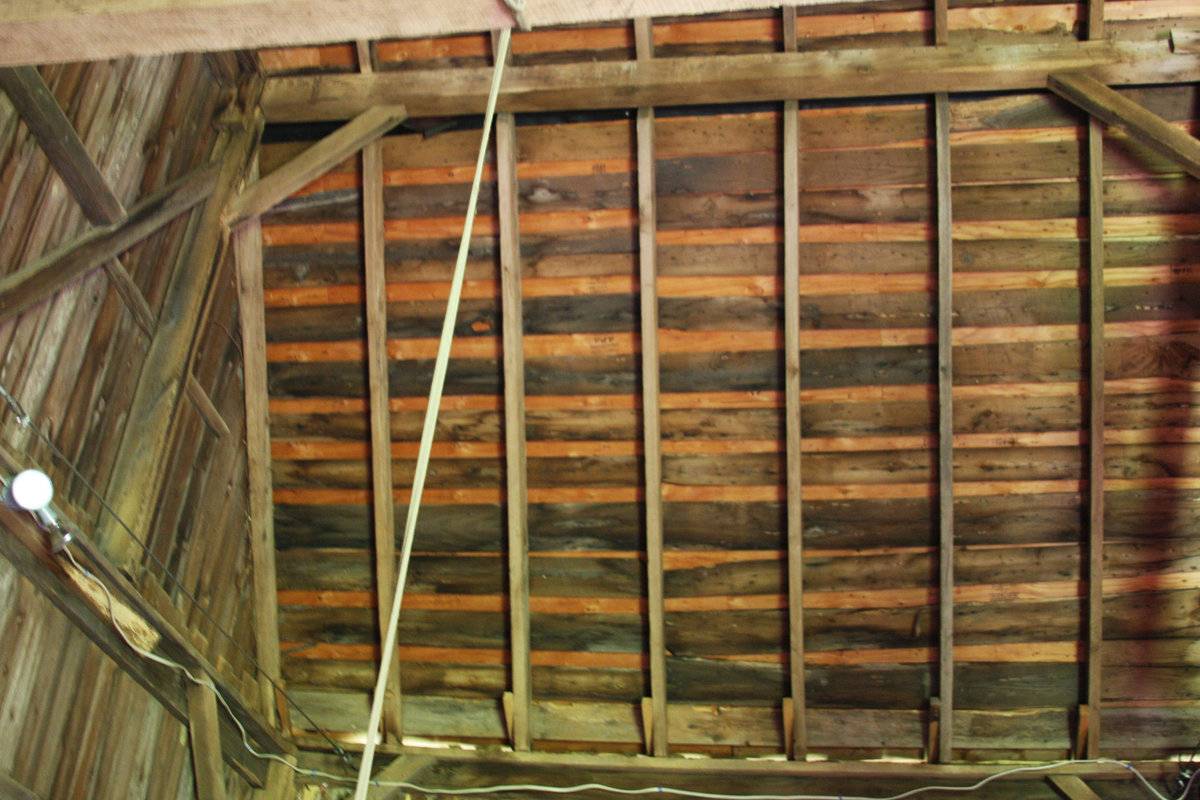
This is a 1 1/2-story eave or side entry gambrel bank barn. The main facade faces roughly west and the ridgeline of the barn is at an angle to this portion of Cooper Lane, which runs northwest-southeast. The main entry is a centered pair of double-height exterior sliding door with x-bracing. In the south bay is a six-over-six double-hung window and a pass-through door at the south corner. The north bay has a set of two six-pane windows just above grade level. The grade declines east-west at the north gable-end, revealing a basement level. The basement level on the not gable-end appears to be in a state of repair; concrete block masonry fills most of the space. The rest of the gable-end appears blank. The basement level of the east eave-side of the barn has a pass-through door at the north corner and a double-hung window towards the south corner. The main level of the east eave-side of the barn has two double-hung windows, one in the south bay and one in the middle bay. The south gable-end of the barn has a pass-through door and what appears to be hopper windows in the basement level. The grade inclines west to east back to the main grade. The main level of the south gable-end of the barn two windows, with a third just beneath the apex of the roof. The barn is sheathed in board-and-batten siding painted red with white trim. The roof has a projecting overhang and is covered with asphalt shingles.
Historical significance:English gambrel bank barns are very rare in Connecticut. The oldest barns still found in the state are called the “English Barn”, “side-entry barn”, “eave entry” or a 30 x 40. It is a simple building with a rectangular plan, pitched roof, and a door or doors located on one or both of the “eave” sides of the building based on the grain warehouses of the English colonists’ homeland. The name “30 by 40” originates from its size, which was large enough for 1 family and could service about 100 acres. The multi-purpose use of the English barn is reflected by the building’s construction in three distinct bays - one for each use. The middle bay was used for threshing, which is separating the seed from the stalk in wheat and oat by beating the stalks with a flail. The flanking bays would be for animals and hay storage.
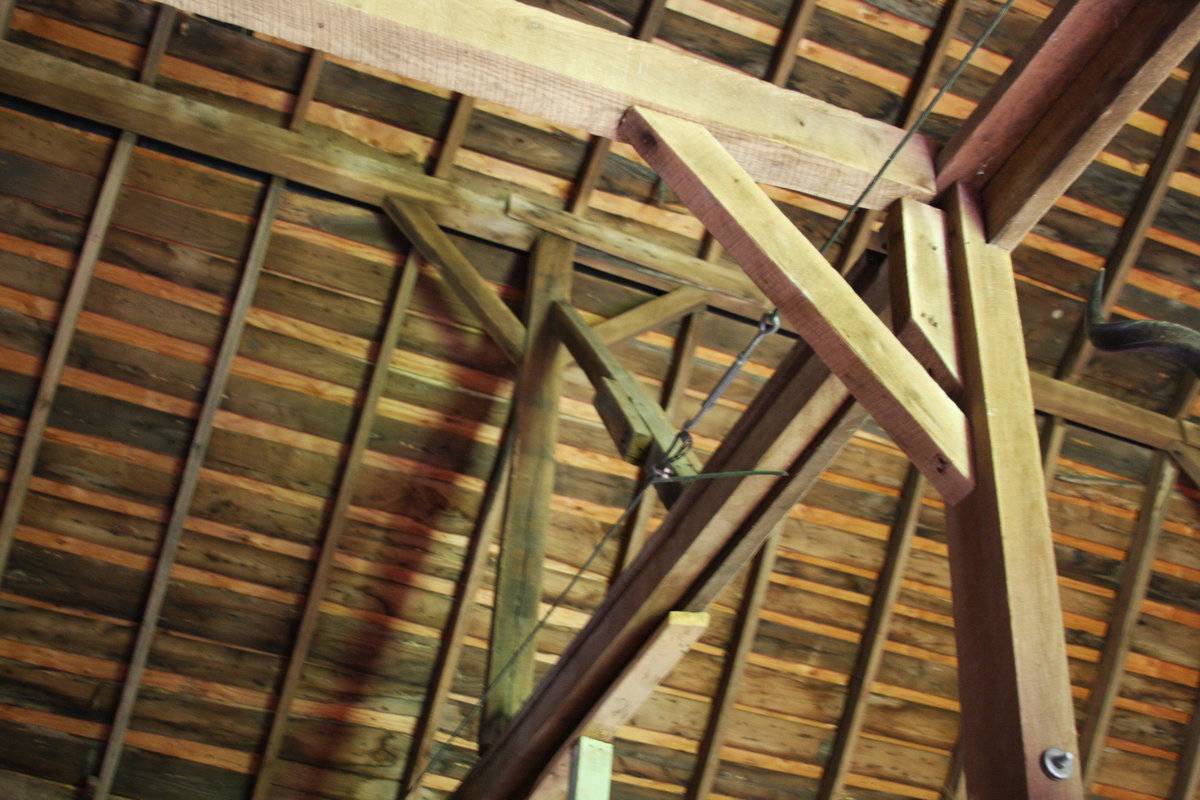
The gambrel roof design was universally accepted for ground-level stable barns as it enclosed a much greater volume than a gable roof did, and its shape could be formed with trusses that did not require cross beams, which would interfere with the movement and storage of hay. Also known as the curb roof, the double slopes of the gambrel offer more volume in the hayloft without increasing the height of the side walls.
The 19th century would see the introduction of a basement under the barn to allow for the easy collection and storage of a winter’s worth of manure from the animals sheltered within the building. The bank barn is characterized by the location of its main floor above grade, either through building on a hillside or by raising the building on a foundation. This innovation, aided by the introduction of windows for light and ventilation, would eventually be joined by the introduction of space to shelter more animals under the main floor of the barn.
Board-and-batten siding became a popular alternative to wooden shingles on barns during the mid-nineteenth century, especially after the development of the circular saw made the production of long wooden battens easier. Typically measuring about one-and-a-half to two-and-a-half inches wide and about one-and-a-quarter inches think, these battens were nailed over the gaps between the sheathing boards.
Field Notes
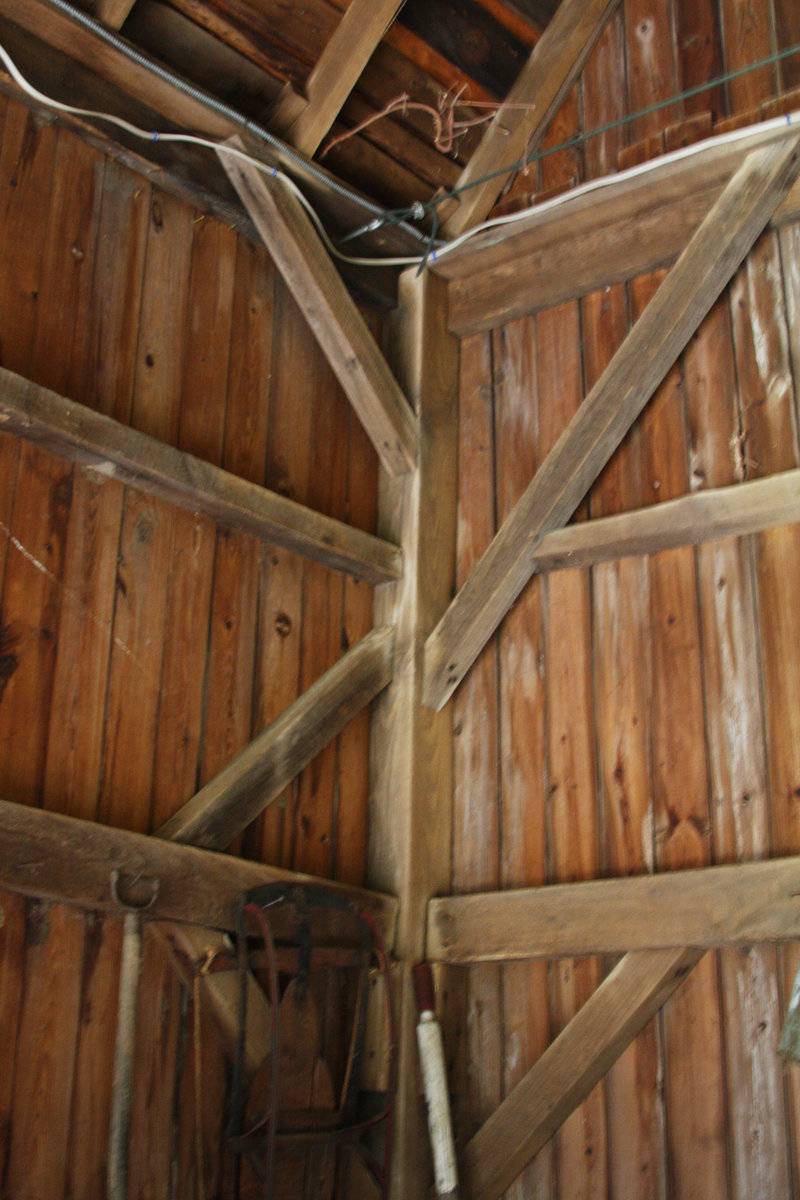
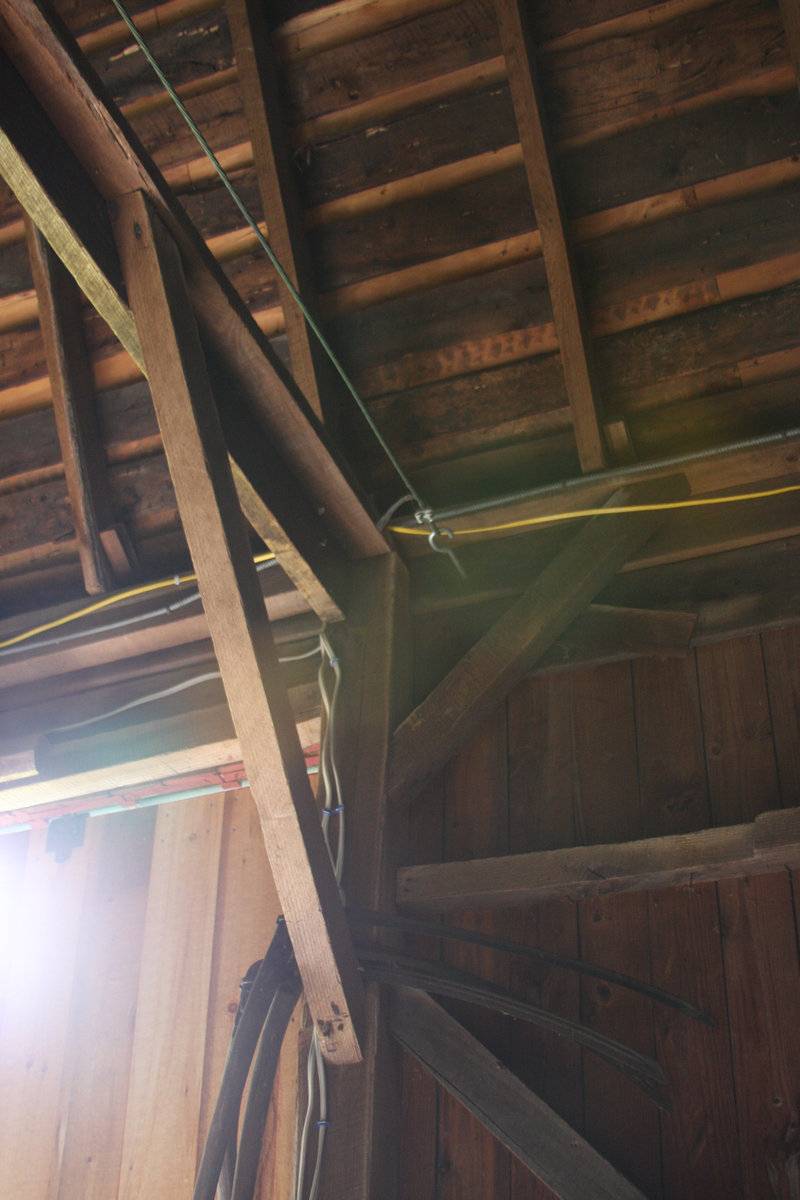
Owner interview: 1890 barn, chestnut post and beam frame, he has been repairing the foundation and restoring the barn since acquiring it in 1997. Original house burned down, so current house is 20th c. One room in the barn converted to a tv room decorated with mounted hunting trophies.
- Use & Accessibility
Use (Historic)
Use (Present)
Exterior Visible from Public Road?
Yes
Demolished
n/a
Location Integrity
Original Site
- Environment
Related features
Environment features
Relationship to surroundings
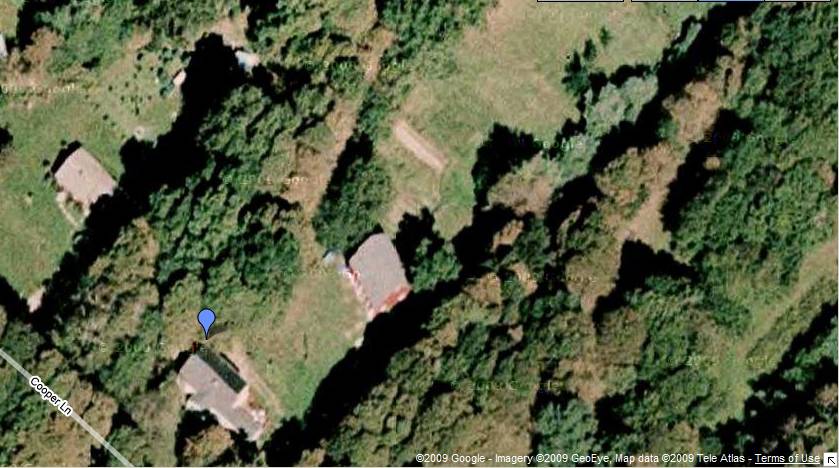
The barn is behind and to the east of the house with which it is associated. The ridgeline of the house is parallel to the ridgeline of the barn. Between the barn and the house is a grassy yard. to the northeast of the barn is a small tract of open space. A stone wall demarcates the northwest border of the site. Rows of trees demarcate to the northeast and southeast edge of the site. Further to the northeast is a tract of open space. The area surrounding the site is residential, open space and woodland.
- Typology & Materials
-
Building Typology
Materials
Structural System
Roof materials
Roof type
Approximate Dimensions
n/a
- Source
-
Date Compiled
08/17/2009
Compiled By
Todd Levine, reviewed by the Connecticut Trust
Sources
Photographs by Charlotte R. Hitchcock & Julie Rosen
Map of Coventry, CT, retrieved on July 12, 2011 from website www.bing.com/maps.
Sexton, James, PhD; Survey Narrative of the Connecticut Barn, Connecticut Trust for Historic Preservation, Hamden, CT, 2005, http://www.connecticutbarns.org/history.
Visser, Thomas D.,Field Guide to New England Barns and Farm Buildings, University Press of New England, 1997.
- PhotosClick on image to view full file
-