Barn Record Willington
RETURN TO ‘FIND BARNS’- Building Name (Common)
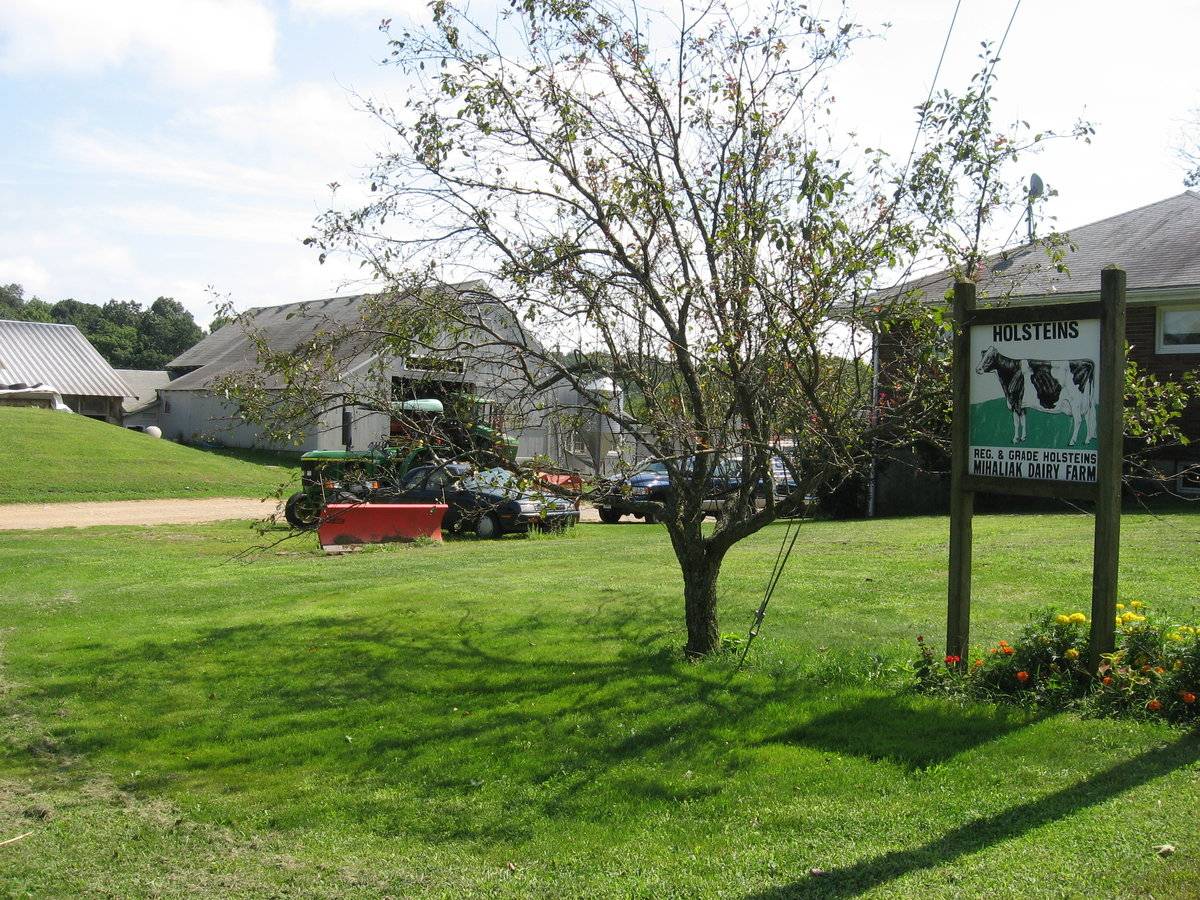
- Mihaliak Dairy Farm
- Building Name (Historic)
- Mihaliak Dairy Farm
- Address
- 154 Mihaliak Road, Willington
- Typology

- Overview
-
Designations
n/a
Historic Significance
Architectural description:
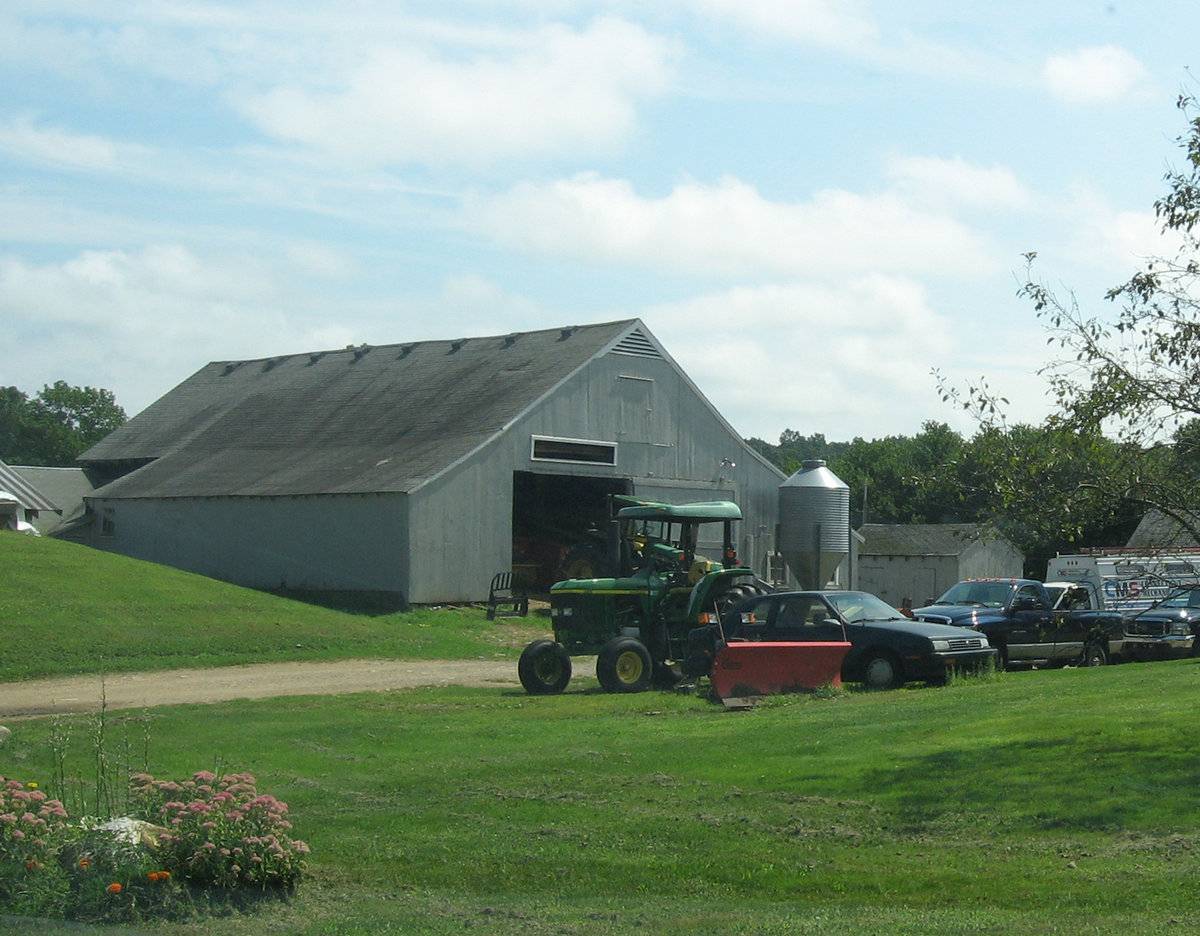
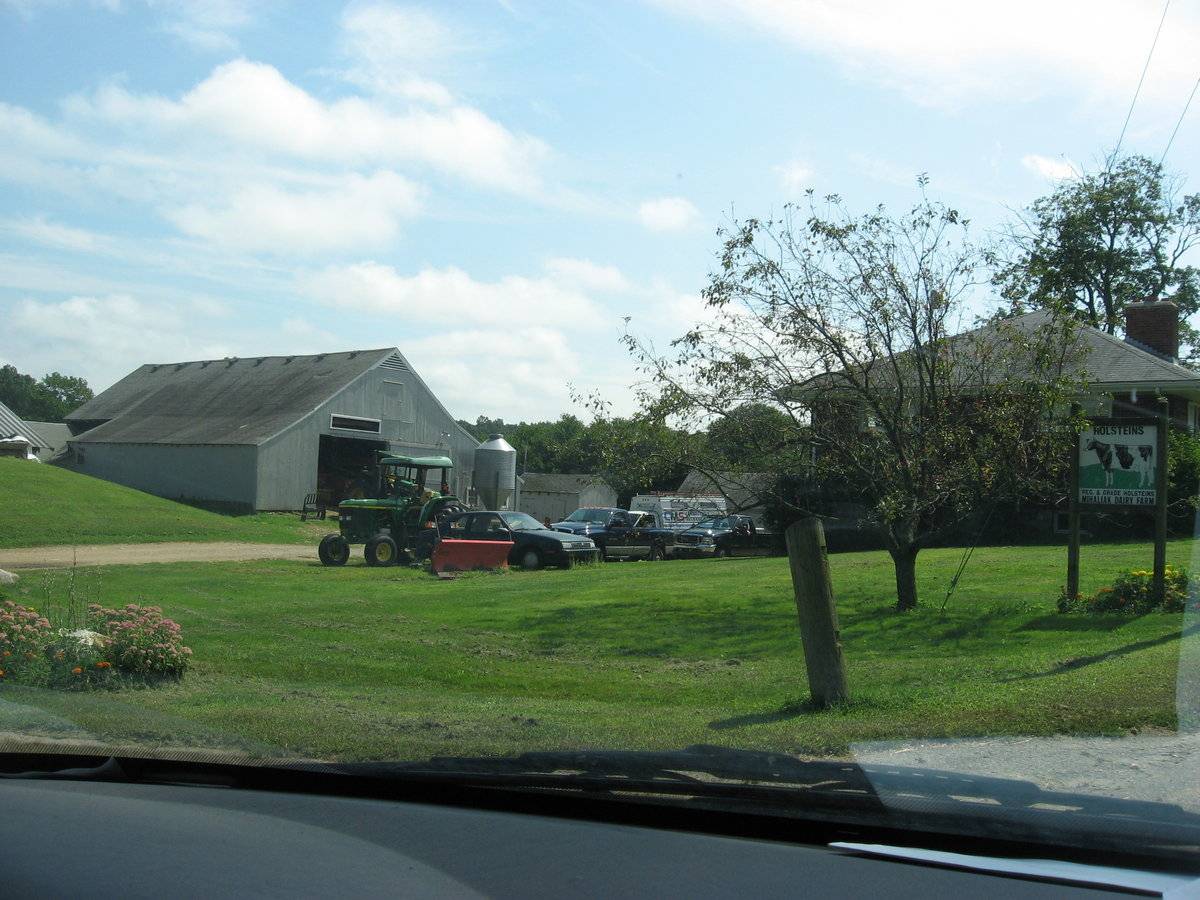
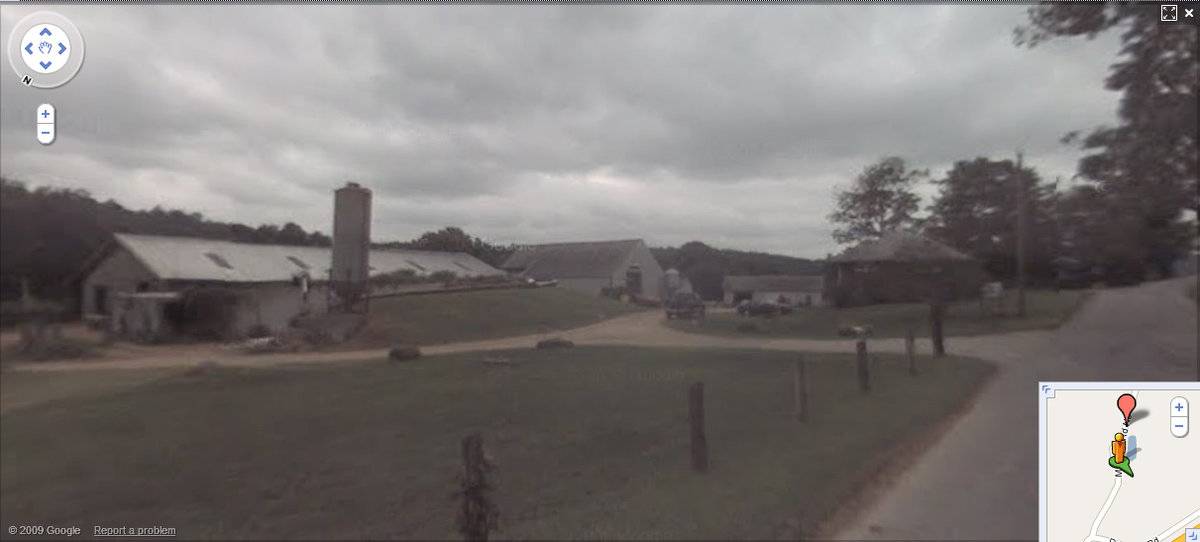
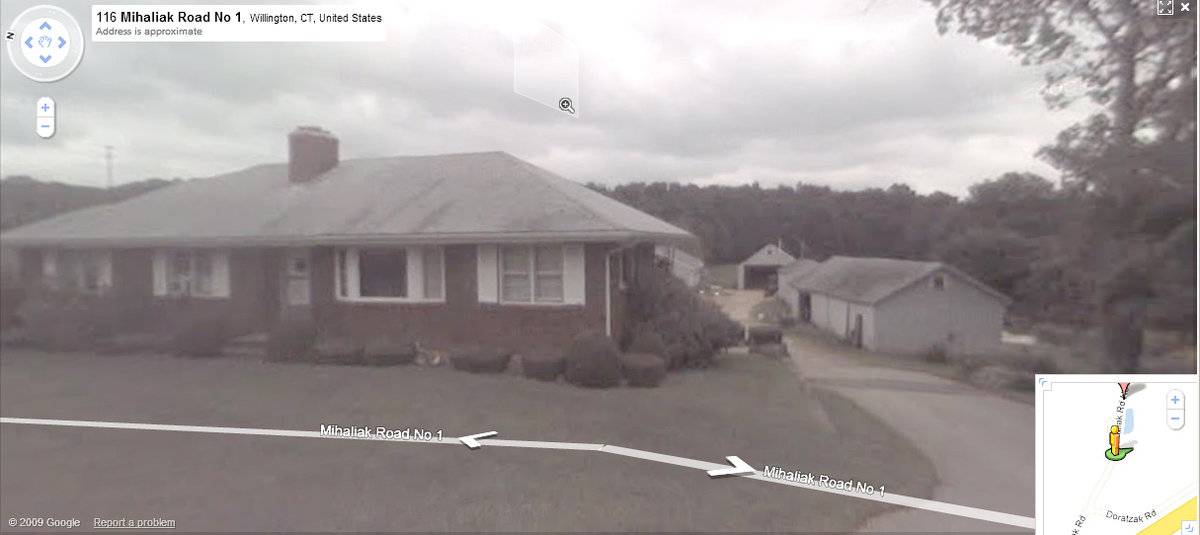
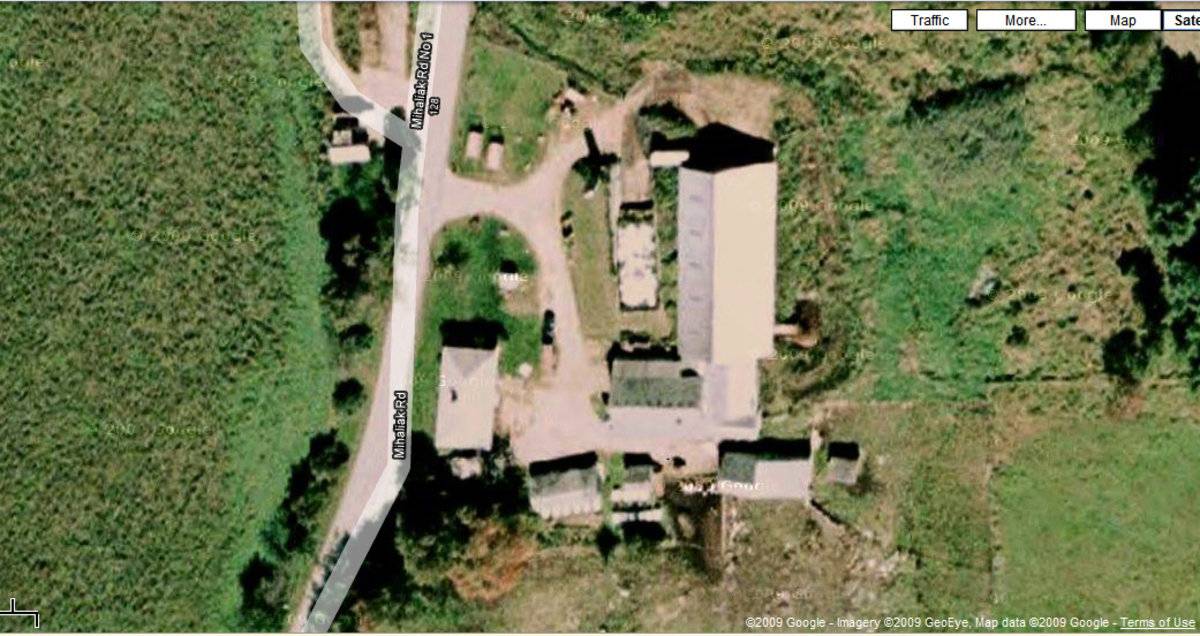
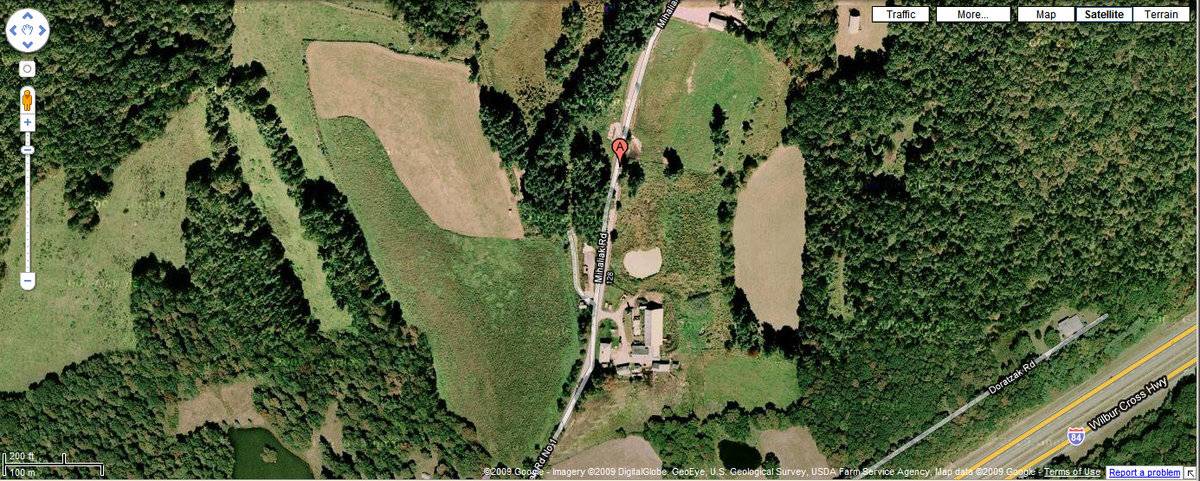
The farm consists of a complex of barns, sheds, and a house on more than 100 acres of land. The farmyard is located on the east side of the road and includes:
A. a gable-roofed barn
B. a pole barn
C. a shed, garage, metal silo or tank, and other outbuildings.Barn A is a gable-roofed barn with its ridge running east-west. A large double sliding door occupies the entire width of the west gable-end; a transom light is located above the left half of the opening. A hay door is above, and a louvered vent occupies the peak. Shed additions on both the north and south sides extend the barn. The roof is asphalt shingles with a series of eight vents located below the ridge on the north side. The siding is vertical flush-board. The barn is connected to Barn B by a gable- and shed-roofed structure at the east end.
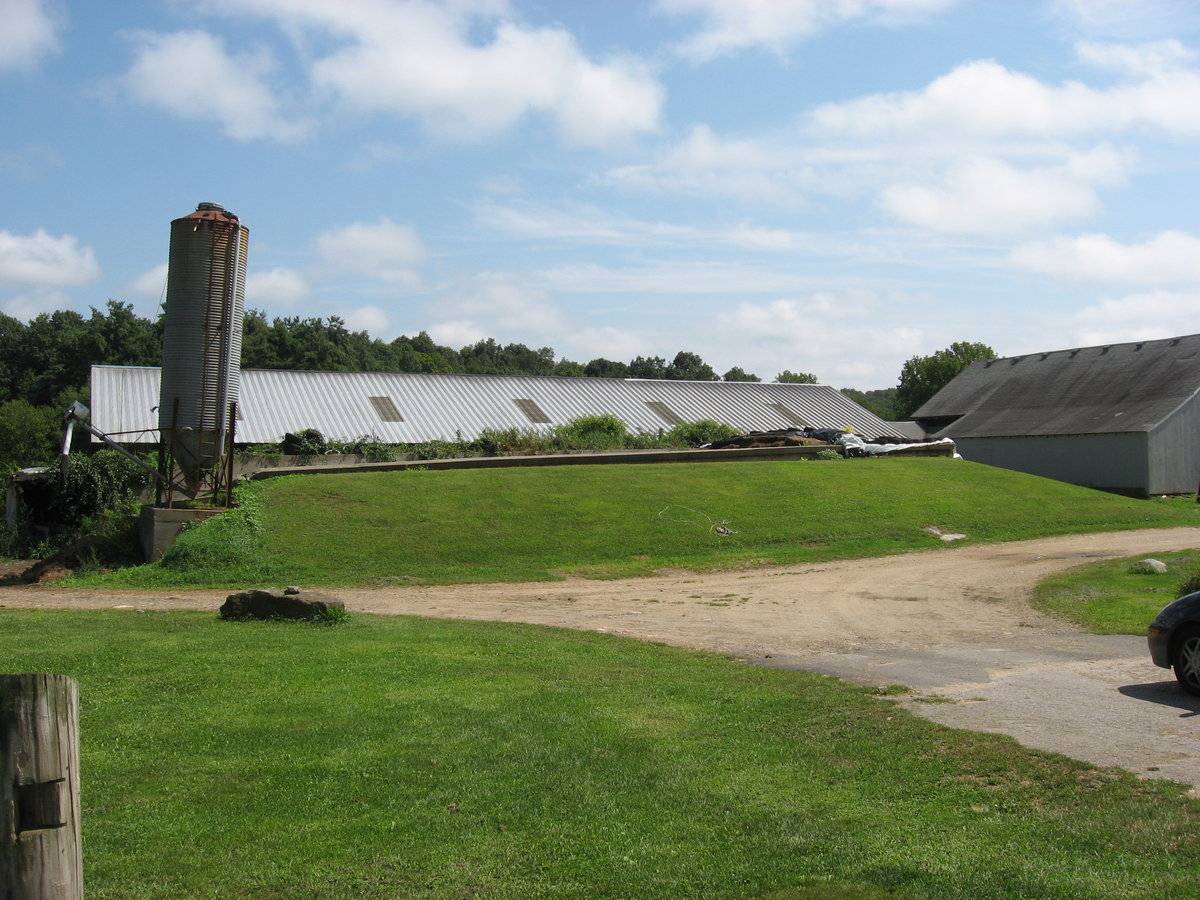
Barn B is a pole barn with its ridge line oriented north-south. It is located to the north of Barn A behind a berm concealing a concrete-lined manure pit. It has a metal roof with five skylight panels.
South of Barn A and forming the south side of a rough courtyard with the dwelling house at the west, are three or more smaller outbuildings, probably a garage and sheds, workshop, or heifer barn. East of Barn B is a round silo.
Historical significance:
The New England barn or gable front barn was the successor to the English barn and relies on a gable entry rather than an entry under the eaves. The gable front offers many practical advantages. Roofs drain off the side, rather than flooding the dooryard. With the main drive floor running parallel to the ridge, the size of the barn could be increased to accommodate larger herds by adding additional bays to the rear gable end. Although it was seen by many as an improvement over the earlier side-entry English Barn, the New England barn did not replace its predecessor but rather coexisted with it.
Pole barn: Most ground-level stable barns and free-stall dairy barns built since the 1970s have no hayloft. Instead, the roofs are supported by prefabricated wooden trusses covered with metal roofing. While most single-story truss-roofed barns in New England are constructed with concrete foundations and stud-framed walls, pole barns with open sides are becoming popular, especially for sheltering large herds of dairy cows, heifers, and beef cattle. Many of these large truss-roofed structures are free-stall barns, introduced in the late 1940s.
Field Notes
These barns were most recently in use for the Mihaliak Dairy Farm, which has recently gone out of business. Age of barns unknown.
- Use & Accessibility
- Environment
Related features
Environment features
Relationship to surroundings
Mihaliak Road is in the northern section known as the Roaring Brook District. Historically focused on Roaring Brook and the old Boston Turnpike route; now located just to the north of I-84 near the Stafford-Willington town line.
- Typology & Materials
-
Building Typology
Materials
Structural System
Roof materials
Roof type
Approximate Dimensions
n/a
- Source
-
Date Compiled
12/28/2009
Compiled By
Charlotte Hitchcock, reviewed by CT Trust
Sources
Photographs by Melodi Lacy 09/18/2009
Town of Willington Assessor’s Record Map/Lot: 50/006-00.
Demers, Ronald F., Modernization in a New England Town: A History of Willington, Connecticut, Willington Historical Society, 1983, W. Willington CT, 431 pp.
Sexton, James, PhD, Survey Narrative of the Connecticut Barn, Connecticut Trust for Historic Preservation, Hamden, CT, 2005, http://www.connecticutbarns.org/history.
Visser, Thomas D., Field Guide to New England Barns and Farm Buildings, University Press of New England, 1997.
Willington Common National Register Historic District Nomination, #90001911, 12/18/1990, Cunningham Associates, Ltd., Middletown CT.
Willington Historical Society website - South Willington district: http://www.geocities.com/willingtoncthistory/mapnarrative.htm
Willington Plan of Conservation and Development, Appendix 6, Listing of Historic Structures or Sites, 2006.
- PhotosClick on image to view full file
-