Barn Record Ledyard
RETURN TO ‘FIND BARNS’- Building Name (Common)
- Greathearth Barn
- Building Name (Historic)
- Daniel Copp Homestead Barn
- Address
- 64 Hurlbutt Road, Ledyard
- Typology
- Overview
-
Designations
Historic Significance
Architectural description:
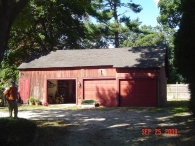
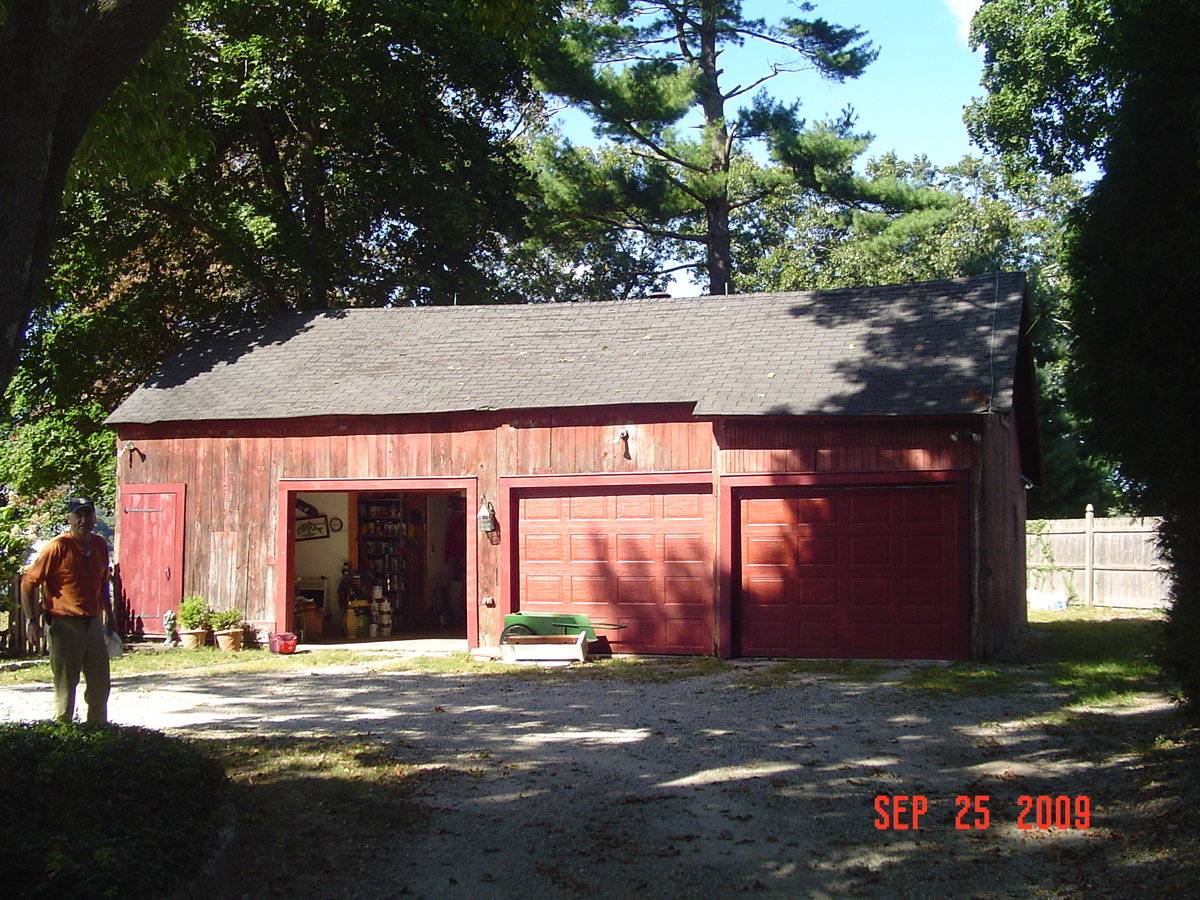
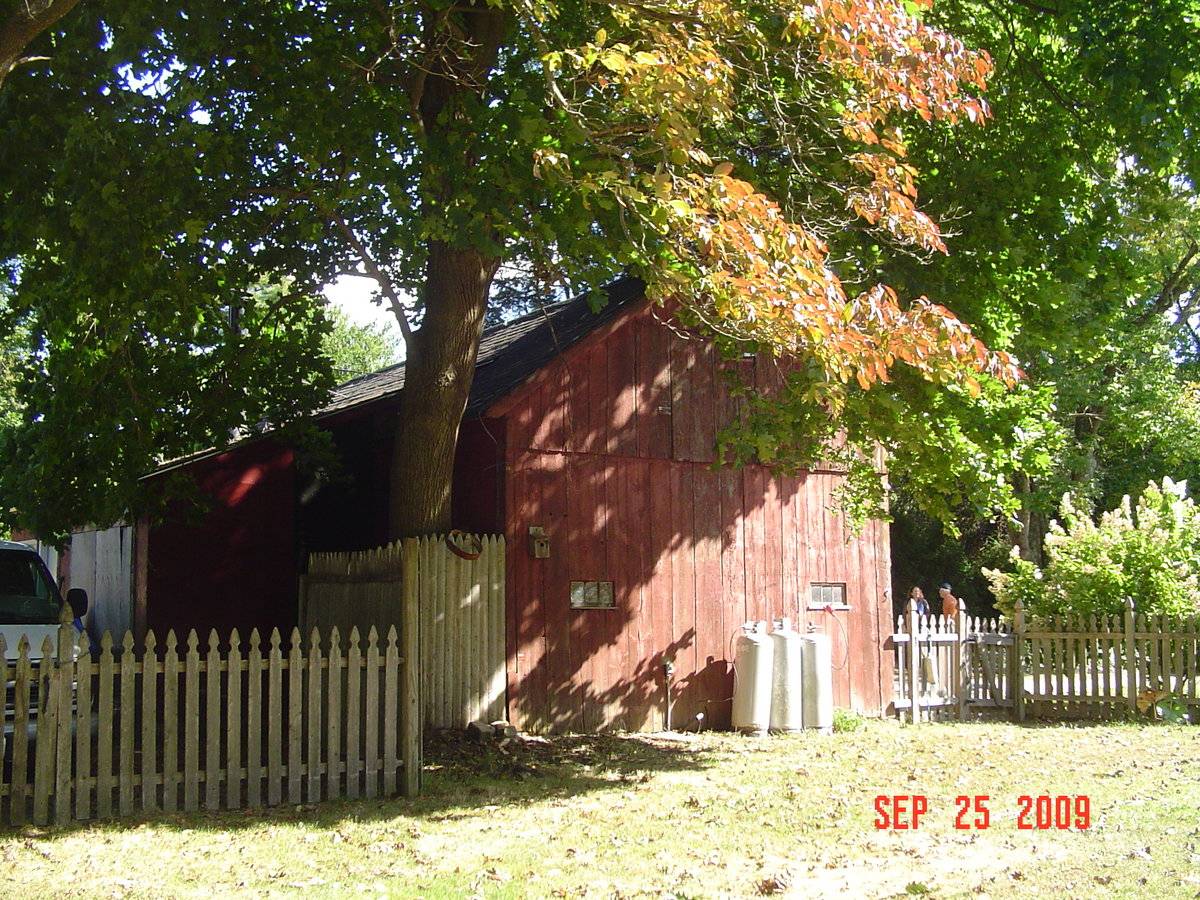
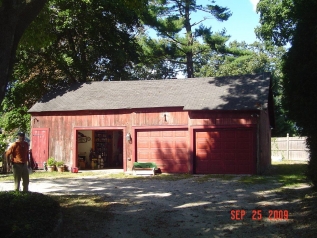
This is a one-story gable-roofed structure with its ridge line oriented east-west. The 4-bay south eave-side facade has three door openings with overhead garage doors in the central and eastern bays, and a pass-through door in the western-most bay. The easternmost bay facade is projected forward slightly.
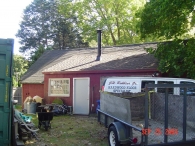
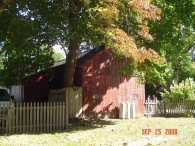
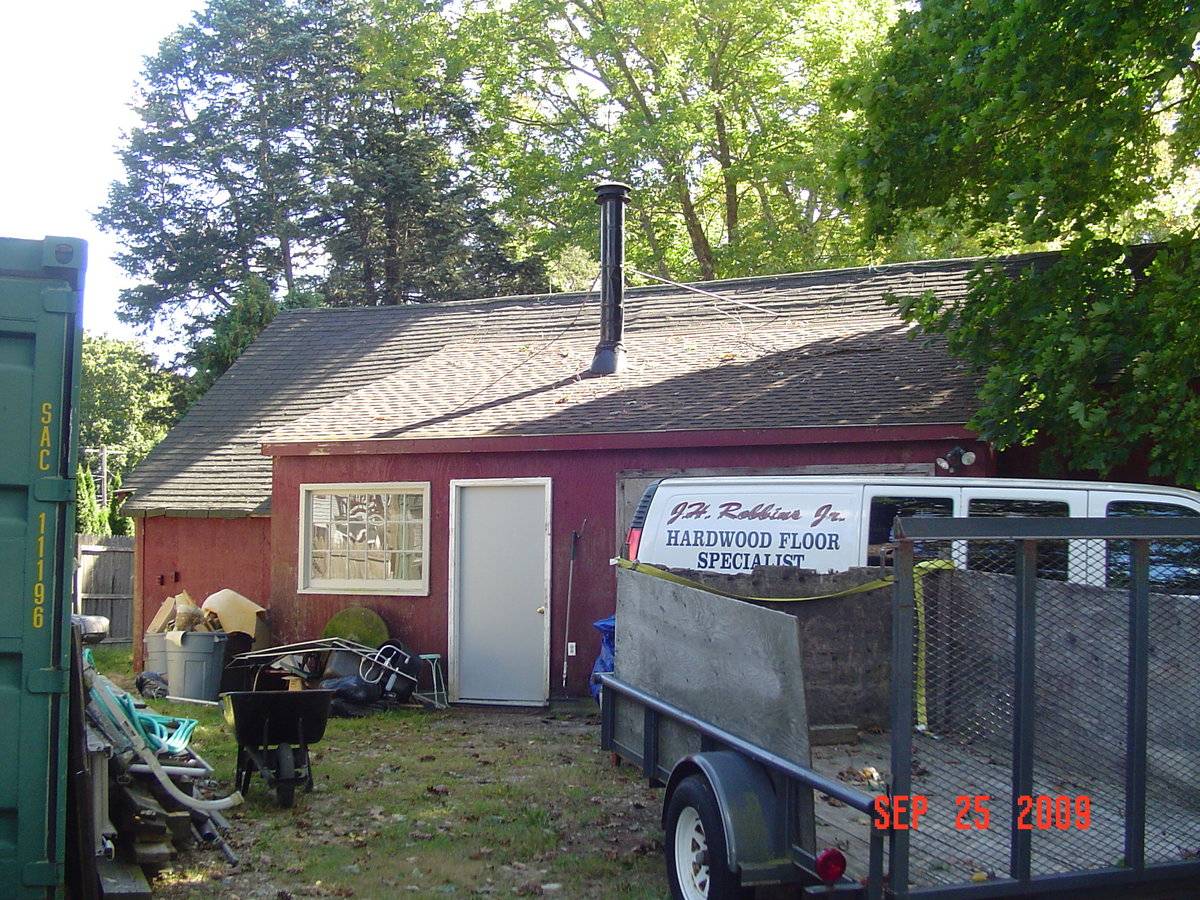
The east gable-end facade has two small three-pane stable windows near the outer corners. The north eave-side facade has a shed addition across the central portion of the facade; The addition has from east to west, an 18-pane picture window, a modern pass-through door, and a larger door opening.
Roofing is asphalt shingles, siding is vertical flush boards painted red, and there is a metal chimney out of the shed portion of the roof.Historical significance:
Distinguished by the long shed or gable roof and the row of large openings along the eave side, the typical wagon shed was often built as a separate structure or as a wing connected to the farmhouse or the barn. These open-bay structures protect farm vehicles and equipment from the weather and provide shelter for doing small repairs and maintenance.Known as the shop, workshop, carpentry shop, tool shed, blacksmith shop, or machine shop, these small, well-lighted buildings provide a heated space for making and repairing furnishings, tools, and equipment, as well as for earning outside income through various trades. Typically 1 1/2 stories with a gabled front, and easily accessible doorway, and windows all around, most shops have a chimney for venting a cast iron rood or coal stove.
Although identified as a possible carriage house, this building has the appearance of the typical wagon shed, but may also have functioned historically as a workshop, much as it does currently.
Field Notes
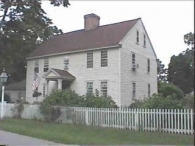
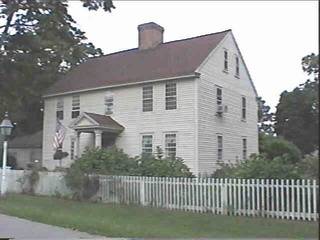
Carriage barn. Vertical red wood siding. There were originally double doors in front, replaced with contemporary garage doors. Addition found on back of barn (north side). Owner thinks barn is older than the historic house which is on the National Register. The barn is a contributing resource in the Gales Ferry National Register Historic District No. 1.
- Use & Accessibility
Use (Historic)
Use (Present)
Exterior Visible from Public Road?
Yes
Demolished
n/a
Location Integrity
Unknown
- Environment
Related features
Environment features
Relationship to surroundings
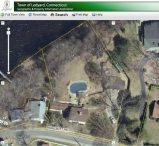
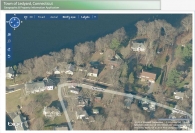
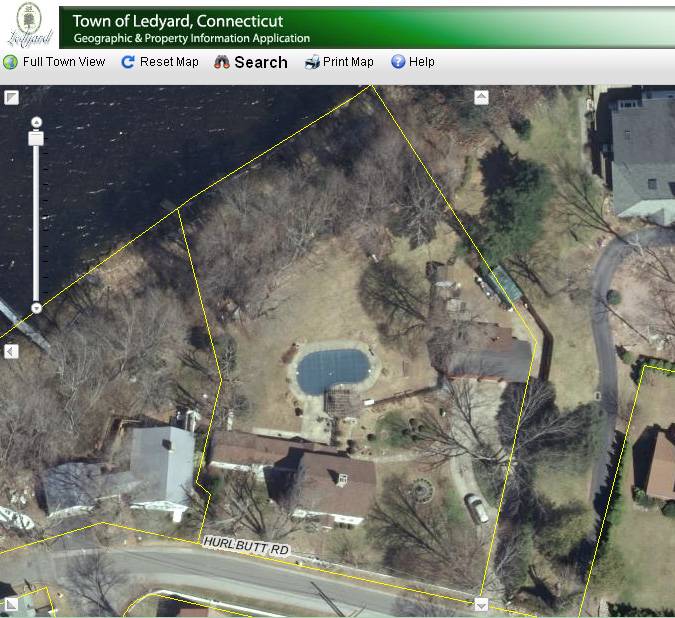
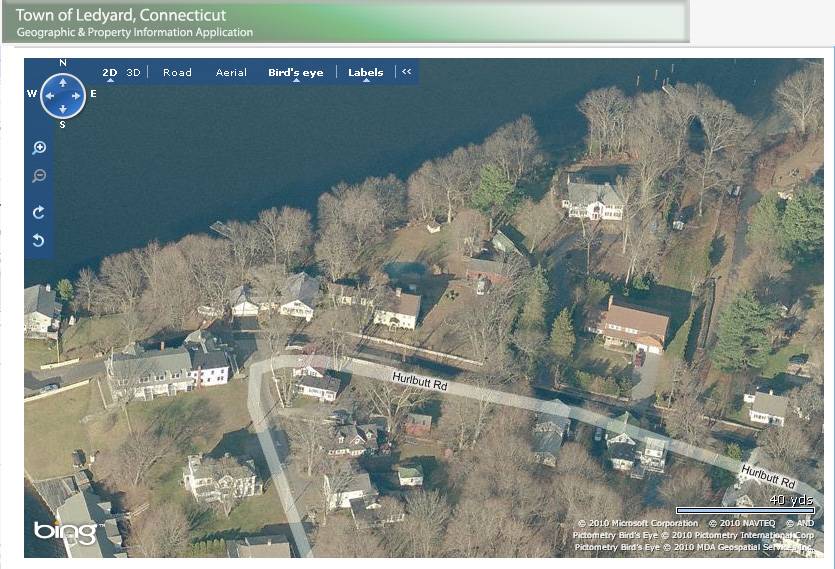
The village of Gales Ferry is on the western edge of Ledyard on the Thames River where an 18th-century ferry route established the core of the settlement. The district consists of 19th-century buildings associated with the ferry, wharves, and seafaring commerce, summer residences built following the arrival of a railroad line from the coast, and civic buildings serving the village. This building on the north side of Hurlbutt Road has its rear yard on the shore of the Thames River.
- Typology & Materials
-
Building Typology
Materials
Structural System
Roof materials
Roof type
Approximate Dimensions
26 feet x 42 feet
- Source
-
Date Compiled
06/15/2010
Compiled By
Charlotte Hitchcock, reviewed by CT Trust
Sources
Field notes and photographs by Anne T. Roberts-Pierson 12/07/2009
Town of Ledyard Assessor’s Record Map/Lot 75-1050-64 (26 x 42 feet).
Cunningham, Jan, A Historic and Architectural Resource Survey of the Town of Ledyard, Ledyard Historic District Commission, 1992.
Cunningham, Jan, Gales Ferry Historic District No. 1 National Register Historic District Nomination No. 92001639, National Park Service, 1992.
Ransom, David, Gales Ferry Historic District No. 2 National Register Historic District Nomination No. 02000865, National Park Service, 2002.
Foster, Kit, Ledyard Town Historian, history of Ledyard
http://www.town.ledyard.ct.us/index.aspx?NID=279
http://www.town.ledyard.ct.us/index.aspx?NID=280
http://www.town.ledyard.ct.us/index.aspx?NID=281
Sexton, James, PhD, Survey Narrative of the Connecticut Barn, Connecticut Trust for Historic Preservation, Hamden, CT, 2005, http://www.connecticutbarns.org/history.
Visser, Thomas D., Field Guide to New England Barns and Farm Buildings, University Press of New England, 1997. - PhotosClick on image to view full file
-