Barn Record Ledyard
RETURN TO ‘FIND BARNS’- Building Name (Common)
- David Geer House
- Building Name (Historic)
- David Geer House
- Address
- 6 Rose Hill Road, Ledyard
- Typology

- Overview
-
Designations
Historic Significance
Architectural description:
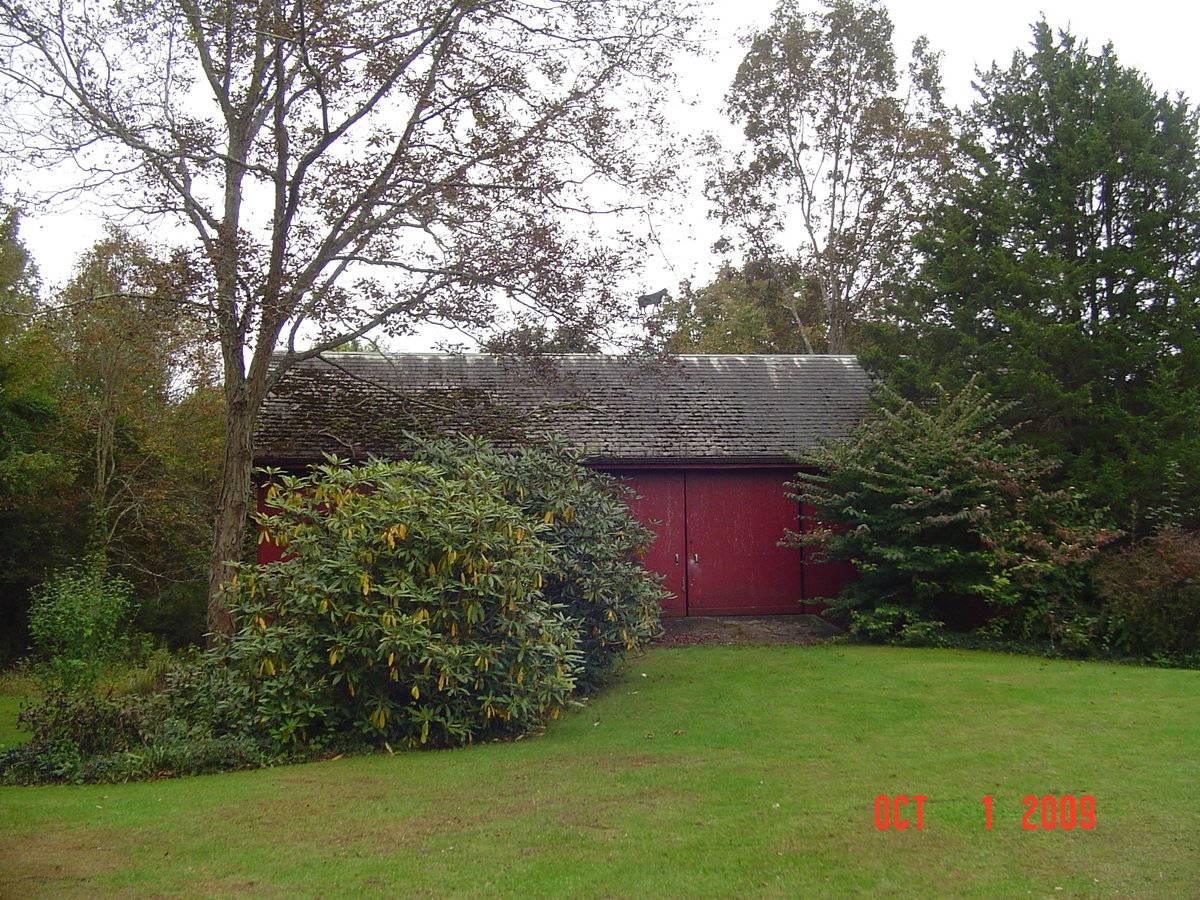
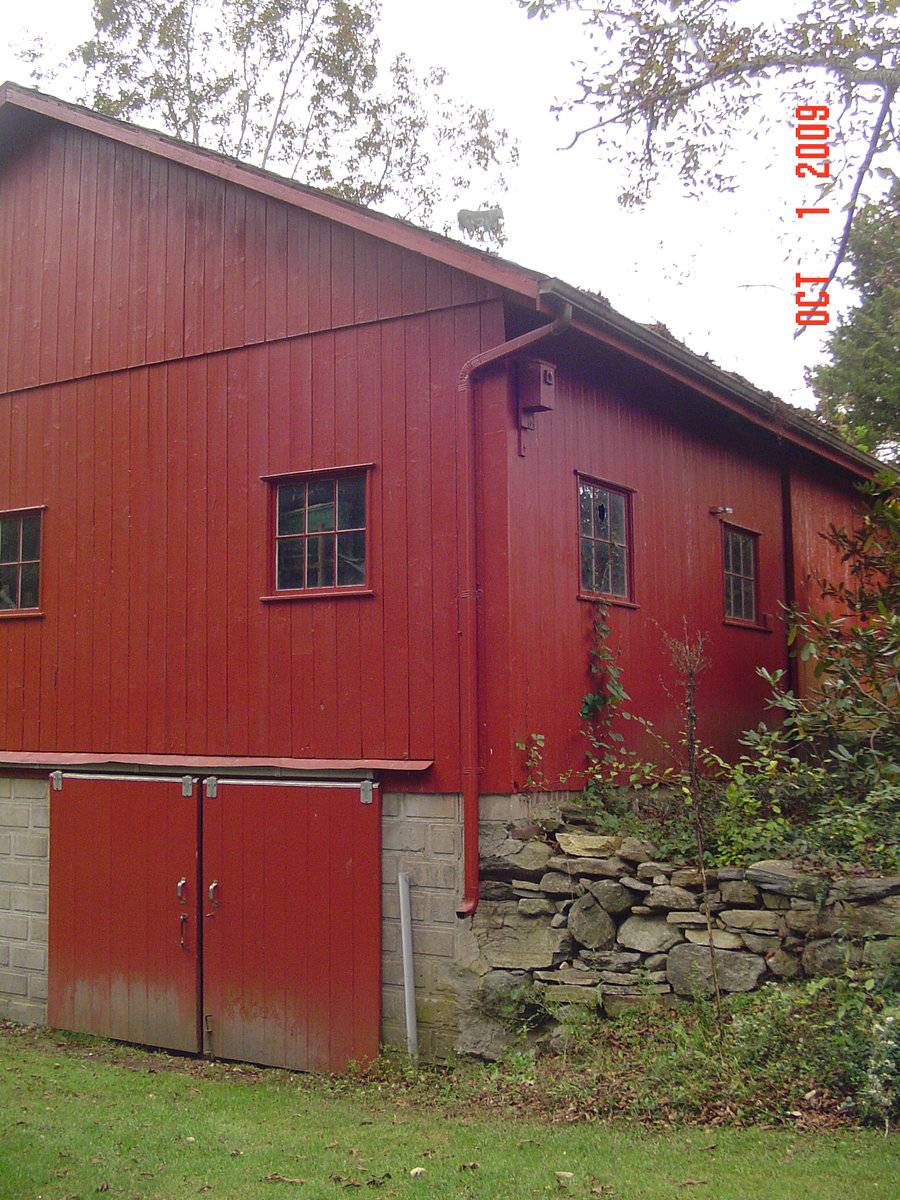
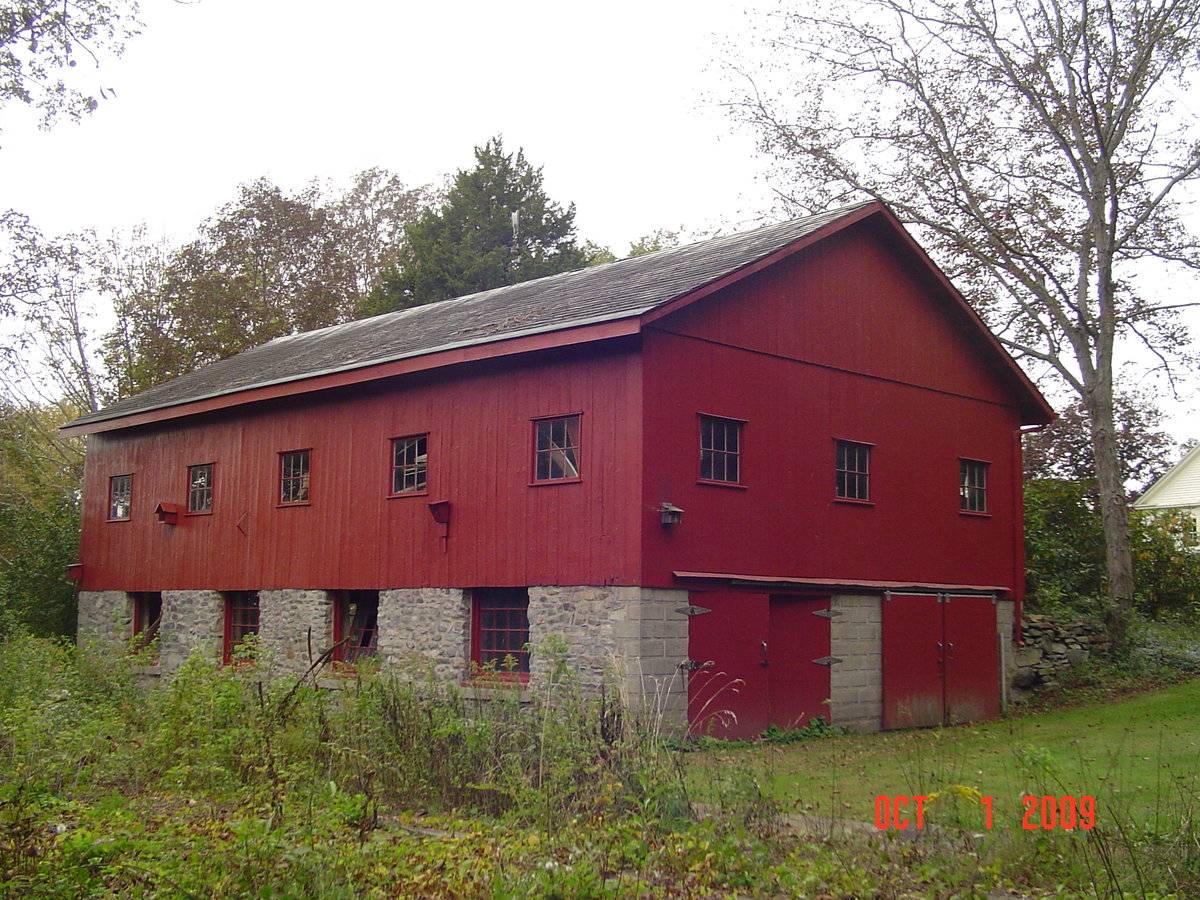
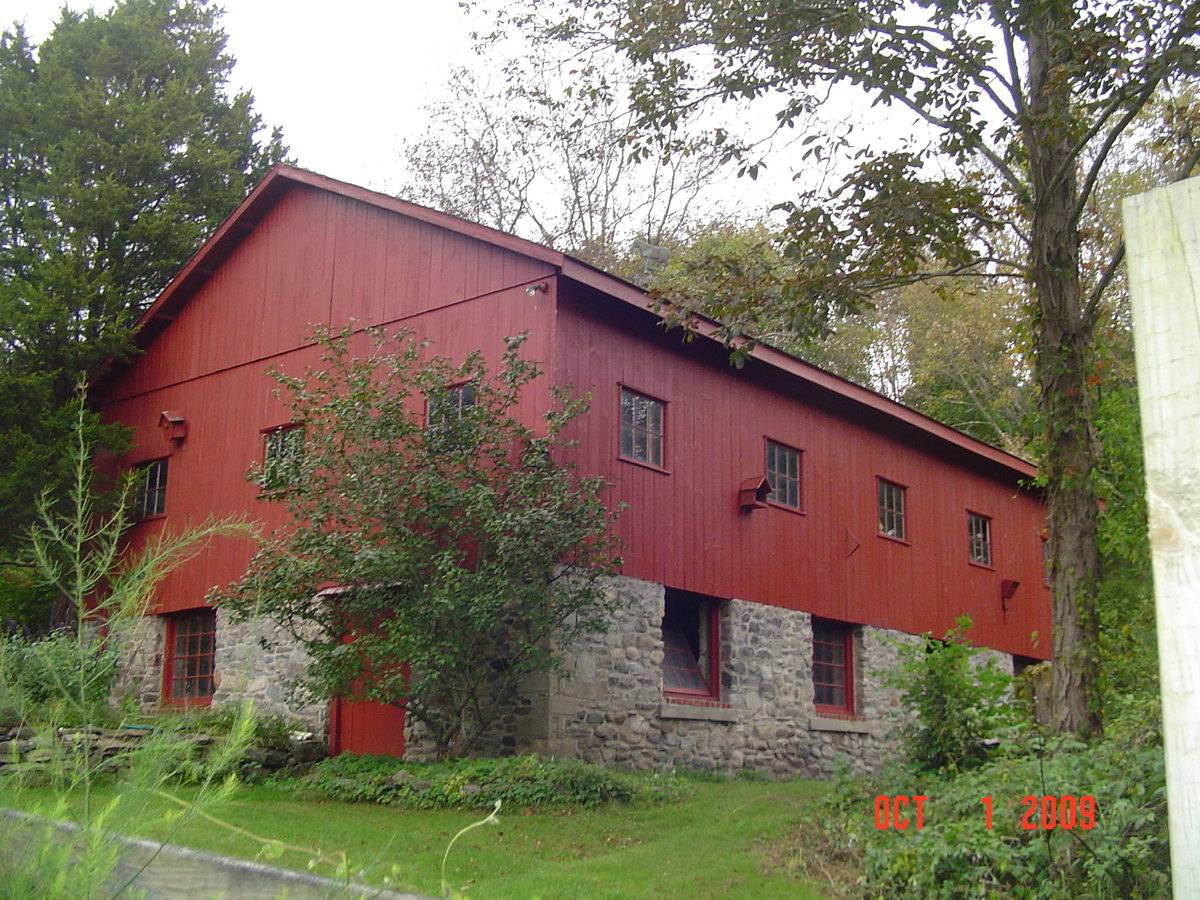
This is a one-story gable-roofed structure with its ridge line oriented east-west and its primary grade-level entrance in the north eave-side façade. A full basement opens to a lower grade level on the other three sides. Un-mortared fieldstone retaining walls aligned with the east and west facades form a level grade adjacent to the north facade. The basement walls consist of mortared cobblestone masonry walls on the west and south sides and a concrete block masonry wall at the east side, comprised of blocks molded to resemble ashlar masonry. The southwest corner incorporates quoins of the same block masonry.
The basement walls have large (approximately 4 feet x 5 feet) window openings with cast stone sills. In the west facade a 16-pane hopper window is at the left (north) and a door to the right. In the south facade there are four 16-pane hopper windows, and in the east facade two pairs of doors which appear not original.
The main level has in the north entry facade, a pair of sliding barn doors off center toward the right (west), the full height of the eave-side wall. The west facade has three 6-pane windows larger than typical stable windows; the south facade has five of the same, and the east facade has three. The gable-ends have no openings in the attic level.
The roof pitch is a lower slope than typical agricultural barns. Siding is vertical boards painted red, and roofing is asphalt shingles with a metal course at the eaves.Historical significance:
The oldest barns still found in the state are called the “English Barn,” “side-entry barn,” “eave entry,” or a 30 x 40. They are simple buildings with rectangular plan, pitched gable roof, and a door or doors located on one or both of the eave sides of the building based on the grain warehouses of the English colonists’ homeland. The name “30 by 40” originates from its size (in feet), which was large enough for 1 family and could service about 100 acres. The multi-purpose use of the English barn is reflected by the building’s construction in three distinct bays - one for each use. The middle bay was used for threshing, which is separating the seed from the stalk in wheat and oat by beating the stalks with a flail. The flanking bays would be for animals and hay storage.
The 19th century saw the introduction of a basement under the barn to allow for the easy collection and storage of a winter’s worth of manure from the animals sheltered within the building. The bank barn is characterized by the location of its main floor above grade, either through building into a hillside or by raising the building on a foundation. This innovation, aided by the introduction of windows for light and ventilation, would eventually be joined by the introduction of space to shelter more animals under the main floor of the barn.Proportions, window styles, and masonry detailing with concrete block suggest an early 20th century period of construction for this barn.
Field Notes
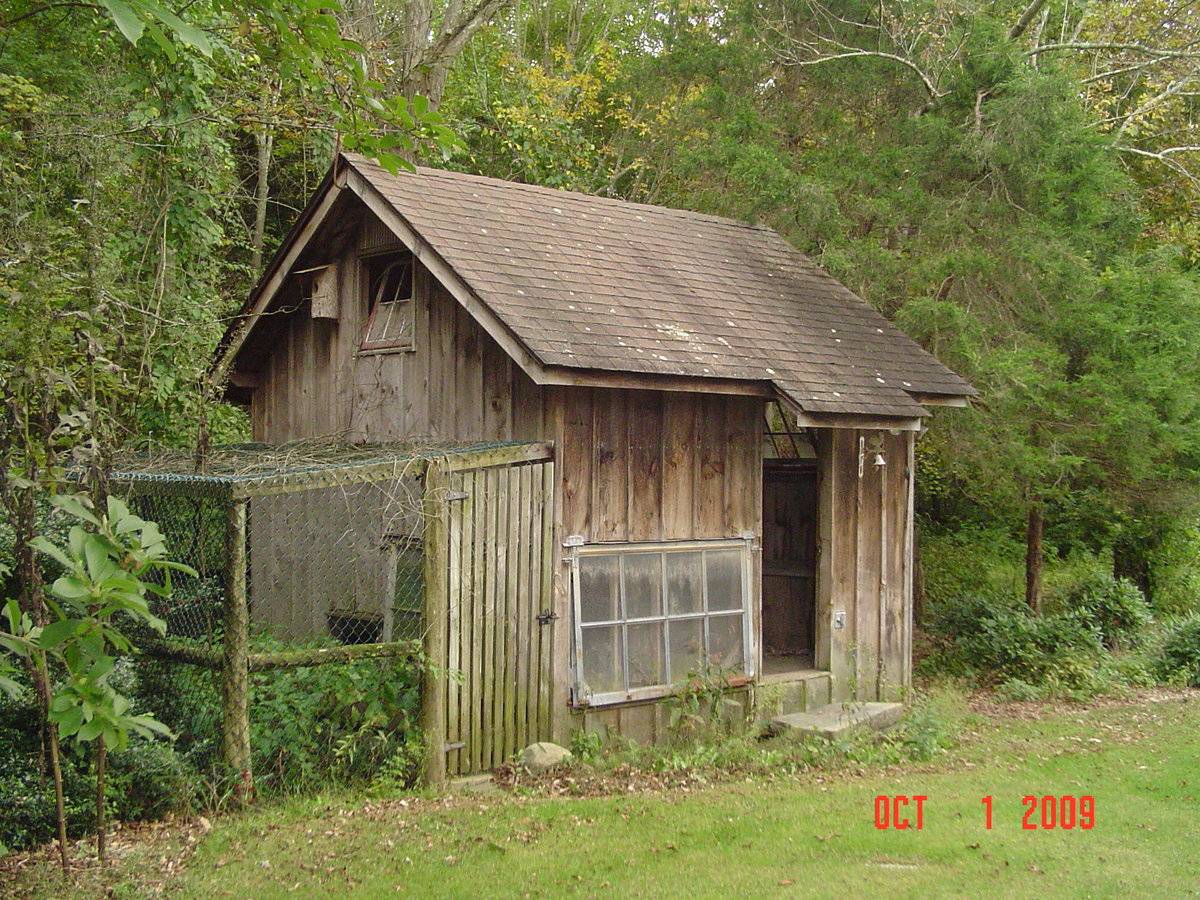
Two barns on site. Owner thinks larger bank barn is younger than the historic 1785 house as it is near a seemingly older foundation from an earlier barn. This barn was used at one time for livestock. Stone and concrete foundation. Smaller barn most likely used for poultry.
- Use & Accessibility
Use (Historic)
Use (Present)
Exterior Visible from Public Road?
Yes
Demolished
n/a
Location Integrity
Unknown
- Environment
Related features
Environment features
Relationship to surroundings
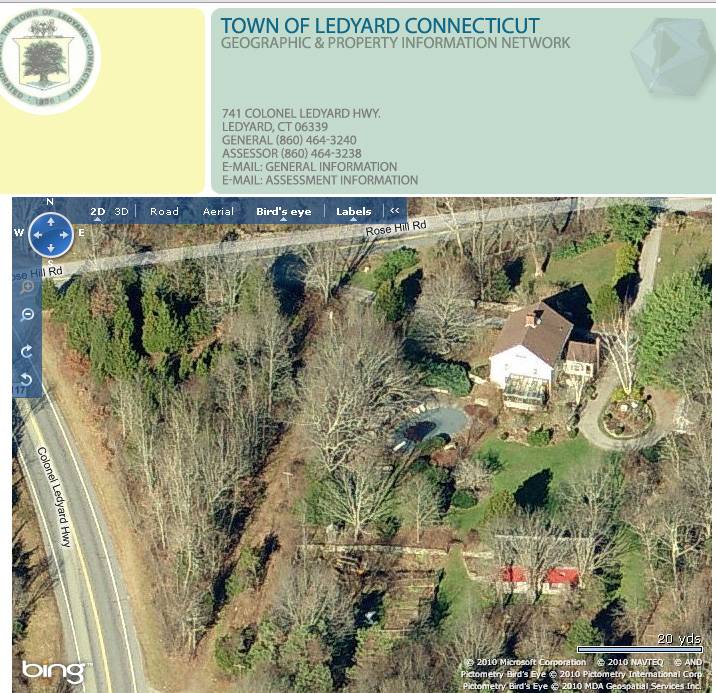
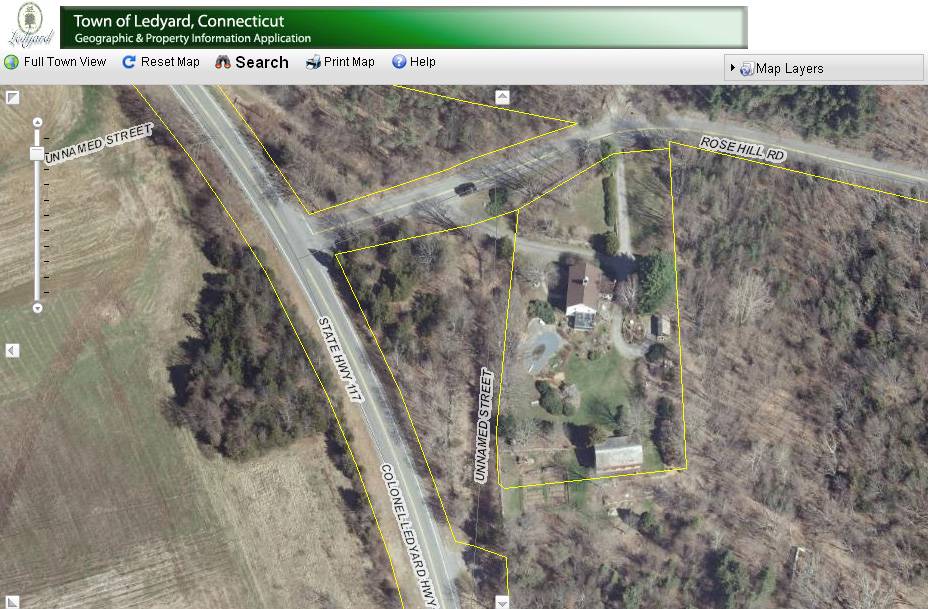
The site is located in the northwestern part of Ledyard in an area of woodlands, some open fields, historic farmstead properties, and 20th-century homes. An unpaved early road right-of-way runs along the west property line, indicating a change in road alignment in the past.
- Typology & Materials
-
Building Typology
Materials
Structural System
Roof materials
Roof type
Approximate Dimensions
30 feet x 48 feet
- Source
-
Date Compiled
06/23/2010
Compiled By
Charlotte Hitchcock, reviewed by CT Trust
Sources
Field notes and photographs by Anne T. Roberts-Pierson 12/07/2009
Town of Ledyard Assessor’s Record Map/Lot 4-2100-6 (house built 1785, 1.31 acres, barn 30 x 48 feet).
Cunningham, Jan, A Historic and Architectural Resource Survey of the Town of Ledyard, Ledyard Historic District Commission, 1992.
Foster, Kit, Ledyard Town Historian, history of Ledyard
http://www.town.ledyard.ct.us/index.aspx?NID=279
http://www.town.ledyard.ct.us/index.aspx?NID=280
http://www.town.ledyard.ct.us/index.aspx?NID=281
Sexton, James, PhD, Survey Narrative of the Connecticut Barn, Connecticut Trust for Historic Preservation, Hamden, CT, 2005, http://www.connecticutbarns.org/history.
Visser, Thomas D., Field Guide to New England Barns and Farm Buildings, University Press of New England, 1997. - PhotosClick on image to view full file
-