Barn Record Shelton
RETURN TO ‘FIND BARNS’- Building Name (Common)
- Hubbell Farm
- Building Name (Historic)
- Hubbell, Eli / French, Mary and Bennett, Farmstead
- Address
- 61 East Village Road, Shelton
- Typology

- Overview
-
Designations
Historic Significance
Architectural description:
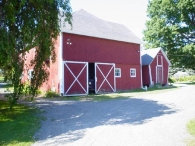
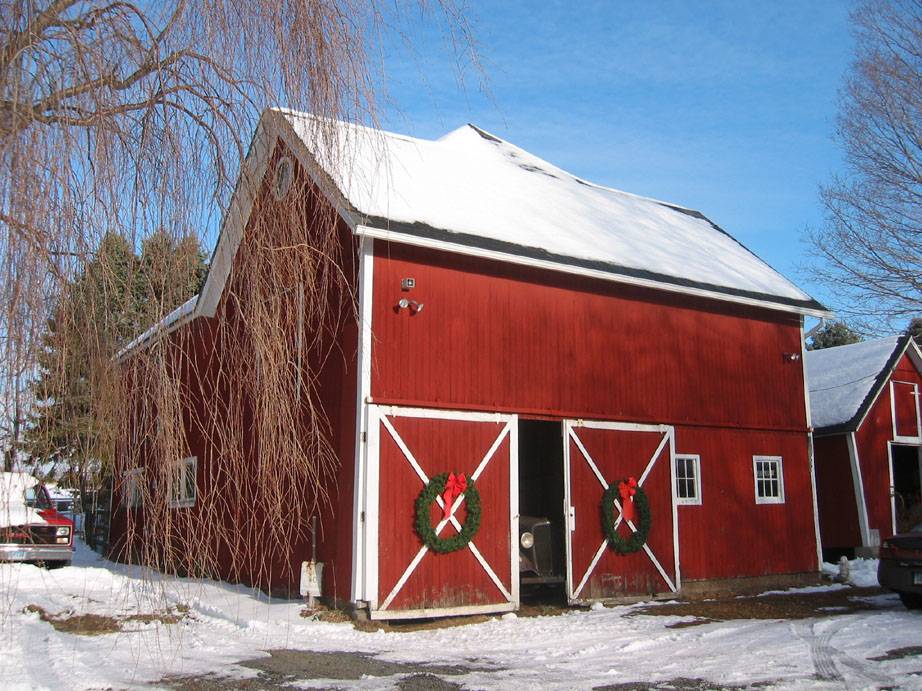
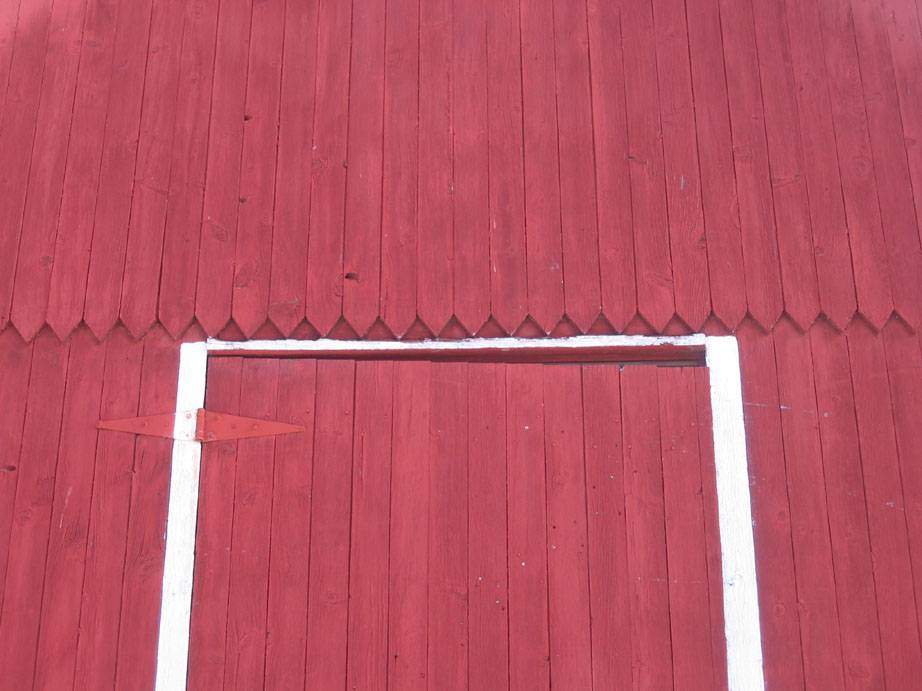
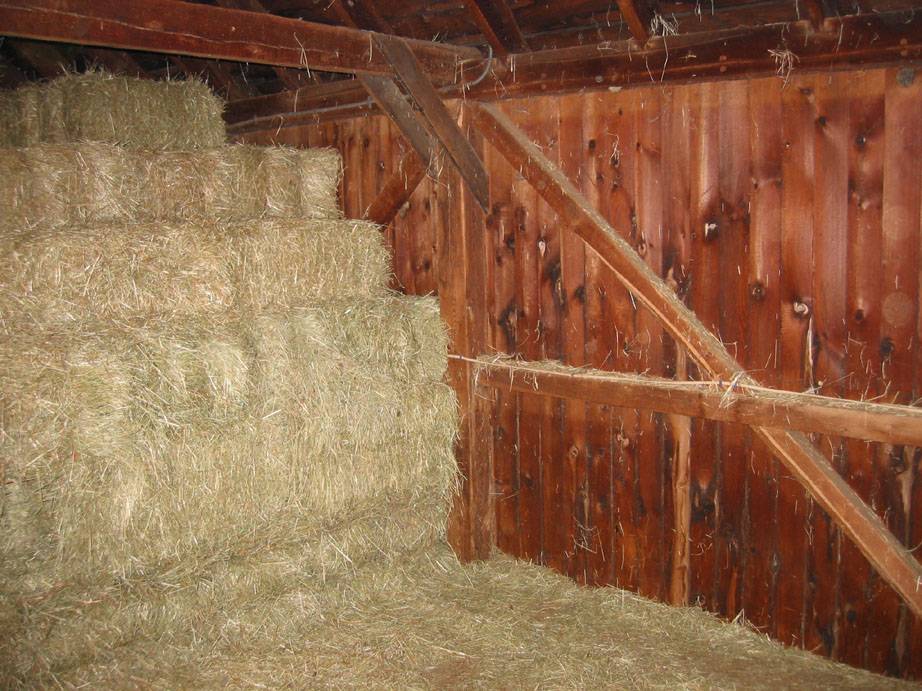
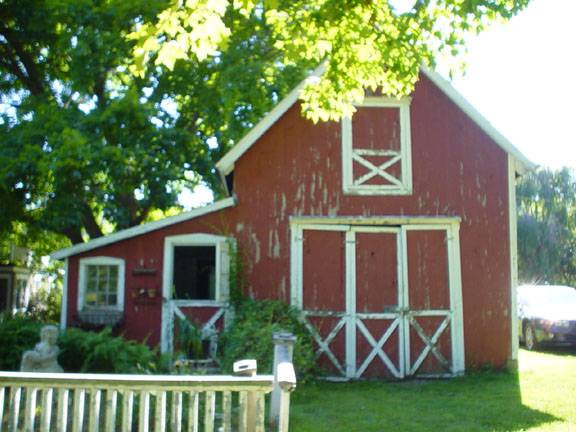
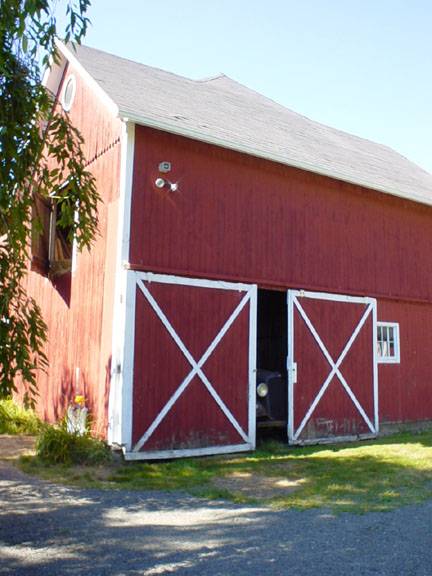
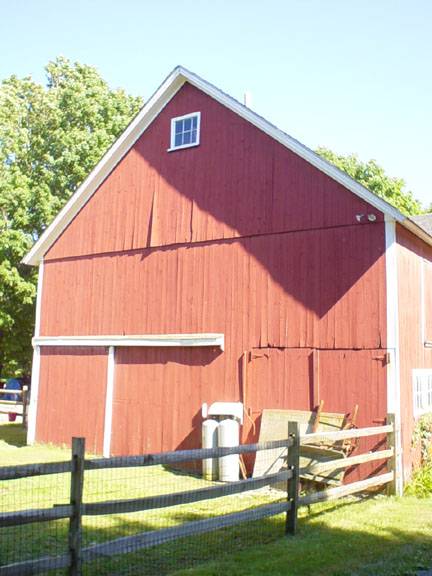
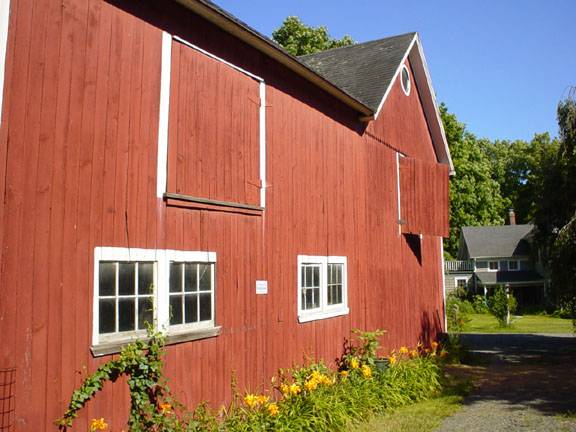
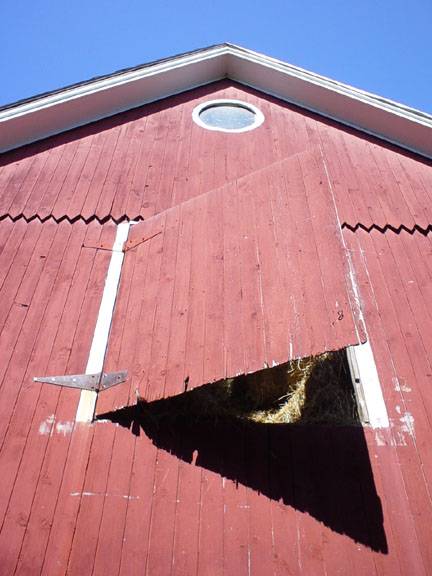
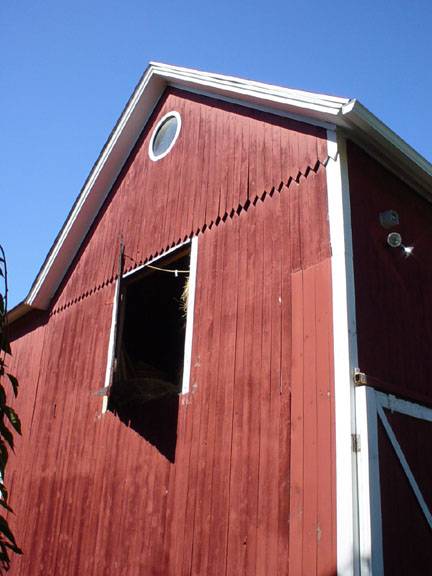
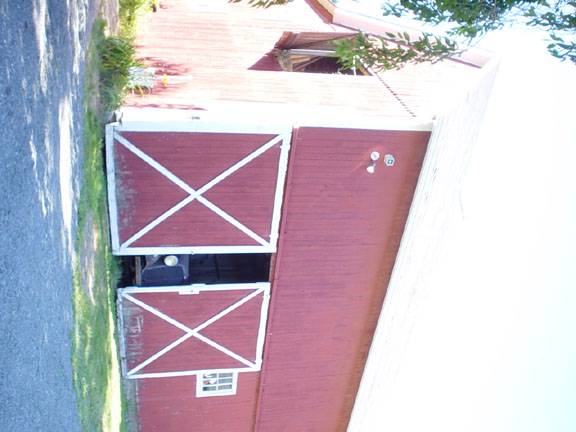
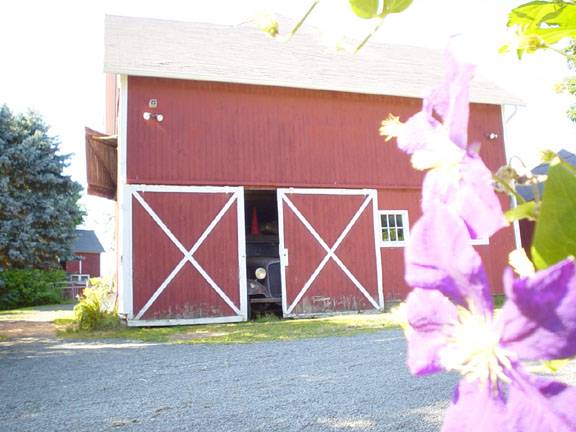
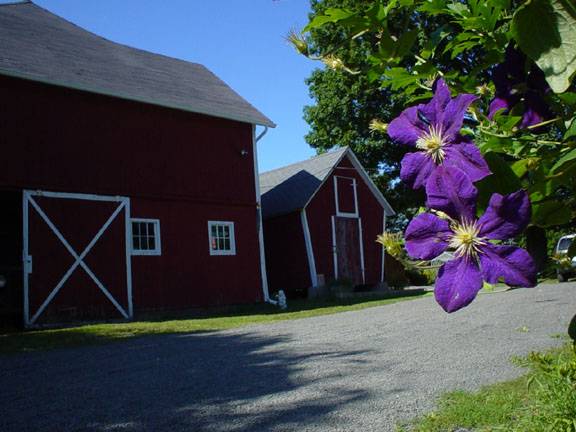
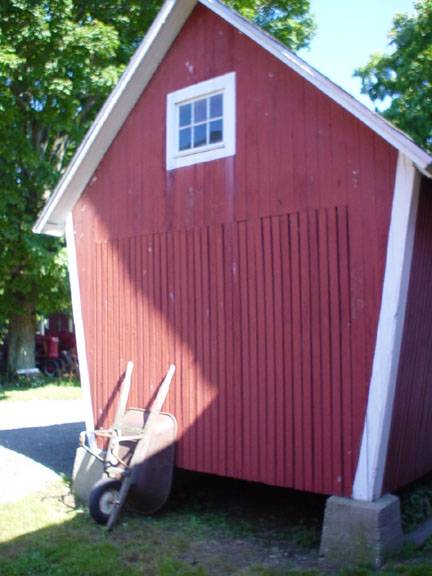
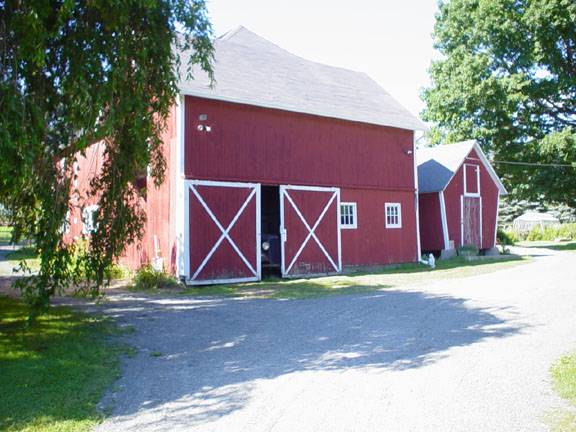
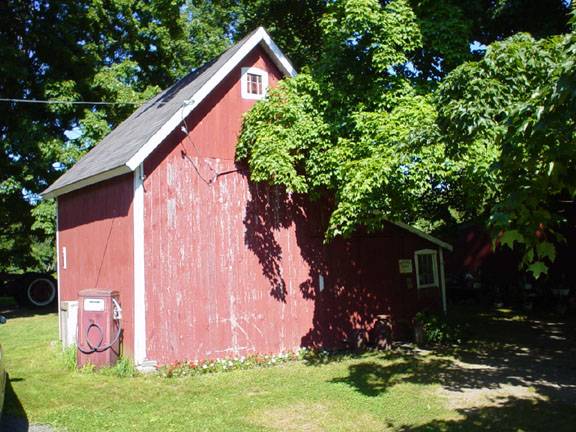
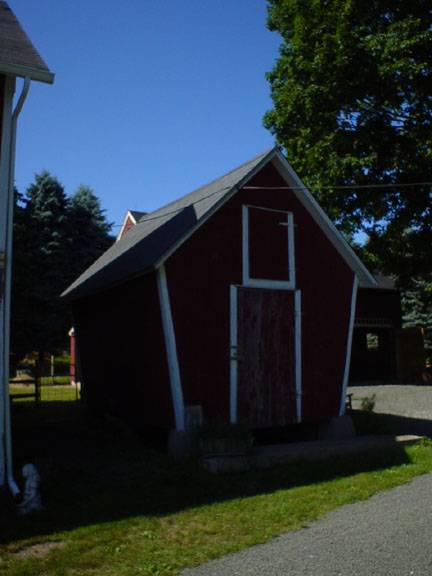
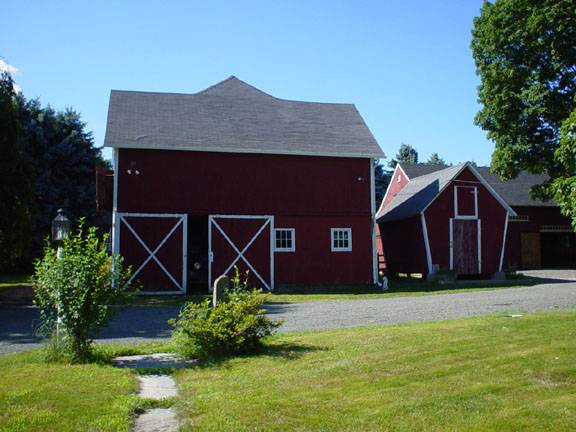
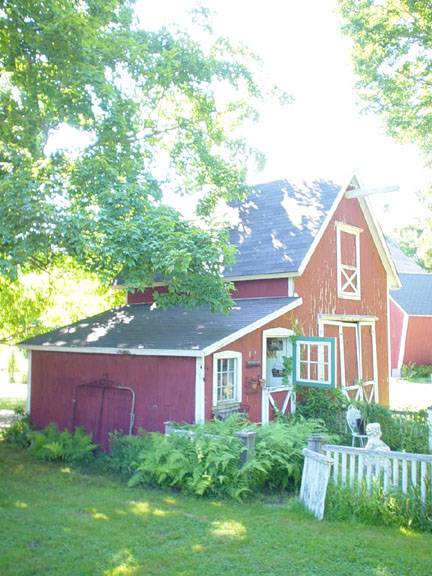
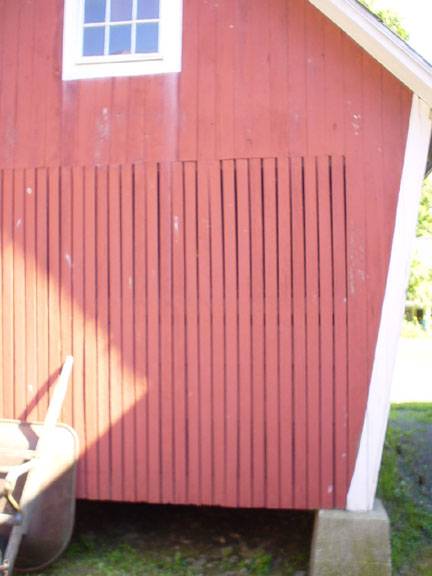
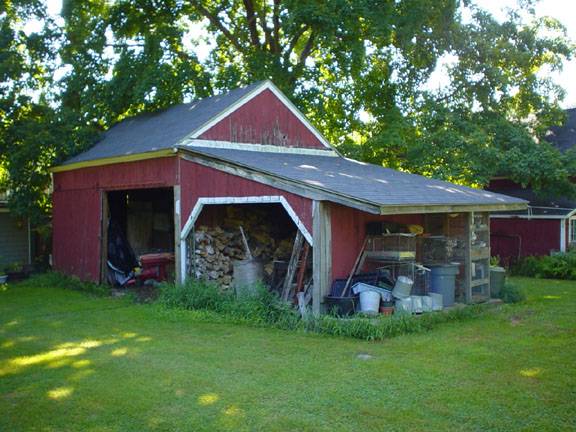
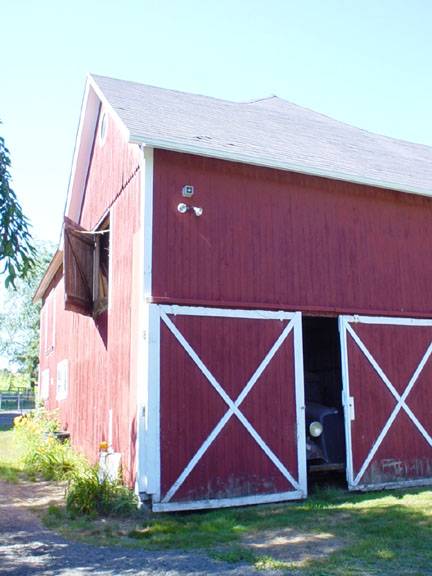
This is a 1 1/2 story cross-gable eave-entry barn. The main facade faces roughly south. The main entry on the south cross-gable eave-facade is a pair of X-braced, exterior sliding doors in the west half of the facade. The east half of the facade has two six-pane windows. The exterior track extends across the entire facade. A mortared field-stone foundation is visible. The west gable-facade of the cross-gable has a centered, side-hinged hay door with the top of the hay door at the girt line siding divide. The girt line siding divide has sawtooth end boards. Beneath the apex of the roof is a round fanlight. The west eave-facade of the barn has two sets of two six-pane windows on the main level. Just below the eave-line between the two sets of windows is a side-hinged hay door, identical to the hay door in the west cross-gable facade. The north gable-facade of the barn has an exterior sliding door with a hood on the east half of the facade and a pair of swinging hinged door on the west half of the facade. Beneath the apex of the roof is a six-pane window. The east gable-facade of the cross-gable has a six-pane window towards the south center and a pass-through door towards the north of the cross-gable. Beneath the apex of the roof is a round fanlight. The east eave-facade of the barn has two sets of two six-pane windows on the main level. The barn has vertical flush-board siding painted red with white trim. The roof has a projecting overhang and asphalt shingles. The foundation is mortared field-stone.
Historical significance:The oldest barns still found in the state are called the “English Barn,” “side-entry barn,” “eave entry,” or a 30 x 40. They are simple buildings with rectangular plan, pitched gable roof, and a door or doors located on one or both of the eave sides of the building based on the grain warehouses of the English colonists’ homeland. The name “30 by 40” originates from its size (in feet), which was large enough for 1 family and could service about 100 acres. The multi-purpose use of the English barn is reflected by the building’s construction in three distinct bays - one for each use. The middle bay was used for threshing, which is separating the seed from the stalk in wheat and oat by beating the stalks with a flail. The flanking bays would be for animals and hay storage.
Field Notes
Listed on the State Register of Historic Places 2/06/2013 The barn is constructed with long diagonal braces that suggest that this frame might be what many authors call a "New England braced frame."
- Use & Accessibility
Use (Historic)
Use (Present)
Exterior Visible from Public Road?
Yes
Demolished
n/a
Location Integrity
Original Site
- Environment
Related features
Environment features
Relationship to surroundings
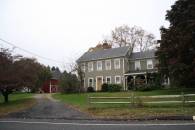
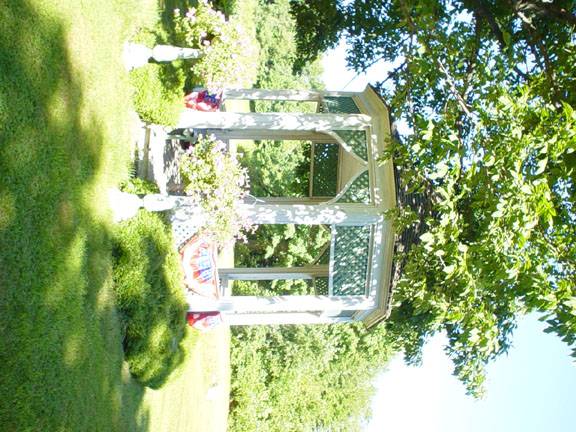
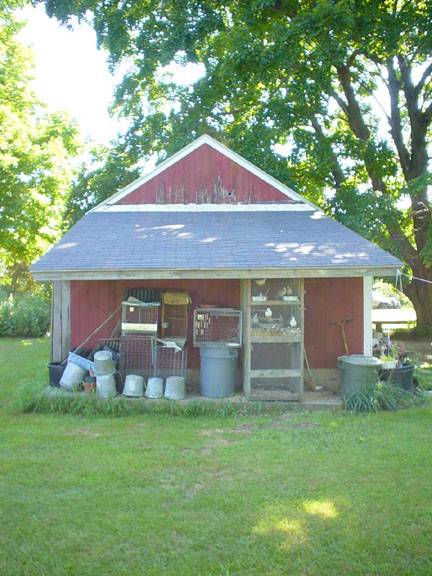
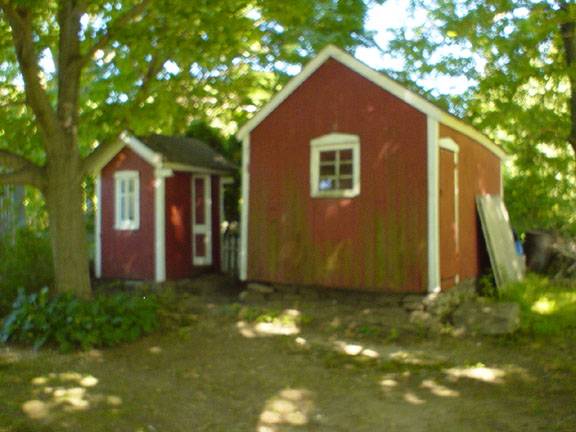
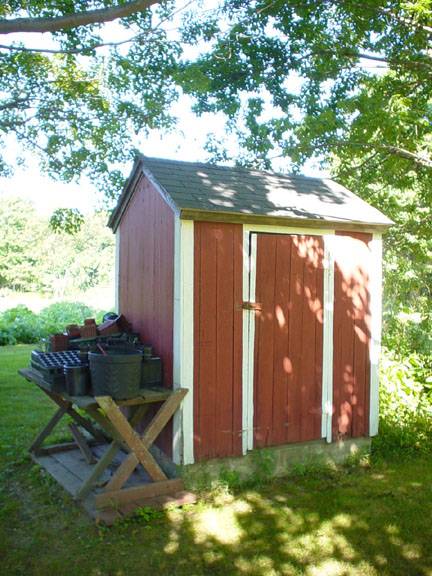
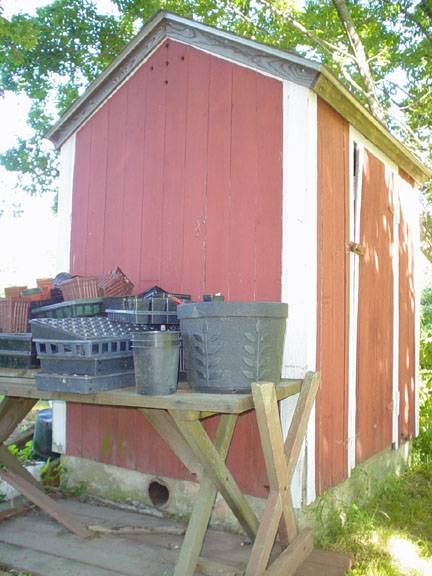
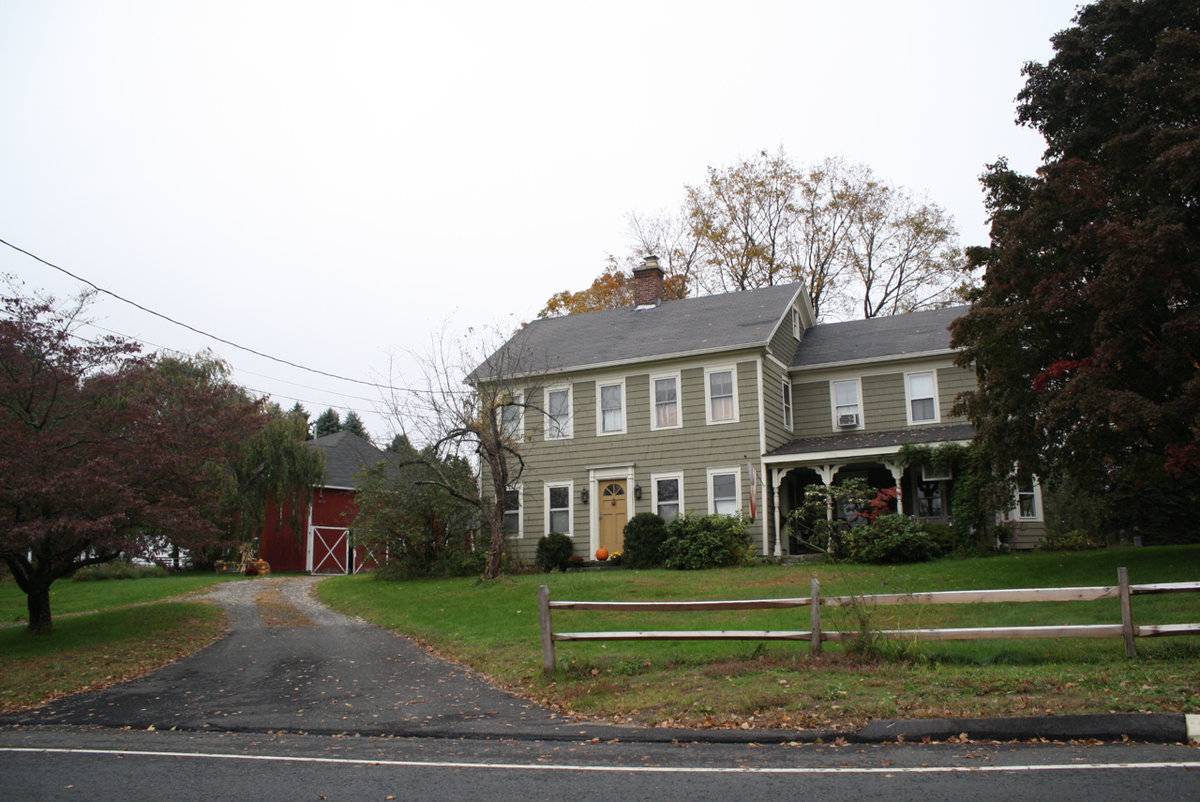
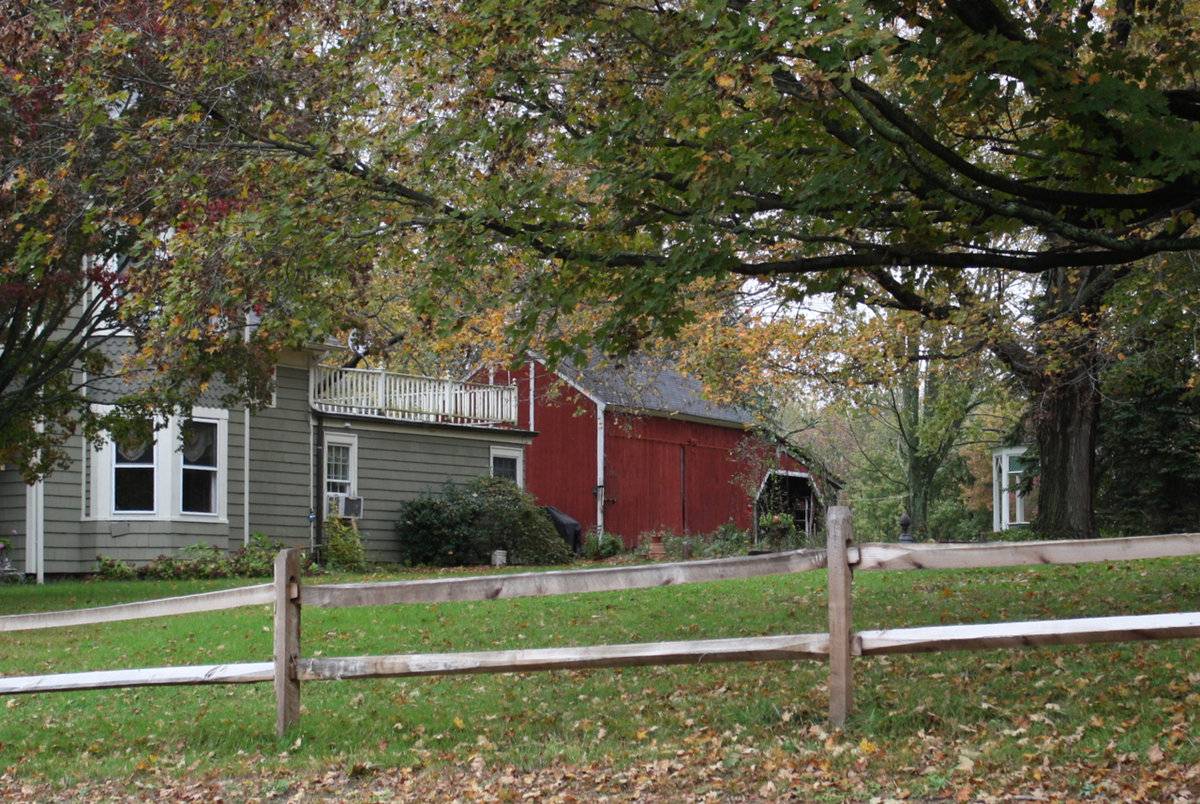
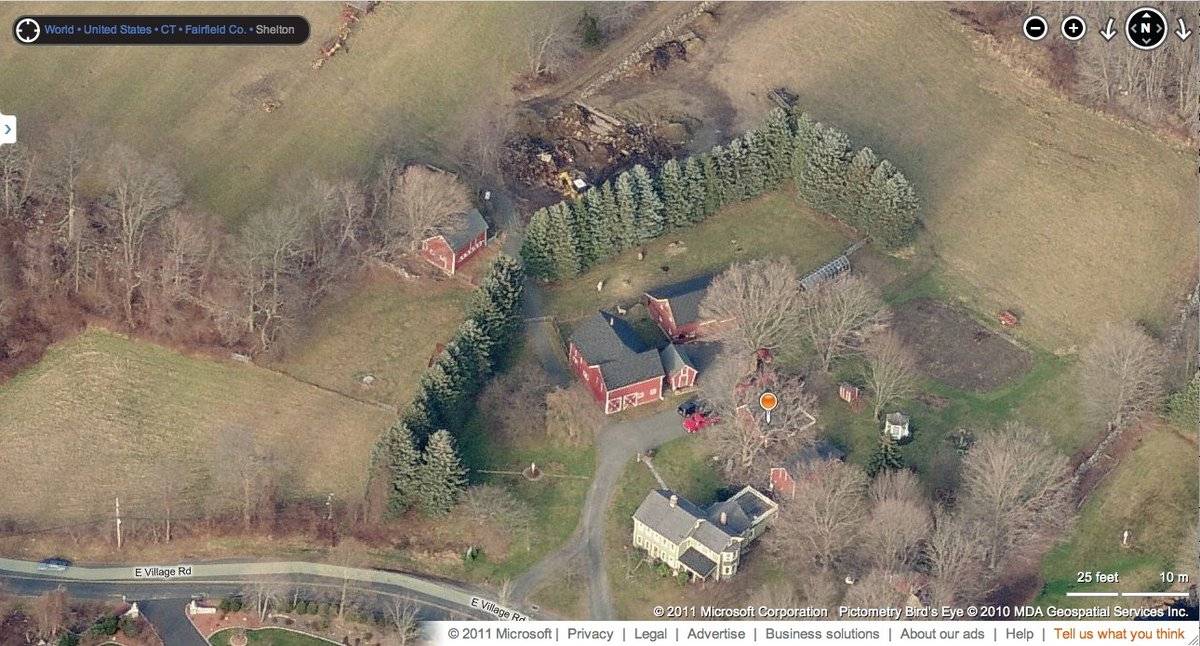
The barn is one of several agricultural buildings on the site, arranged in a cluster behind the house. The barn is to the northwest of the house it is associated with. Next to and to the northeast of the barn is a corn crib. Behind the corn crib is a modern (2004) English barn with a shed-roofed addition. Beyond the barn to the north is another barn, used for dairy cows. Behind the house to the northeast are the icehouse, smokehouse, outhouse, two sheds and a gazebo. Further to the northeast is a tract of open space demarcated with a stone wall. The area is residential, light agriculture, open space and woodland.
- Typology & Materials
-
Building Typology
Materials
Structural System
Roof materials
Roof type
Approximate Dimensions
Barn I: 34 x 36 feet; Barn II: 26 x 26 feet; Barn III 18 x 26
- Source
-
Date Compiled
08/11/2010
Compiled By
Todd Levine, reviewed by the Connecticut Trust
Sources
Photographs by James Sexton & Todd Levine.
Field notes by James Sexton.
Sexton, James, PhD; Survey Narrative of the Connecticut Barn, Connecticut Trust for Historic Preservation, Hamden, CT, 2005, http://www.connecticutbarns.org/history.
Visser, Thomas D.,Field Guide to New England Barns and Farm Buildings, University Press of New England, 1997.
Map of Shelton, CT, retrieved on August 11, 2010 from website http://www.bing.com/maps.
- PhotosClick on image to view full file
-