Barn Record Stratford
RETURN TO ‘FIND BARNS’- Building Name (Common)
- Boothe Memorial Park
- Building Name (Historic)
- David and Stephen Boothe Homestead
- Address
- 5800 Main Street, Stratford
- Typology
- Overview
-
Designations
Historic Significance
Architectural description:
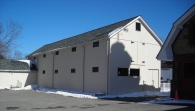
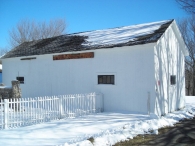
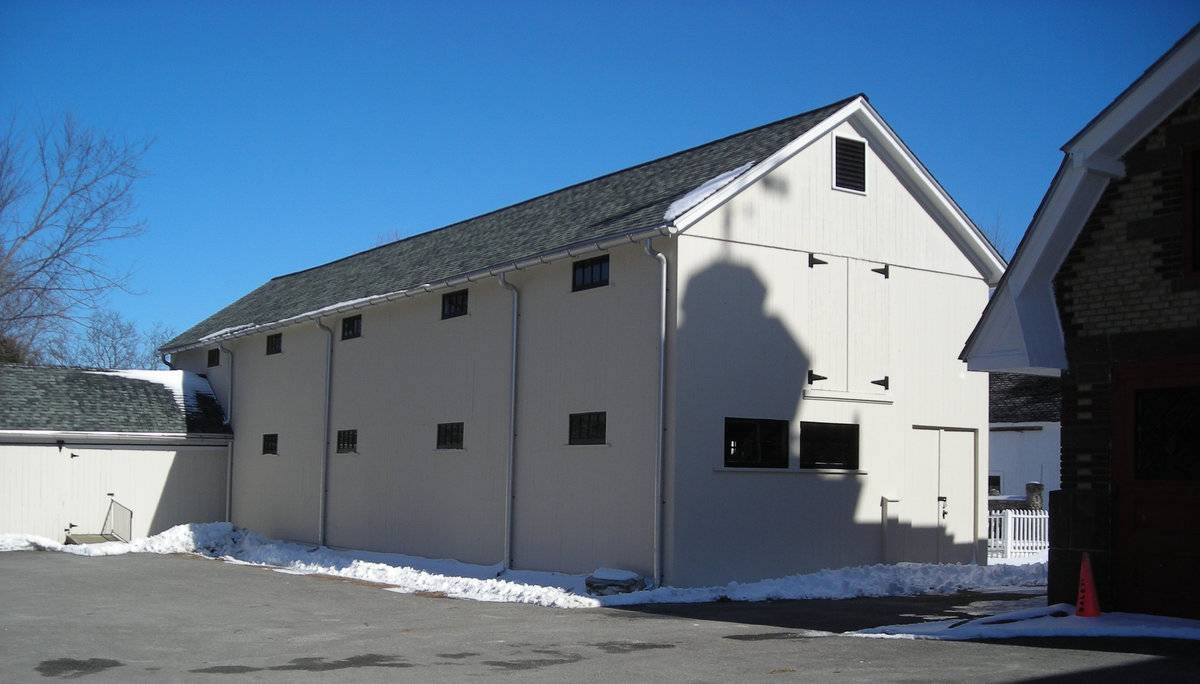
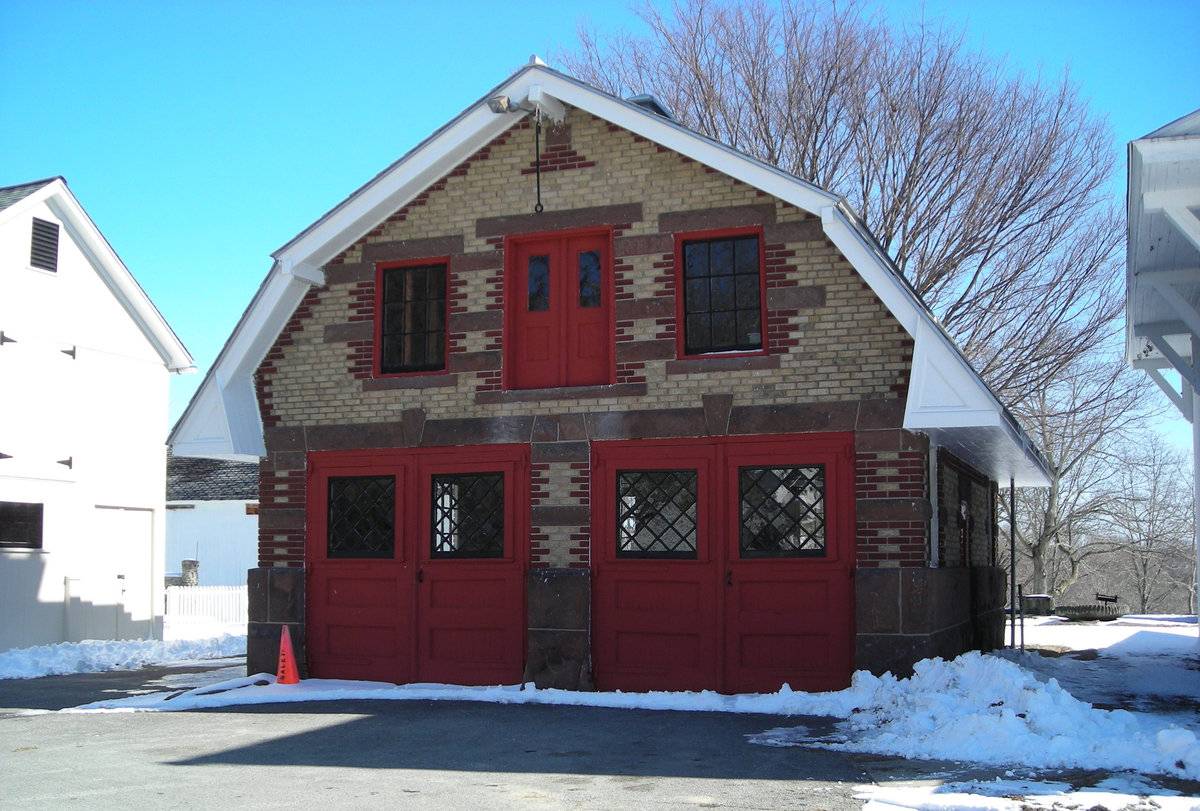
Two or three outbuildings of 19th-or early 20th-century date also remain. These include a carriage shed or barn which was extensively rebuilt after a fire in the early 20th century. Evidence of its original post and beam construction remains, however.
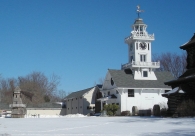
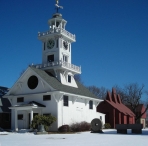
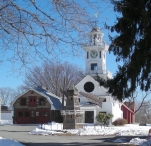
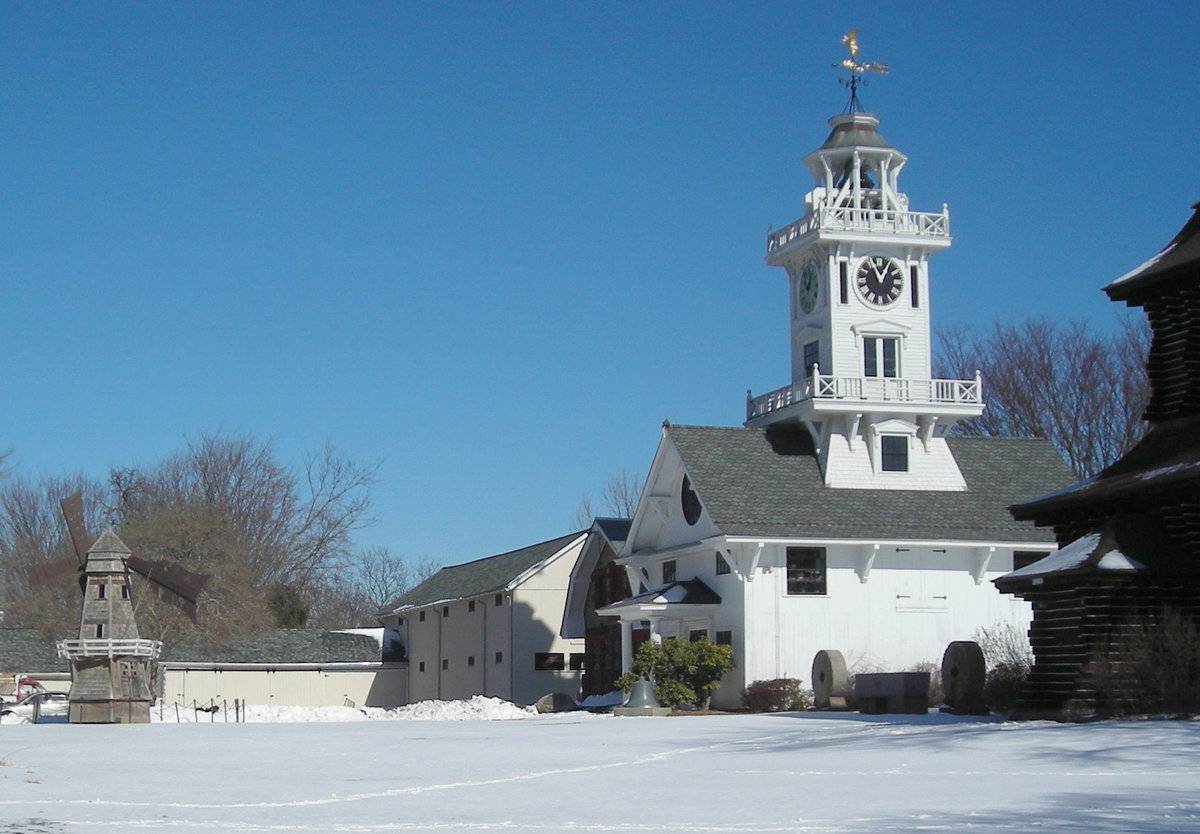
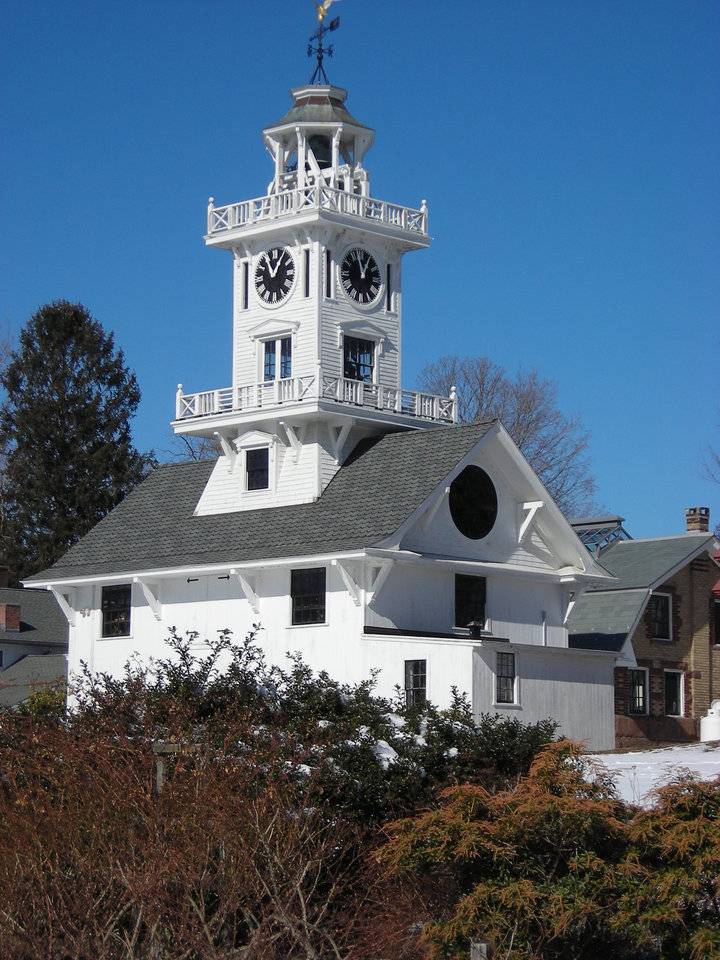
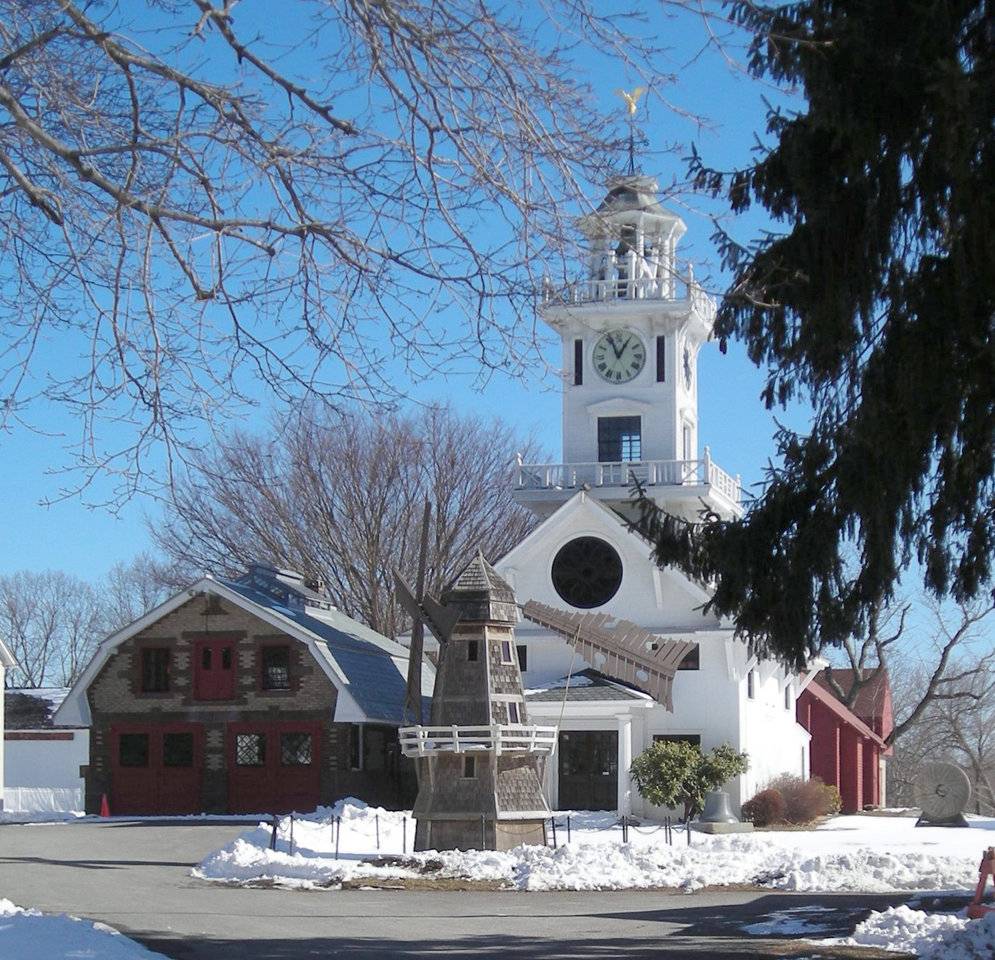
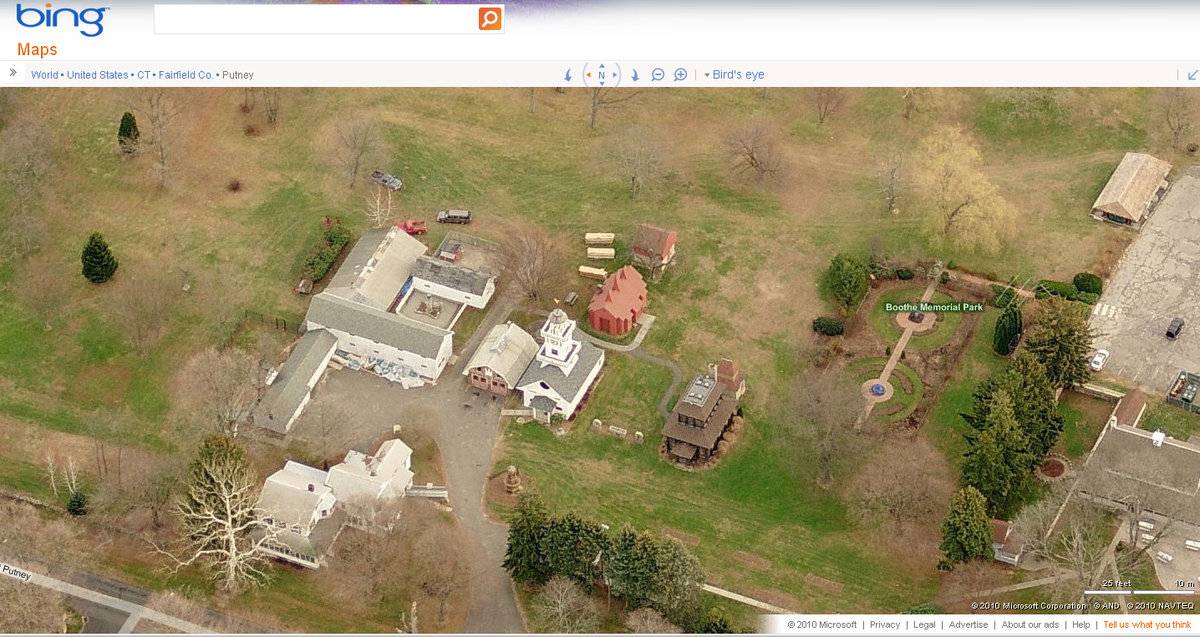
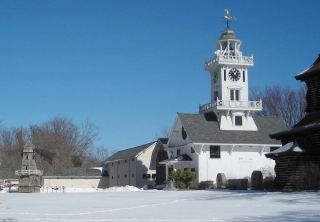
In 1914, the Boothe brothers adapted an earlier outbuilding, a haybarn, for exhibit purposes (Photograph 10). The original building was a gable-roofed structure of post-and-beam construction, probably contemporary with the farmhouse. Vertical flush siding is probably original. The Boothes added a clock tower obtained from a church in Massachusetts, altering the original building in the process. Large brackets support the overhanging eaves of the
building and the two balconies built around the tower. Circular windows were added in the gable ends, which also feature an open-bed pediment. A one-story entrance portico has Doric columns. (Excerpts from Plummer, Section 7).Historic significance:
The oldest barns still found in the state are called the “English Barn,” “side-entry barn,” “eave entry,” or a 30 x 40. They are simple buildings with rectangular plan, pitched gable roof, and a door or doors located on one or both of the eave sides of the building based on the grain warehouses of the English colonists’ homeland. The name “30 by 40” originates from its size (in feet), which was large enough for 1 family and could service about 100 acres. The multi-purpose use of the English barn is reflected by the building’s construction in three distinct bays - one for each use. The middle bay was used for threshing, which is separating the seed from the stalk in wheat and oat by beating the stalks with a flail. The flanking bays would be for animals and hay storage.
Until the 1830s, the horses used for riding and driving carriages were often kept in the main barn along with the other farm animals. By the 1850s, some New England farmers built separate horse stables and carriage houses. Early carriage houses were built just to shelter a carriage and perhaps a sleigh, but no horses. The pre-cursor to the twentieth-century garage, these outbuildings are distinguished by their large hinged doors, few windows, and proximity to the dooryard.
The combined horse stable and carriage house continued to be a common farm building through the second half of the nineteenth century and the first decade of the twentieth century, until automobiles became common. Elaborate carriage houses were also associated with gentlemen farms and country estates of the late 19th and early 20th centuries. Another form of carriage barn, the urban livery stable, served the needs of tradespeople.
Historical background:
The Boothe Memorial Park also represents several early 20th-century movements as interpreted through the eyes of the brothers, David and Stephen Boothe. Starting as a small exhibit on local history on the family farmstead in 1914, the Brothers evolved their estate into a complex serving a variety of purposes, including religious services, relief for the poor during the Depression, education and entertainment. All of these aspects bear the unique stamp of the Boothe brothers’ secretive and eccentric character.
Field Notes
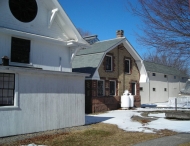
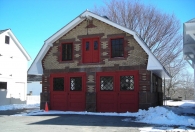
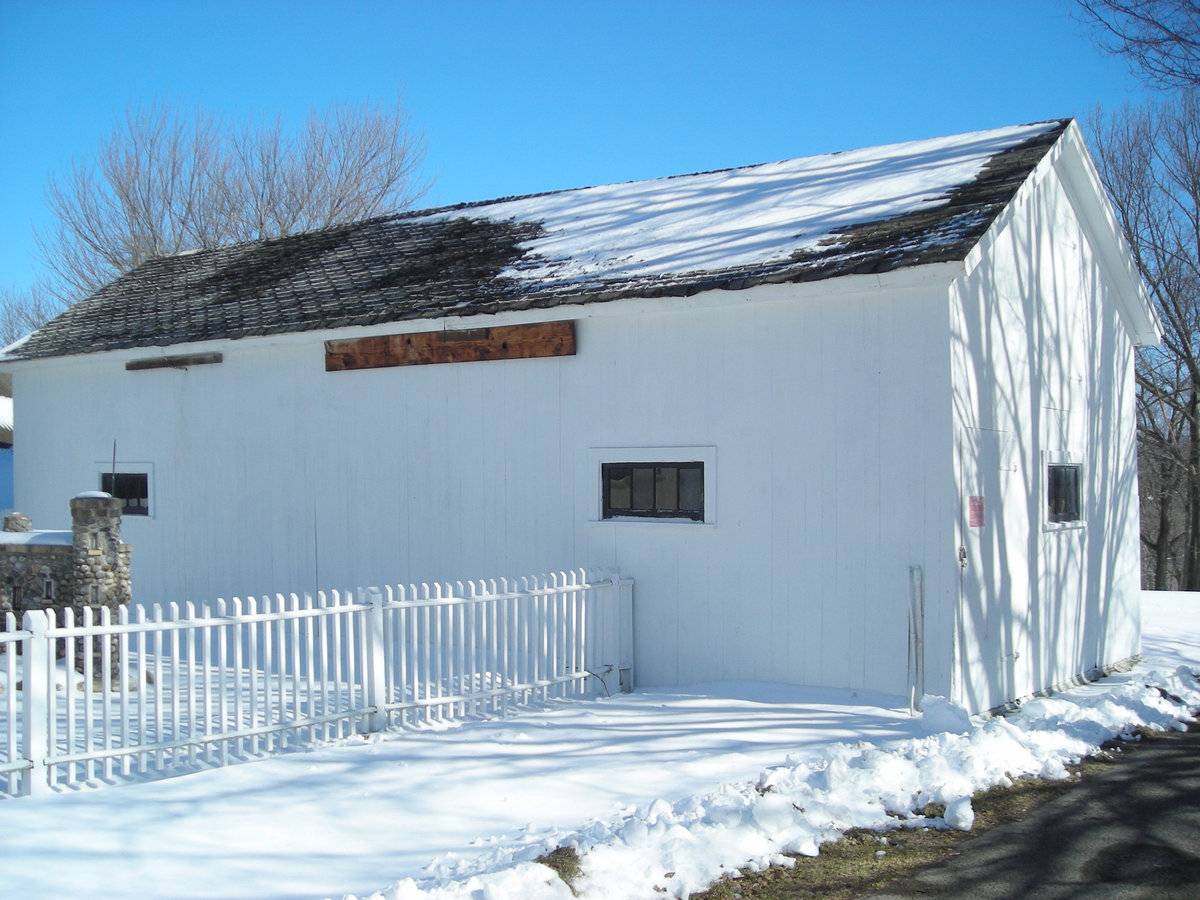
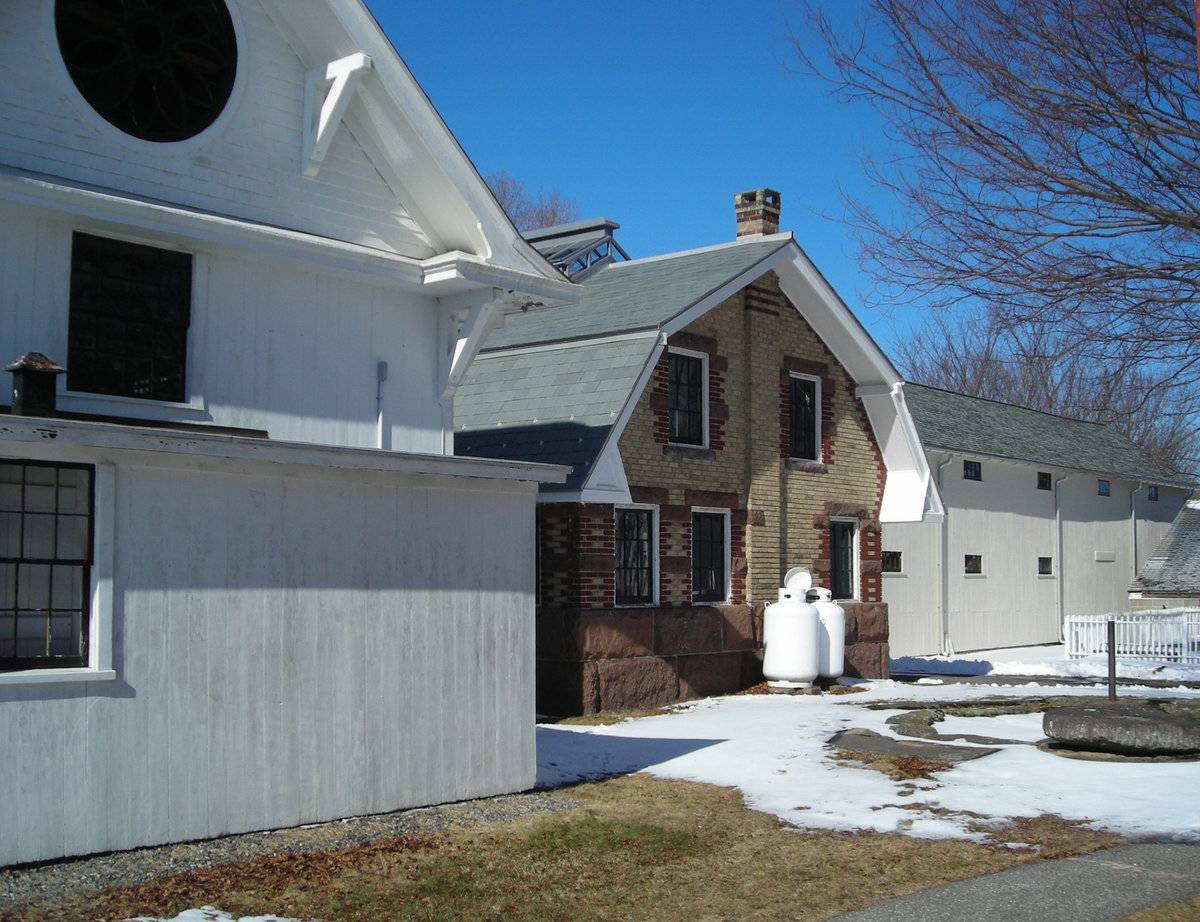
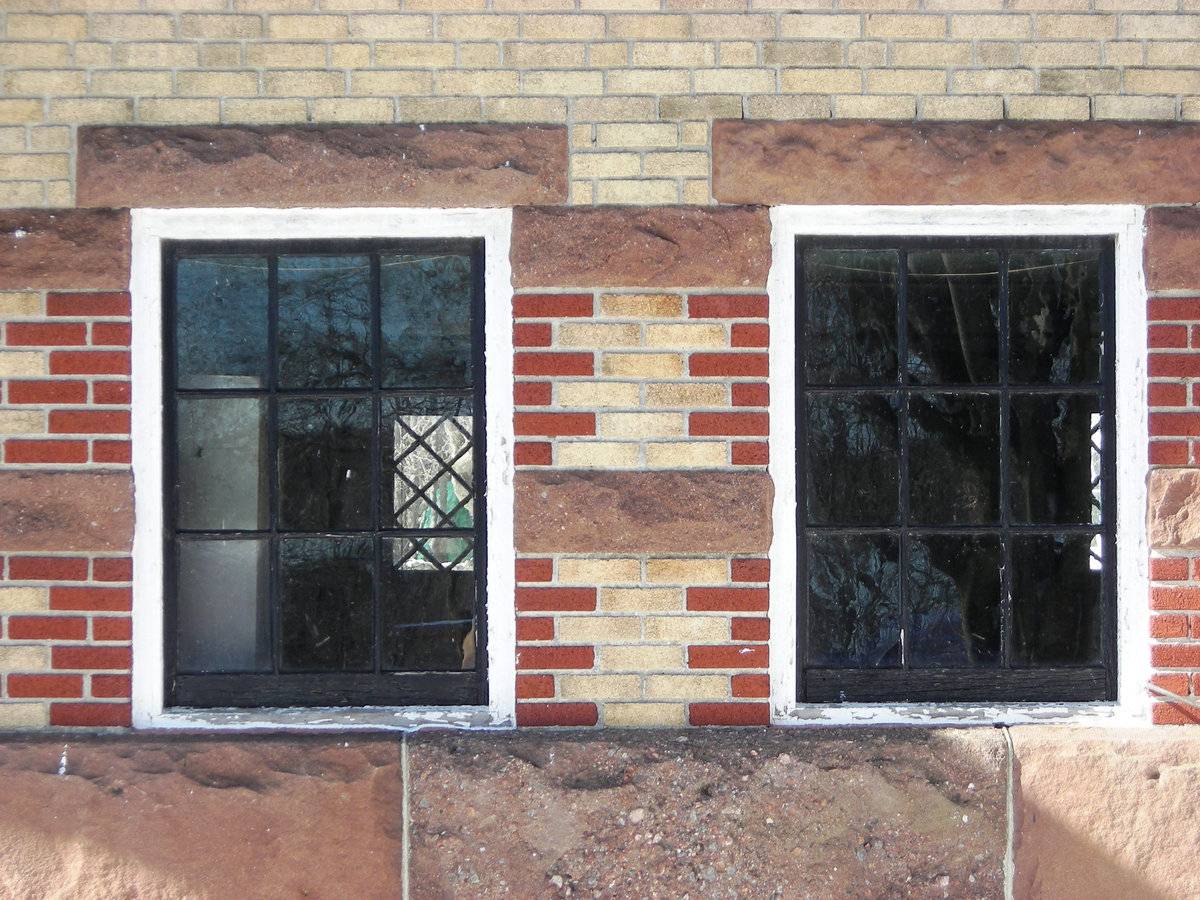
The current museum/clock tower is a former barn; additional timber barns and a brick carriage house are located in the park. See Connecticut Preservation News, Vol. XXXII, No. 2, March/April 2010, p.16.
- Use & Accessibility
Use (Historic)
Use (Present)
Exterior Visible from Public Road?
Yes
Demolished
n/a
Location Integrity
Moved
- Environment
Related features
Environment features
Relationship to surroundings
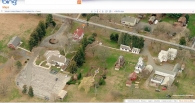
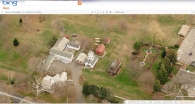
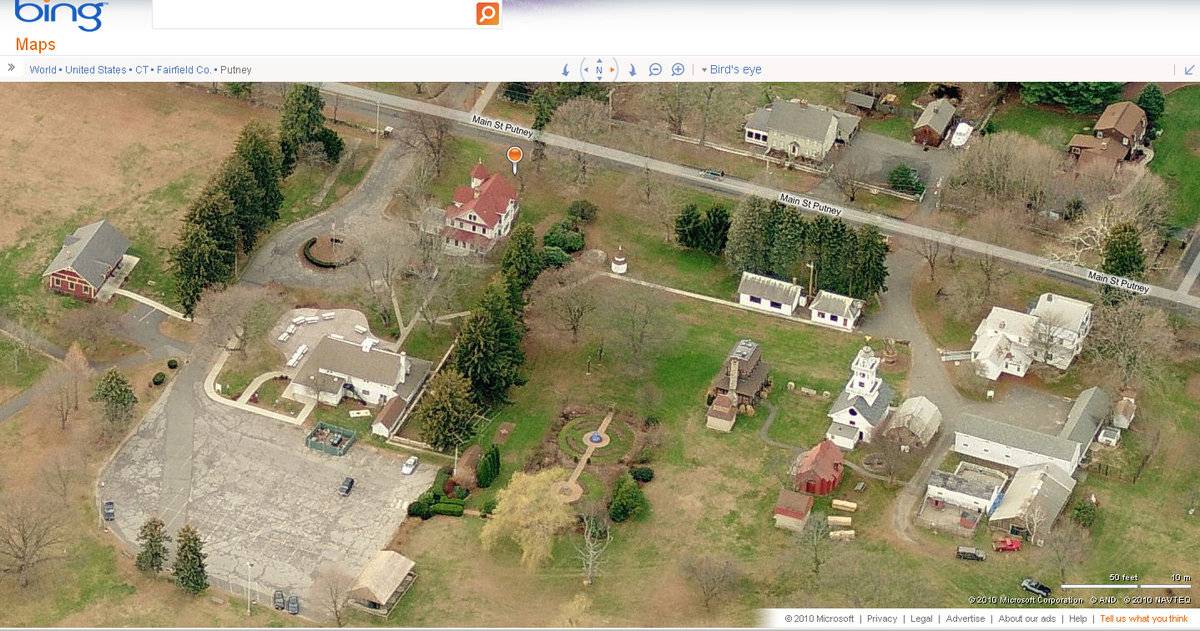
Boothe Memorial Park is a publicly-owned park of 34 acres in the Putney section of the town of Stratford, Connecticut. The park is bounded on the east by the Housatonic River and on the west by Main Street. Sloping downwards to the riverbank on the east, the park contains twenty-eight structures, including outbuildings. These are arranged roughly in two lines paralleling Main Street on a north-south axis. Buildings on the grounds range in date from circa 1840 to 1961. The earliest buildings are in the Greek Revival style. Later buildings are constructed in the Queene Anne style, the Shingle Style, and in a highly individualistic eclectic style developed by two brothers, David and Stephen Boothe. A variety of materials are used in the construction of buildings and other structures on the property. Most are of frame construction, although a number of masonry structures are also present. One building, the Technocratic Cathedral, is of an unusual construction using interlocking redwood beams. The grounds are landscaped with ornamental plantings of deciduous and evergreen trees and shrubs.
Boothe Memorial Park, was originally the farm of the Boothe family. Several 19th-century buildings in the complex reflect this original use. The Boothe family homestead, the earliest extant building in the park, was built about 1840 in the Greek Revival style (Plummer, Section 7).
The surrounding neighborhood is a residential area of 19th- and 205h-century homes. A cemetery abuts the park to the south.
- Typology & Materials
-
Building Typology
Materials
Structural System
Roof materials
Roof type
Approximate Dimensions
Multiple buildings
- Source
-
Date Compiled
11/24/2010
Compiled By
Charlotte Hitchcock, reviewed by CT Trust
Sources
Photographs by Christopher Wigren.
Aerial views from Bing Maps:
http://www.bing.com/maps/ accessed 11/24/2010.Plummer, Dale, Plummer, John, Boothe Homestead National Register Nomination No. 85000951, National Park Service, 1985.
Sexton, James, PhD; Survey Narrative of the Connecticut Barn, Connecticut Trust for Historic Preservation, Hamden, CT, 2005, http://www.connecticutbarns.org/history.
Visser, Thomas D.,Field Guide to New England Barns and Farm Buildings, University Press of New England, 1997, 213 pages.
Wigren, Christopher, Connecticut Preservation News, Vol. XXXII, No. 2, March/April 2010, p.16
- PhotosClick on image to view full file
-