Barn Record Andover
RETURN TO ‘FIND BARNS’
- Overview
-
Designations
n/a
Historic Significance
Architectural description:
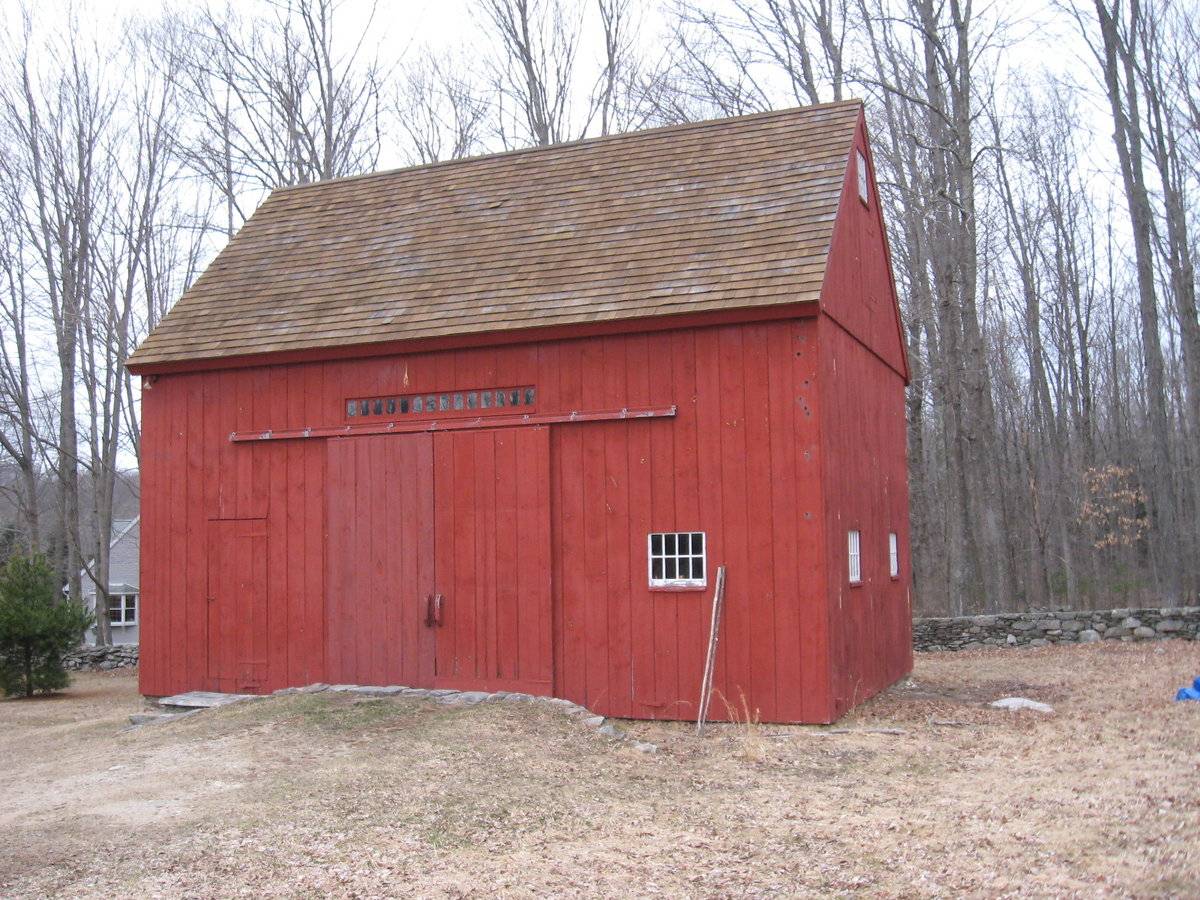
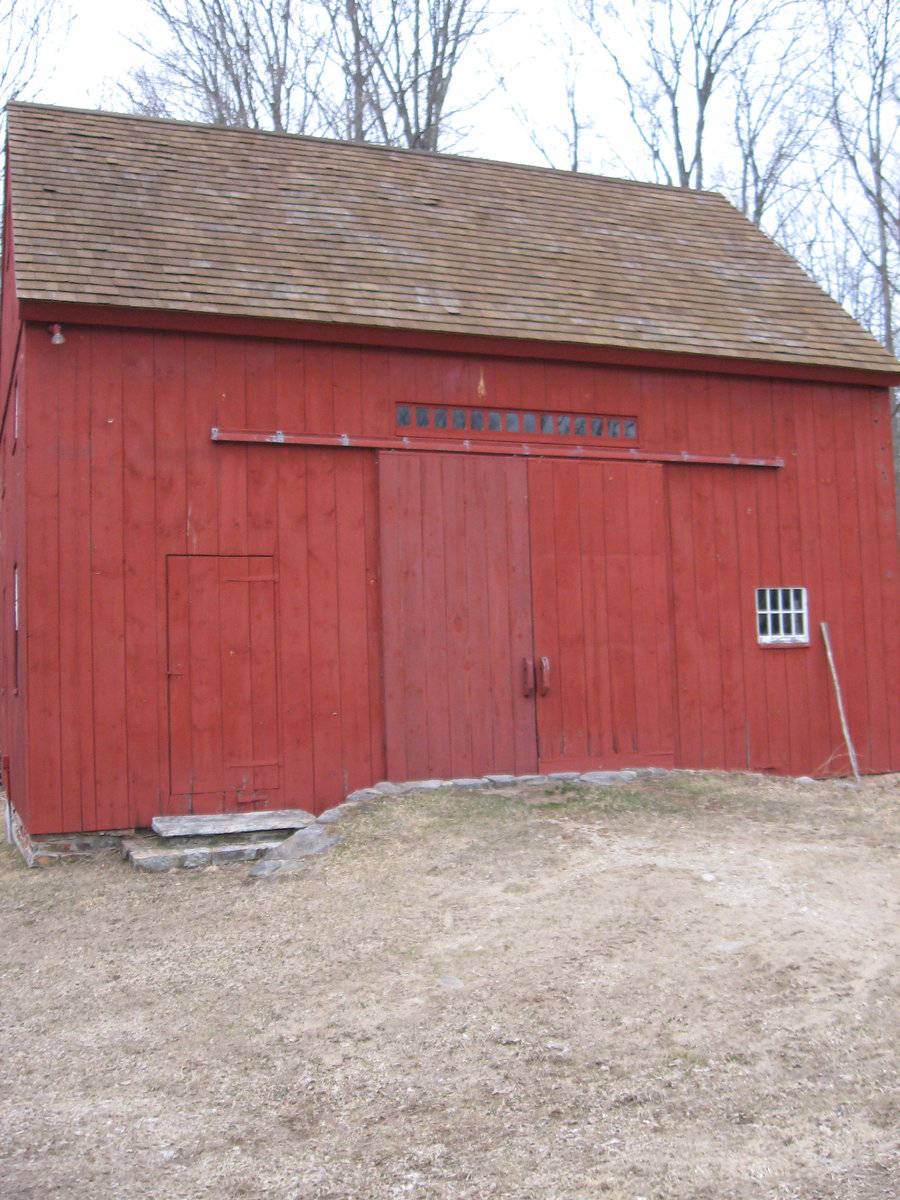
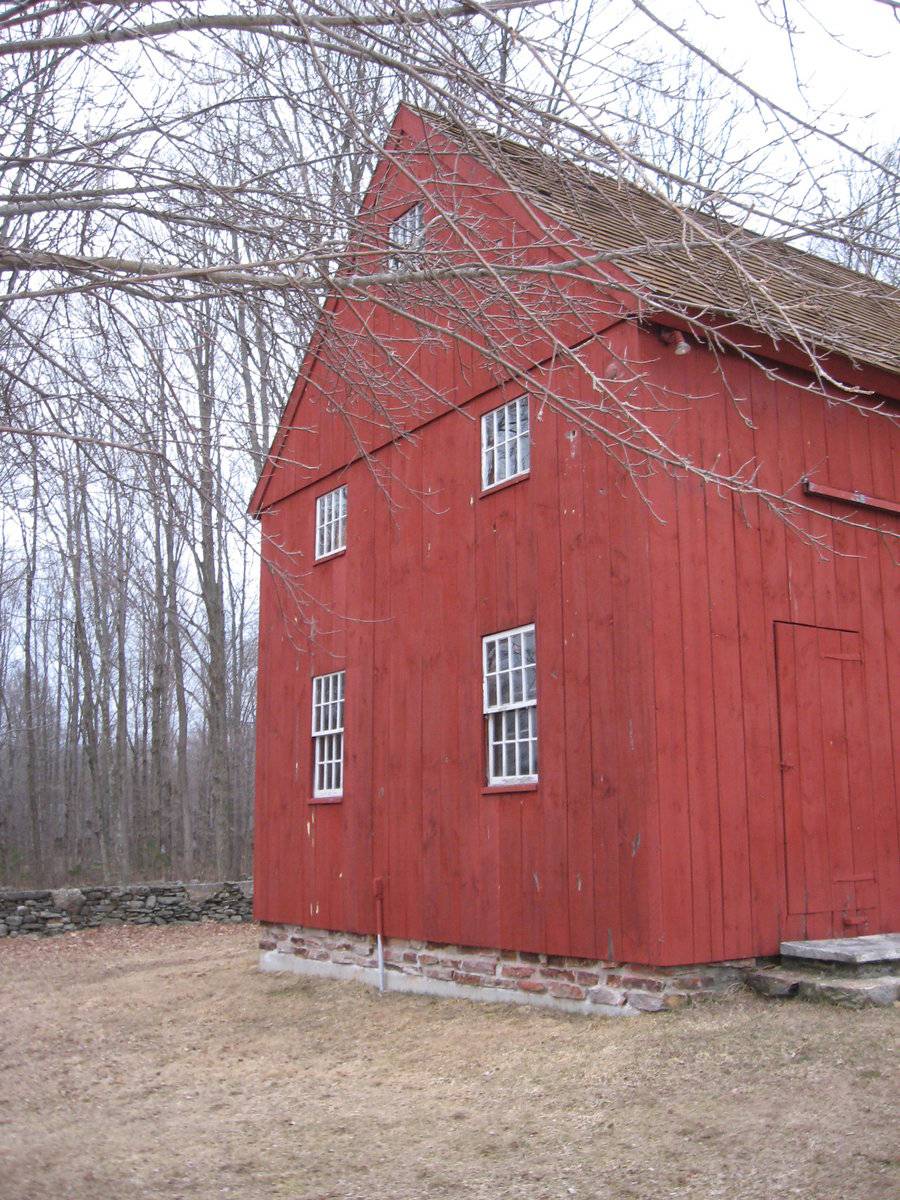
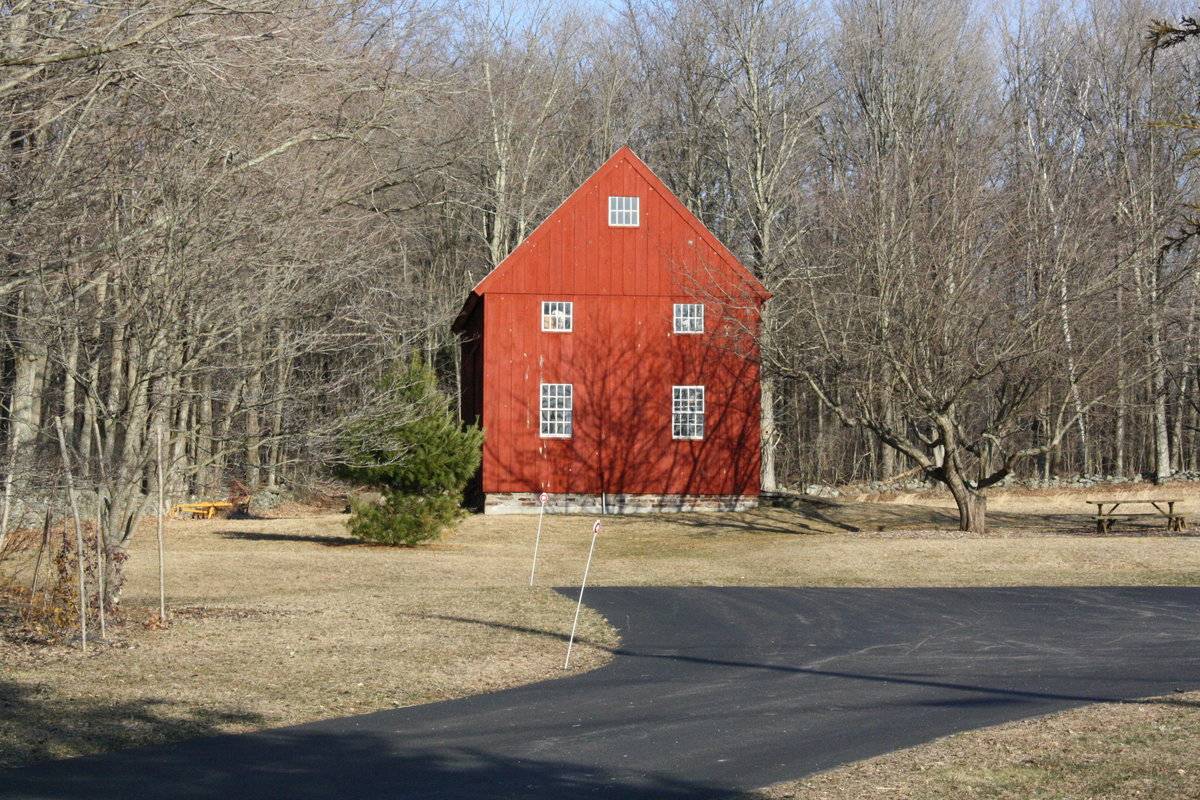
This is a 1 ½-story three-bay eave-entry gable-roofed barn. The main eave-side faces south and the ridge-line of the barn is perpendicular to this portion of Long Hill Road, which runs approximately north-south. The main entry is a pair of centered exterior-sliding doors, approached by a slightly above-grade earth ramp. Above the doors, there is a fourteen-pane single row transom light. In the east corner there is a fixed eight-pane stable window. At the west corner, several courses of a mortared brick and concrete foundation are exposed. Two stone steps lead to a single exterior-swinging pass-through door in the west corner.
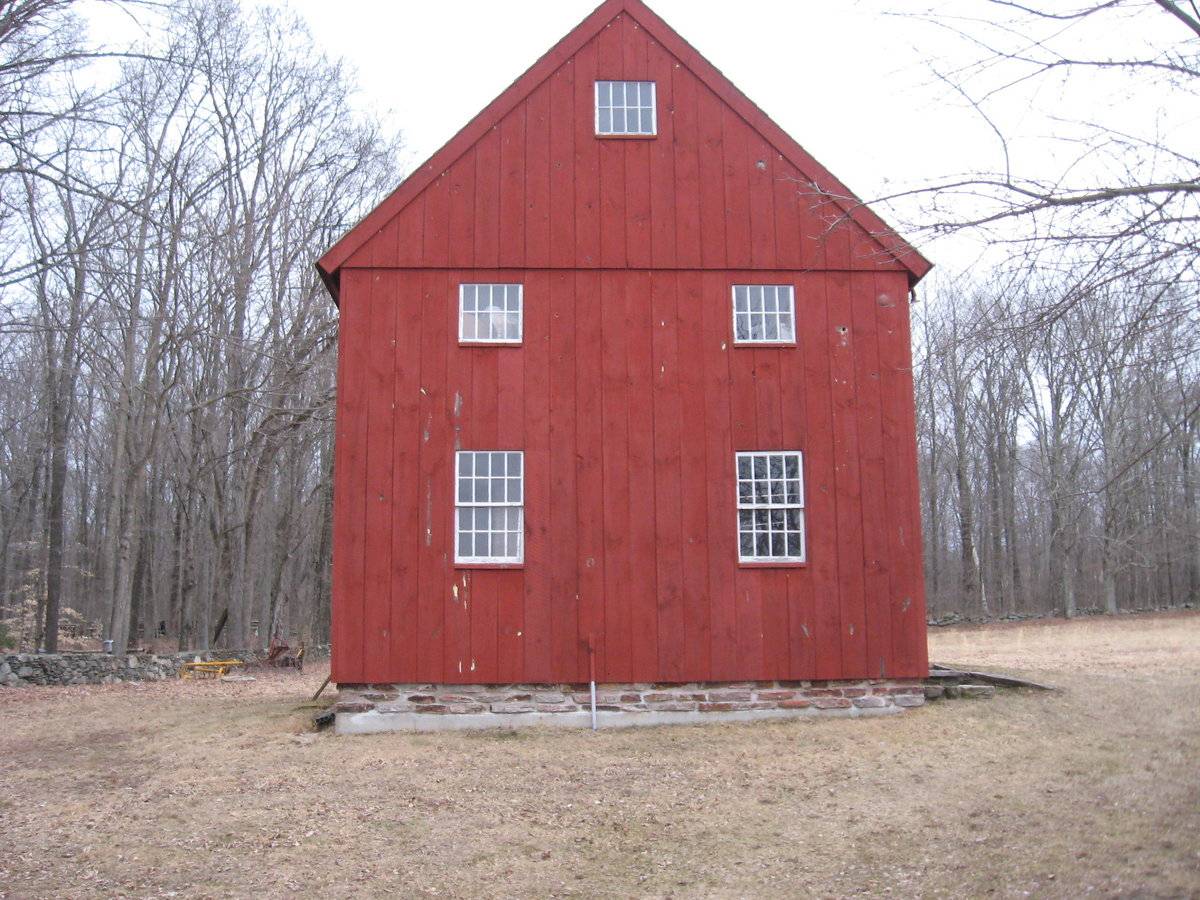
The west gable-end of the barn has a mortared brick and concrete foundation and two eight-over-eight double-hung windows in the main level. Two windows below the girt line siding divide and one in the gable attic match the window on the south eave-side.
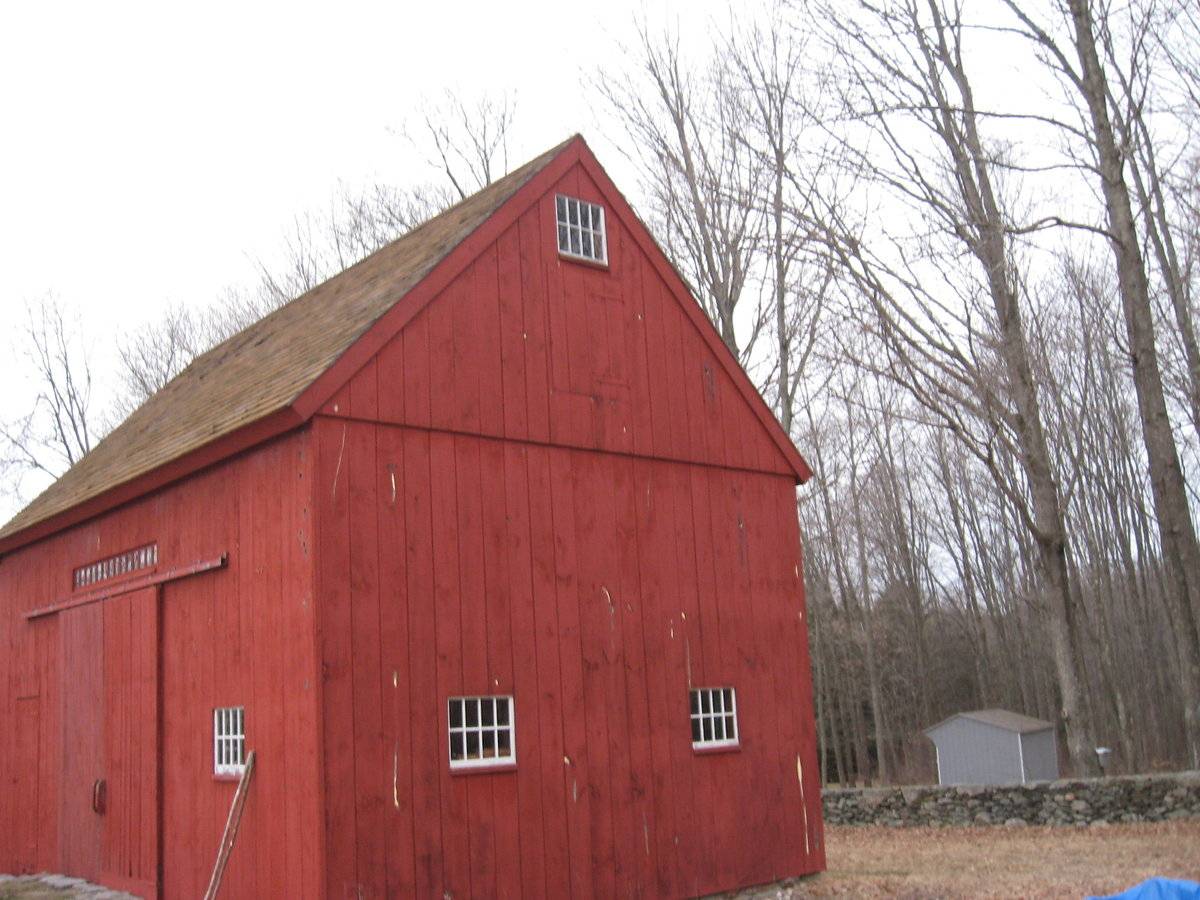
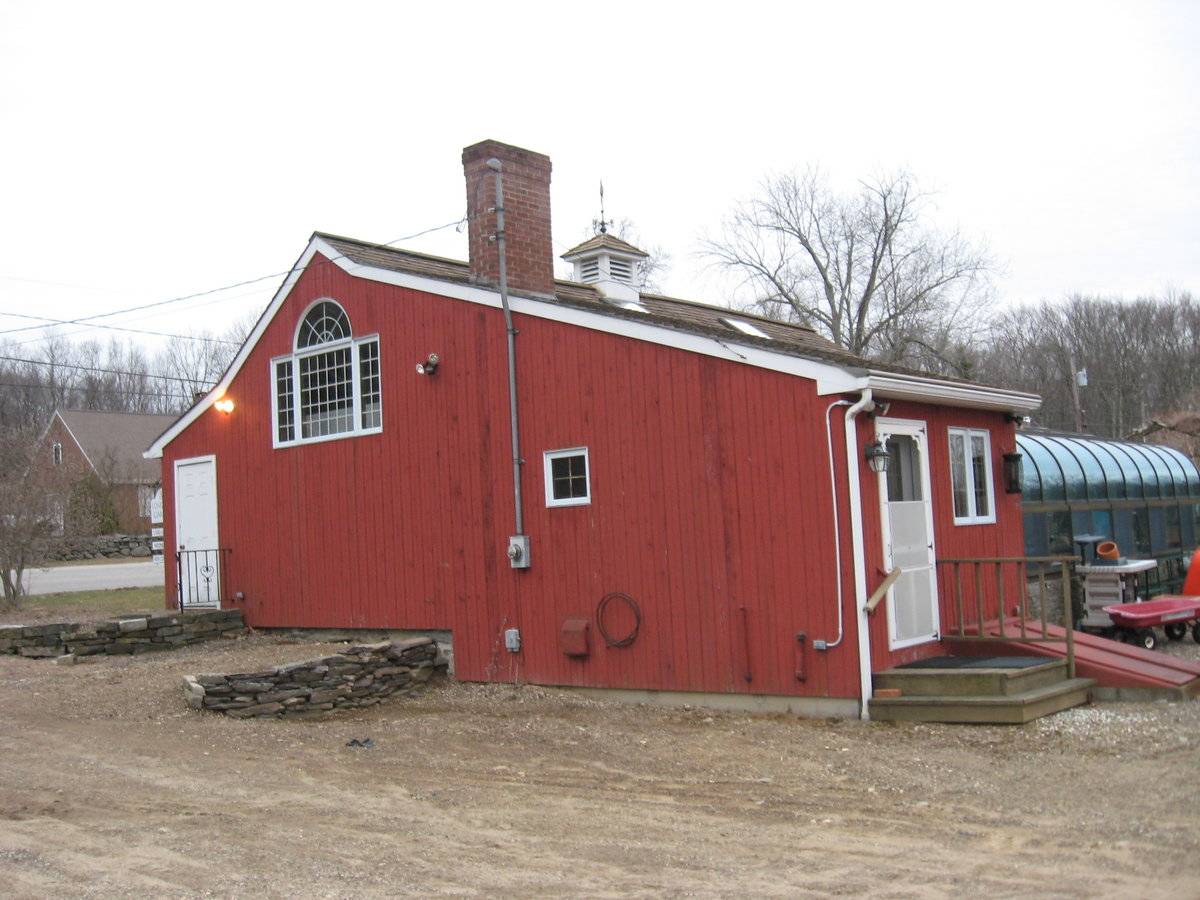
The east gable-end of the barn appears to have two fixed eight-pane windows in the main level and a matching window in the gable attic. There is a hay door above the girt line siding divide. The barn has verical flush-board siding painted red, with white muntin bars. The roof is covered with wood shingles.
Historical significance:The oldest barns still found in the state are called the “English Barn,” “side-entry barn,” “eave entry,” or a 30 x 40. They are simple buildings with rectangular plan, pitched gable roof, and a door or doors located on one or both of the eave sides of the building based on the grain warehouses of
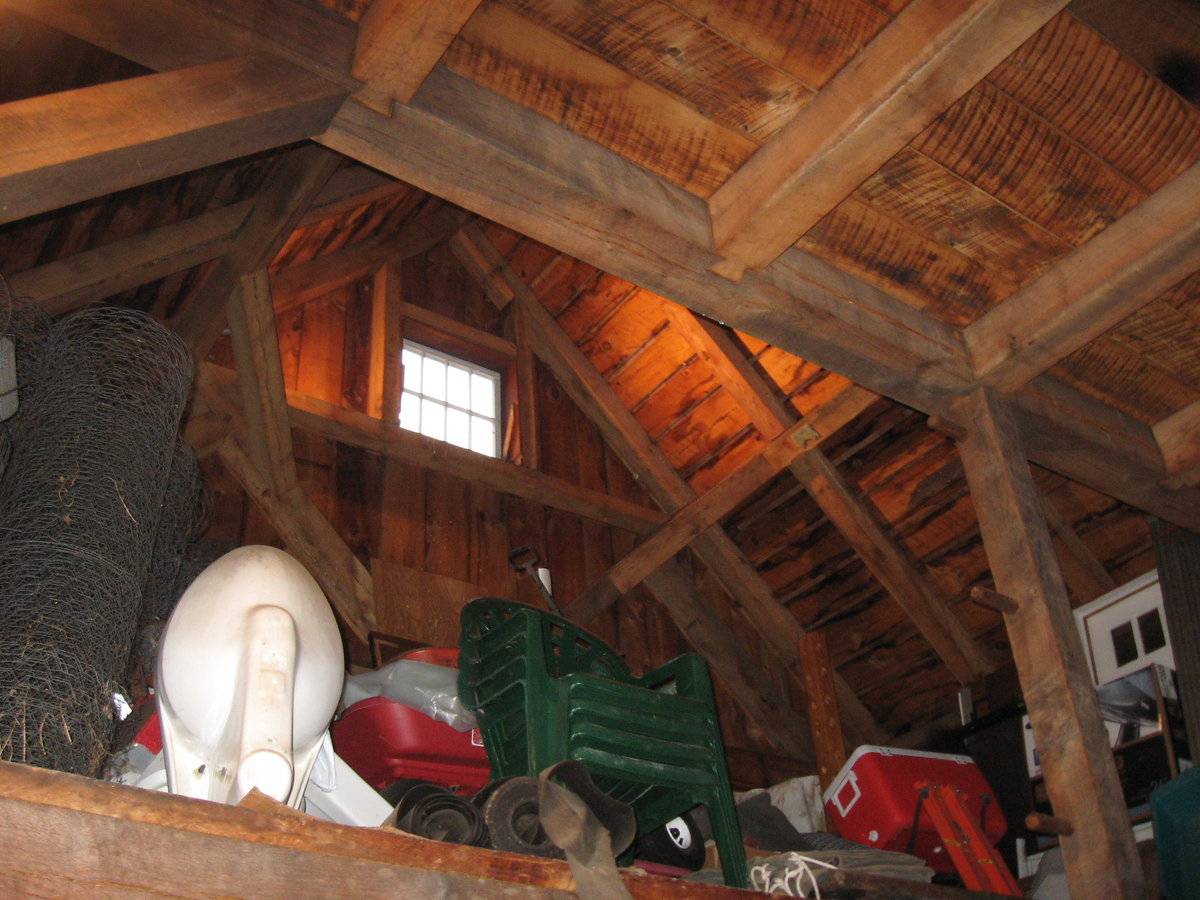
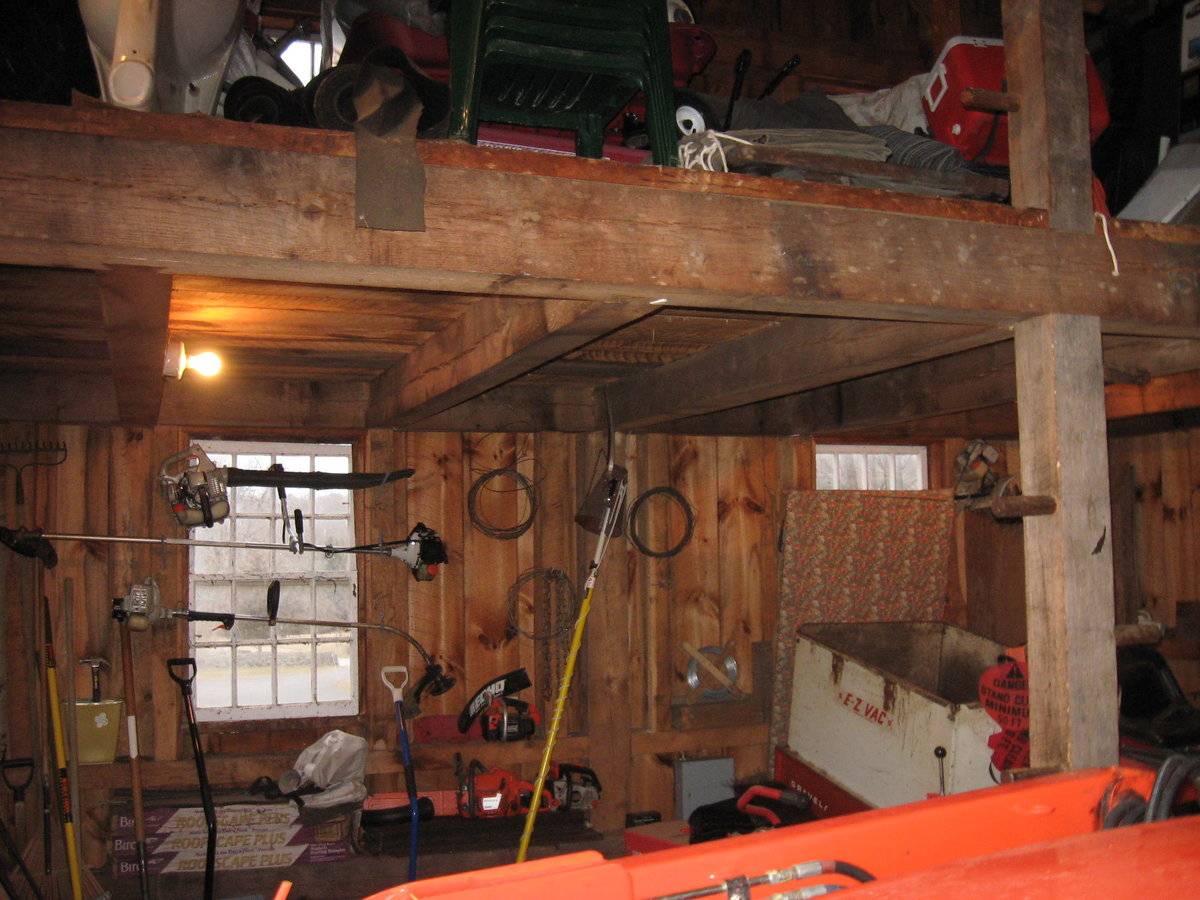
the English colonists’ homeland. The name “30 by 40” originates from its size (in feet), which was large enough for 1 family and could service about 100 acres. The multi-purpose use of the English barn is reflected by the building’s construction in three distinct bays - one for each use. The middle
bay was used for threshing, which is separating the seed from the stalk in wheat and oat by beating the stalks with a flail. The flanking bays would be for animals and hay storage.Field Notes
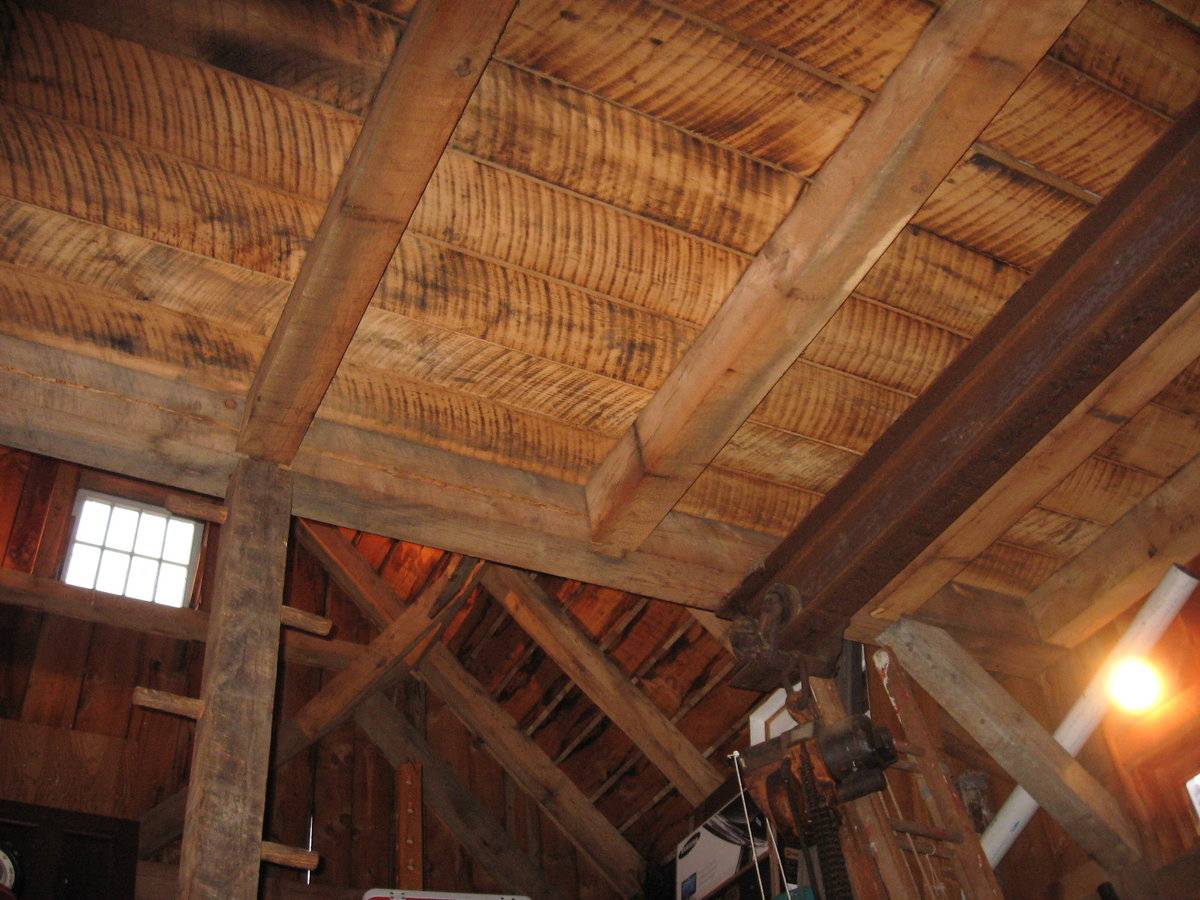
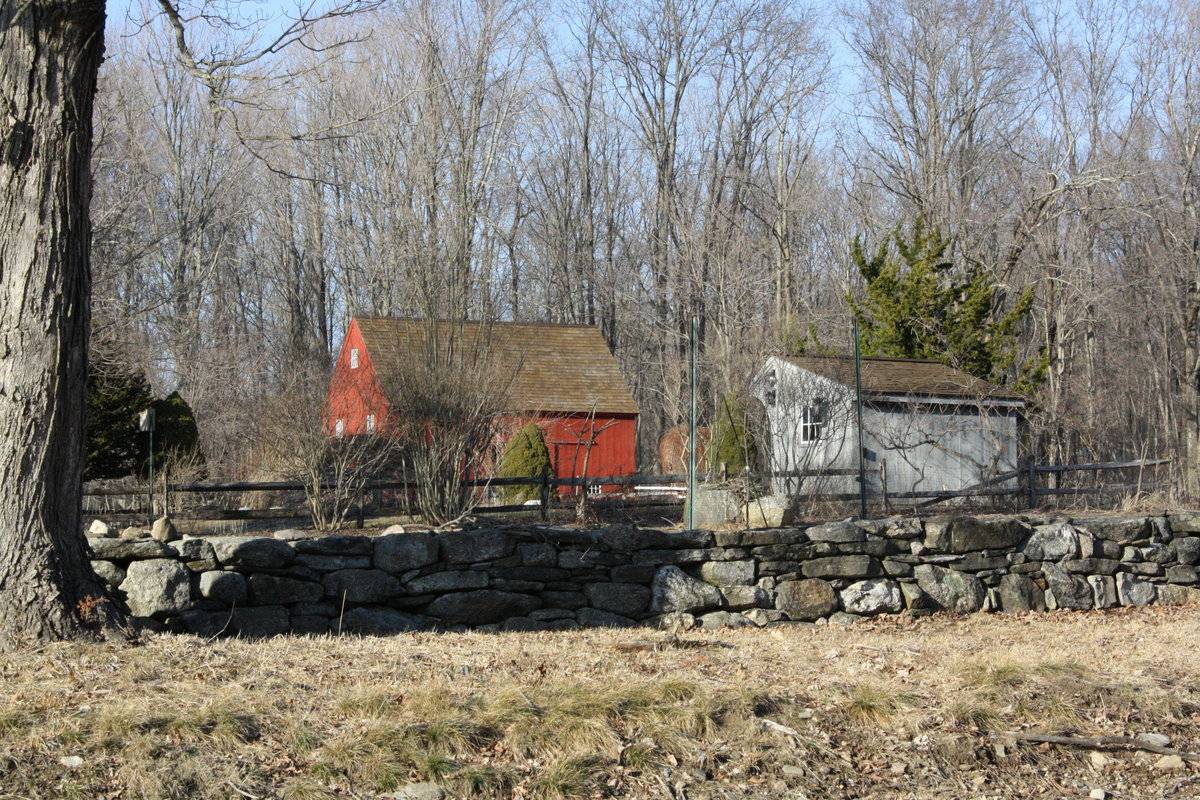
This well-maintained English-style barn is made of wood, and is located on the east side of the street. There is also a smaller outbuilding on the property. The barn has two visible entrances, one each on the north and south sides, and 5 windows on its west side. It is built on a foundation of bricks and mortar. The property is bordered by Long Hill Road on the west, and another road on the south which gives access to a newer development of homes. 1700's - owner stated barn was moved from Farmington at some point but not sure of date. Barn was restored. Also across the street is their property and an old cow parlor for milking. Restored, and used as a floral shop now.
- Use & Accessibility
Use (Historic)
Use (Present)
Exterior Visible from Public Road?
Yes
Demolished
n/a
Location Integrity
Moved
- Environment
Related features
Environment features
Relationship to surroundings
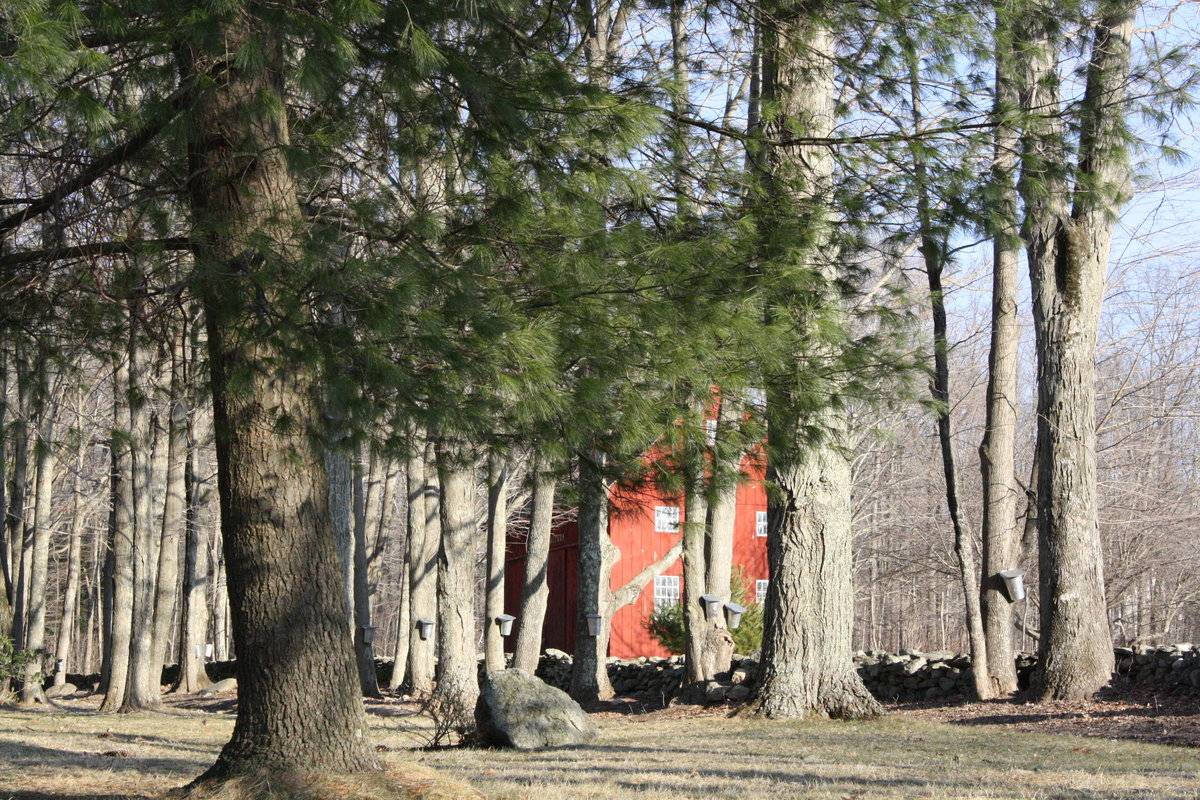
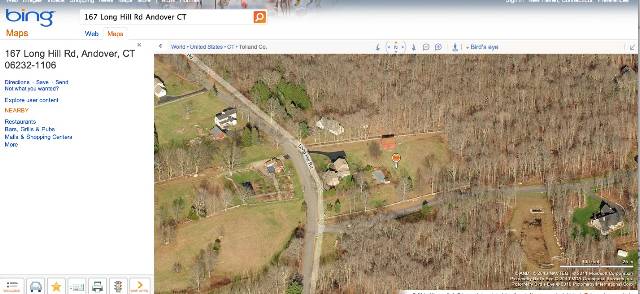
The barn is behind and to the northeast of the house with which it is associated, on the east side of Long Hill Road which runs north from its intersection with US Route 6. The ridge-line of the house is oriented north-south parallel to the road. The 1 ½ story gable-roofed cape style house, built in c. 1745, has several gable-roof additions on the northeast corner, including a garage. The 2.55-acre property is on the corner of Long Hill Road and Dogwood Drive. A driveway runs east from Long Hill Road and leads to the garage entry on the north side of the house. There is a pool and pool-house east of the house and to the south of the barn. The barn is surrounded by open land. A fieldstone boundary wall runs alongside the north eave-side of the barn. The barn is also associated with the 9-acre property across Long Hill Road (no. 172) to the west, which has a gable-roofed building used for a retail florist, gardens, open land and woodland. The area surrounding the property is woodland, open land and residential. The property is approximately 1.7 miles west of Andover center.
- Typology & Materials
-
Building Typology
Materials
Structural System
Roof materials
Roof type
Approximate Dimensions
n/a
- Source
-
Date Compiled
03/11/2011
Compiled By
L. Mackintosh & T. Levine, reviewed by CT Trust
Sources
Field notes and photographs by Ellen O’Shaughnessy & Pamela Brown date 3/22/2010.
Town of Andover Assessor’s Record or GIS Viewer: http://data.visionappraisal.com/AndoverCT/
Parcel ID: 34/ 025/ 000026/ / /Aerial Mapping:
http://www.bing.com/maps accessed 3/11/2011.Sexton, James, PhD, Survey Narrative of the Connecticut Barn, Connecticut Trust for Historic Preservation, Hamden, CT, 2005, http://www.connecticutbarns.org/history.
Visser, Thomas D., Field Guide to New England Barns and Farm Buildings, University Press of New England, 1997.
- PhotosClick on image to view full file
-