Barn Record Hampton
RETURN TO ‘FIND BARNS’- Building Name (Common)
- Jewitt House
- Building Name (Historic)
- Jewitt House
- Address
- 209 Main Street (Rte 97), Hampton
- Typology
- Overview
-
Designations
Historic Significance
Architectural description:
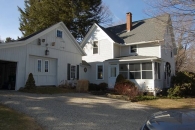
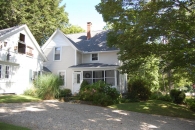
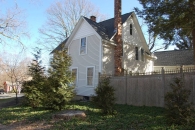
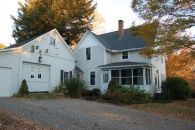
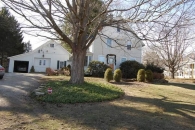
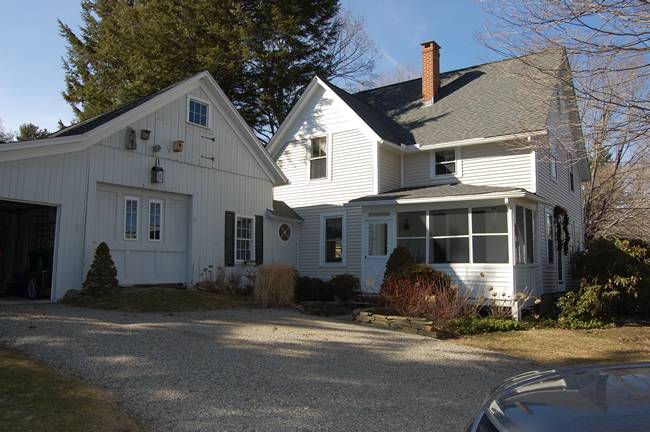
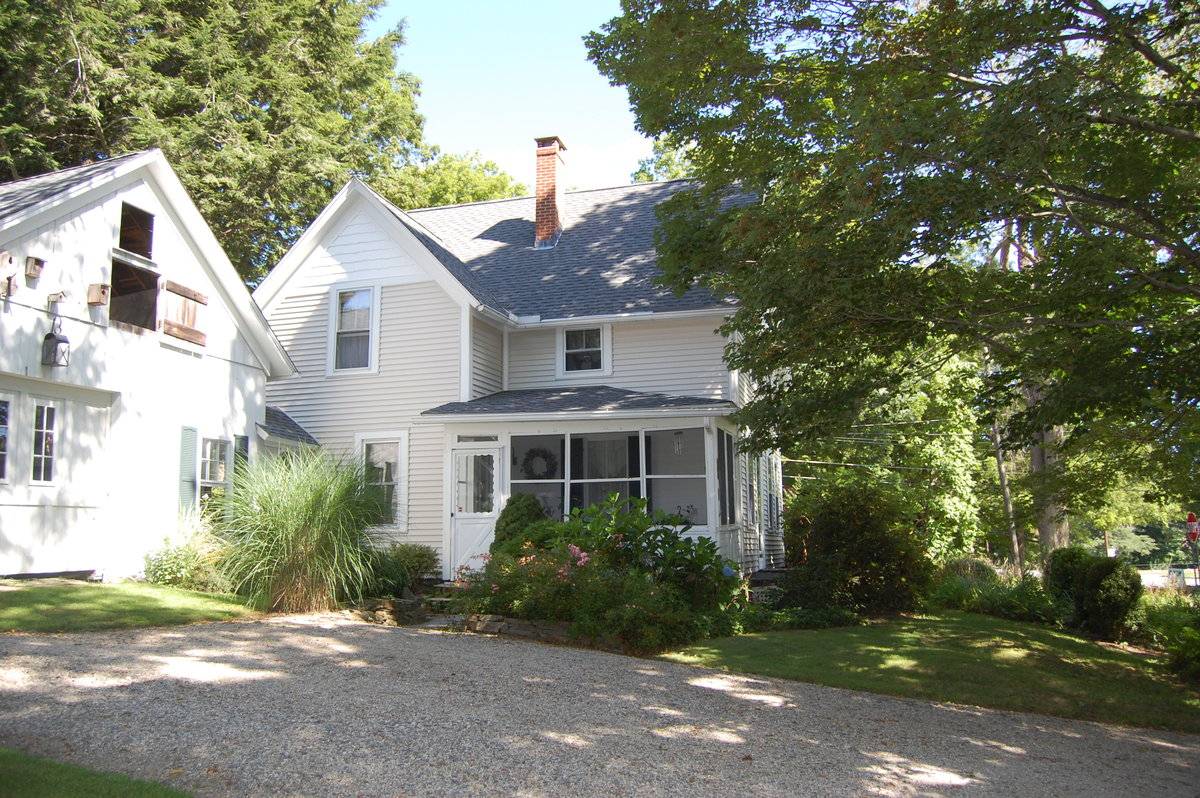
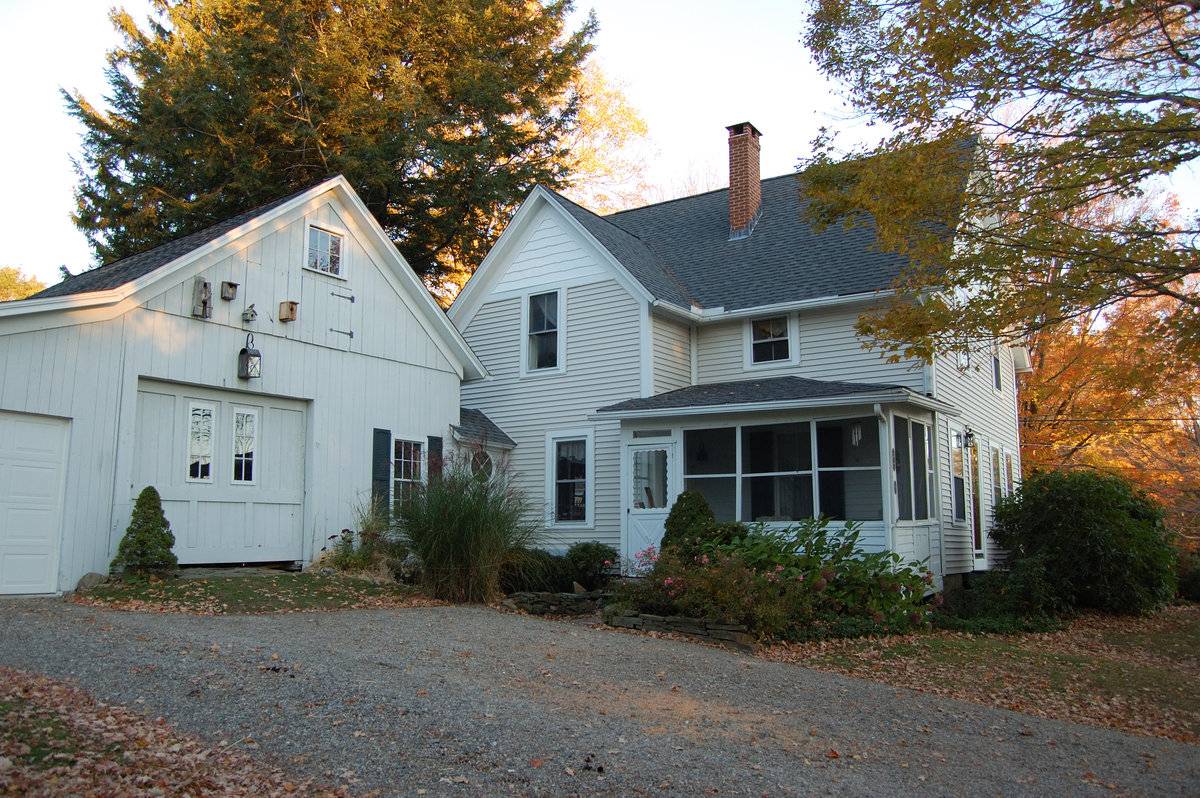
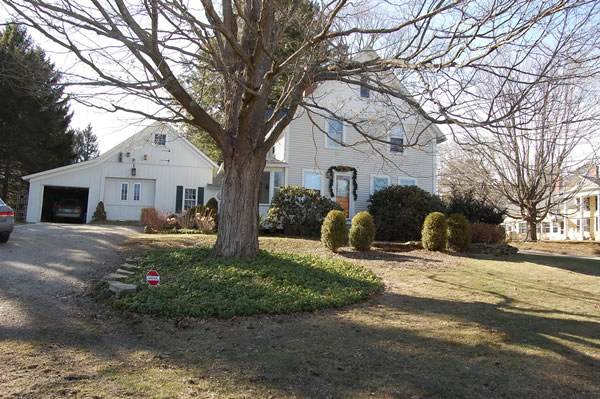
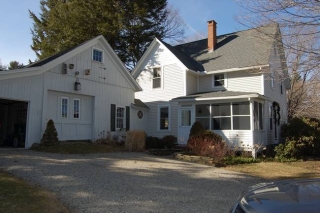
This is a 2-story, gable-entry, connected barn with a shed-roof addition. The main façade faces east and the ridge-line is perpendicular to Main Street, which at this point runs approximately north to south.
The main entry is found near the south corner of the east gable-façade of the barn, and consists of an interior sliding paneled door with two six-pane windows (added 1993) set within the center. Towards the north corner is a six-over-six double-hung window with trim and shutters. Centered above the girt line siding divide is a side-hinged hay door with original iron strap hinges. Just above this in the gable-attic of the east gable-façade of the barn is a six-pane window with trim.
Connecting the barn to the house is a small gable-roof extension with a round four-pane window with trim on the east side. The west side of the extension is open. On the north eave-side of the barn near the east corner, there is a pass-through door located under the gable-roof of the connecting extension. To the west of this is a six-pane window. Near the west corner of the north eave-side of the addition is a pass-through door. There appears to be no other openings on this side.
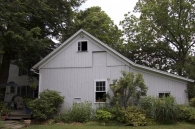
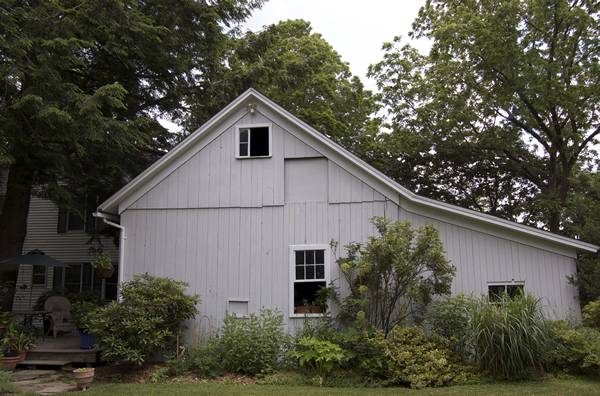
On the west gable-end of the barn, near the south corner is a six-over-one double-hung window with trim. Just above the girt line siding divide is a window opening that is now boarded. Found in the gable-attic of the west gable-end of the barn is a window opening with trim.
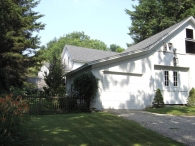
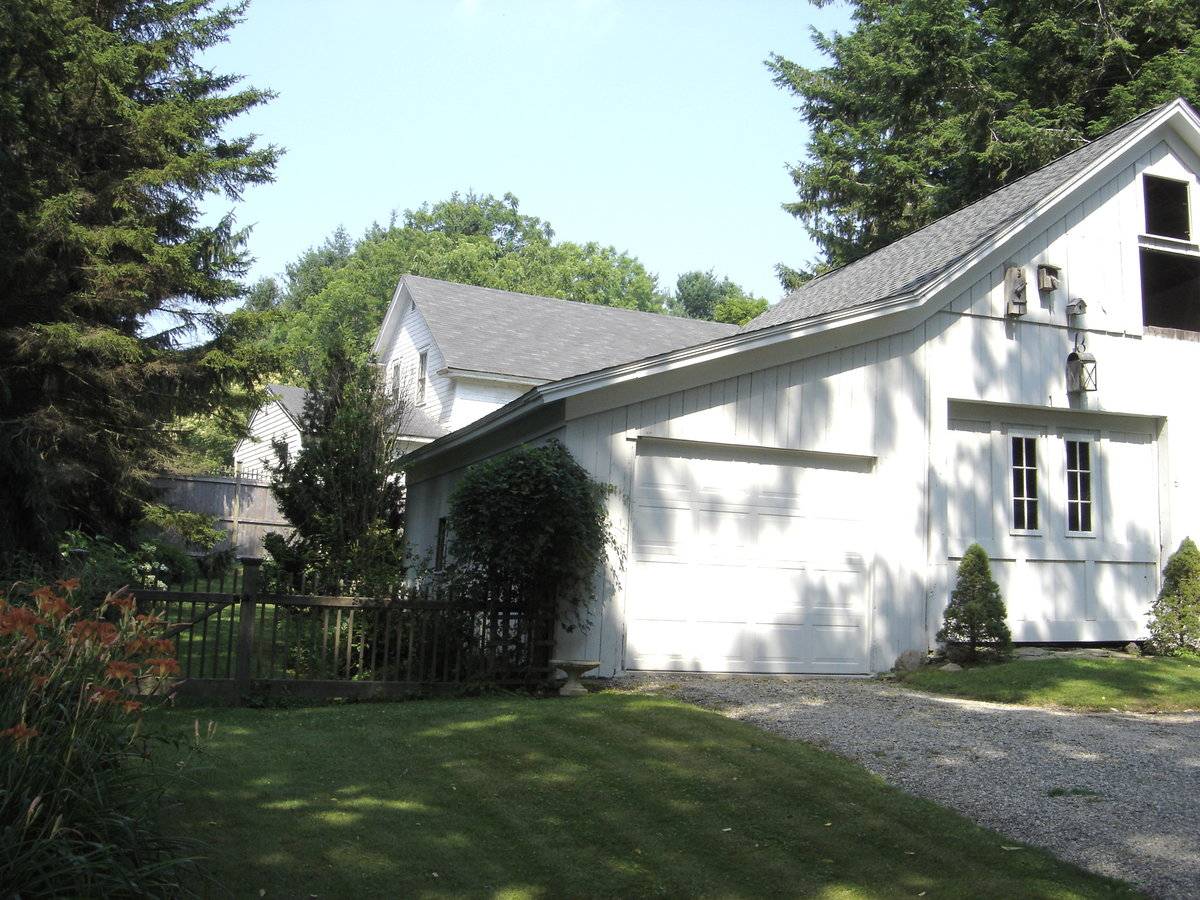
Attached to and encompassing the entire south eave-side of the barn is the shed-roof addition. Located on the east side of the addition is an overhead garage door, centered on this side. There appears to be a pass-through door on the east corner of the south side of the addition. Near the west corner of the south side is what appears to be a window. A window is found on the west side of the addition. The north side is encompassed by the barn to which it is attached.
The barn and addition are clad in vertical tongue and groove board and bead siding painted light grey. The gable and shed roofs have overhanging eaves and asphalt shingles.
Historical significance:The New England barn or gable-front barn was the successor to the English barn and relies on a gable entry rather than an entry under the eaves. The gable front offers many practical advantages. Roofs drain off the sides, rather than flooding the dooryard. With the main drive floor running parallel to the ridge, the size of the barn could be increased to accommodate larger herds by adding additional bays to the rear gable end. Although it was seen by many as an improvement over the earlier side-entry English Barn, the New England barn did not replace its predecessor but rather coexisted with it, as both types continued to be built.
Connected barns tied all of the functions of a farmstead - home, hearth, workplace and barn - into a series of linked buildings. This is the “big house, little house, back house, barn” of nursery rhymes.
Historical background:“The first settler to arrive in the part of Connecticut later known as the Town of Hampton was David Canada, who came there from Salem, Massachusetts in 1709. When the ecclesiastical society was formed in 1717, it was called Canada Parish. The term Hampton Hill was in use as early as 1712 for the central cross-roads section that roughly constitutes the district. The first meeting house was constructed in 1723. A separate Town of Hampton was split off from several adjoining towns and incorporated in 1786. The first town meeting was held November 13 of that year.
The census figures provide a dramatic insight into the history of the Town of Hampton. In 1790, four years after the town was formed, the population was 1332 whites and one slave. By 1800 the population had grown to 1379, the all-time high: During the 19th century the number of people living in the town gradually declined to a low of 475 in 1920. The population has now (1970) increased again to 1129.
During the 18th and 19th centuries the chief occupation of the residents of the town, including the district, was agriculture. Bountiful harvests from the land provided the raison d’etre of the community. Because the land, by comparison, was relatively free from boulders, the endless stone walls that characterize the part of Connecticut south and east of Hampton are not as prominent in the district. This is a major difference between the appearance of the Hampton Hill District and many other communities in eastern Connecticut.”
-Ransom, David, Hampton Hill National Register Historic District
Field Notes
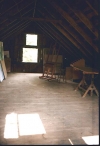
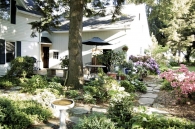
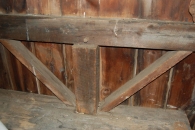
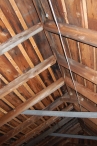
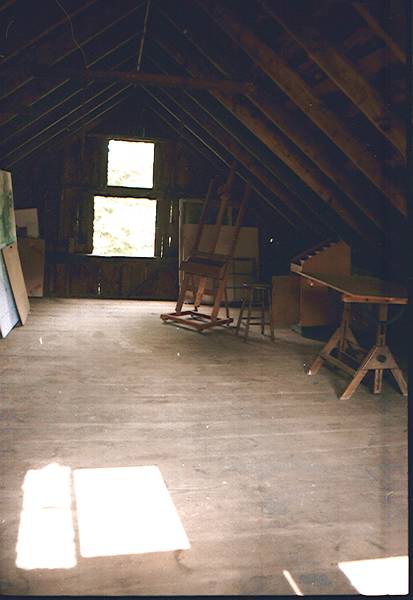
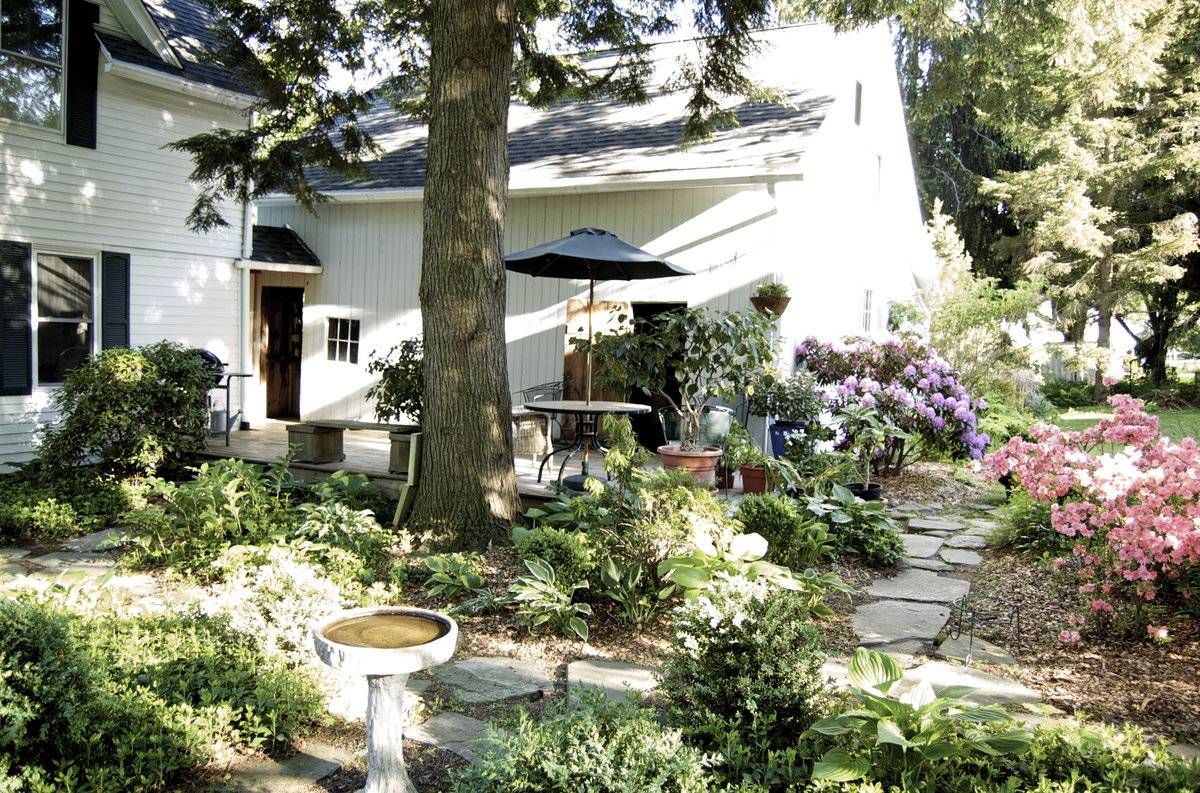
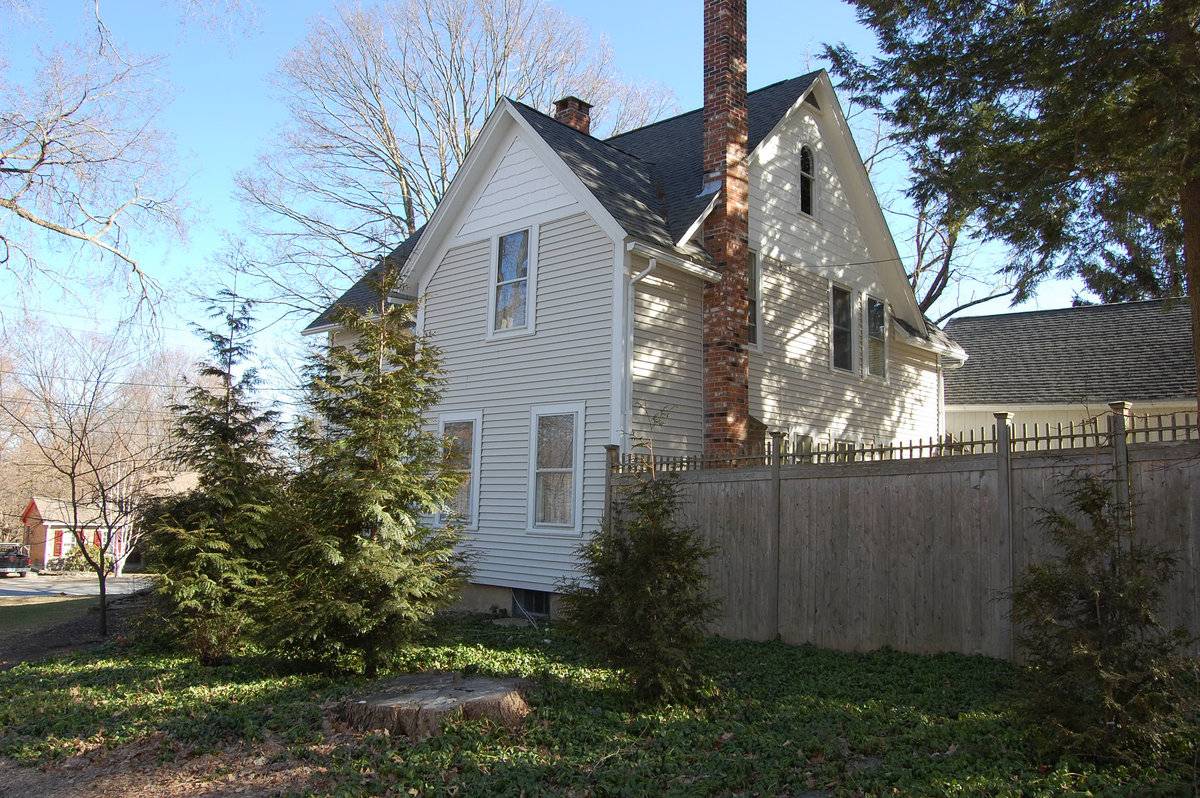
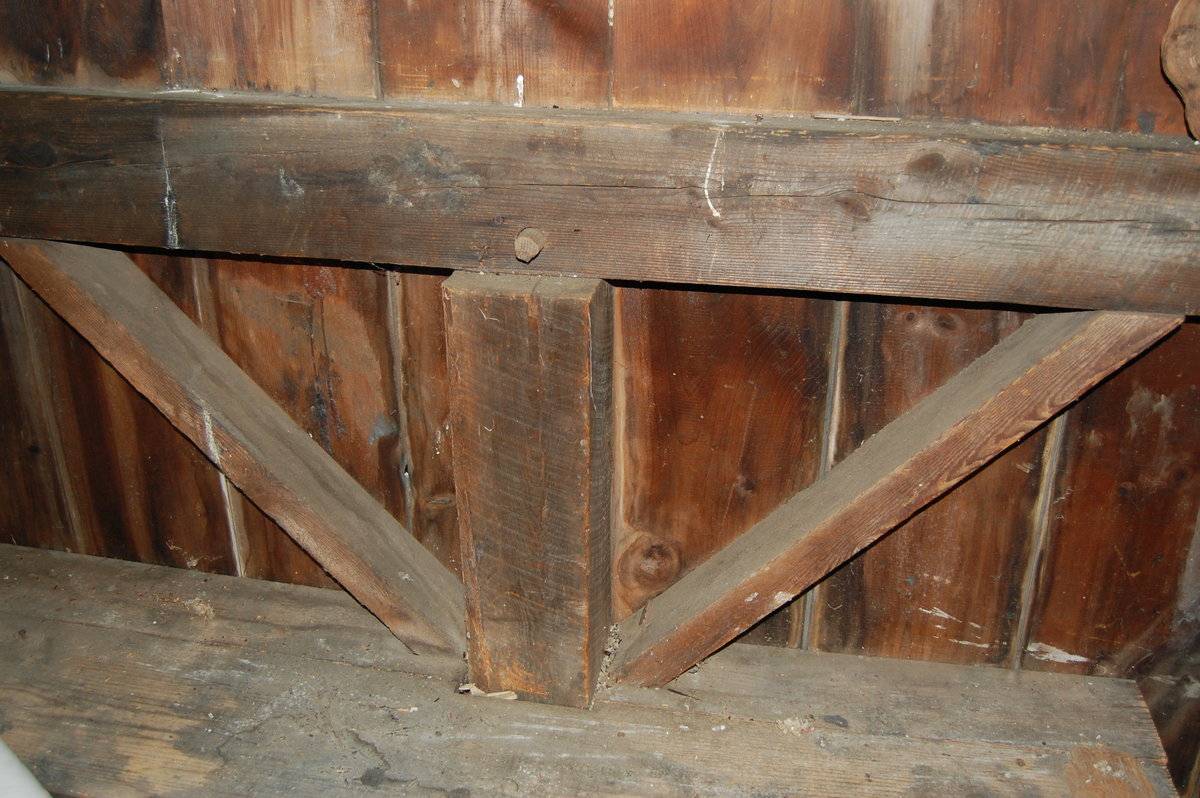
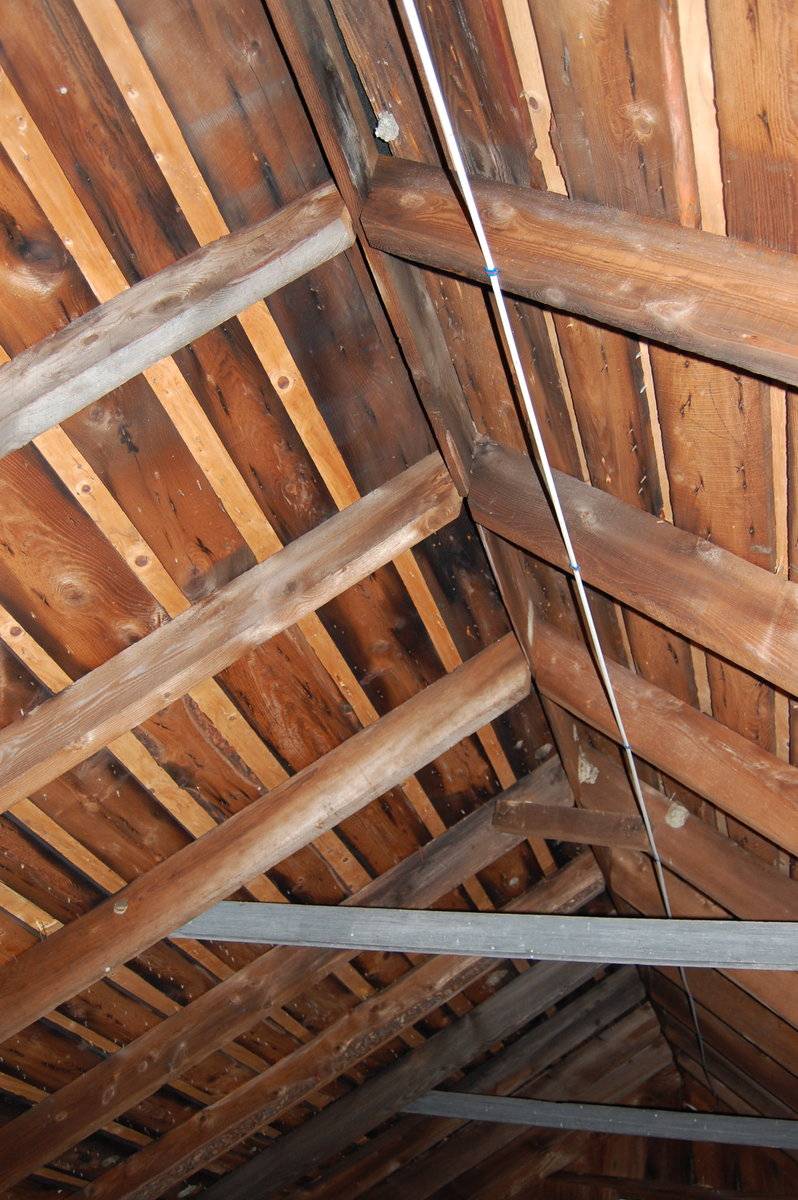
2010 Barns Grant applicant. My house and barn are 120+ years old and are on the National Register of Historic Places (as is the entire town village where the property is located at 209 Main Street - Hampton Hill Historic District, completed in 1982, Lot 20-19). My barn is the only home in the district with a barn attached to a residence and was originally built as such according to early photographs and the deed. The house is named the Jewitt House for Will Jewitt who used to be a town handyman, postman, proprietor of the general store, and probably small farmer, etc. The barn is post and beam and actually two stories with the first floor originally housing tractors and other equipment as well as the interior side of a chicken coop (entrance visible from the back of the barn). This can be confirmed by the dirt and oil stained floor boards, some of which I would like to reclaim through milling while most have been replaced many times over the years. The upper story has its original wide chestnut flooring in perfect condition and hand-hewn beams that still retain their original bark. The house has been fully restored with the exception of the porch. The only remaining section of the porch (still visible in the photographs) is soon to be removed and replaced with a replica of the original wrap-around porch. The barn is the only remaining portion of the structure to be restored. I've had three builders confirm that it is relatively sound, but is in need of some sill and support work (one sill has already been repaired - one or possibly two other sides need work). The barn still retains close to, if not the original, board and bead vertical side that covers the entire barn and garage. The side of the barn with an extension used as a garage is protected and thus has a solid sill. When the barn was built a big hole was probably dug and filled with New England field stones. Many of the stones probably came out of the foundation hole dug for the house and just tossed into the 'foundation' hole for the barn. Over the 120 years animals have created a cave of sorts under the barn and therefore the first floor sags a bit. The interior of the barn has only one main supporting cross beam with no posts other than the side walls. This supports the upstairs with no added weight or much walking upstairs, but it is a visible problem and is also sagging and needs work. 2013 renovation included foundation, insulation for reuse.
- Use & Accessibility
Use (Historic)
Use (Present)
Exterior Visible from Public Road?
Yes
Demolished
n/a
Location Integrity
Unknown
- Environment
Related features
Environment features
Relationship to surroundings
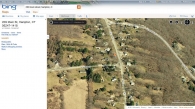
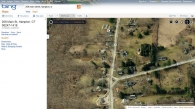
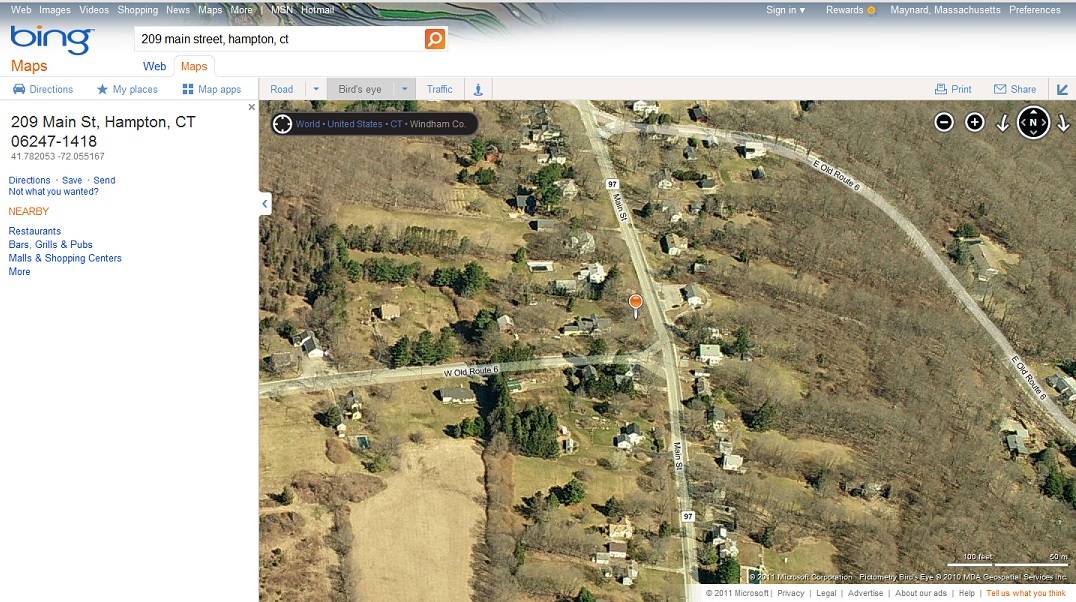
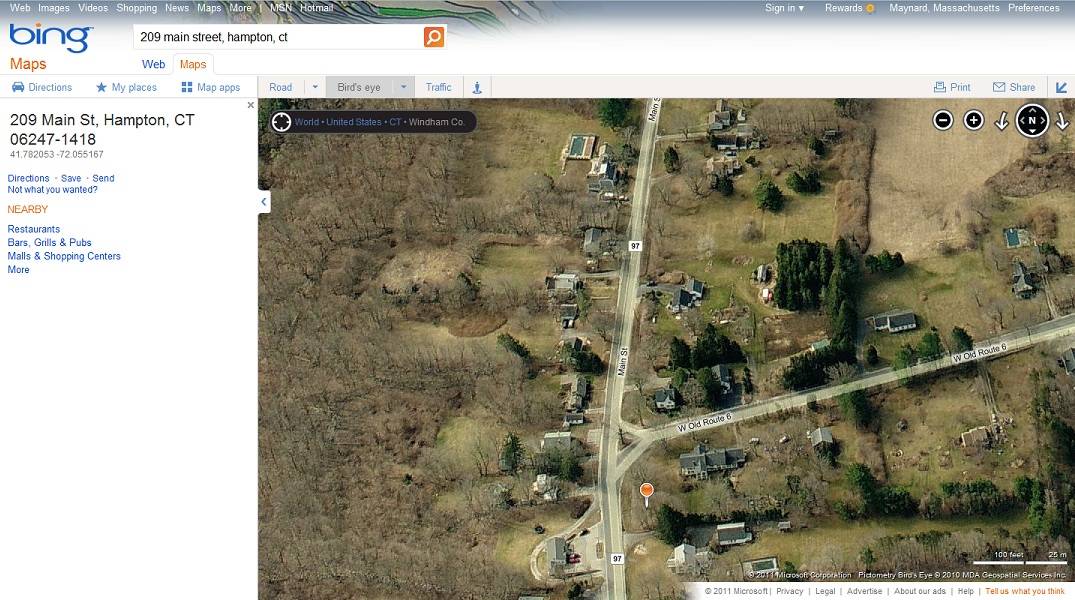
The barn is connected to the south side of the house with which it is associated. The main façade of the house faces east and the ridge-line is perpendicular to Main Street. A driveway extends to the west off Main Street and leads to the barn. The property sits at the intersection of Main Street and West Old Route 6, within the National Register Hampton Hill Historic District. To the north of the property are open tracts of land, woodland, residential areas, Greenwood Sudbury School, Fletcher Memorial Library and Hampton Elementary School. To the south are open tracts of land, woodland, residential areas, and South Cemetery. To the east are open tracts of land, woodland, and marsh land. To the west are open tracts of land and woodland. Surrounding the property are a few residential areas, woodland and open tracts of land.
- Typology & Materials
-
Building Typology
Materials
Structural System
Roof materials
Roof type
Approximate Dimensions
20 x 26
- Source
-
Date Compiled
09/02/2011
Compiled By
K. Young & T. Levine, reviewed by CT Trust
Sources
Field notes and photographs by Marny Lawton - 4/13/2010.
Ransom, David, Hampton Hill National Register Historic District No. 82004408, National Park Service, 1982.
Aerial Mapping: Hampton Maps
http://www.bing.com/maps - accessed 9/02/2011.Sexton, James, PhD, Survey Narrative of the Connecticut Barn, Connecticut Trust for Historic Preservation, Hamden, CT, 2005, http://www.connecticutbarns.org/history.
Visser, Thomas D.,Field Guide to New England Barns and Farm Buildings, University Press of New England, 1997.
- PhotosClick on image to view full file
-