Barn Record East Windsor
RETURN TO ‘FIND BARNS’- Building Name (Common)
- n/a
- Building Name (Historic)
- n/a
- Address
- 174 East Road, East Windsor
- Typology
- Overview
-
Designations
n/a
Historic Significance
Architectural Description:
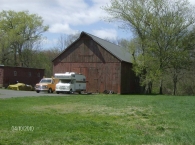
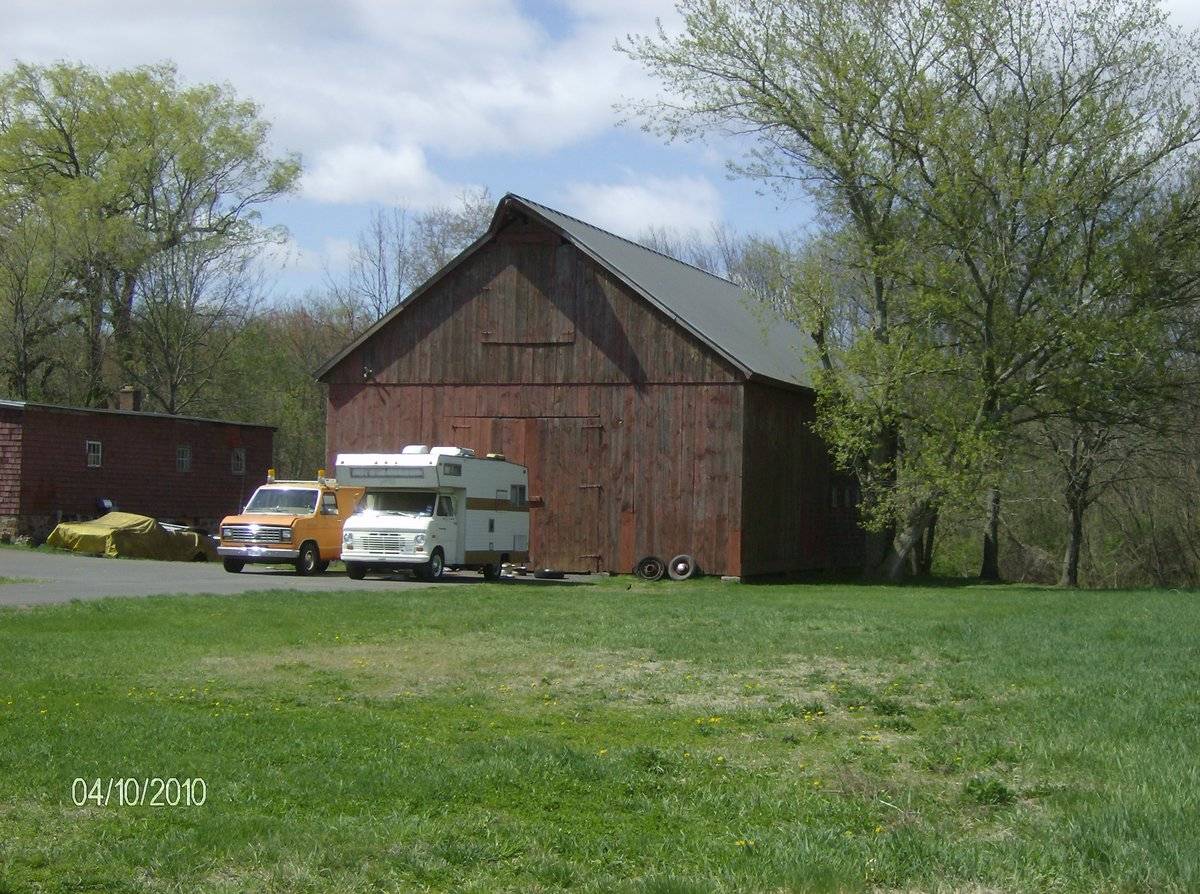
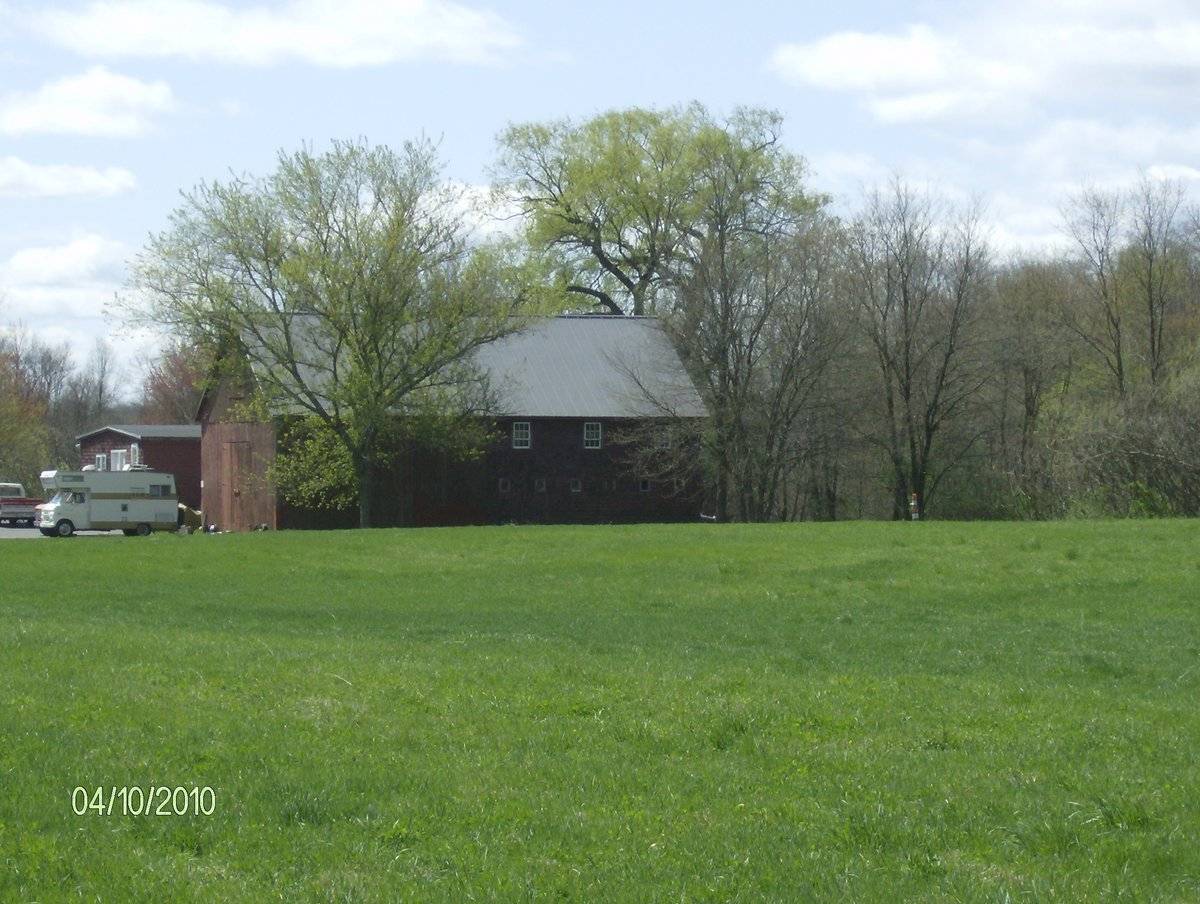
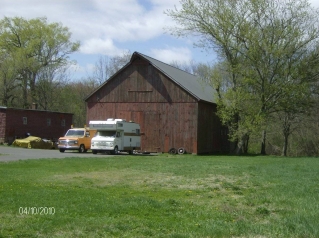
This is a 2 1/2- story multi-bay gable-entry barn with its main east gable-façade facing East Road. The bays towards the east appear to be later additions to the original three-bay barn. The ridge line of the barn runs east-west perpendicular to the road. The main entrance to the barn is centered on the main east gable-façade through a pair of double-height hinged wagon doors with blacksmith hardware. The gable attic above is separated from the rest of the façade by a distinct girt siding divide line and has a pair of hinged hay doors just below the apex of the roof which projects out to form the hay hood. The first three-bays from the west on the north eave-side of the barn have wood shingles while the rest of the eave-side has vertical siding. The three-bays from the west on the north eave-side of the barn have six equally spaced stable windows at the first floor level and three pairs of six-over-six double-hung sash windows equally spaced at the second floor level.
The wooden frame of the barn is supported on concrete footings and has metal roofing. The original portion of the barn towards the west has wood shingles while the rest of the barn has vertical siding.
Historical Significance:The New England barn or gable front barn was the successor to the English barn and relies on a gable entry rather than an entry under the eaves. The gable front offers many practical advantages. Roofs drain off the side, rather than flooding the dooryard. With the main drive floor running parallel to the ridge, the size of the barn could be increased to accommodate larger herds by adding additional bays to the rear gable end. Although it was seen by many as an improvement over the earlier side-entry English Barn, the New England barn did not replace its predecessor but rather coexisted with it, as both types continued to be built.
Field Notes
New England barn with small overhang above the door
- Use & Accessibility
Use (Historic)
Use (Present)
Exterior Visible from Public Road?
Yes
Demolished
n/a
Location Integrity
Unknown
- Environment
Related features
Environment features
Relationship to surroundings
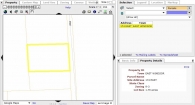
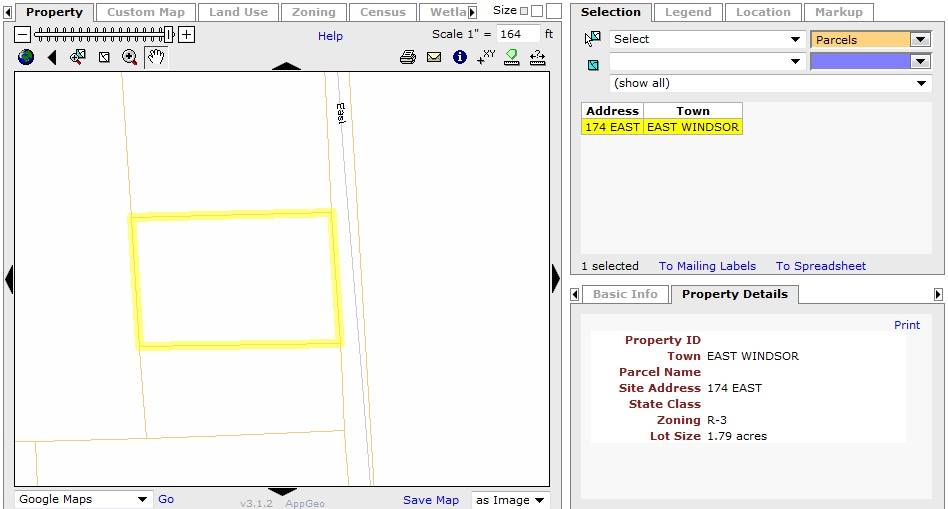
The 1.79 acres property, Map number – 27 57 016 -04, is situated towards the West of East Road in a pre-dominantly residential area of rural character. Residential plots can be seen towards the south of the property while parcels of open land with active agriculture can be seen towards the north and the east, across East Road. Dense woodland can be seen towards the west of the property.
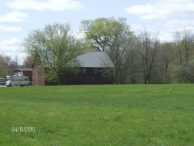
The barn is located towards the western edge of the property with the circa 1868 colonial main residence towards the south-east, nearer to East Road. A 1 ½ – story gable-roof shed can be seen towards the south of the barn. The ridge lines of both the barn and the shed runs east-west perpendicular to East Road. The barn is accessed by a drive way from the east while dense woodland can be seen towards the west.
- Typology & Materials
-
Building Typology
Materials
Structural System
Roof materials
Roof type
Approximate Dimensions
Barn: 2088 SqFt, Circa 1920 Shed: 1584 SqFt, Circa 1940
- Source
-
Date Compiled
11/05/2010
Compiled By
T. Levine and M. Patnaik, reviewed by CT Trust
Sources
Field Notes provided by John Harmon
Assessors’ records retrieved on November 5th , 2010 from website http://www.equalitycama.com/
GIS information retrieved on November 5th, 2010 from website http://www.crcog.org/gissearch/
Photograph/Information retrieved on November 5th, 2010 from website http://www.google.com
Information retrieved on November 5th, 2010 from website http://www.zillow.com
Sexton, James, PhD; Survey Narrative of the Connecticut Barn, Connecticut Trust for Historic Preservation, Hamden, CT, 2005, http://www.connecticutbarns.org/history
Visser, Thomas D.,Field Guide to New England Barns and Farm Buildings, University Press of New England, 1997.
- PhotosClick on image to view full file
-