Barn Record Vernon
RETURN TO ‘FIND BARNS’- Building Name (Common)
- n/a
- Building Name (Historic)
- n/a
- Address
- 172 Reservoir Road, Vernon
- Typology
- Overview
-
Designations
n/a
Historic Significance
Architectural Description:
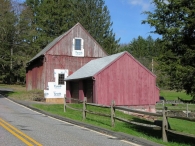
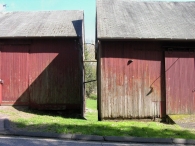
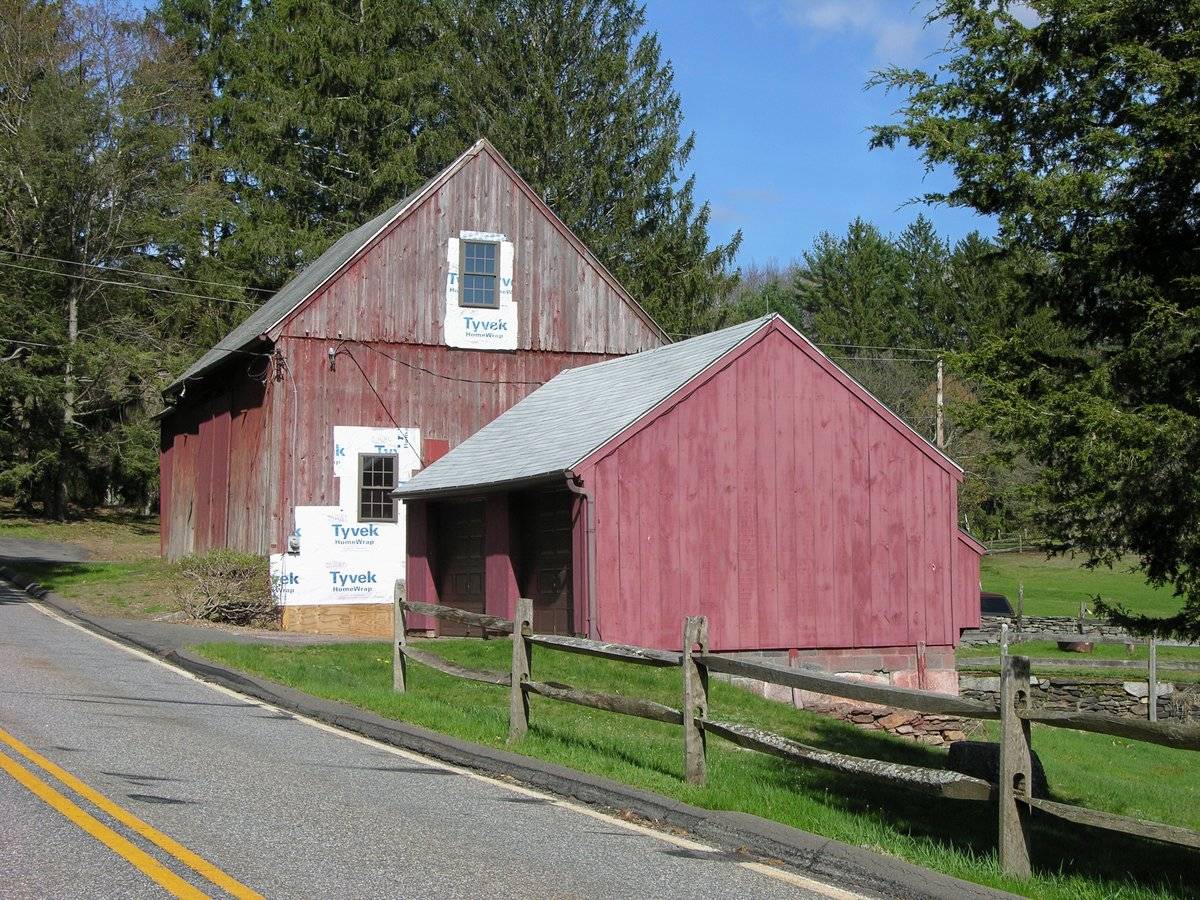
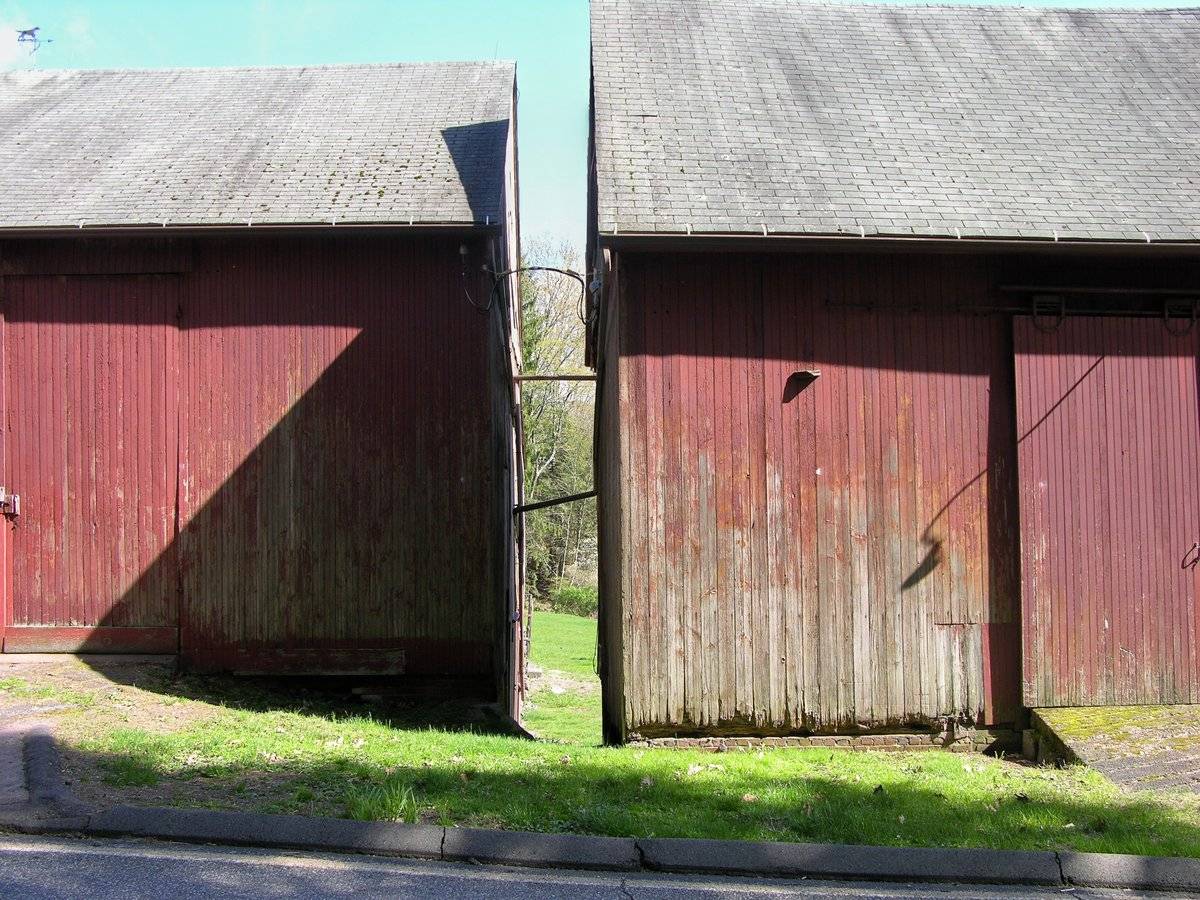
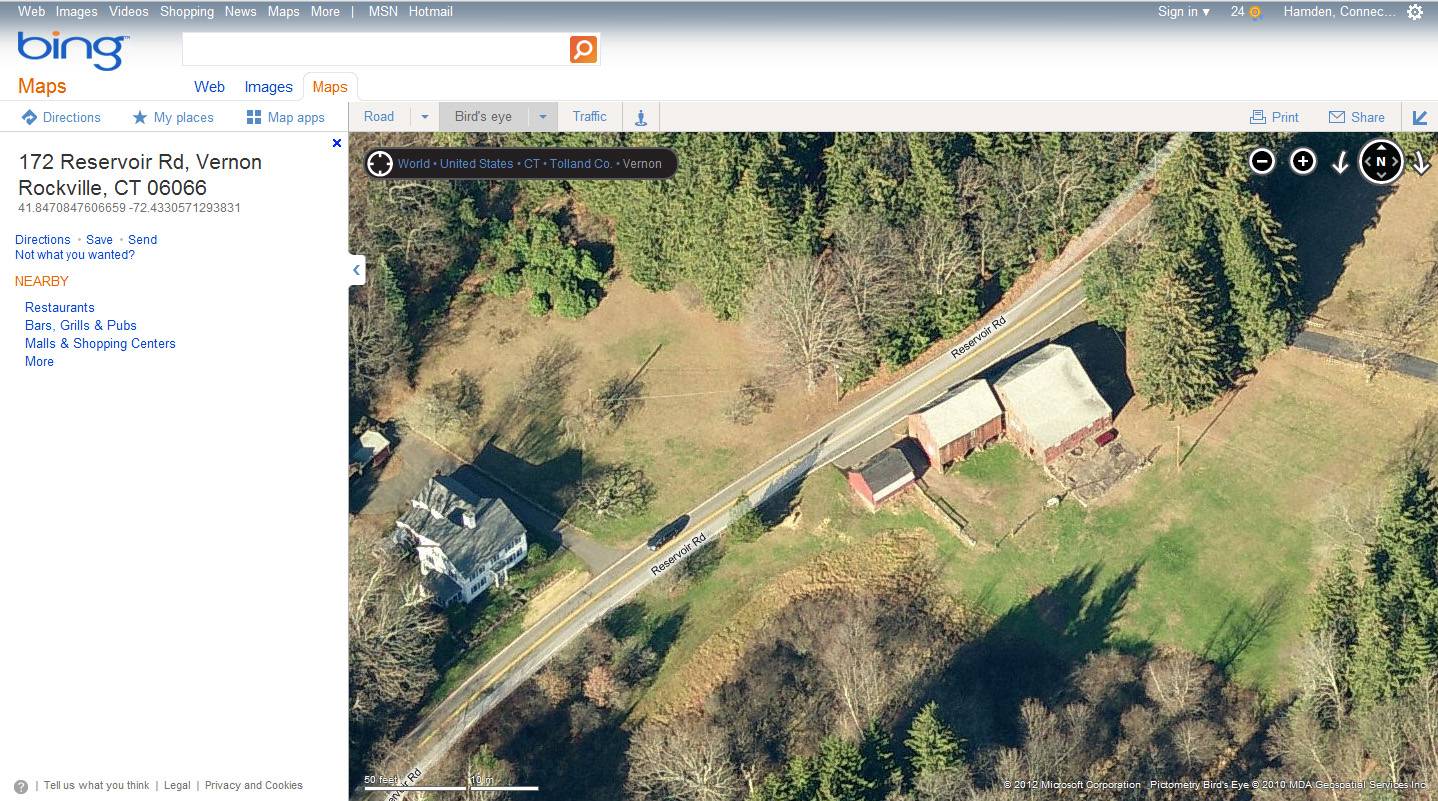
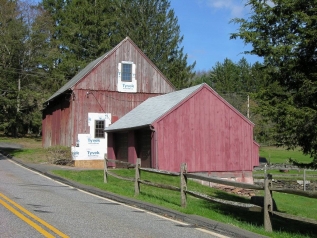
This is a two barn complex with a 1 ½ story eave-entry barn towards the north, Barn-I, and another 1 ½ story eave-entry bank barn towards the south, Barn-II. A 1 story eave-entry gable-roof garage can be seen towards the south of Barn-II. The western eave-façades of both Barn- I & II and the garage face Reservoir Road while their ridge-lines run north-south parallel to the road.
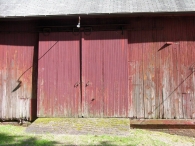
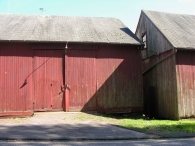
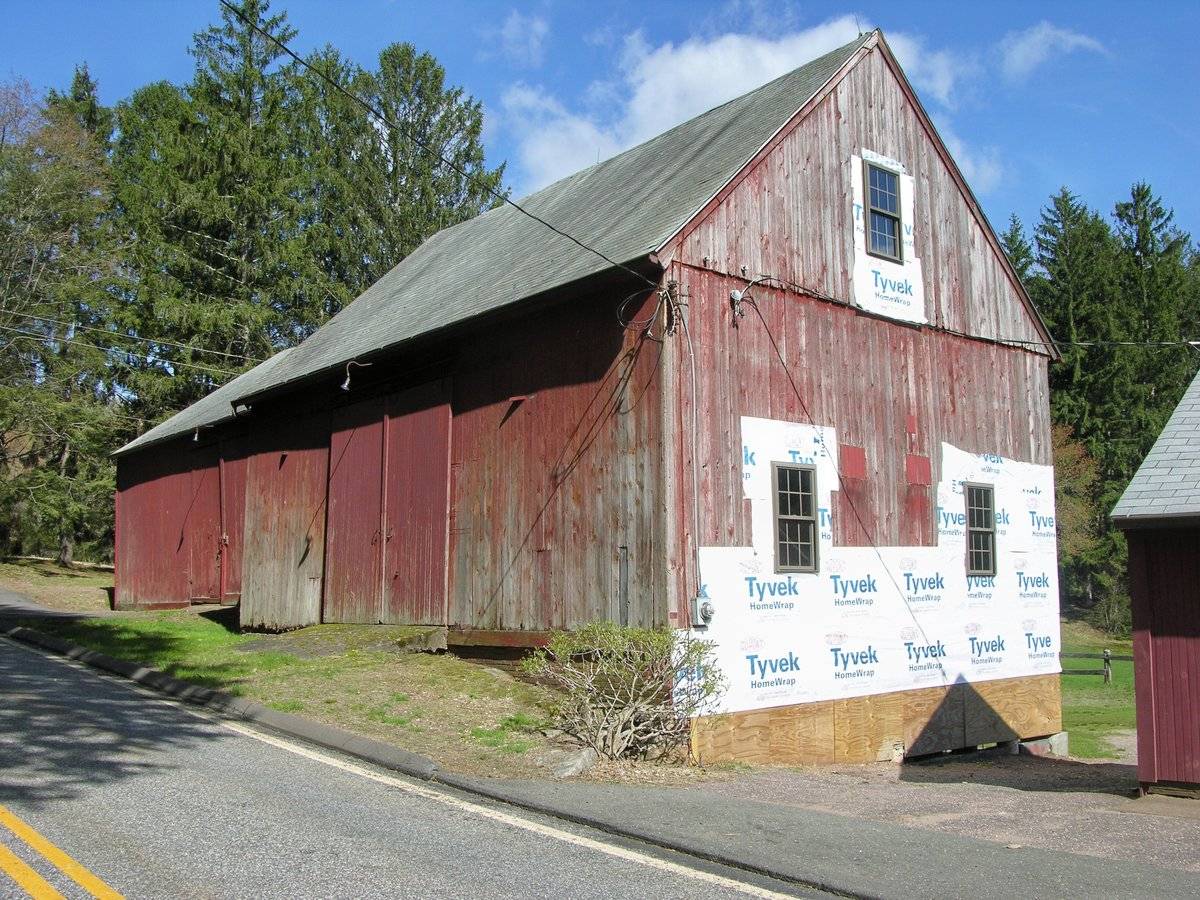
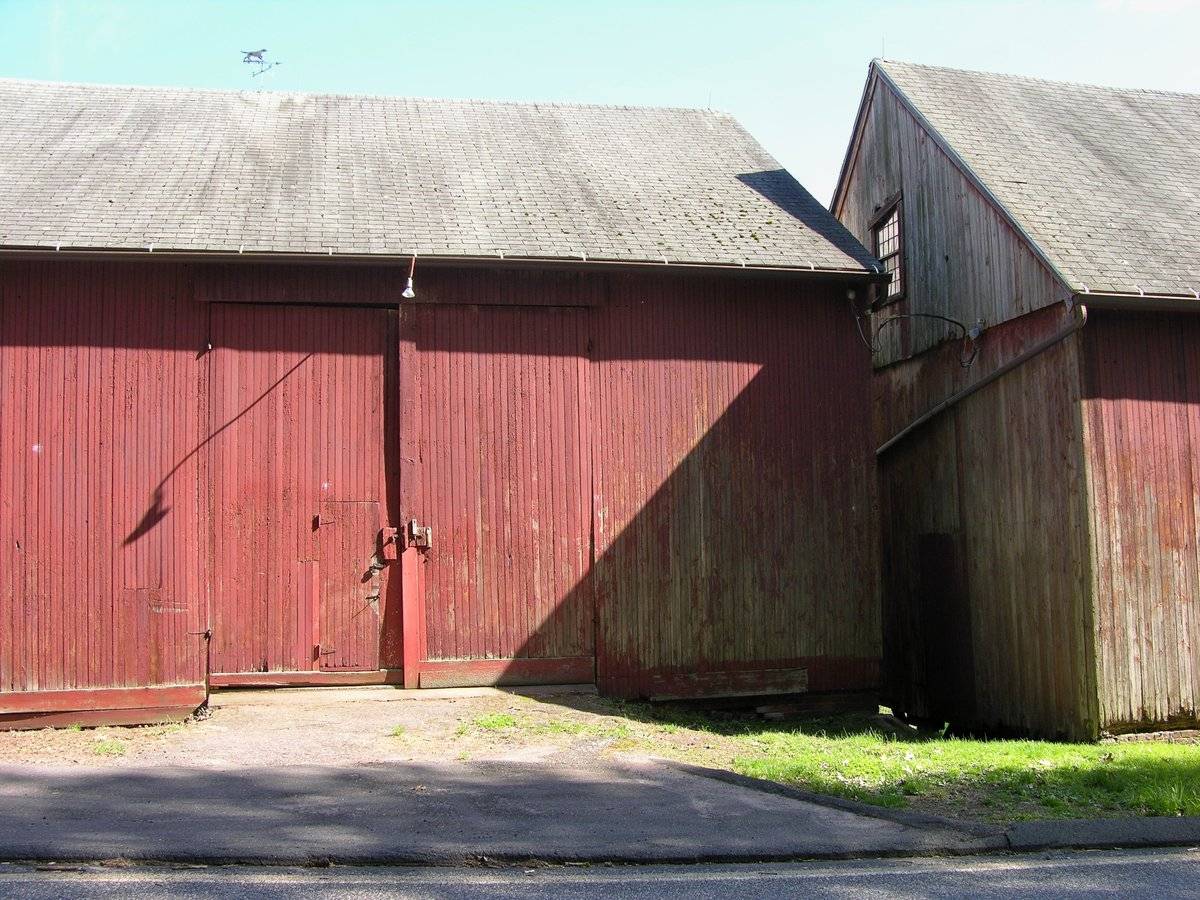
The 1 ½ story three-bay eave-entry Barn-I towards the north of the complex has a shed-roof addition accomplishing the entire length of the eastern eave-façade. The main façade of the barn is the three-bay western eave-façade with the main entrance in the middle bay through a pair of double-height hinged wagon doors opening outside. The northern door leaf of the main entrance has a hinged weather-door insert towards the south. The northern gable-façade of the barn has trim along the girt siding divide line separating the gable-attic which has a window just below the apex of the roof. The northern side-wall of the shed-roof addition is flush with the northern gable-façade of the main barn.
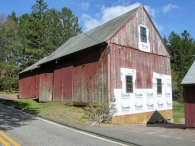
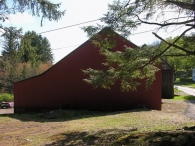
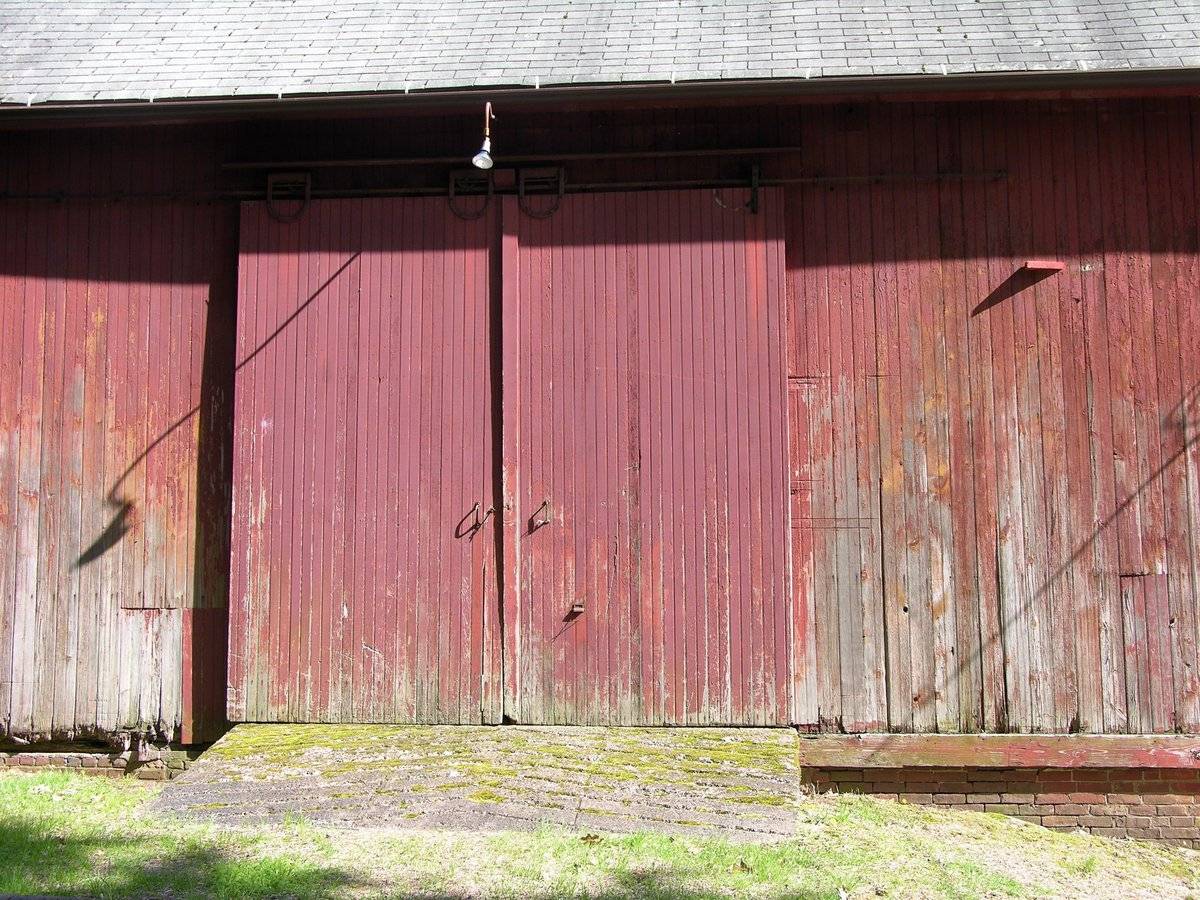
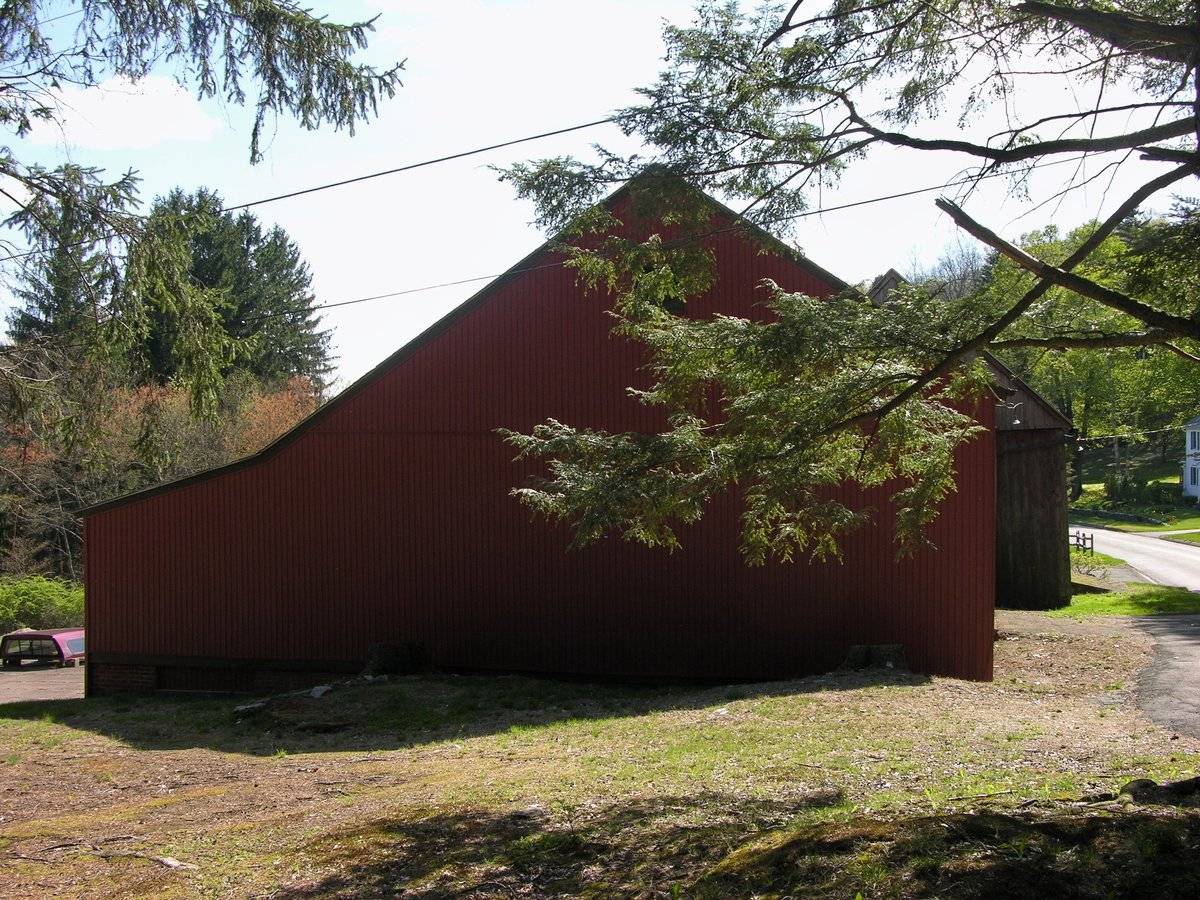
The wooden frame of the barn has red-painted vertical siding walls and asphalt roofing.The 1 ½ story three-bay eave-entry Barn-II towards the south of Barn-I has a bank along the eastern eave-façade. The main façade of the barn is the three-bay western eave-façade with the main entrance in the middle bay through a pair of double-height sliding wagon doors accessed by a concrete ramp. The grade level gradually drops towards either side of the main entrance revealing the brick masonry foundation below. The southern gable-façade of the barn has two pairs of six-over-six double-hung sash windows with the gable attic above separated by a distinct girt siding divide line. A similar pair of six-over-six double-hung sash window insert can be seen centered on the gable attic. The façade has ply-wood near the grade level that gradually drops towards the east to form the bank along the eastern eave-façade. The three-bay eastern eave-façade of the barn has three open bays at the bank level opening into a fenced paddock.
The wooden frame of Barn-II is supported on concrete and brick masonry foundation. The barn has red painted vertical siding and asphalt shingles roofing.
Historical Significance:The oldest barns still found in the state are called the “English Barn,” “side-entry barn,” “eave entry,” or a 30 x 40. They are simple buildings with rectangular plan, pitched gable roof, and a door or doors located on one or both of the eave sides of the building based on the grain warehouses of the English colonists’ homeland. The name “30 by 40” originates from its size (in feet), which was large enough for 1 family and could service about 100 acres. The multi-purpose use of the English barn is reflected by the building’s construction in three distinct bays - one for each use. The middle bay was used for threshing, which is separating the seed from the stalk in wheat and oat by beating the stalks with a flail. The flanking bays would be for animals and hay storage.
The 19th century saw the introduction of a basement under the barn to allow for the easy collection and storage of a winter’s worth of manure from the animals sheltered within the building. The bank barn is characterized by the location of its main floor above grade, either through building into a hillside or by raising the building on a foundation. This innovation, aided by the introduction of windows for light and ventilation, would eventually be joined by the introduction of space to shelter more animals under the main floor of the barn.Sheep farming was at first undertaken for the meat and wool to be used domestically. Following the English tradition, it was recognized that sheep needed abundant fresh air and easy access to pastures. But the New England climate could cause problems requiring shelter. For larger flocks, farmers tried simple open structures or small hay barns flanked by open sheds. During the early 1800s raising merino sheep for wool became a lucrative activity and a more specialized type of sheep shed was built, still with open doors for the sheep to go in and out. Sheep farming collapsed in the late 1830s, but revived during the Civil War as demand developed for wool to replace cotton and meet military needs. The sheep barn form evolved, with an open shed on the ground floor and a hayloft above.
Field Notes
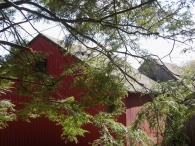
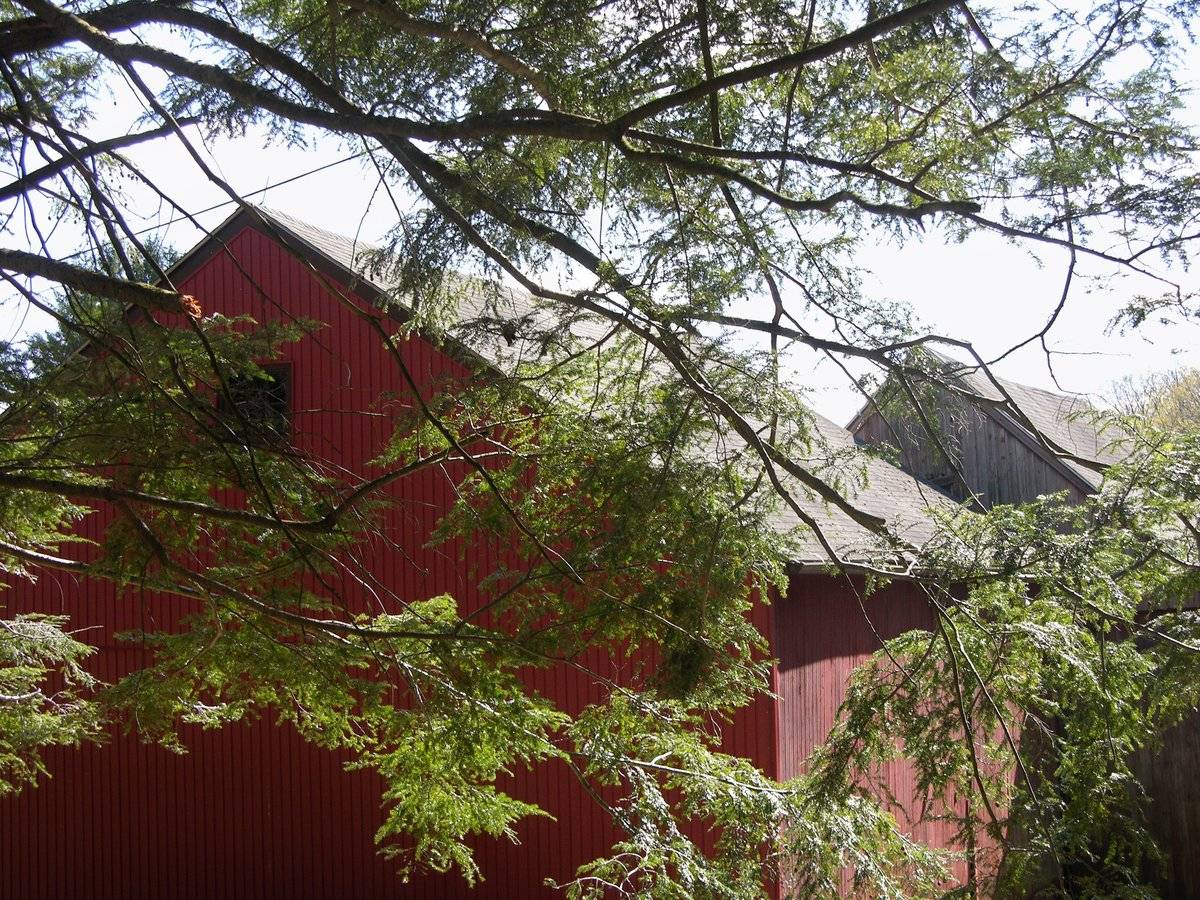
There are two red barns in a row, with one smaller than the other. Both the barns are English barns with similar features and building materials. The superstructure of the barns stand on brick foundation. Some recent renovations and repair work have been carried out (Photographs attached).
- Use & Accessibility
Use (Historic)
Use (Present)
Exterior Visible from Public Road?
Yes
Demolished
n/a
Location Integrity
Unknown
- Environment
Related features
Environment features
Relationship to surroundings
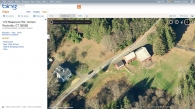
The property is towards the east of Reservoir Road surrounded dense woodland towards the south and the north with a residential property towards further east. A driveway can be seen towards the north of the property leading to the residence towards the east.
The barn complex is towards the north-west corner of the property abutting to Reservoir Road comprising of Barn-I and Barn-II. The eastern eave-façades of both Barn-I & II open into small paddocks with edges defined by un-mortared field-stone masonry boundary wall. A 1 story eave-entry gable-roof garage can be seen towards the south of Barn-II. A patch of open land can be seen towards the south and the east of the property and dense woodland towards further east.
- Typology & Materials
-
Building Typology
Materials
Structural System
Roof materials
Roof type
Approximate Dimensions
n/a
- Source
-
Date Compiled
08/10/2010
Compiled By
T. Levine and M. Patnaik, reviewed by CT Trust
Sources
Photographs and field-notes provided by – David and Emily Maker
Aerial view retrieved on April 9, 2012 from website http://www.bing.com/maps
Sexton, James, PhD; Survey Narrative of the Connecticut Barn, Connecticut Trust for Historic Preservation, Hamden, CT, 2005, http://www.connecticutbarns.org/history.
Visser, Thomas D.,Field Guide to New England Barns and Farm Buildings, University Press of New England, 1997.
- PhotosClick on image to view full file
-