Barn Record Somers
RETURN TO ‘FIND BARNS’
- Overview
-
Designations
n/a
Historic Significance
Architectural description:
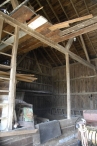
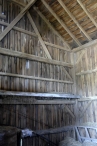
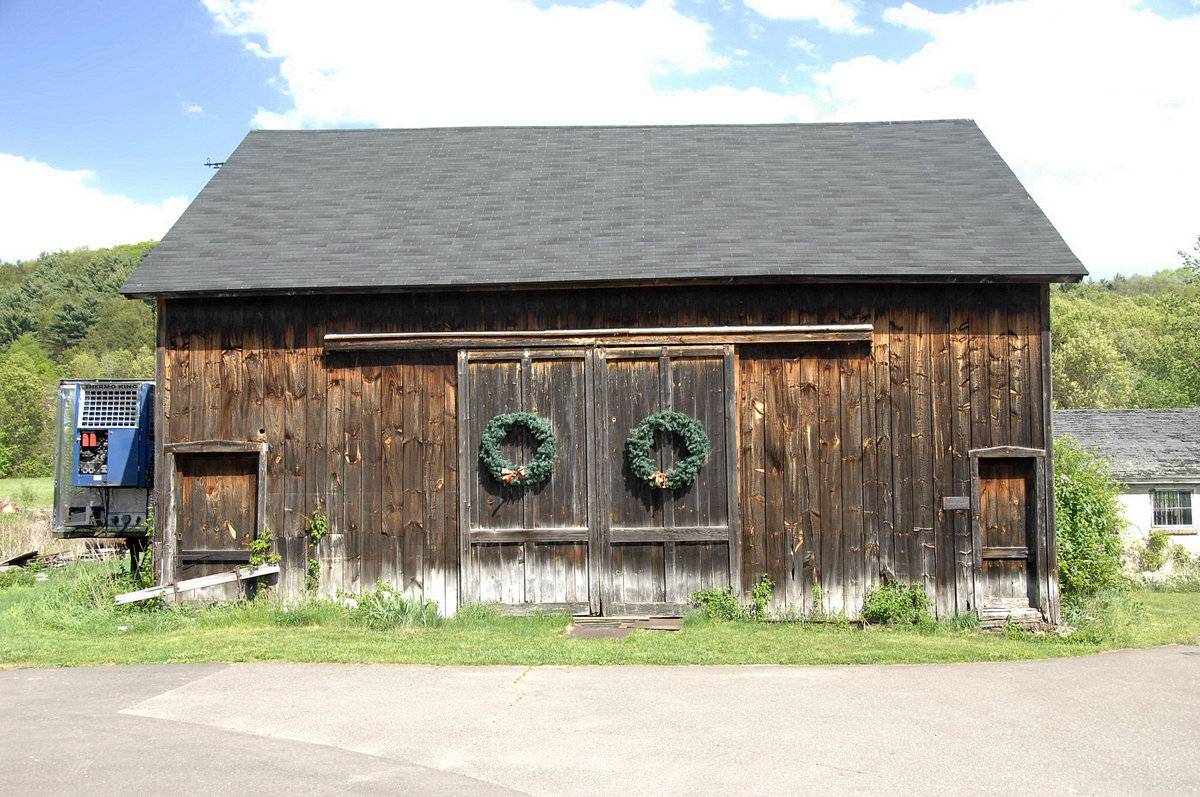
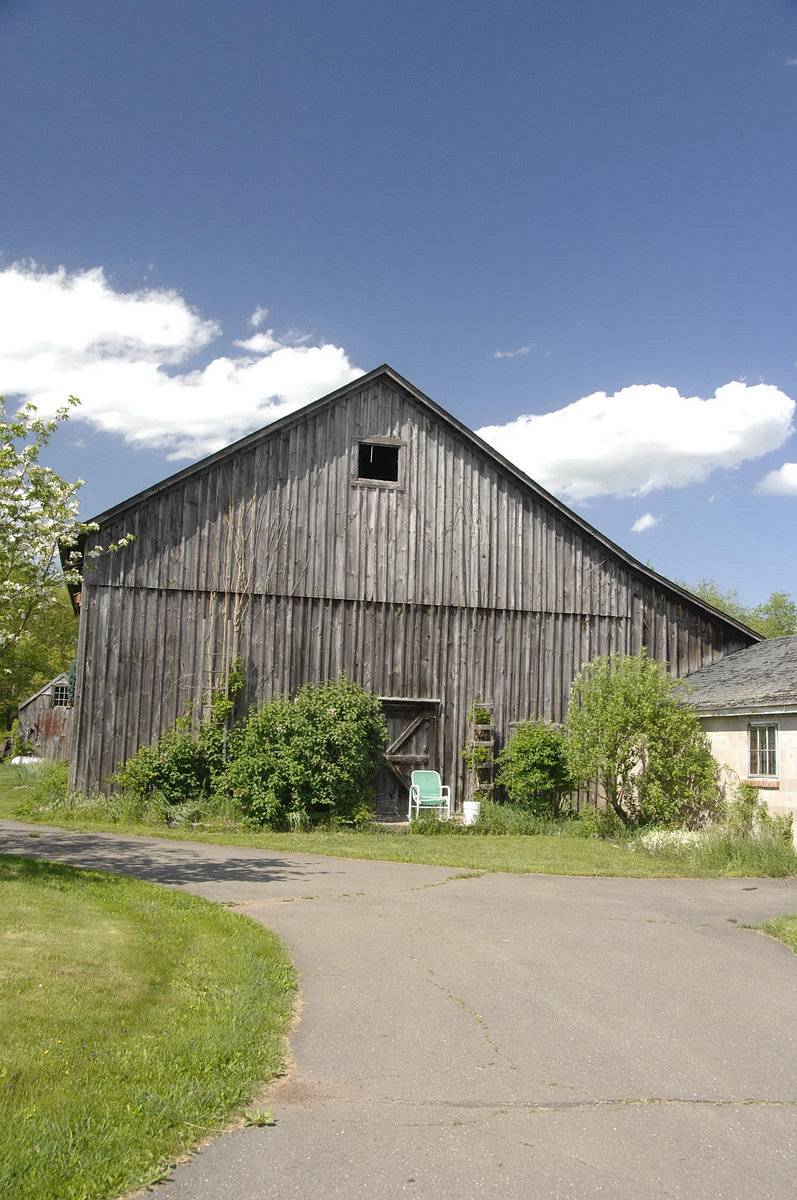
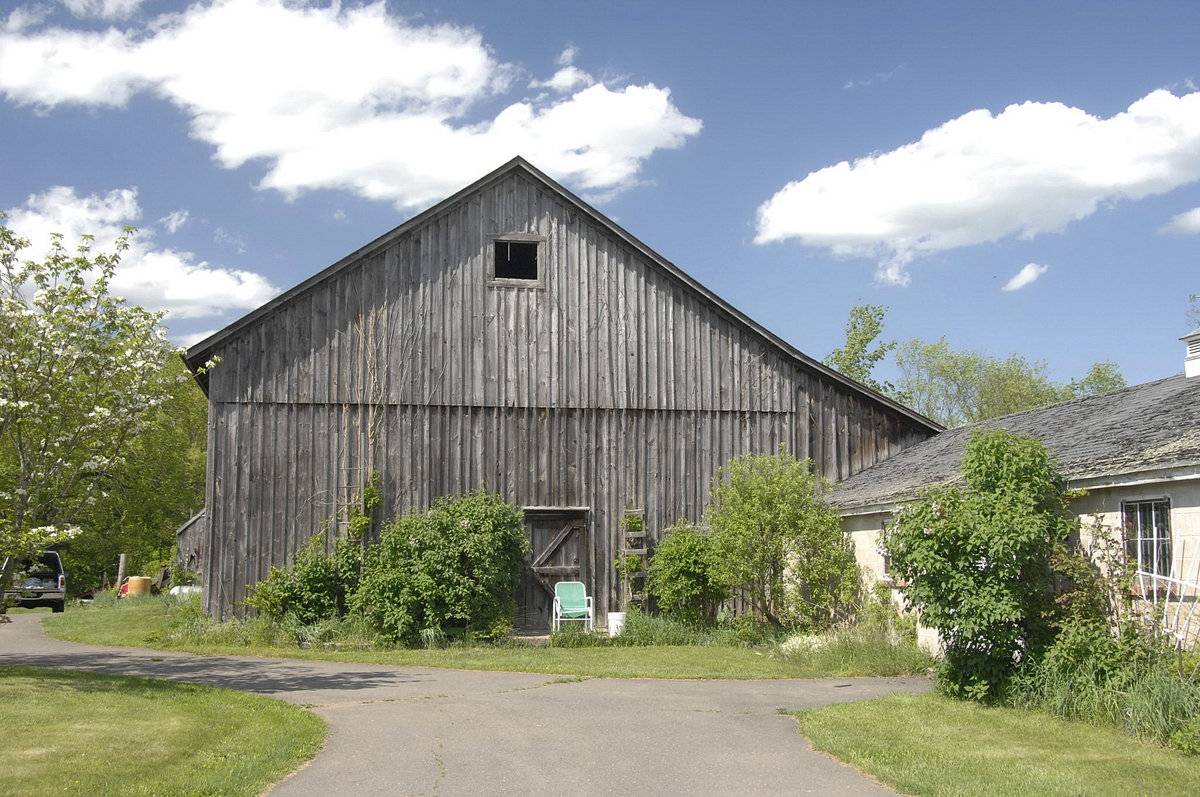
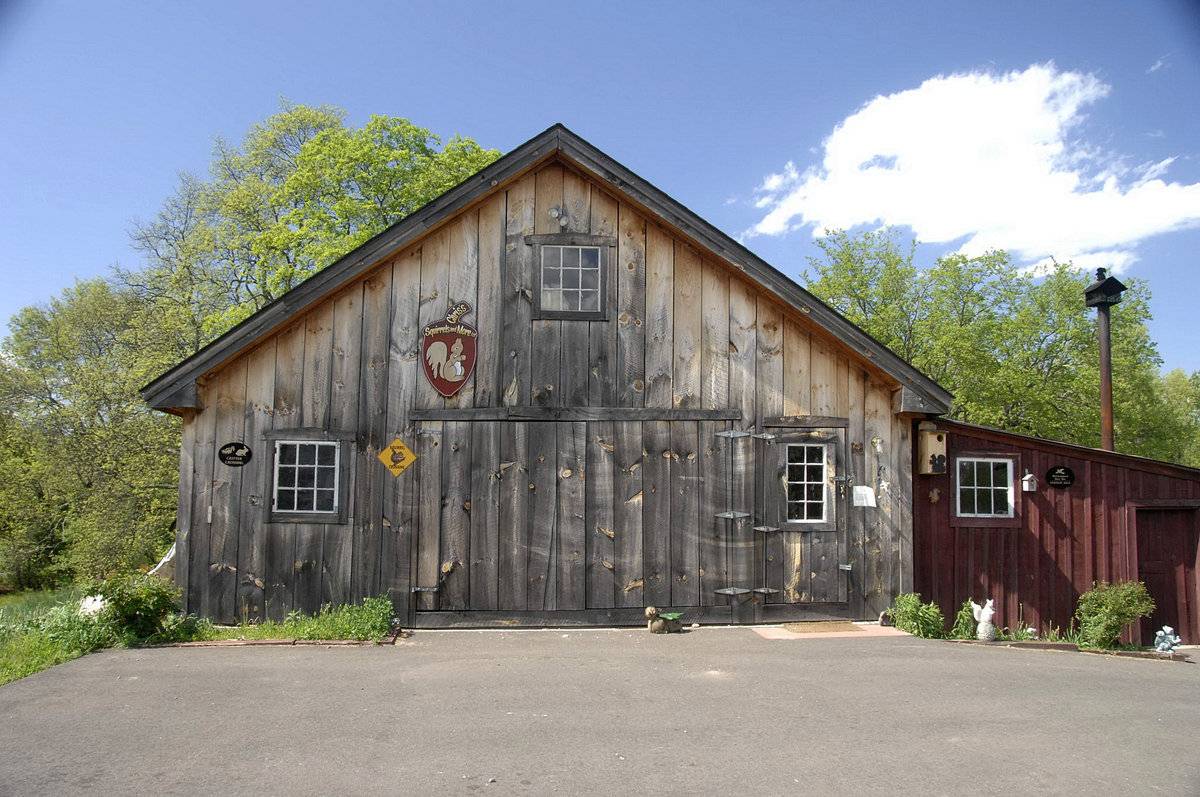
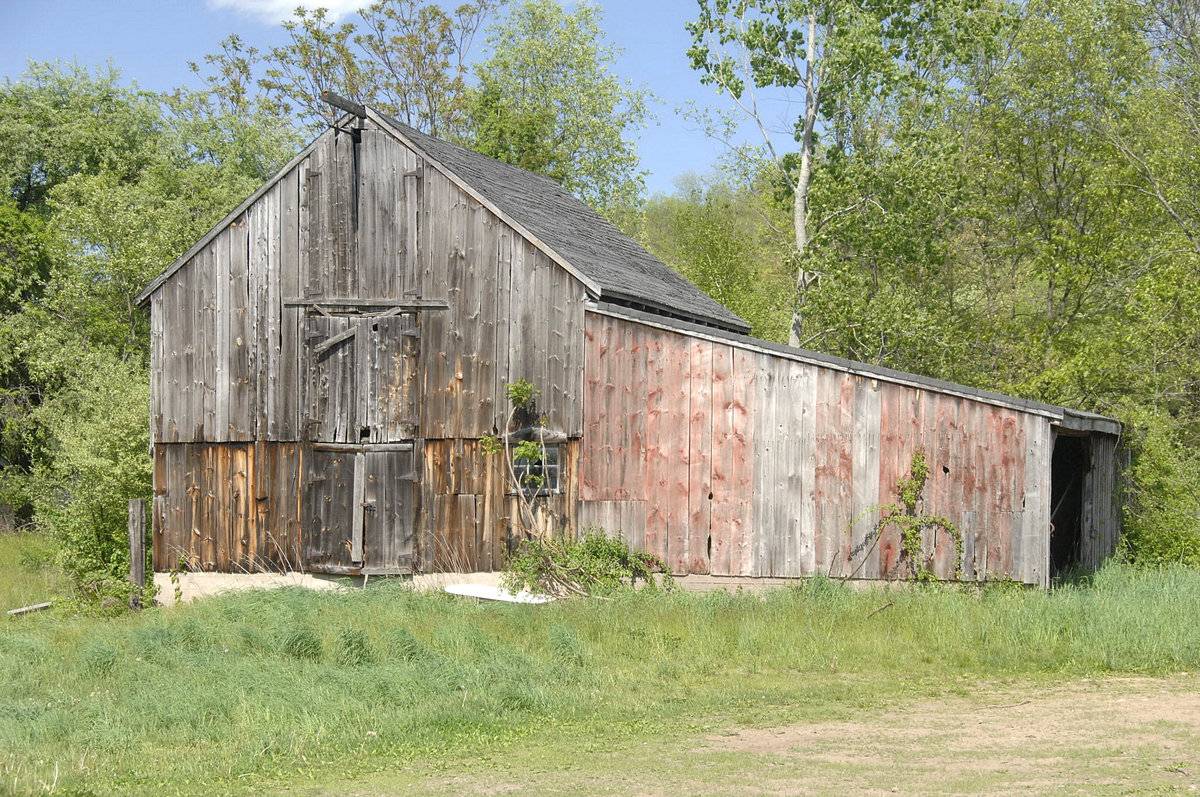
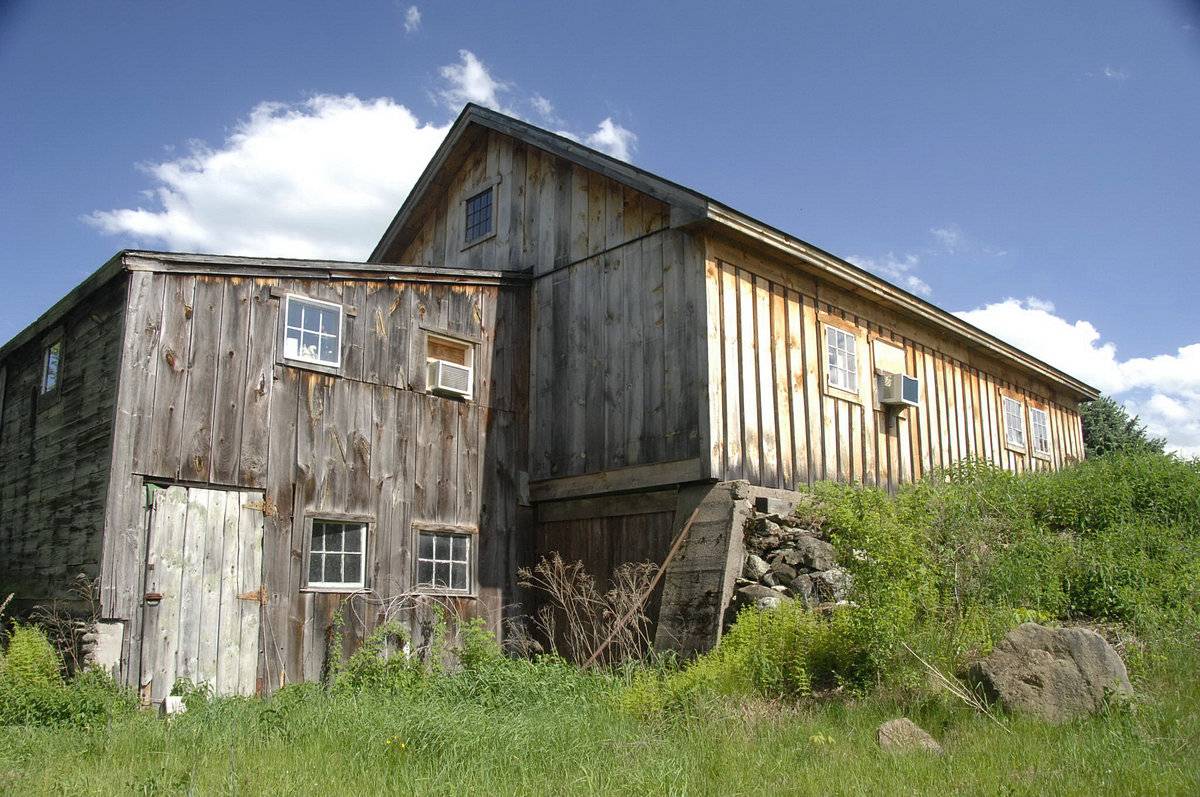
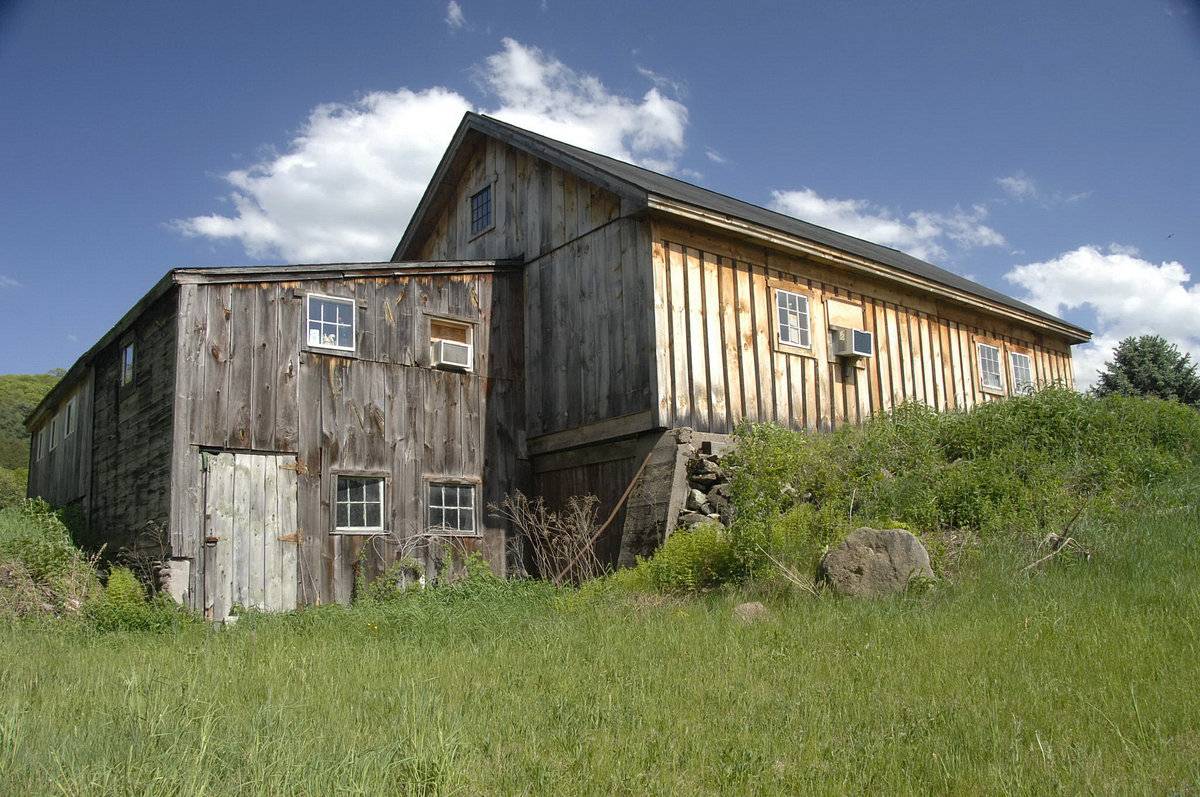
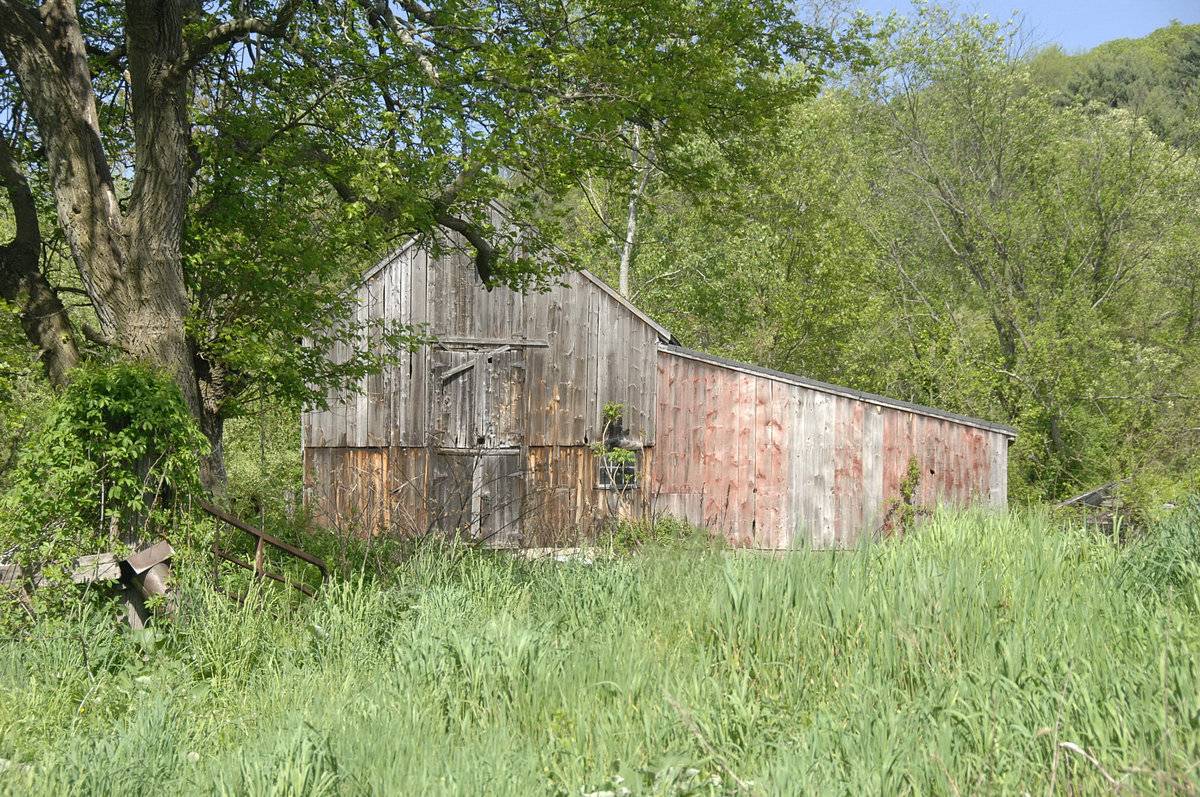
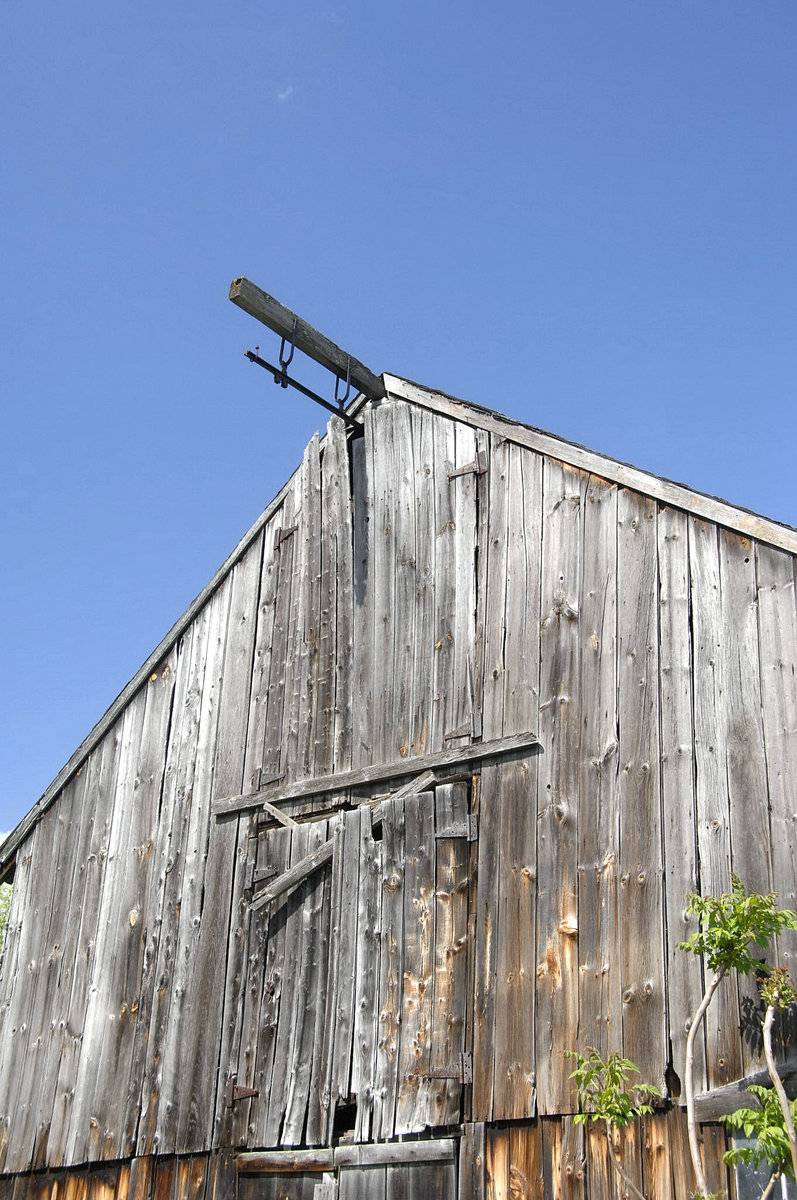
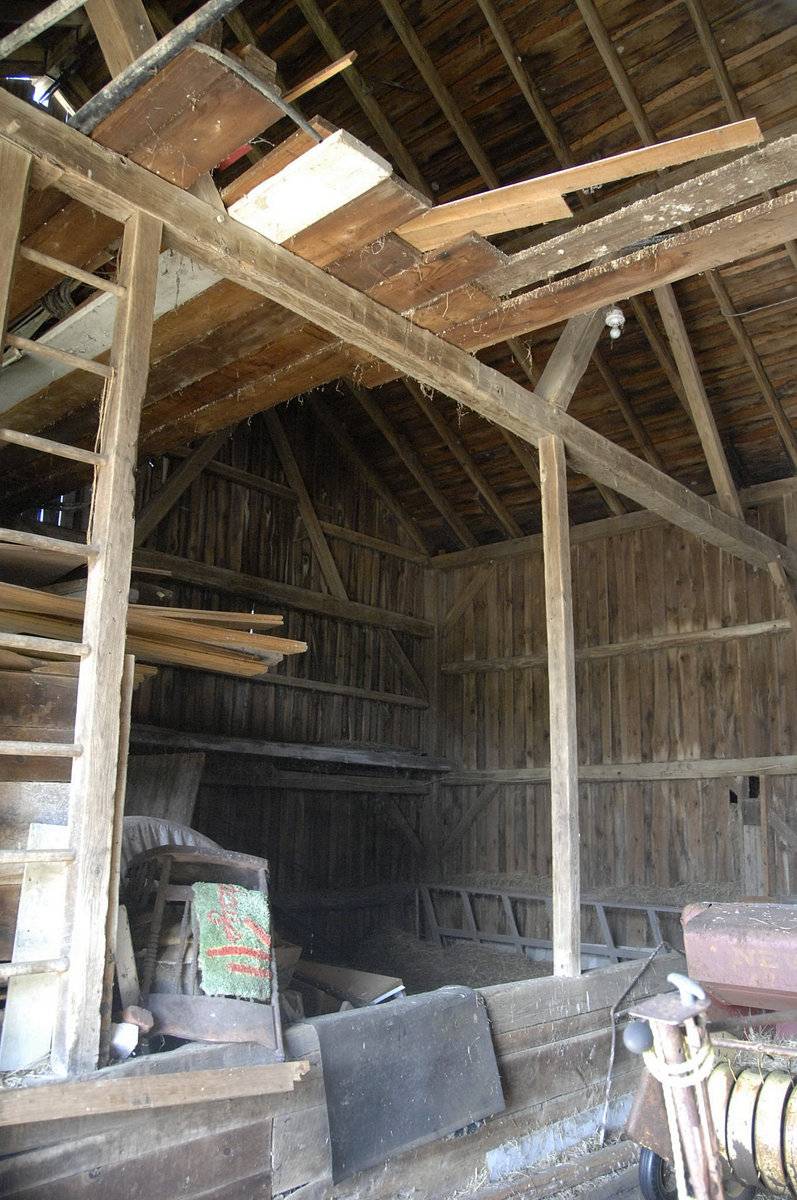
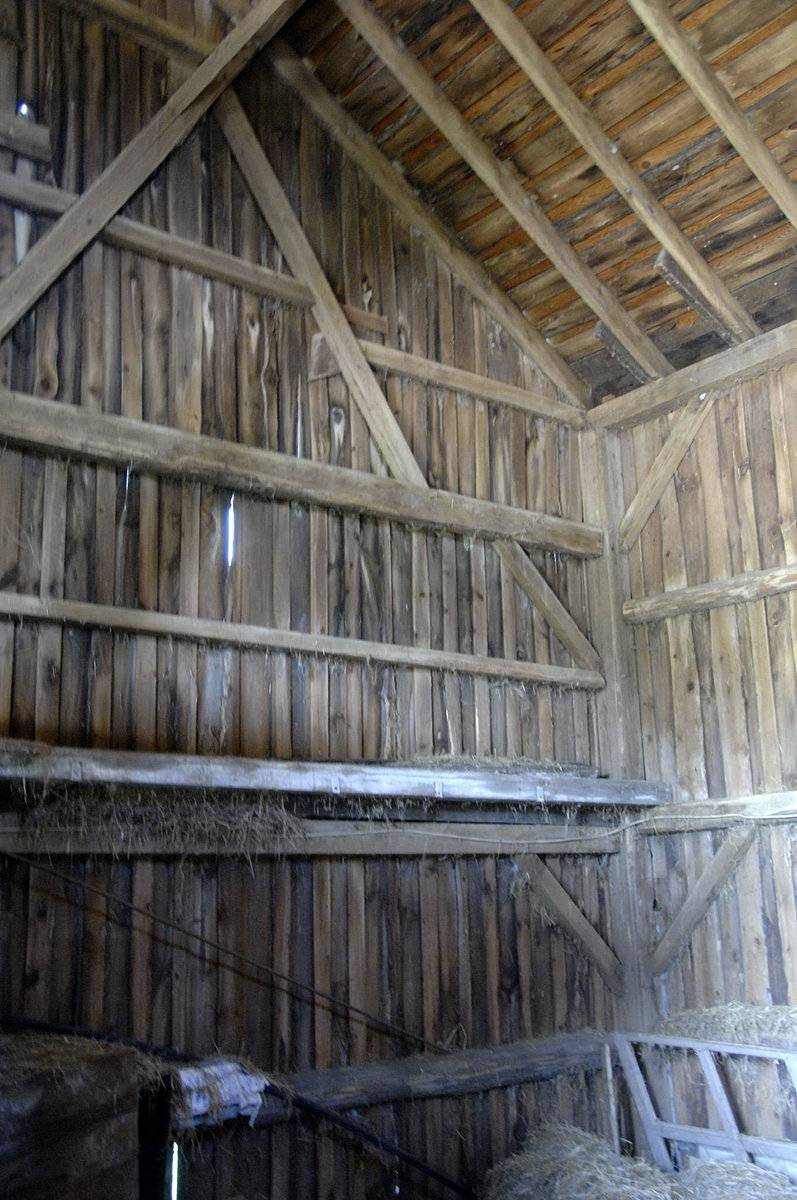
This is a 1 1/2 story, tripartite, side-entry, saltbox-roofed barn with a pair of back-to-back gable-roofed additions. The main facade faces roughly west and the ridge-line of the barn is perpendicular to this portion of Turnpike Road, which runs approximately southeast-northwest. The main entry is a pair of exterior sliding doors in the middle of three bays on the west eave-facade. The south bay has a framed pass-through door and the north bay has a slightly wider, framed, pass-through door. The south gable-facade of the barn has a pass-through door off center to the east. Centered in the gable attic is a window opening with trim. The north gable-facade appears blank. Extending to the west off of the west eave-facade is a saltbox-roofed addition. The sides of the addition are flush with the gable facades of the main barn. Extending south from the saltbox-roofed addition is a gable-roofed addition with a series of six-pane windows on both eave-facades. The west eave-facade also has an X-braced door. The walls of the eave-facades are concrete block masonry. Extending south from the addition is a second addition. The west eave-facade of the second addition is blank except for an X-braced door towards the north corner. The east eave-facade of the second addition has what appears to be four X-braced doors. The barn has unpainted vertical flush-board and board-and-batten siding. The additions have concrete block masonry walls. The roofs of the entire structure are asphalt shingles. A single cupola sits atop the ridge of the first gable-roofed addition.
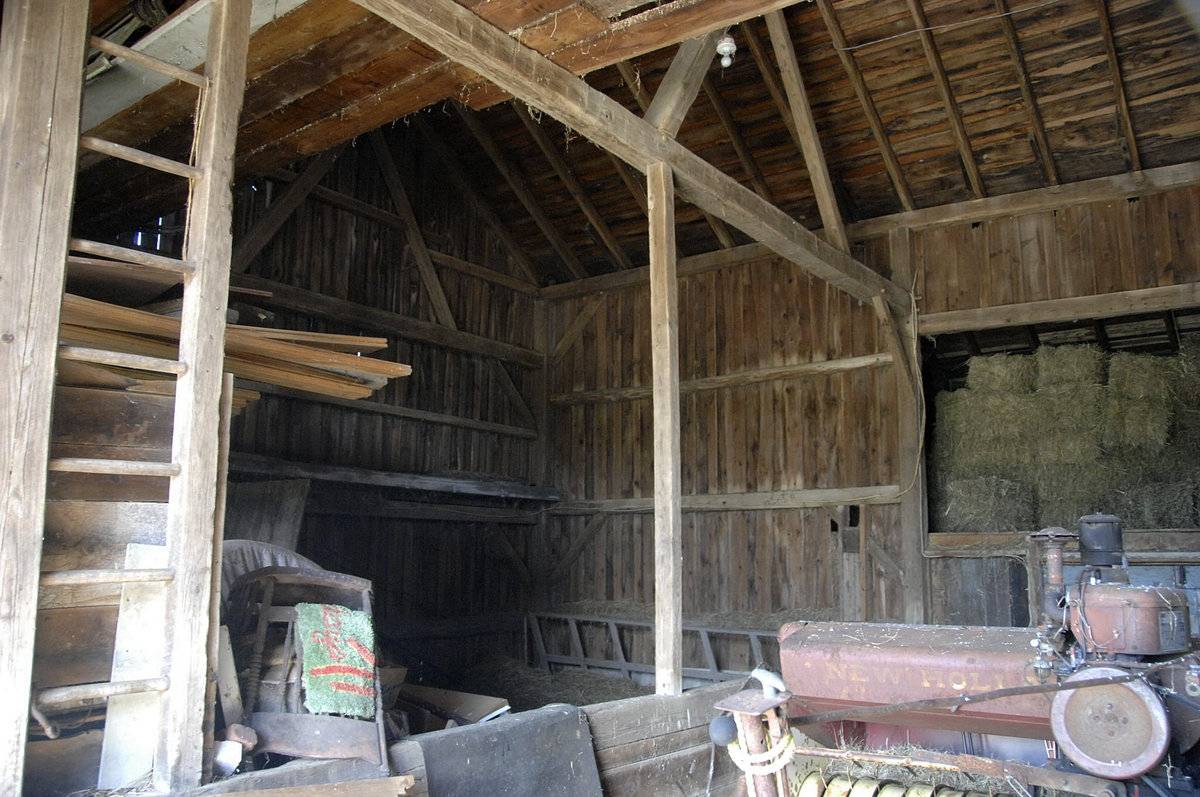
Historical significance:The oldest barns still found in the state are called the “English Barn,” “side-entry barn,” “eave entry,” or a 30 x 40. They are simple buildings with rectangular plan, pitched gable roof, and a door or doors located on one or both of the eave sides of the building based on the grain warehouses of the English colonists’ homeland. The name “30 by 40” originates from its size (in feet), which was large enough for 1 family and could service about 100 acres. The multi-purpose use of the English barn is reflected by the building’s construction in three distinct bays - one for each use. The middle bay was used for threshing, which is separating the seed from the stalk in wheat and oat by beating the stalks with a flail. The flanking bays would be for animals and hay storage.
Field Notes
n/a
- Use & Accessibility
Use (Historic)
Use (Present)
Exterior Visible from Public Road?
Yes
Demolished
n/a
Location Integrity
Unknown
- Environment
Related features
Environment features
Relationship to surroundings
The barn is behind and to the west of the c. 1740 house it is associated with. The ridge-line of the house runs northeast-southwest. North of the house is a gable-roofed shed. A stone wall lined driveway from Turnpike Road running roughly east-west becomes a circular drive, with the barn towards the northeast, the house to the southwest and the shed to the North. Behind the barn to the west are fenced paddocks. To the south of the barn are two sheds. To the northeast of the barn is a gable-roofed shed with an attached wagon shed. To the south and northwest of the barn are two small ponds. To the north and northeast of the barn is a large tract of open space. The total lot size is 48 acres. The area is residential, active agriculture, open space and woodland.
- Typology & Materials
-
Building Typology
Materials
Structural System
n/a
Roof materials
Roof type
Approximate Dimensions
CONCBLK/FRAME GARAGE c.1740 3818 s.f.
- Source
-
Date Compiled
08/19/2010
Compiled By
Todd Levine, reviewed by the Connecticut Trust
Sources
Photographs by John Moak.
Sexton, James, PhD; Survey Narrative of the Connecticut Barn, Connecticut Trust for Historic Preservation, Hamden, CT, 2005, http://www.connecticutbarns.org/history.
Visser, Thomas D.,Field Guide to New England Barns and Farm Buildings, University Press of New England, 1997.
Total Valuation Online Database. http://www.totalvaluation.com/.
Map of Somers, CT, retrieved on August 19, 2010 from website www.zillow.com.
- PhotosClick on image to view full file
-