Barn Record Cheshire
RETURN TO ‘FIND BARNS’- Building Name (Common)
- n/a
- Building Name (Historic)
- n/a
- Address
- 376 Academy Road, Cheshire
- Typology

- Overview
-
Designations
Historic Significance
Architectural description:
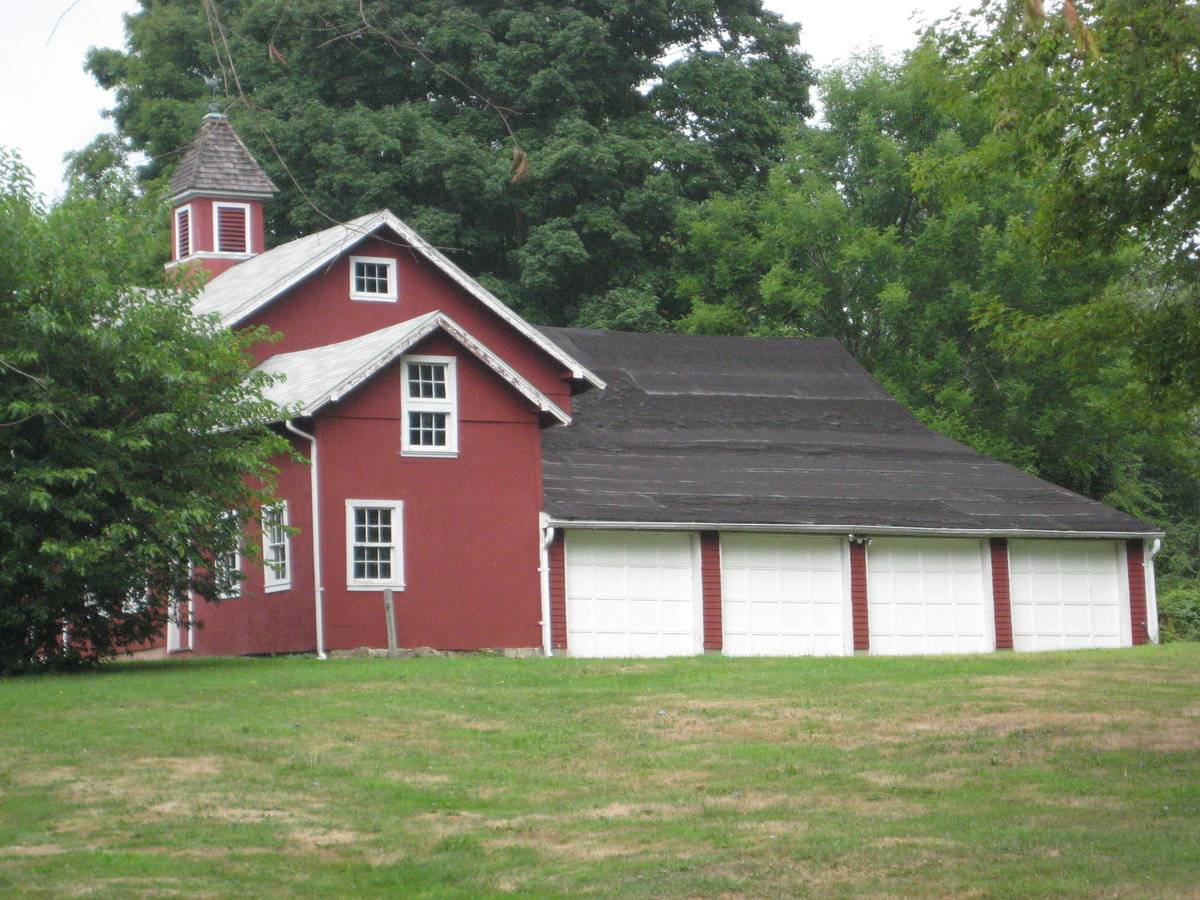
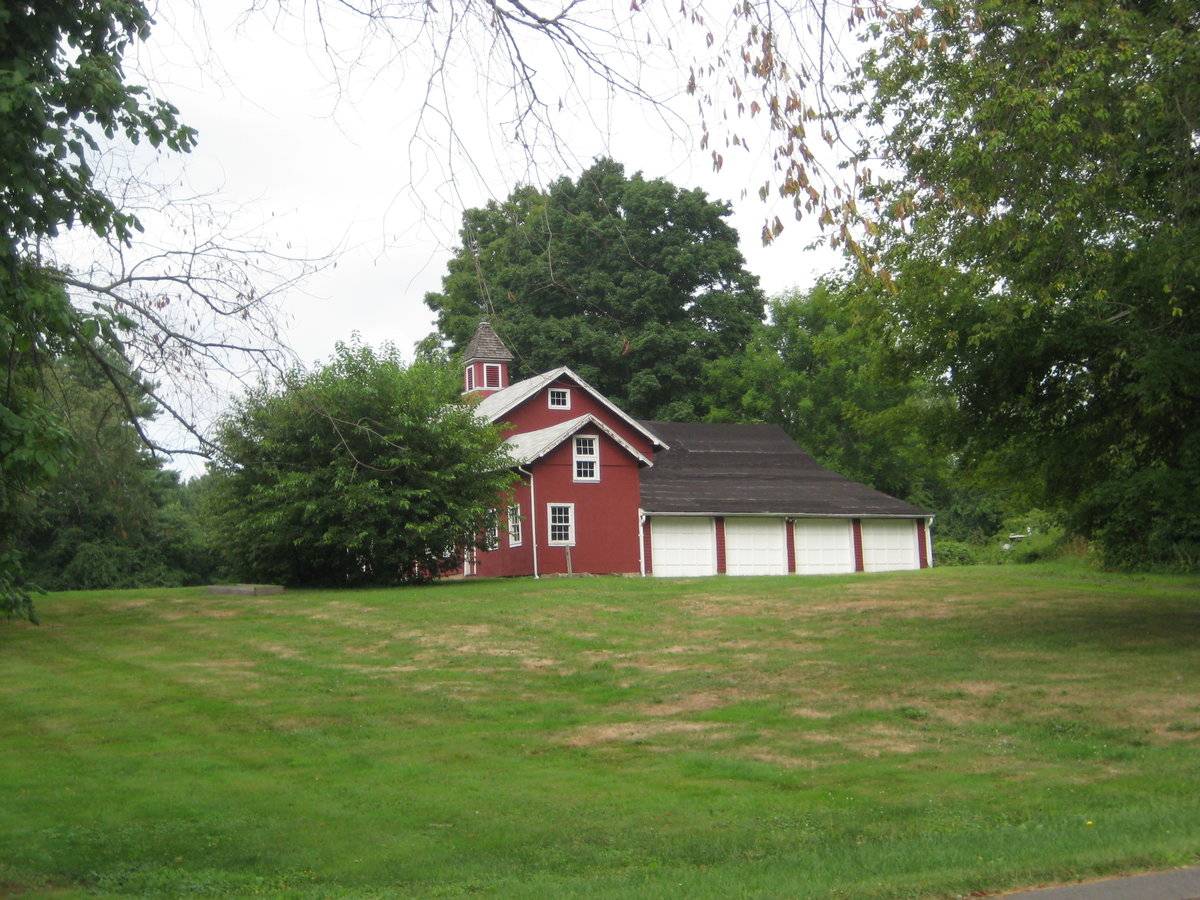
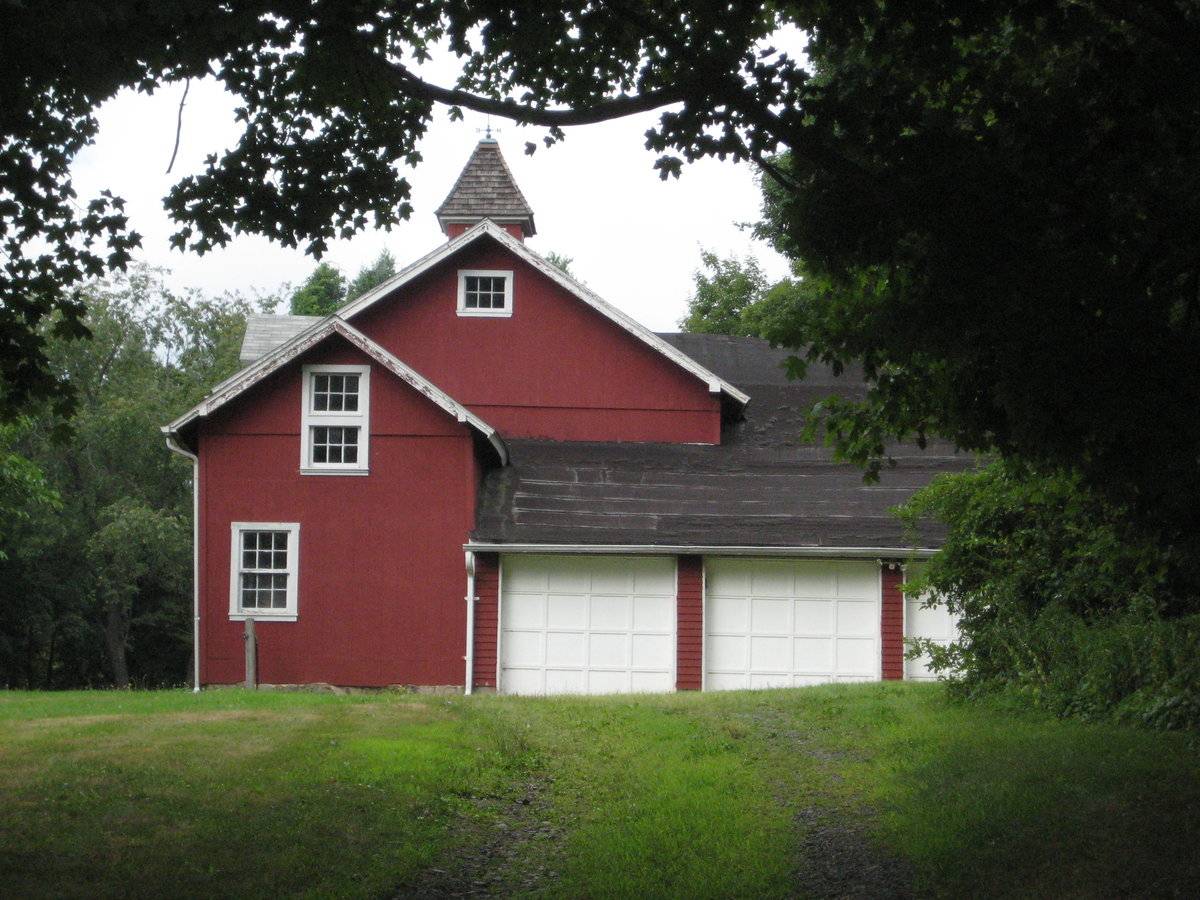
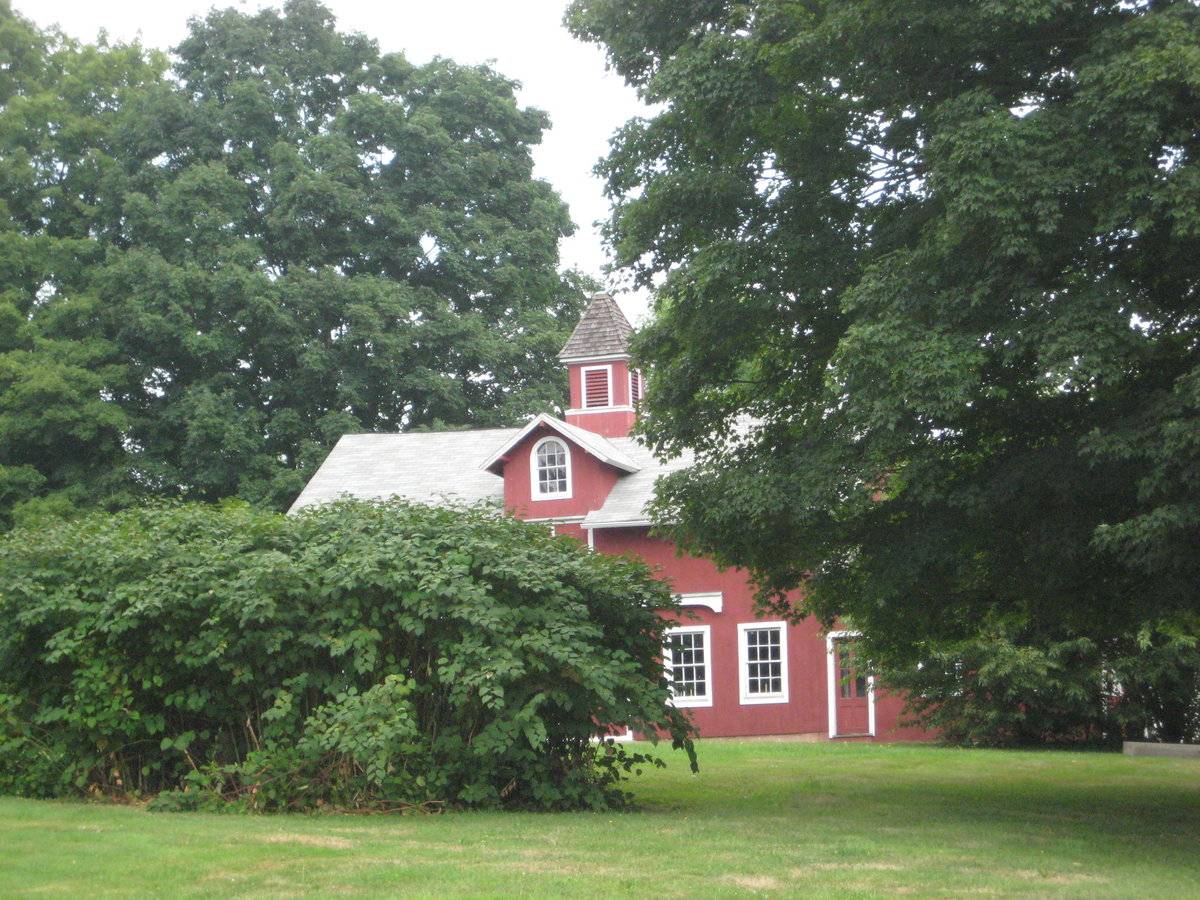
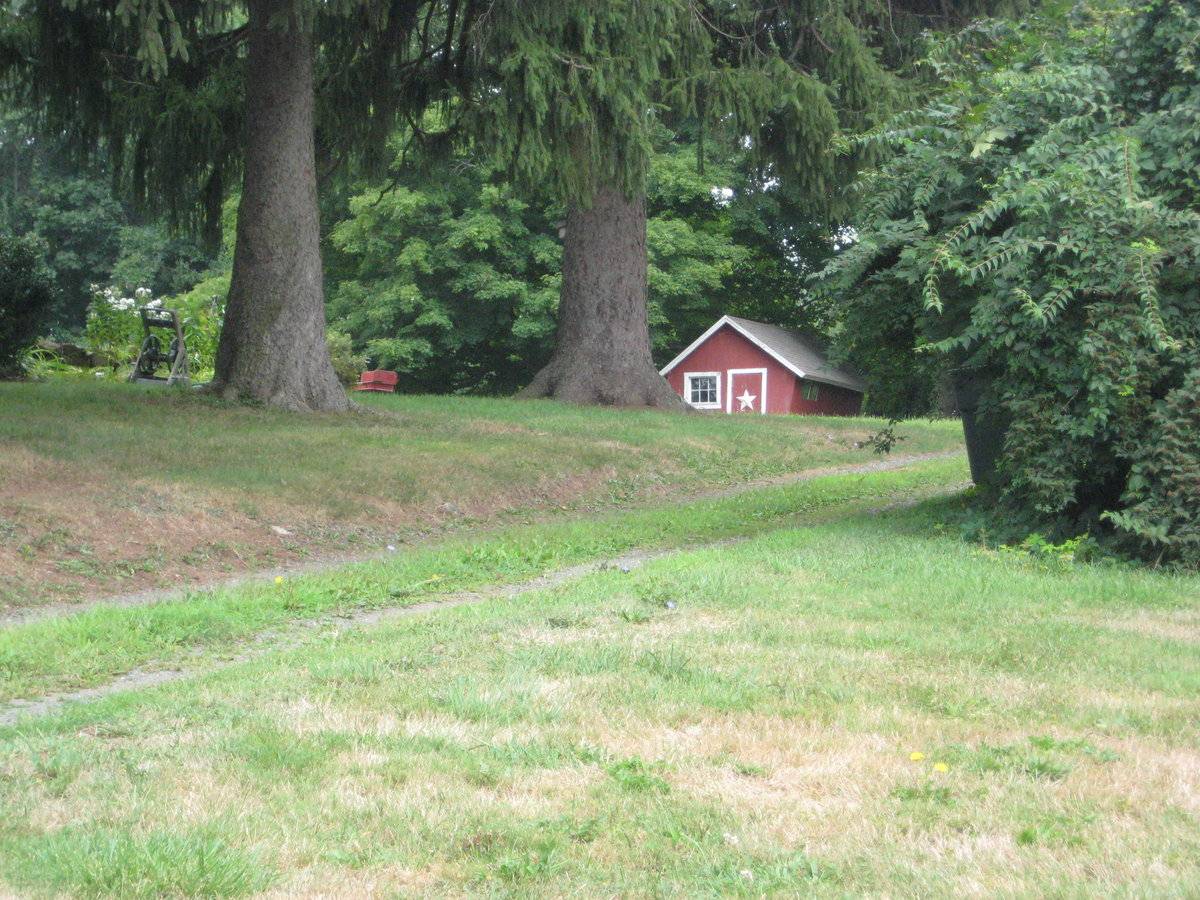
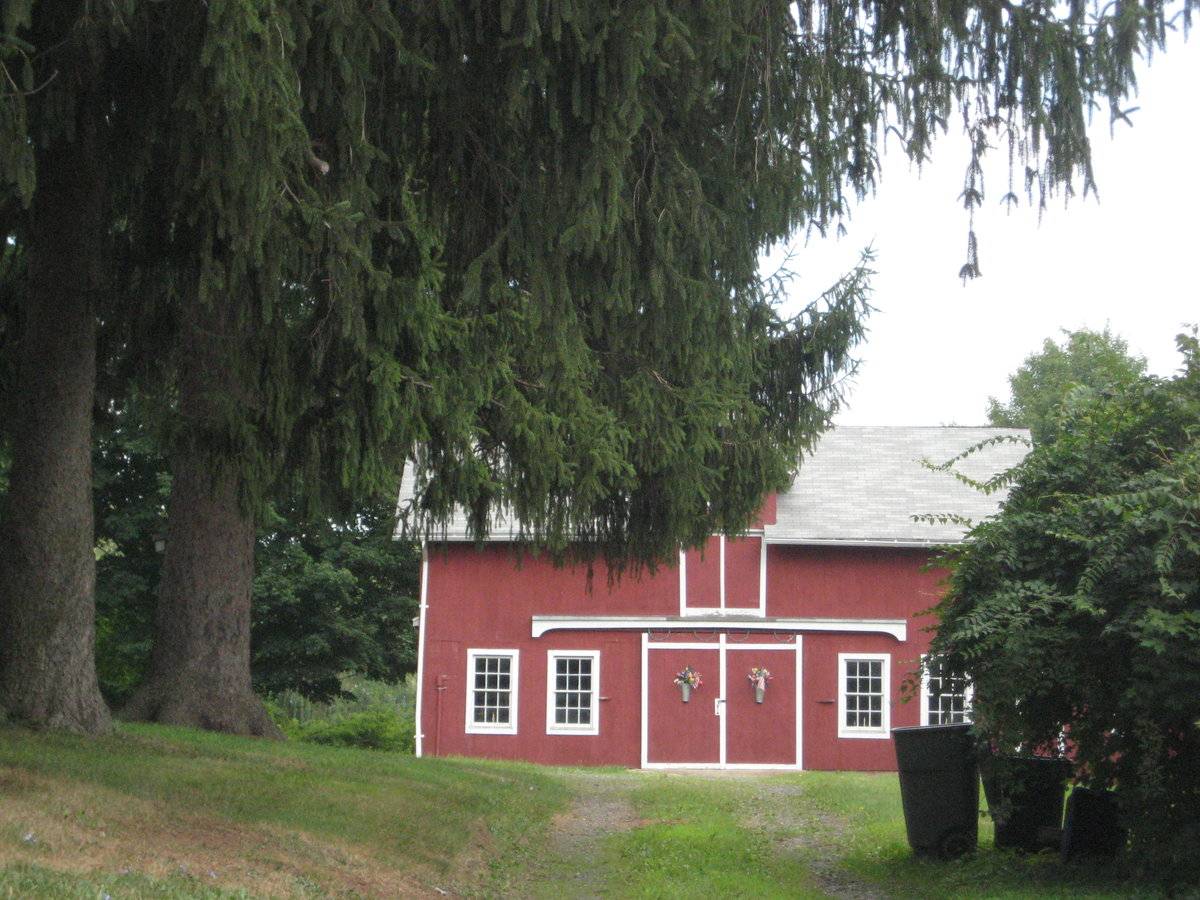
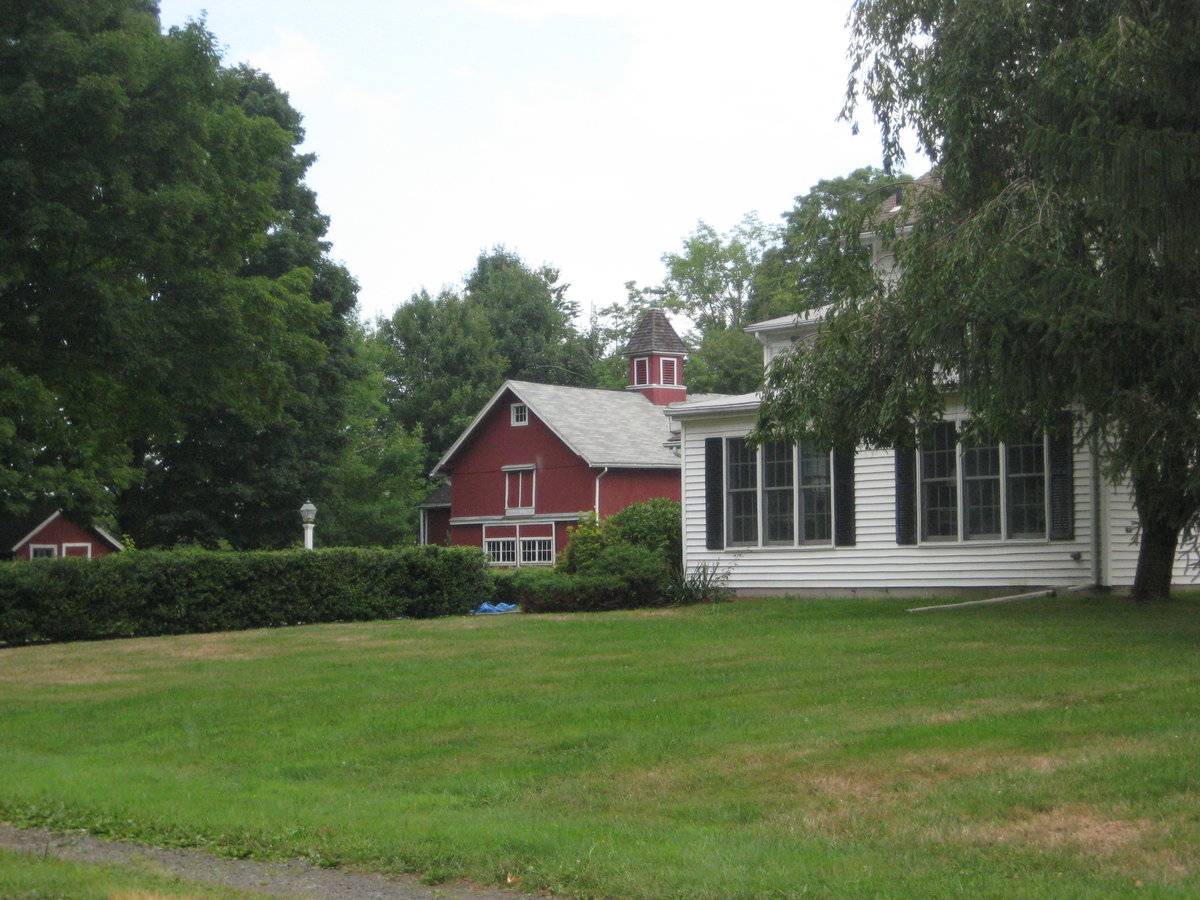
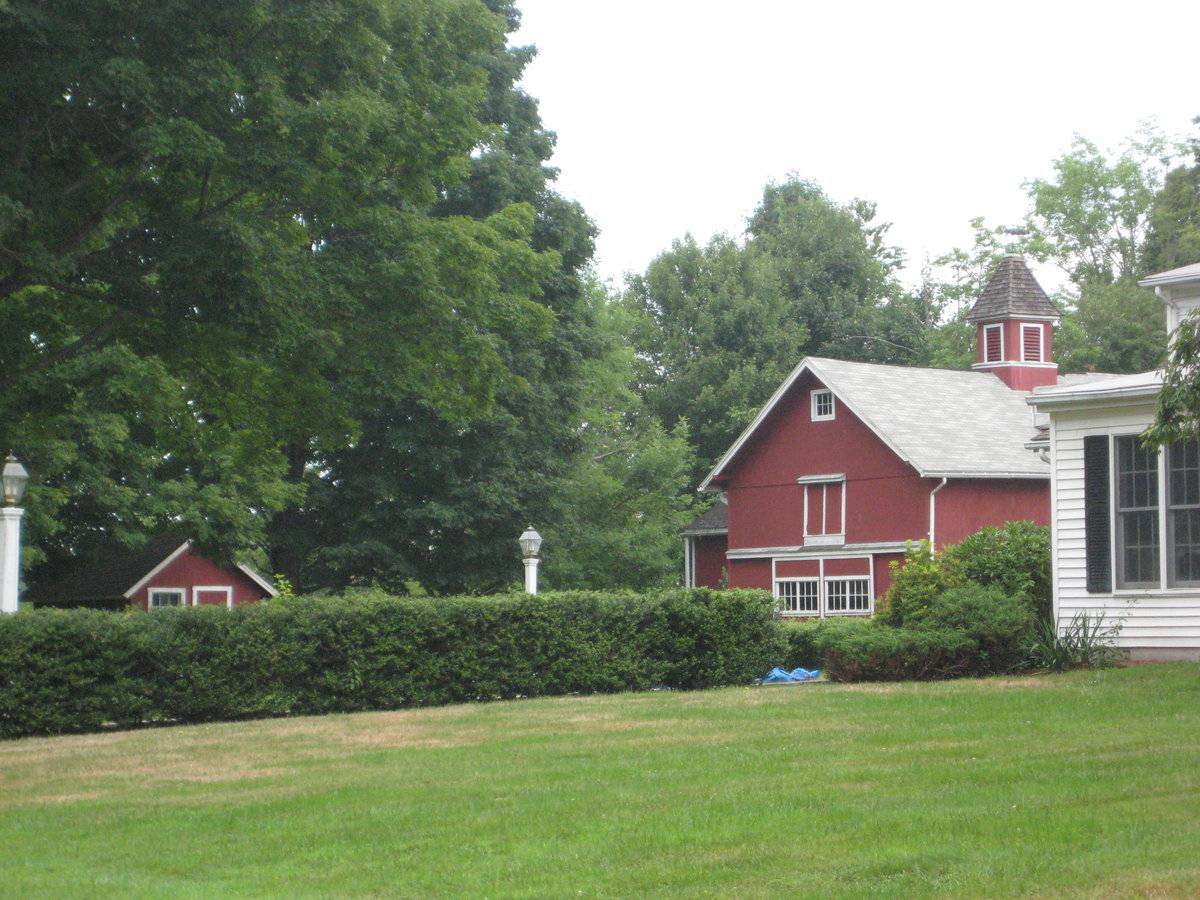
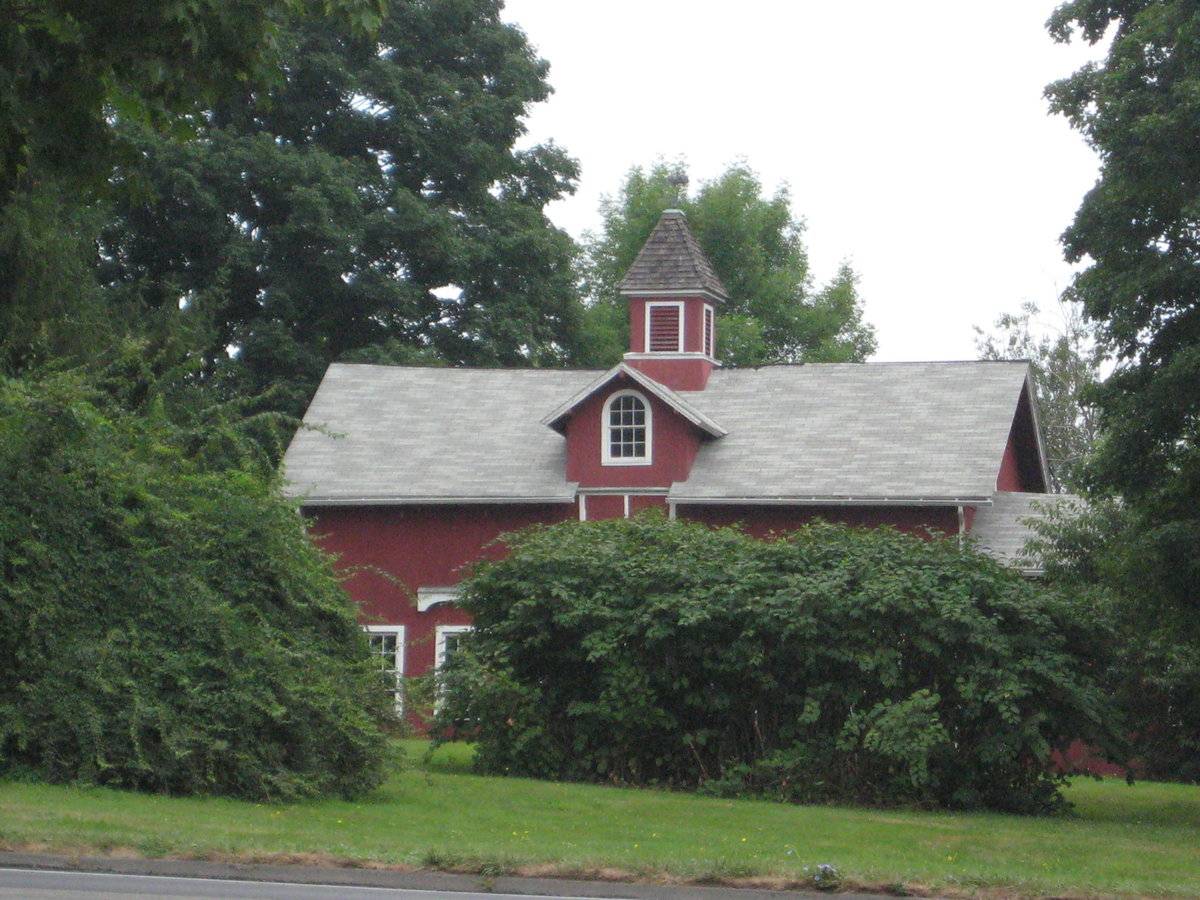
Barn I: This is a 1 ½-story gable-roof barn structure with two gable-roof additions and a shed-roof addition. The barn is oriented with its ridge-line parallel to Academy Road, which runs east-west. Located in the center of the south eave-façade is a pair of sliding barn doors hung on an exterior track with a hood over the track. Flanking each side of the sliding barn doors on the south eave-façade of the barn are two six-over-six double hung windows. Located above the sliding barn doors on the south eave-façade of the barn is a hay loft door. A gabled dormer with a six-over-six arched double hung window is located above the hay loft door on the south eave-façade of the barn. Located on the west gable-end of the barn is a pair of sliding barn doors hung on an exterior track with a visor over the track. Each leaf of the sliding barn doors has a pair of six-pane fixed windows in the upper half of the door. Located above the sliding barn doors on the west gable-end of the barn is a hay loft door with a visor over the door. Located in the gable attic of the west gable-end of the barn is a six-pane fixed window. Located on the east half of the north eave-side of the barn is a gable-roof addition. There appears to be a window located on the south half of the west eave-side of the gable-roof addition. On the west half of the north gable-end of the gable-roof addition appears to be a barn door with a small window abutting the east side of the door. Above this window on the north gable-end of the gable-roof addition appears to be a pair of swinging hinged hay loft doors. Located on the east eave-side of the gable-roof addition and extending to the north half of the east gable-end of the barn is a shed-roof addition. Located on the east side of the shed-roof addition is a row of four overhead garage doors. Located on the south half of the east gable-end of the barn is a second gable-roof addition. The north eave-side of the second gable-roof addition abuts the south side of the shed-roof addition. Located on the south half of the east gable-end of the second gable-roof addition is a six-over-six double hung window. Located in the gable attic of the second gable-roof addition are two six-pane fixed windows, vertically set to look like one six-over-six sash window. Located in the gable attic of the east gable-end of the barn is a six-pane fixed window. Located on the south eave-side of the second gable-roof addition are two equidistant six-over-six double hung windows. Located on the western most half of the south eave-side of the second gable-roof addition is a single pass-through door with two panels on the lower half of the door and two vertical window panes on the upper half of the door. The barn and gable-roof additions have vertical siding painted red with opening trim painted white. The shed-roof addition has horizontal siding painted red. The barn and gable-roof additions have asphalt shingle. The shed-roof addition appears to have rolled asphalt. A cupola with vertical louvers and a hipped-roof with wood shingles is located on the center of the ridge-line of the roof of the barn.
Barn II: This is a 1-story gable-roof barn structure oriented with its ridge-line perpendicular to Academy Road, which runs east-west. Located on the east half of the south gable-end of the barn is a single pass-through door. Located on the west half of the south gable-end of the barn is a six-pane fixed window. The barn has vertical siding painted red with opening trim painted white. The roof has projecting overhang and asphalt shingles.
Historical significance:The oldest barns still found in the state are called the “English Barn,” “side-entry barn,” “eave entry,” or a 30 x 40. They are simple buildings with rectangular plan, pitched gable roof, and a door or doors located on one or both of the “eave” sides of the building based on the grain warehouses of the English colonists’ homeland. The New England barn or gable front barn was the successor to the English barn and relies on a gable entry rather than an entry under the eaves. The gable front offers many practical advantages. Roofs drain off the side, rather than flooding the dooryard. Although it was seen by many as an improvement over the earlier side entry English Barn, the New England barn did not replace its predecessor but rather coexisted with it. It this case, both an eave entry and a gable entry are used.
In the middle of the 19th century, growing “Indian” corn became popular. Storing the corn on the cob in well-ventilated corn cribs allowed the kernels to dry without spoiling. The distinctively shaped corn crib, with slanted side walls built of spaced wooden slats, became common by the 1860s. The overhanging eaves and slanted walls helped prevent rain from splashing inside. Vertical side walls are also common. Corn cribs are typically set high above the ground on wooden or stone posts.
Field Notes
Listed on the State Register of Historic Places 8/07/2013. On the corner of Weise Street. A barn and corn crib found on this property.
- Use & Accessibility
Use (Historic)
Use (Present)
Exterior Visible from Public Road?
Yes
Demolished
n/a
Location Integrity
Unknown
- Environment
Related features
Environment features
Relationship to surroundings
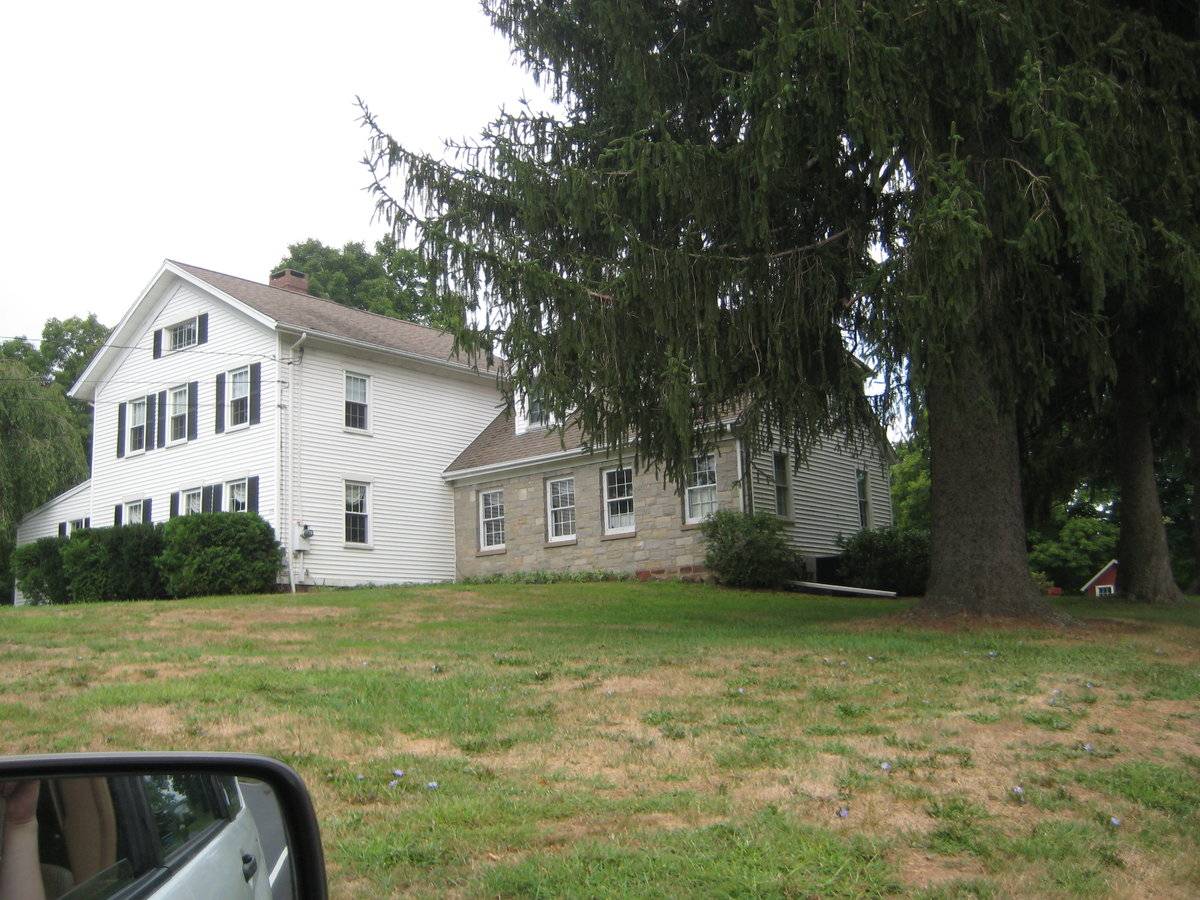
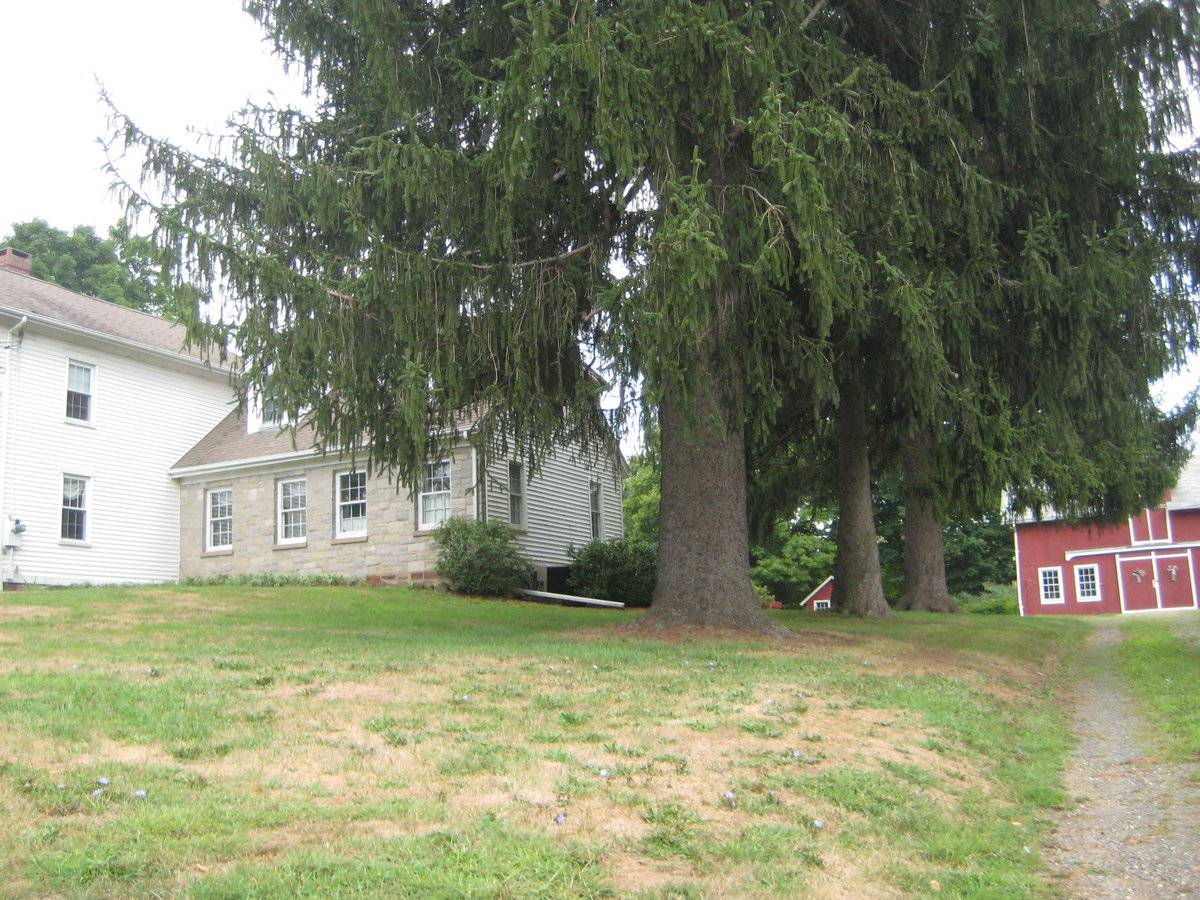
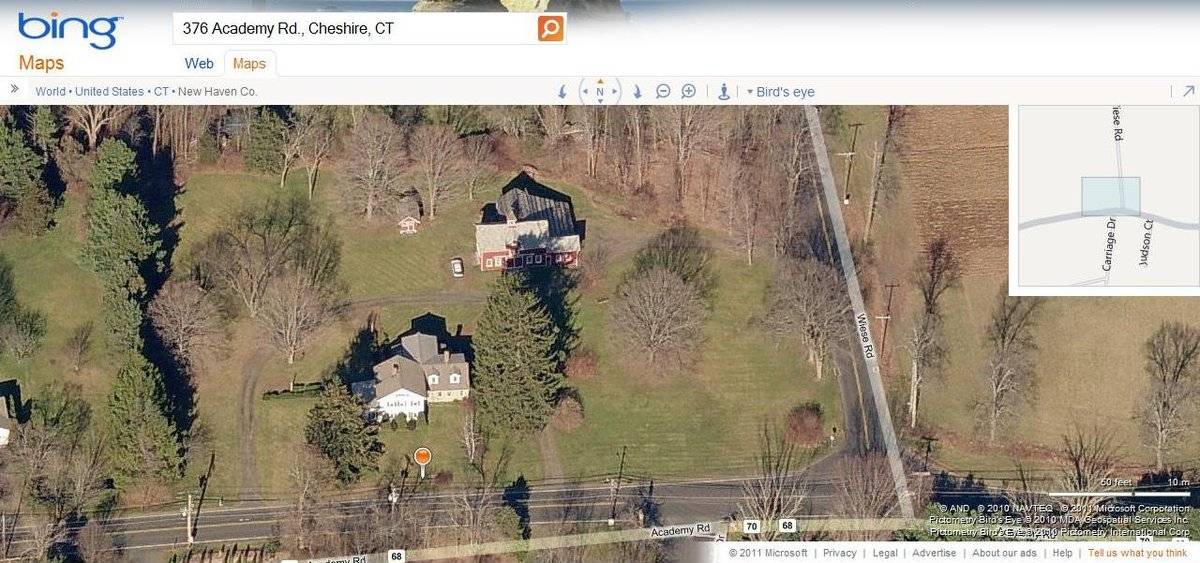
The barn is behind and to the north of the c. 1790 Colonial-style house it is associated with. The ridge-line of the house is perpendicular to the ridge-line of the barn. The corn crib is located to the west of barn and the north of the house. The total size of the site is 2.72 acres. The area surrounding the site is residential.
- Typology & Materials
-
Building Typology
Materials
Structural System
Roof materials
Roof type
Approximate Dimensions
950 square feet (barn), 180 square feet (corn crib)
- Source
-
Date Compiled
04/03/2011
Compiled By
A. Ehrgott & T. Levine; reviewed by CT Trust
Sources
Field notes and photographs by Kristen Young date 08/11/2010.
Town of Cheshire Assessor’s Record:
http://www.prophecyone.us/fieldcard.php?property_id=2171134
Parcel ID: 58-14
Aerial Mapping:
http://www.bing.com/maps accessed 04/02/2011.Sexton, James, PhD, Survey Narrative of the Connecticut Barn, Connecticut Trust for Historic Preservation, Hamden, CT, 2005, http://www.connecticutbarns.org/history.
Visser, Thomas D., Field Guide to New England Barns and Farm Buildings, University Press of New England, 1997. - PhotosClick on image to view full file
-