Barn Record Cheshire
RETURN TO ‘FIND BARNS’- Building Name (Common)
- Alice Washburn Homestead
- Building Name (Historic)
- Preston-Trithall Homestead
- Address
- 152 Cornwall Avenue, Cheshire
- Typology

- Overview
-
Designations
Historic Significance
Architectural description:
This is a 1 ½-story four-bay gable-roofed bank barn structure oriented with its ridge-line parallel to Cornwall Avenue, which runs approximately east-west.
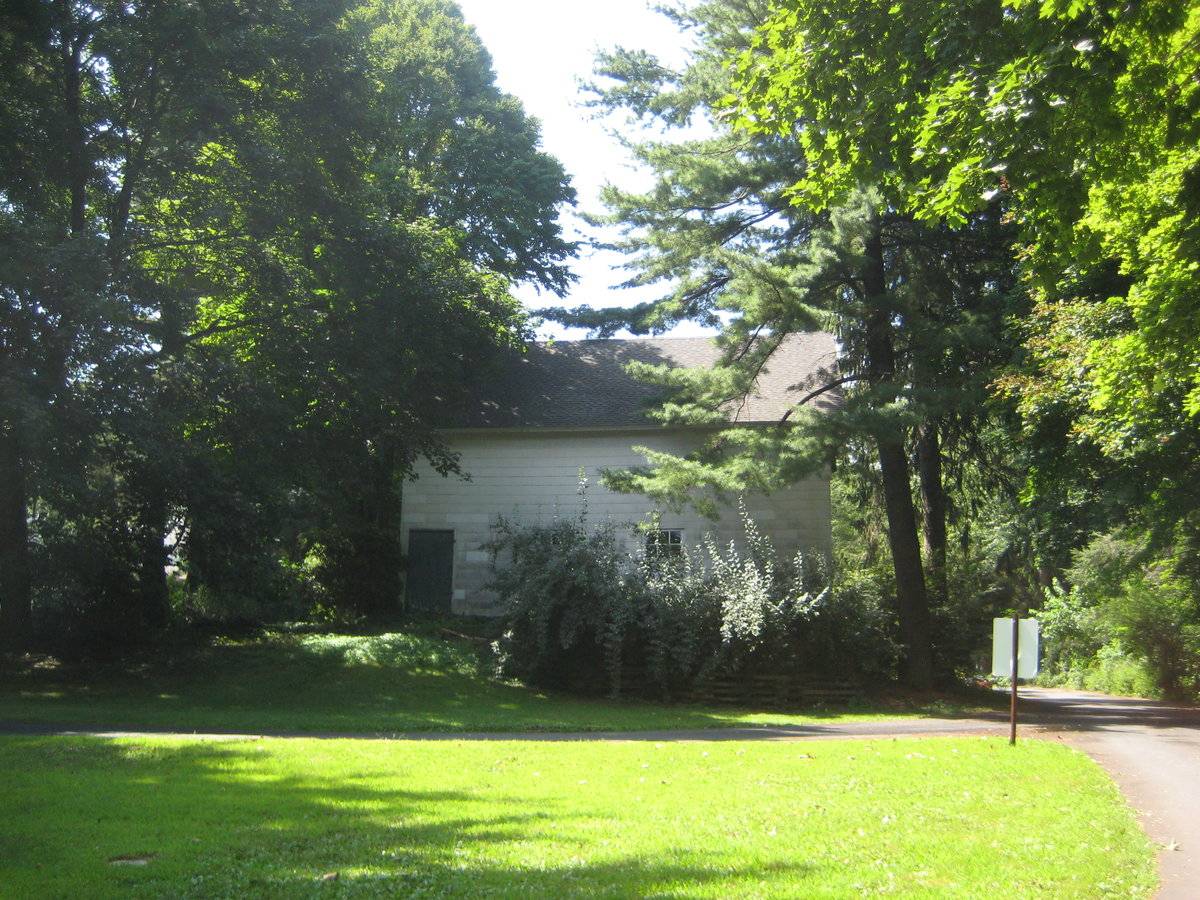
On the north eave-side a hinged barn door is located in the left (east) bay of the north eave-side of the barn at the upper level where an earth ramp slopes up to the entry. A six-pane fixed window is located in the third bay from the left of the north eave-side. From the entry, grade slopes down toward the west.
A brick foundation wall is visible on the west gable-end of the barn. Located on the left (north) half of the west gable-end of the barn on the basement level are three boarded-up square stable windows. Located on the right (south) half of the west gable-end on the basement level is a four-panel pass-through door.
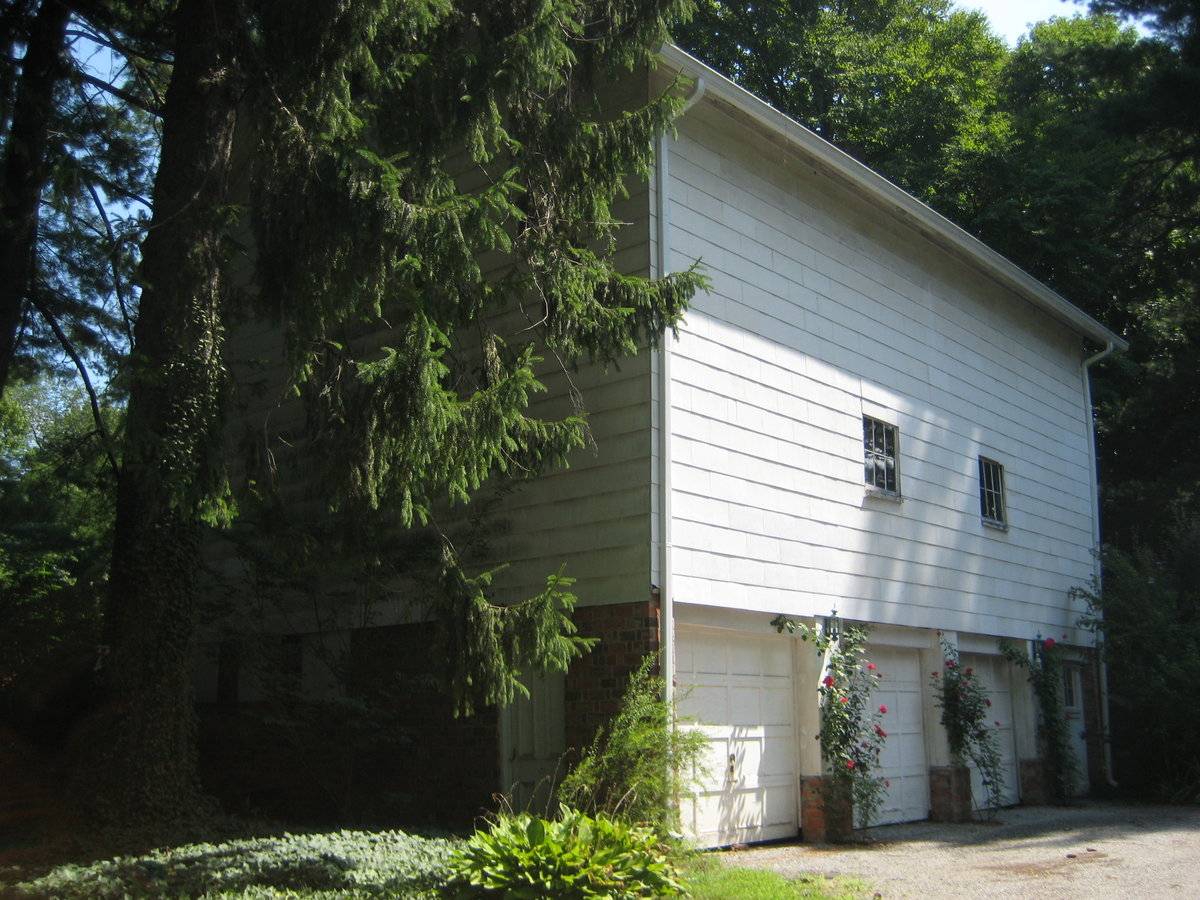
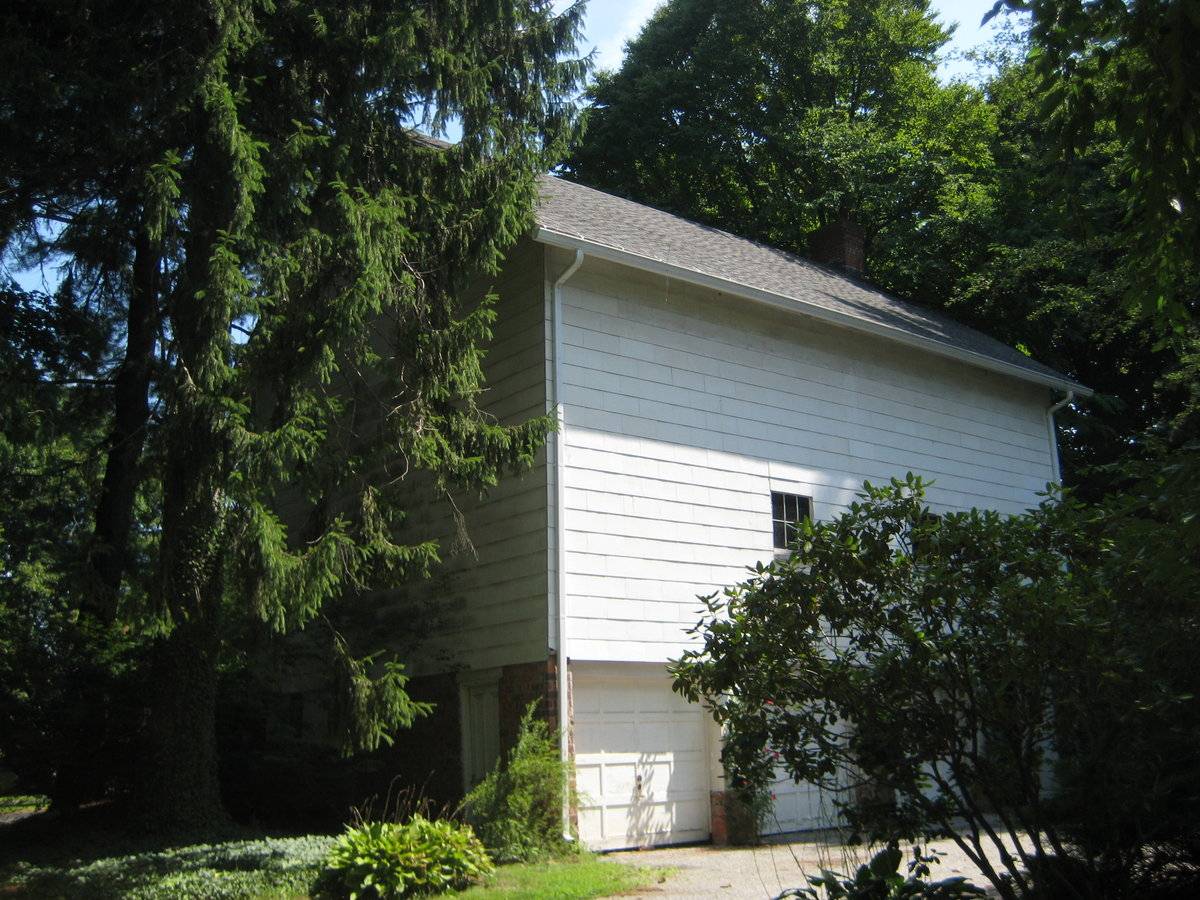
Located on the basement level of the south eave-side of the barn are three sixteen-paneled overhead garage doors in the first three bays from the left (west) and what appears to be a pass-through door with a four-pane window in the upper half in the right (east) bay. Located in two center bays on the main level of the south eave-side are six-pane stable windows.
The barn has asbestos shingle siding painted white and a brick foundation. The roof has a projecting overhang and asphalt shingles.
Historical significance:
The oldest barns still found in the state are called the “English Barn,” “side-entry barn,” “eave entry,” or a 30 x 40. They are simple buildings with rectangular plan, pitched gable roof, and a door or doors located on one or both of the eave sides of the building based on the grain warehouses of the English colonists’ homeland. The name “30 by 40” originates from its size (in feet), which was large enough for 1 family and could service about 100 acres. The multi-purpose use of the English barn is reflected by the building’s construction in three distinct bays - one for each use. The middle bay was used for threshing, which is separating the seed from the stalk in wheat and oat by beating the stalks with a flail. The flanking bays would be for animals and hay storage.
The 19th century saw the introduction of a basement under the barn to allow for the easy collection and storage of a winter’s worth of manure from the animals sheltered within the building. The bank barn is characterized by the location of its main floor above grade, either through building into a hillside or by raising the building on a foundation. This innovation, aided by the introduction of windows for light and ventilation, would eventually be joined by the introduction of space to shelter more animals under the main floor of the barn.
Historical background:
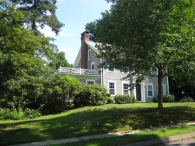
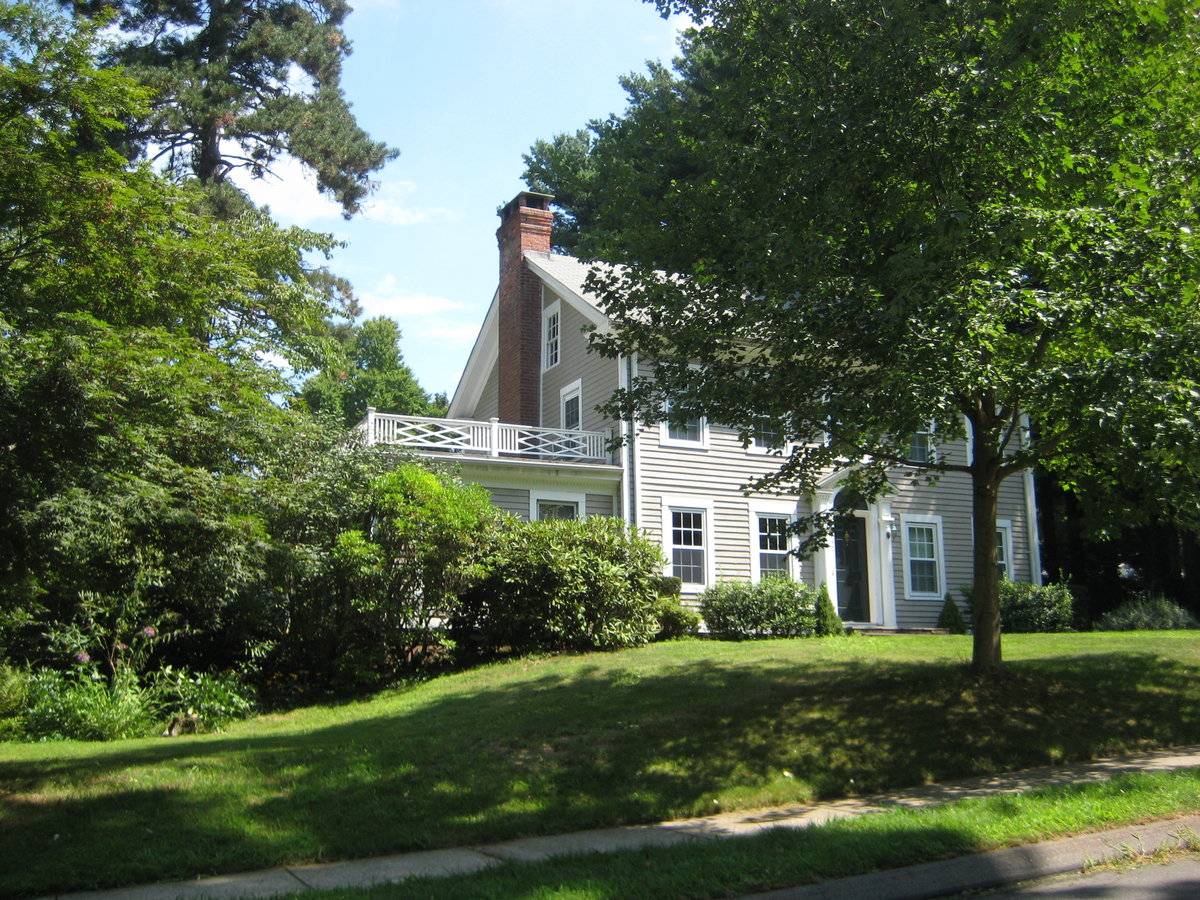
At 152 Cornwall Avenue in Cheshire is an 1828 house, built by Amasa Preston. A settler from Wallingford, Preston was on the building committee for the Methodist Church, constructed in 1834. The house had two rooms added to the rear in 1910. Owned by the Preston and Trithall family, the house was subsequently the childhood home of architect Alice Washburn. A former high school principal in the 1890s, in 1919 Washburn began designing Colonial Revival houses in Cheshire and surrounding communities. She continued until the Great Depression forced her retirement in 1933. Around 1920, she renovated the Preston House in the Colonial Revival style, creating a beautiful front entry featuring a semicircular fan above the door. Today, the Connecticut chapter of the American Institute of Architects sponsors the annual Alice Washburn Awards for excellence in traditional house design.
Field Notes
Alice Washburn was the designer of numerous homes in the New Haven-Hamden-Cheshire area during the 1920s. Her work, mostly in the Colonial Revival style, included modest homes featuring simple open plans as well as large suburban estates. This was her childhood home, which she later inherited.
- Use & Accessibility
Use (Historic)
Use (Present)
Exterior Visible from Public Road?
Yes
Demolished
n/a
Location Integrity
Unknown
- Environment
Related features
Environment features
Relationship to surroundings
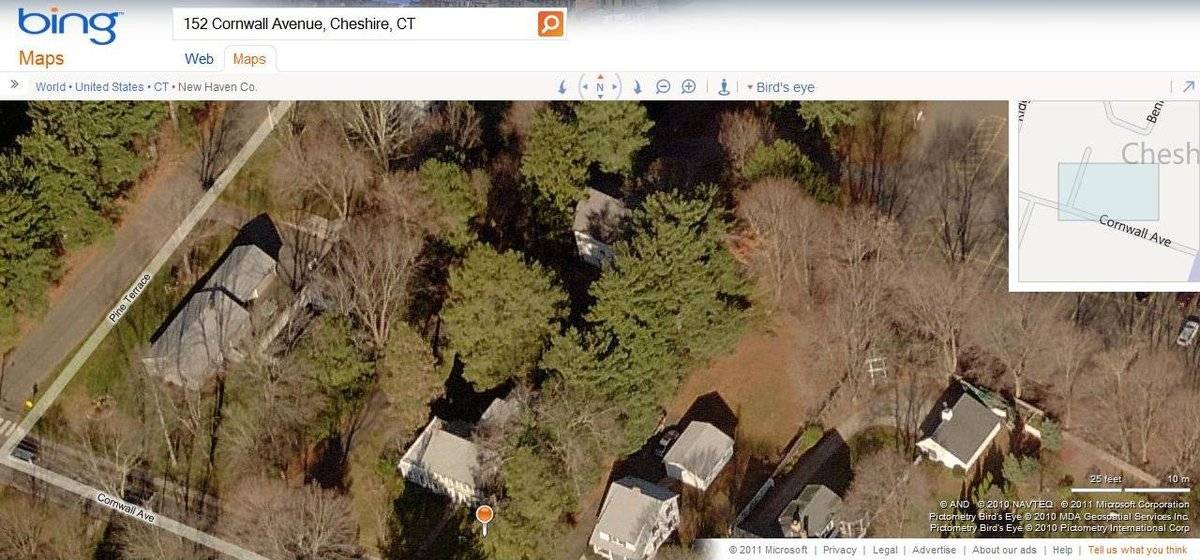
The barn is behind and to the north of the c. 1828 house it is associated with. The ridge-line of the house is parallel to the ridge-line of the barn and to the road. To the west of the barn is a drive that leads to a large parking lot associated with the church located to the northeast of the barn. The total size of the site is 0.47 acres. The area surrounding the site is residential and commercial. Cornwall Avenue intersects with South Main Street just to the east of the property, where a small green bounded by Church Drive and South Main Street is at the historic center of Cheshire.
- Typology & Materials
-
Building Typology
Materials
Structural System
Roof materials
Roof type
Approximate Dimensions
30 x 48 feet
- Source
-
Date Compiled
03/24/2011
Compiled By
A. Ehrgott & T. Levine, reviewed by CT Trust
Sources
Field notes by Charlotte Hitchcock and photographs by Kristin Young date 08/11/2010. Additional field notes by Jeanne Chesanow.
Town of Cheshire Assessor’s Record http://www.prophecyone.us/fieldcard.php?property_id=2171715
Parcel ID: 64-228
GIS Viewer: http://www.cogcnvgis.com/cheshire/ags_map/Aerial Mapping:
http://www.bing.com/maps accessed 03/24/2011.Historic Buildings of Connecticut: http://historicbuildingsct.com/?category_name=cheshire
Alice Washburn in Cheshire: http://www.cheshirehistory.org/alice.htm
Cornwall Avenue Town Center Historic District, Chesire Historic District, 2004,http://gis1.students.ccsu.edu/HistDist/Cornwall%20Avenue%20Town%20Center%20Historic%20District.htm
Cunningham, Jan, Cunningham Associates, National Register District Nomination No. 86002793, National Park Service, 1986.
Sexton, James, PhD, Survey Narrative of the Connecticut Barn, Connecticut Trust for Historic Preservation, Hamden, CT, 2005, http://www.connecticutbarns.org/history.
Visser, Thomas D., Field Guide to New England Barns and Farm Buildings, University Press of New England, 1997.
- PhotosClick on image to view full file
-