Barn Record Shelton
RETURN TO ‘FIND BARNS’- Building Name (Common)
- Warren Hubbell Farmstead (Part 3 of 4): Wagon shed
- Building Name (Historic)
- Warren Hubbell Farmstead
- Address
- 136 Maple Avenue, Shelton
- Typology
- Overview
-
Designations
Historic Significance
Architectural description:
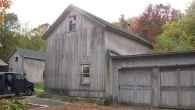
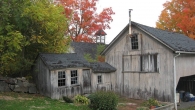
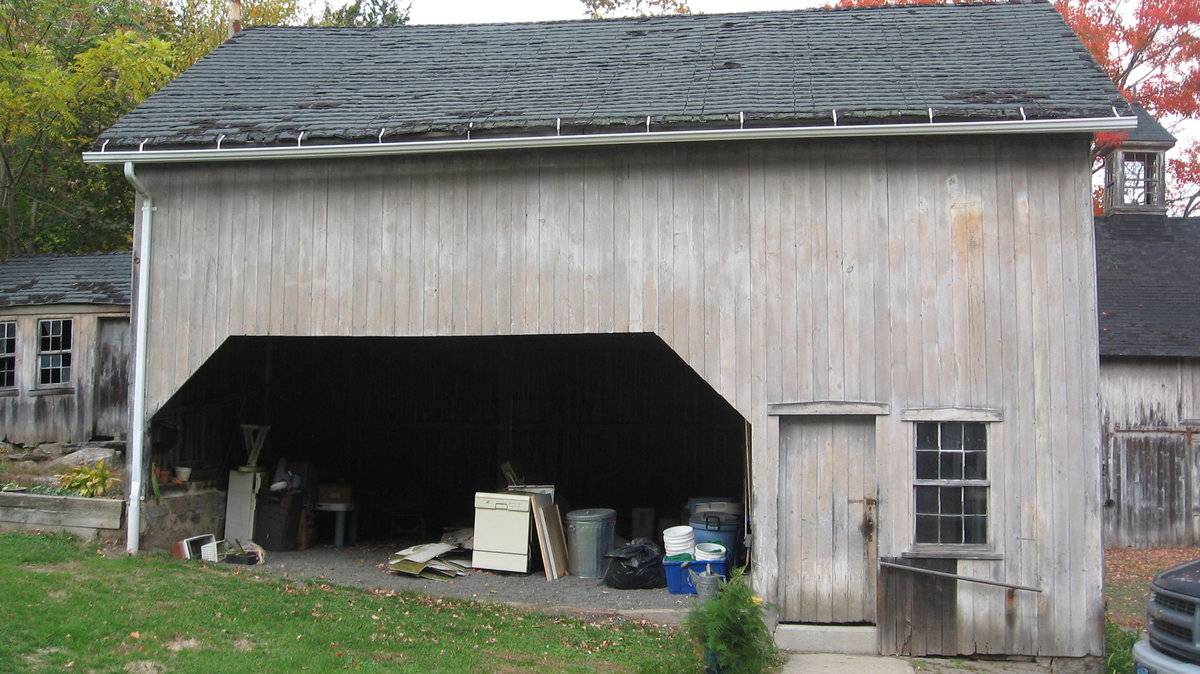
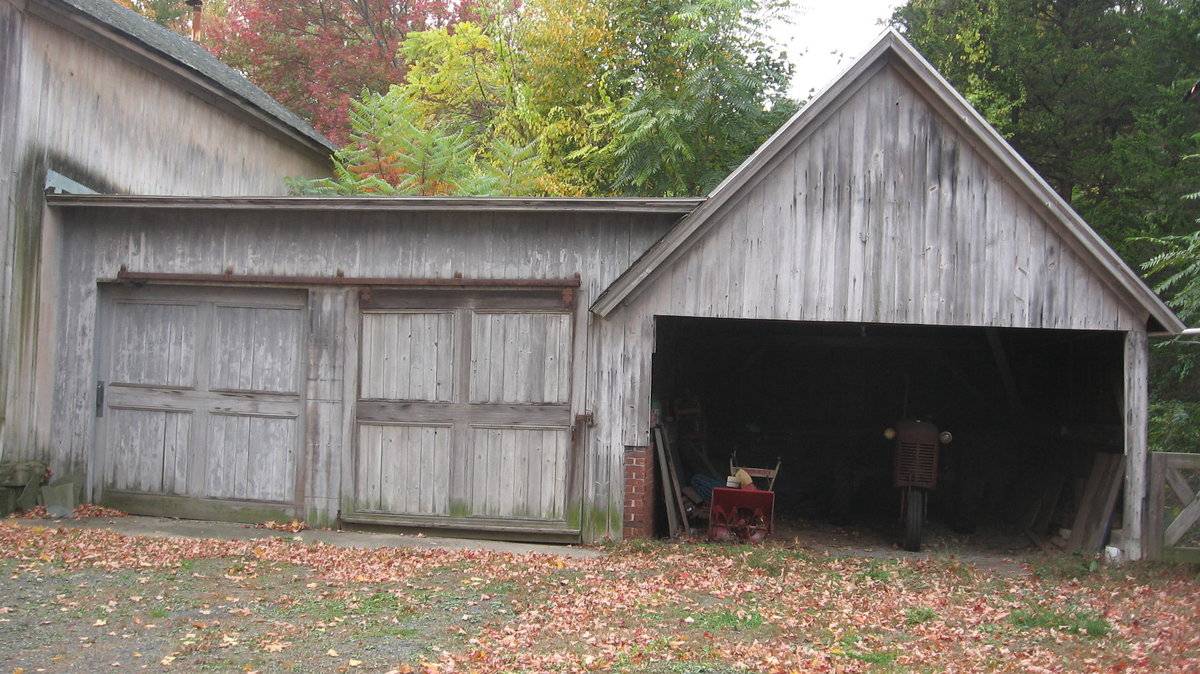
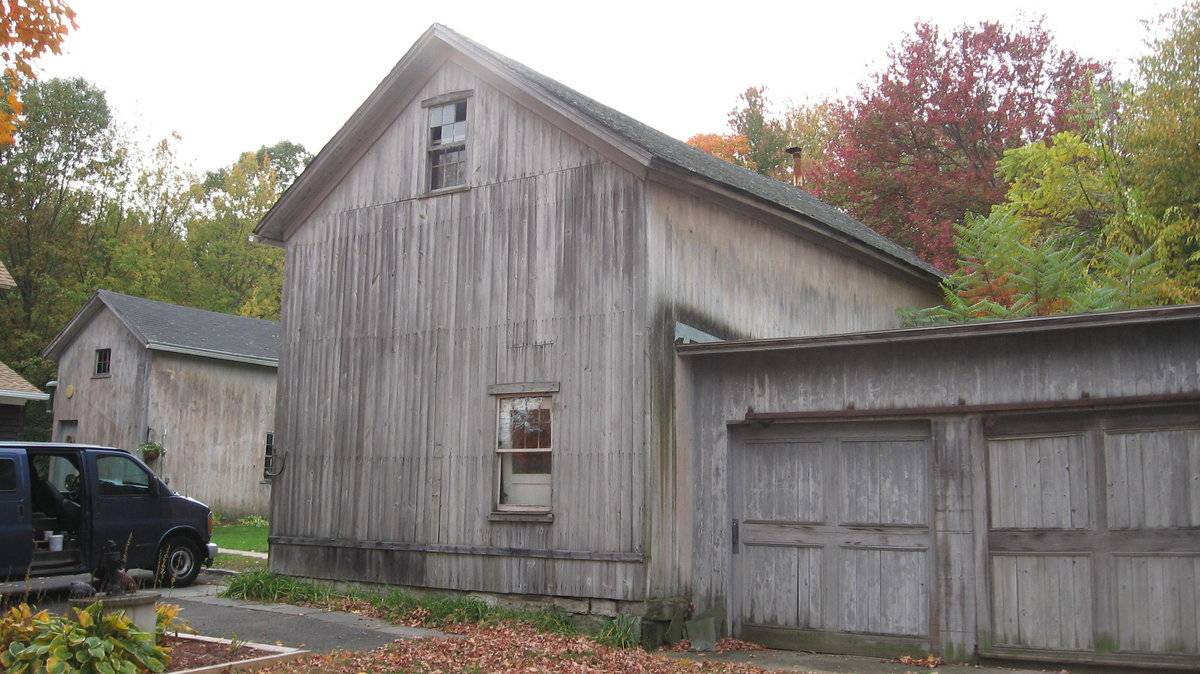
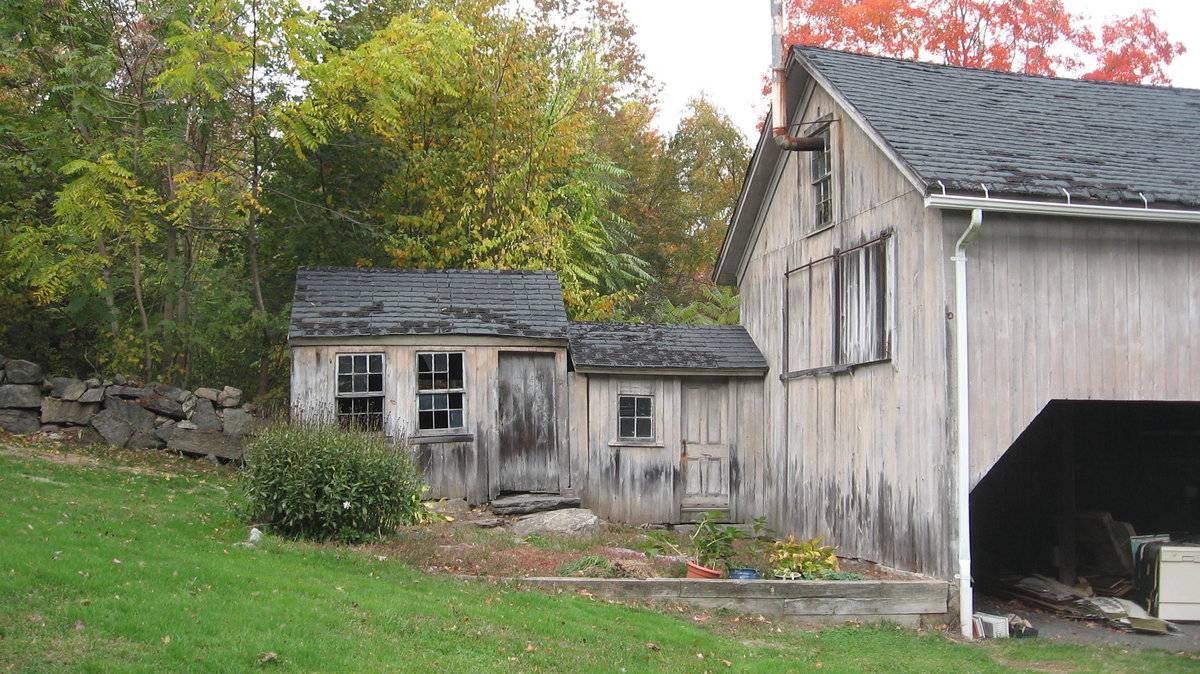
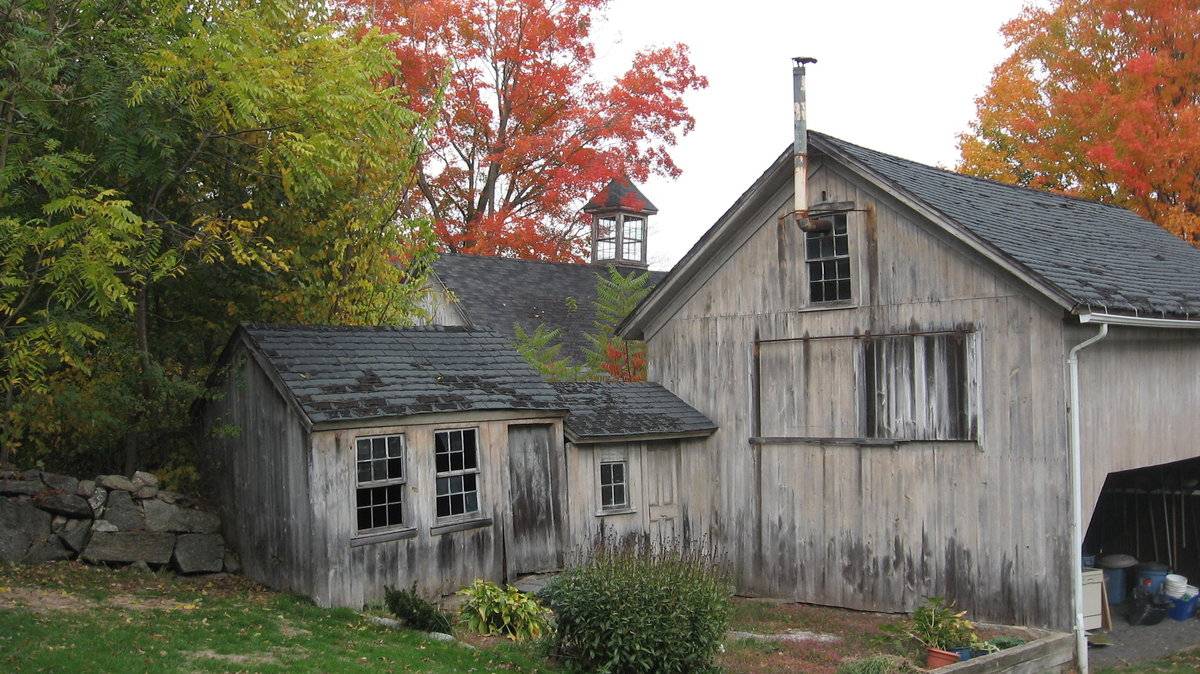
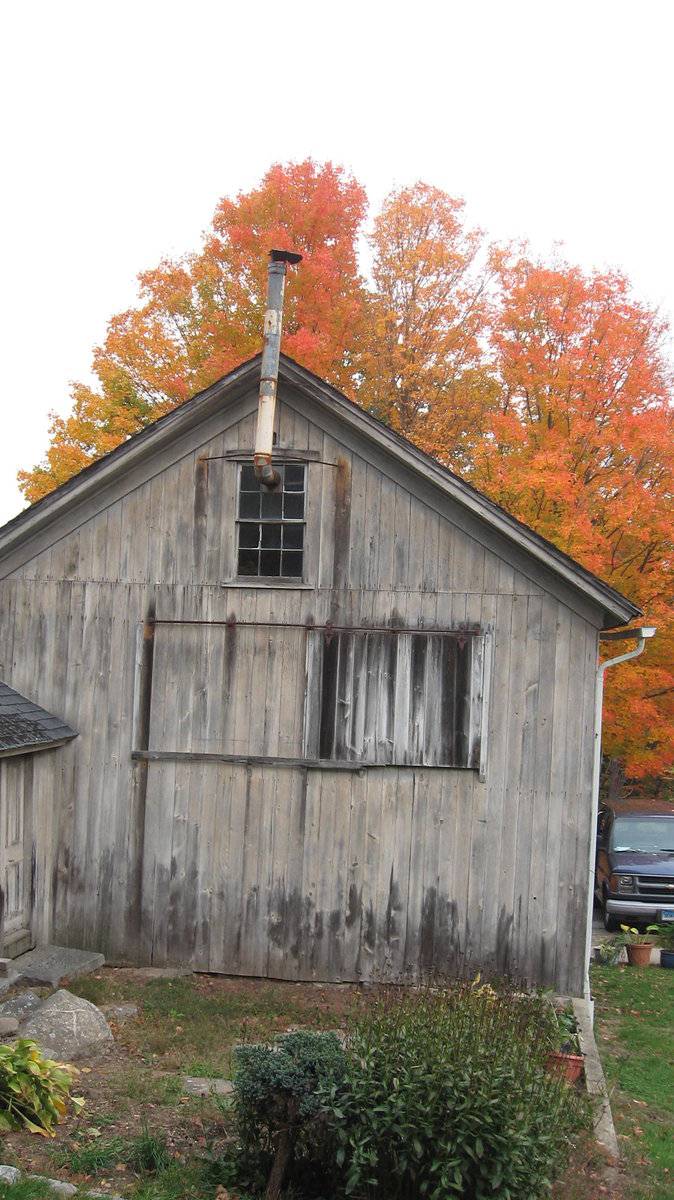
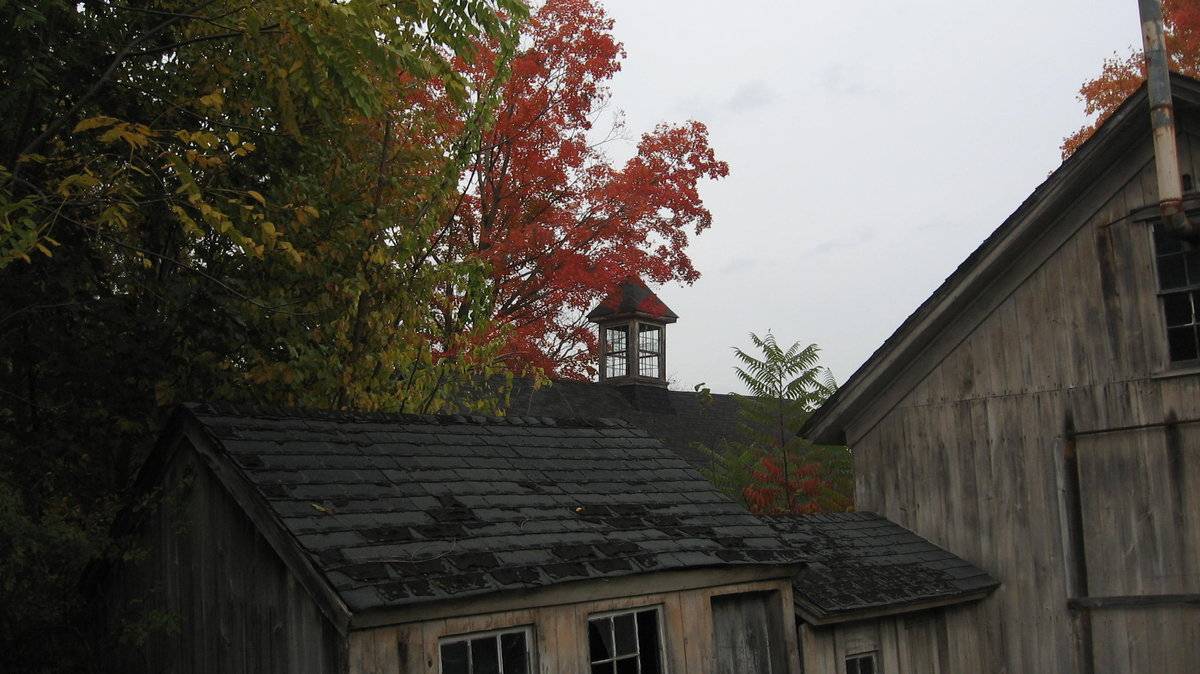
This is a 1 1/2-story L-shaped eave-entry barn with two wagon shed additions and an attached three-seat outhouse. The main facades of the main portion of the structure faces south and the ridge-line of this portion runs east-west. The main entry of the south eave-facade of the barn is a two-bay wide wagon opening with beveled upper corners in the west and middle bay of the structure. The east bay of the barn has a recessed pass-through door and a six-over-six double-hung window, both with trim. The grade of the facade declines slightly from west to east. A single cement stair is in front of the pass-through door. Mortared field-stone foundation is evident at the west corner as well as inside the opening on the west wall and un-mortared field-stone is exposed beneath the window towards the east corner. The grade at the west gable-side of the barn has a small wood retaining wall extending to the west from the south corner. A 1-story, three-seat outhouse with its gable-end extending to the west is attached to the north portion of the west gable-side of the barn. The main level has an exterior sliding hay door off center to the south with its tracks extending to the north. This door is just beneath the eave-line of the roof. In the gable attic of the west gable-side of the barn is a six-over-six double-hung window with a stove pipe coming out of one of the window panes and extending over the ridge of the roof. Just west of the outhouse is a small, deteriorating chicken coop.
The east gable-side of the barn has a shed-roofed addition, extending to the north, resulting in the L-shape of the entire structure. On the east-facade of the addition are two sliding doors; the north door is an exterior sliding door and the south door is an interior sliding door. Extending to the north from the north-side of the shed-roofed addition is a gable-roof addition with the ridge-line running perpendicular to the ridge-line of the main portion of the barn. It has a low open wagon opening.
The barn and additions are clad in unpainted tongue-and-groove sheathing. The foundation is un-mortared and mortared field-stone for the barn (the additions show signs of a brick foundation). The covering of the roof of the barn, outhouse and gable-roof addition are asphalt shingle; the shed-roof addition has rolled asphalt.
Historical significance:The oldest barns still found in the state are called the “English Barn,” “side-entry barn,” “eave entry,” or a 30 x 40. They are simple buildings with rectangular plan, pitched gable roof, and a door or doors located on one or both of the eave sides of the building based on the grain warehouses of the English colonists’ homeland. The name “30 by 40” originates from its size (in feet), which was large enough for 1 family and could service about 100 acres. The multi-purpose use of the English barn is reflected by the building’s construction in three distinct bays - one for each use. The middle bay was used for threshing, which is separating the seed from the stalk in wheat and oat by beating the stalks with a flail. The flanking bays would be for animals and hay storage.
Distinguished by the long shed or gable roof and the row of large openings along the eave side, the typical wagon shed was often built as a separate structure or as a wing connected to the farmhouse or the barn. These open-bay structures protect farm vehicles and equipment from the weather and provide shelter for doing small repairs and maintenance.
Field Notes
There are five outbuildings (plus the house) on this site; the summer kitchen, English bank barn, a small chicken coop, the L-shaped wagon barn and the main barn. 2011 Barns grant pre-applicant.
- Use & Accessibility
Use (Historic)
Use (Present)
Exterior Visible from Public Road?
Yes
Demolished
n/a
Location Integrity
Original Site
- Environment
Related features
Environment features
Relationship to surroundings
The L-shaped wagon shed is behind and to the northwest of the house it is associated with. The ridge-line of the house is perpendicular to the ridge-line of the main facade of the L-shaped wagon shed. The site is approximately two acres with a cluster of 5 outbuildings to the west and north of the house, demarcated by stone walls. The outbuildings include a summer kitchen to the west of the house, a small English barn to the west of the summer kitchen, the L-shaped wagon barn which is to the northwest of the house, a small chicken coop just west of the L-shaped wagon shed and the main English bank barn to the northeast of the L-shaped wagon shed. To the west of the complex is dense woodland that was once open fields. The area surrounding the site is residential, commercial and woodland.
- Typology & Materials
-
Building Typology
Materials
Structural System
Roof materials
Roof type
Approximate Dimensions
n/a
- Source
-
Date Compiled
10/25/2010
Compiled By
Todd Levine, reviewed by the CT Trust
Sources
Photographs and field notes by Todd Levine.
Map of Shelton, CT, retrieved on October 25, 2010 from website www.zillow.com.
Sexton, James, PhD; Survey Narrative of the Connecticut Barn, Connecticut Trust for Historic Preservation, Hamden, CT, 2005, http://www.connecticutbarns.org/history.
Visser, Thomas D.,Field Guide to New England Barns and Farm Buildings, University Press of New England, 1997.
- PhotosClick on image to view full file
-