Barn Record Middlebury
RETURN TO ‘FIND BARNS’- Building Name (Common)
- n/a
- Building Name (Historic)
- n/a
- Address
- 2307 Middlebury Road (Rte 64), Middlebury
- Typology
- Overview
-
Designations
n/a
Historic Significance
Architectural description:
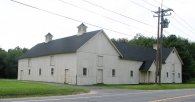
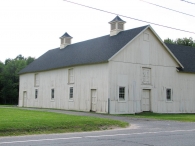
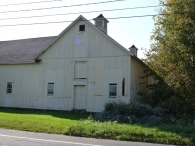
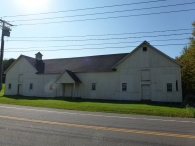
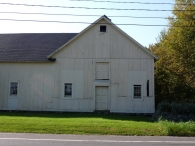
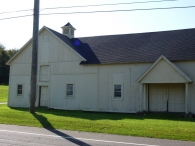
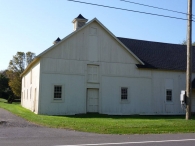
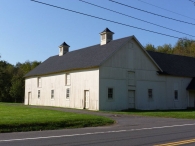
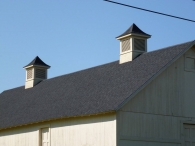
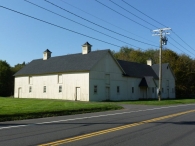
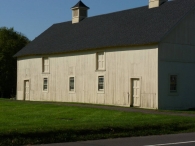
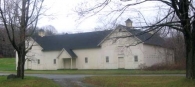
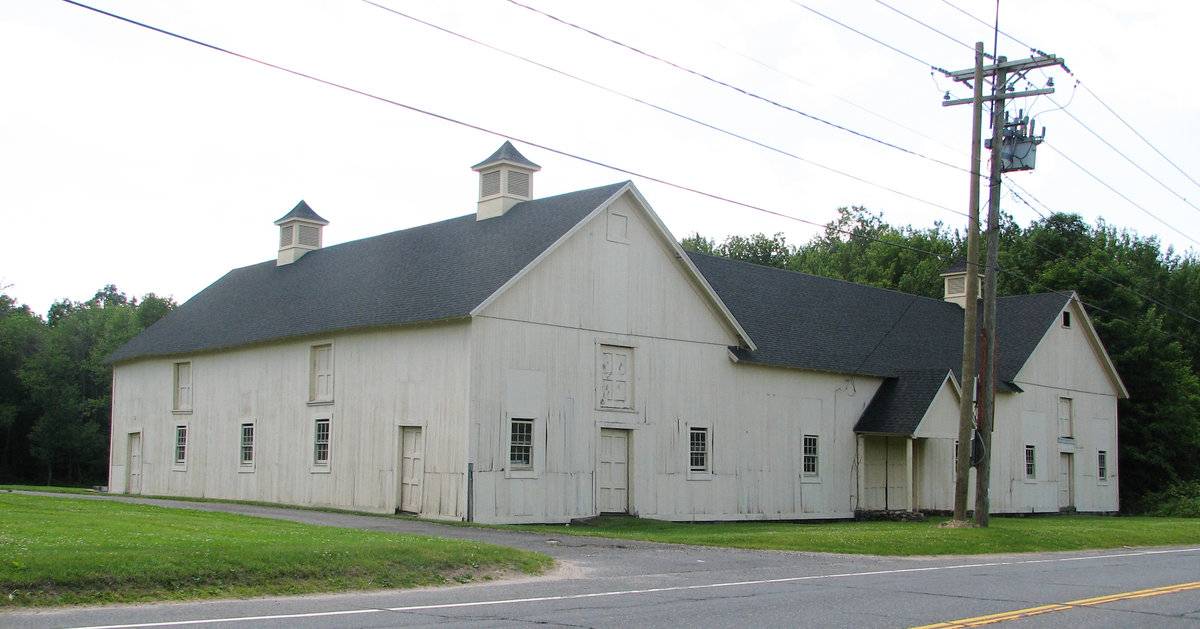
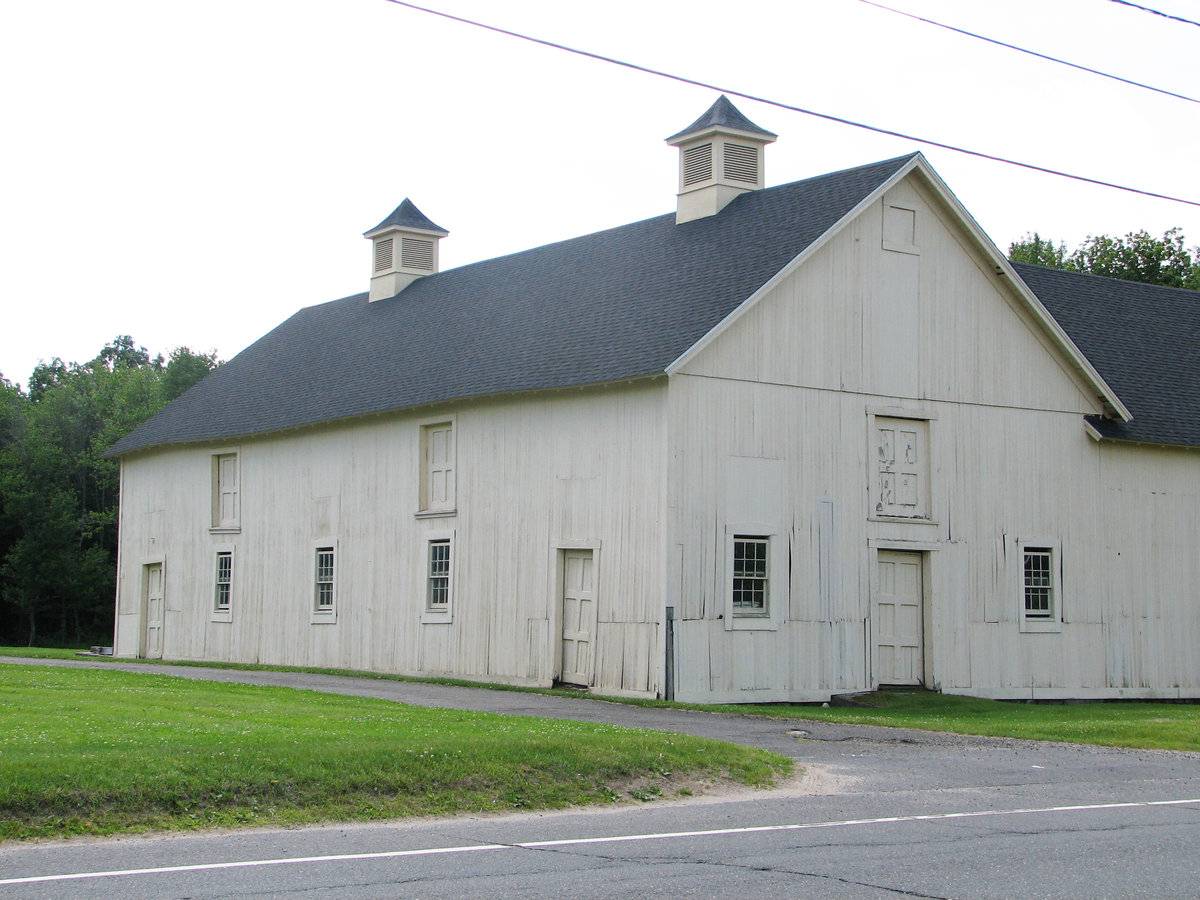
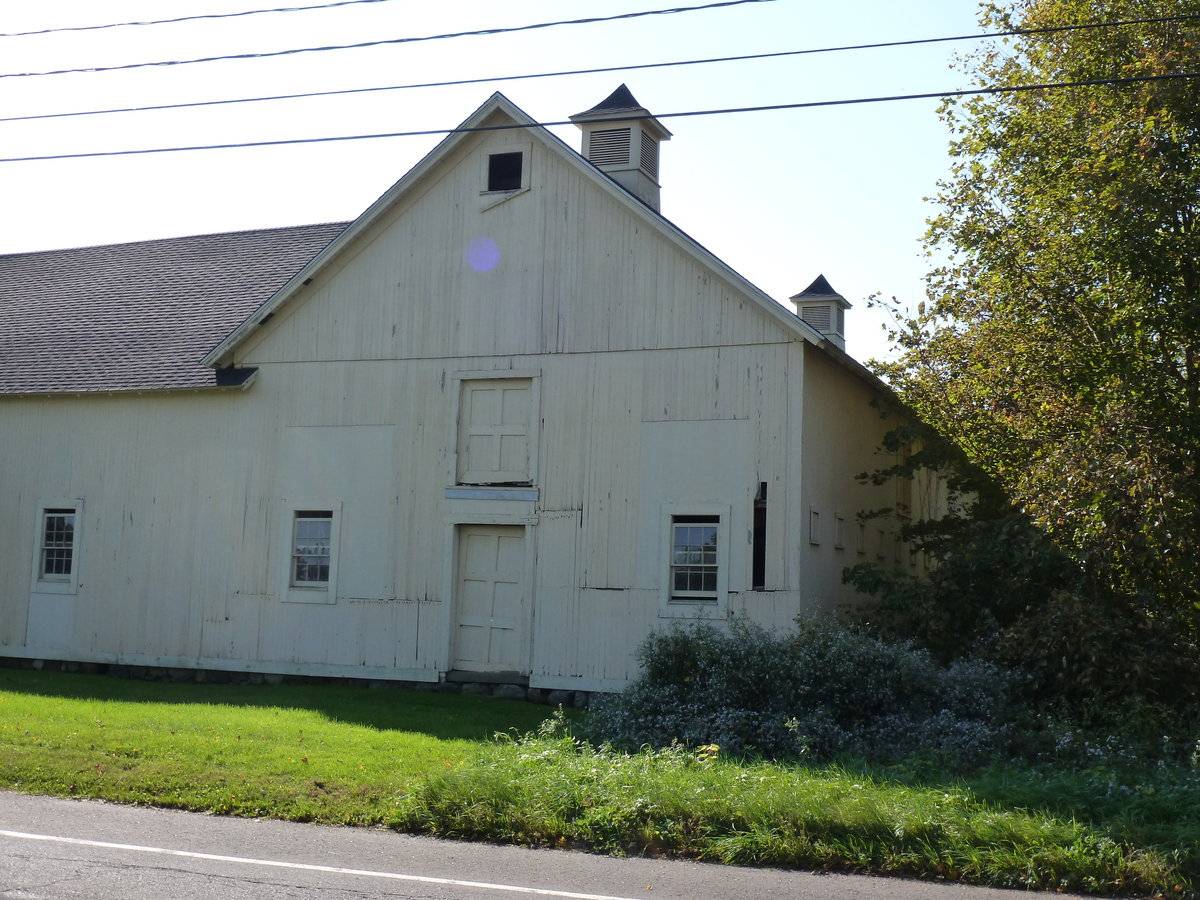
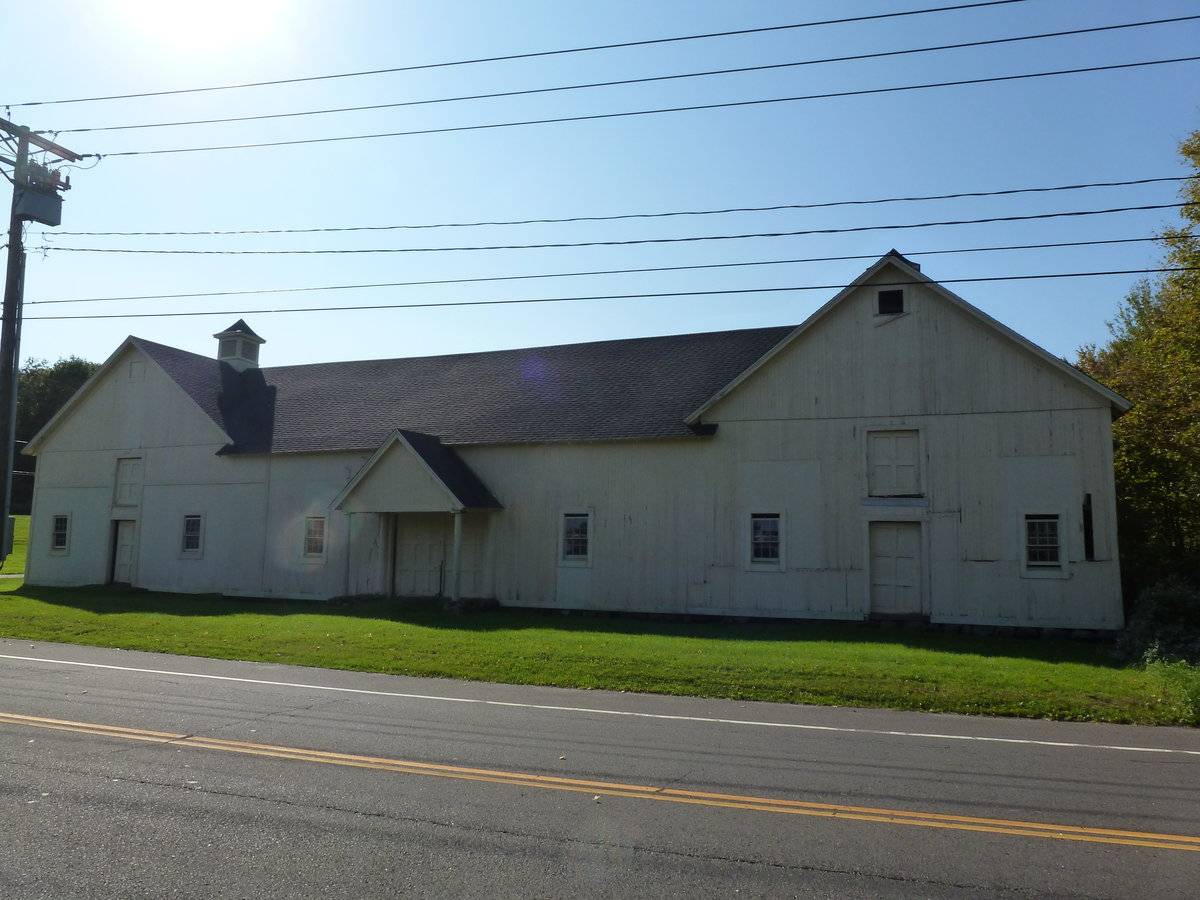
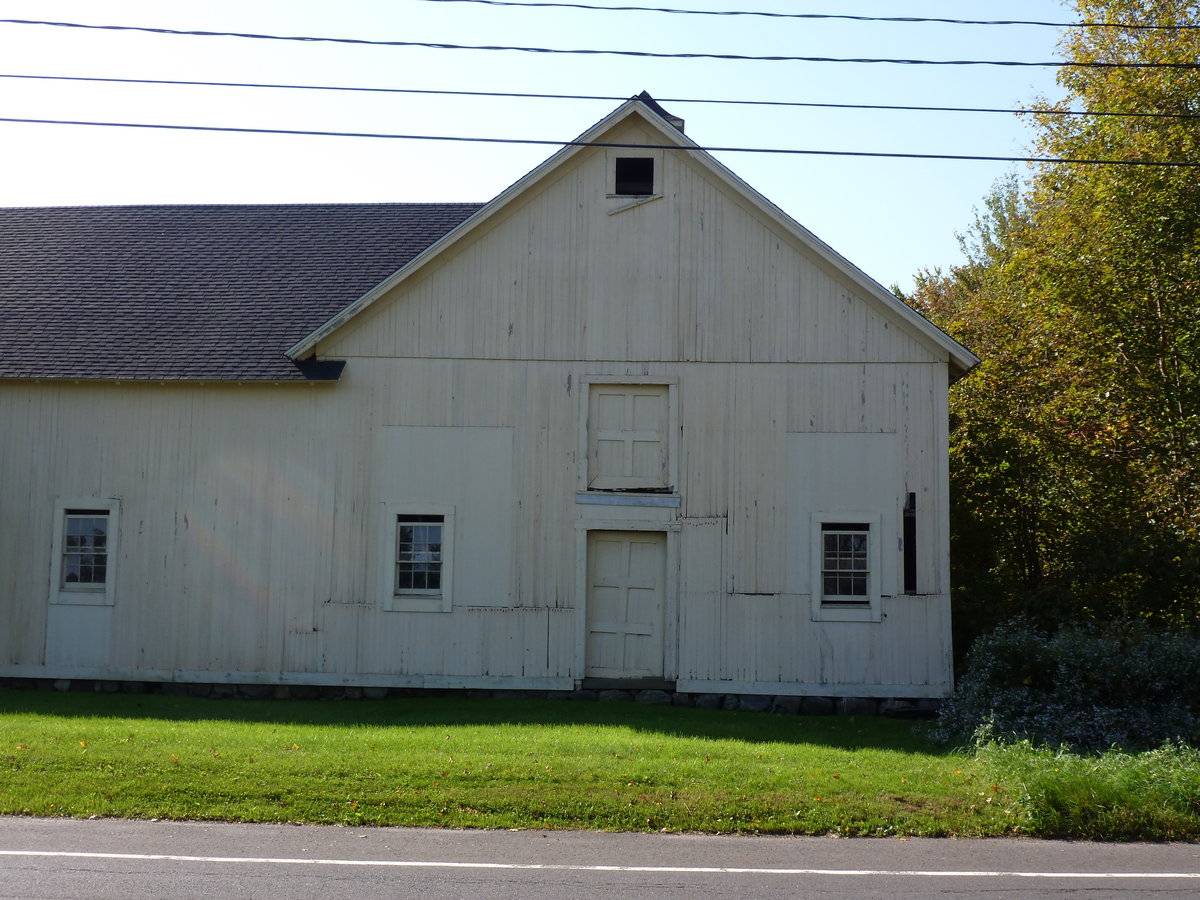
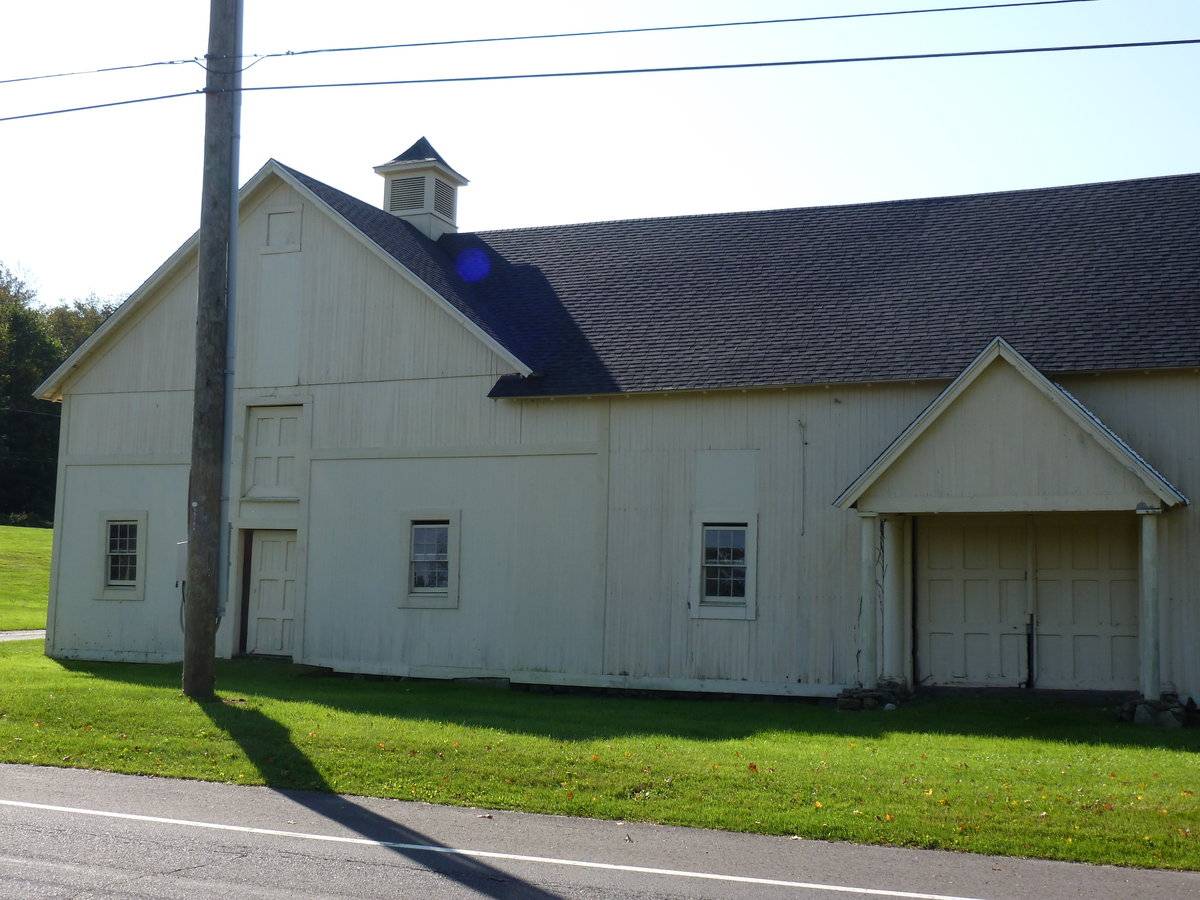
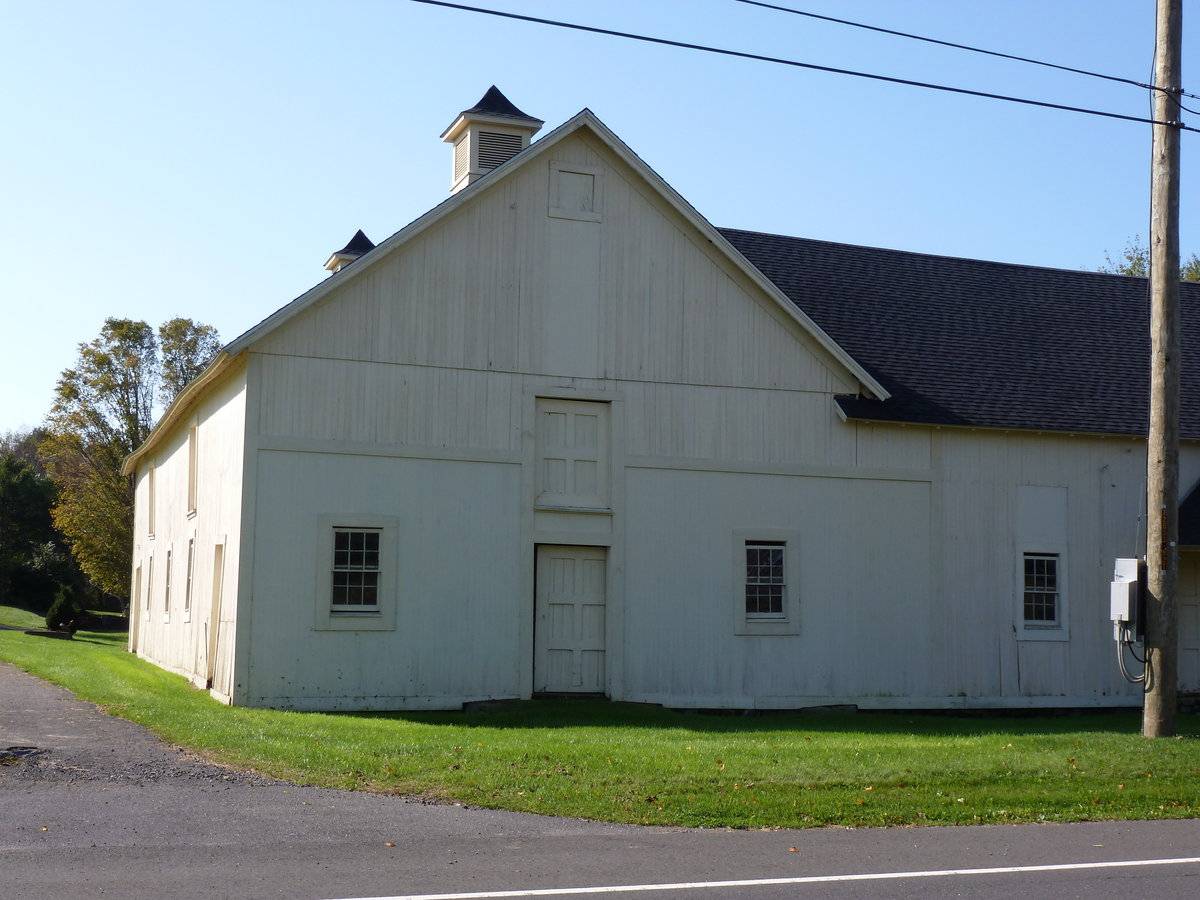
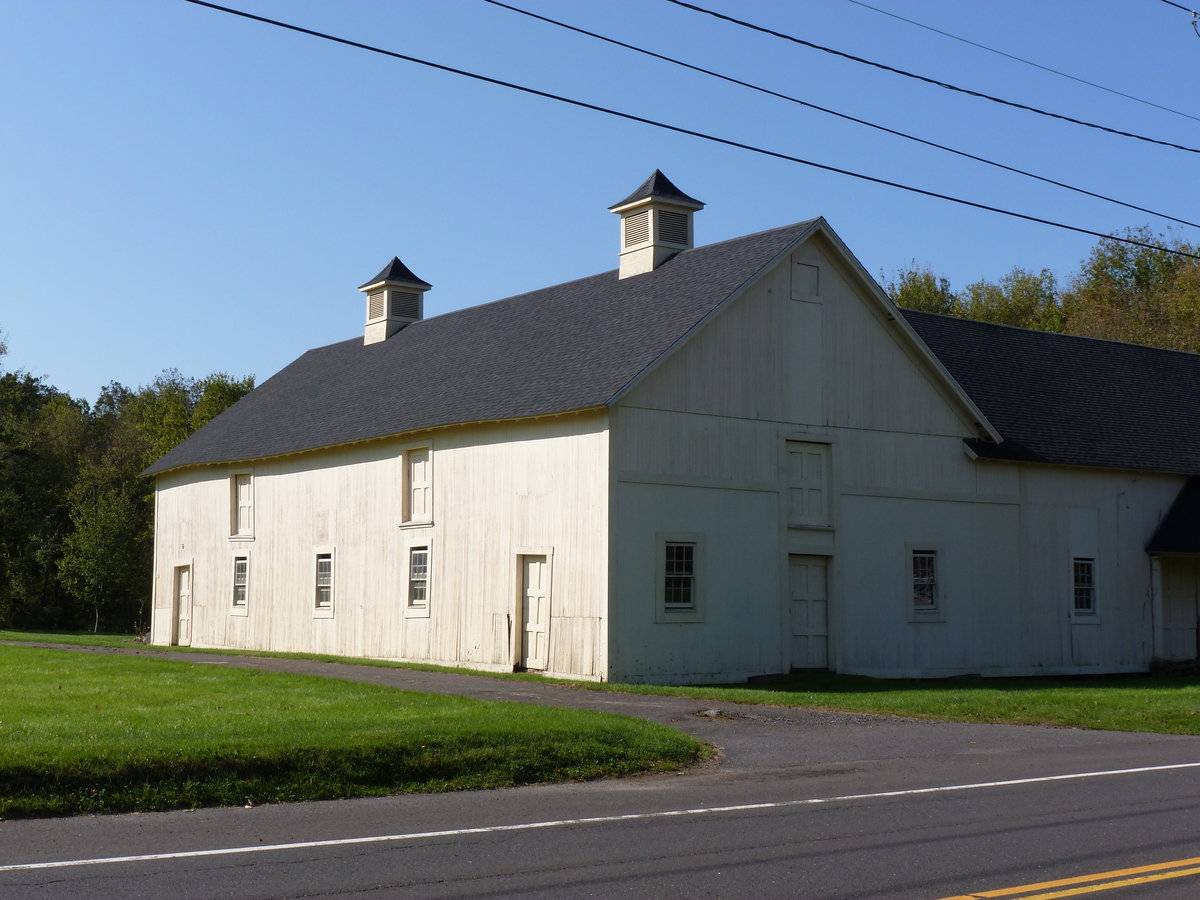
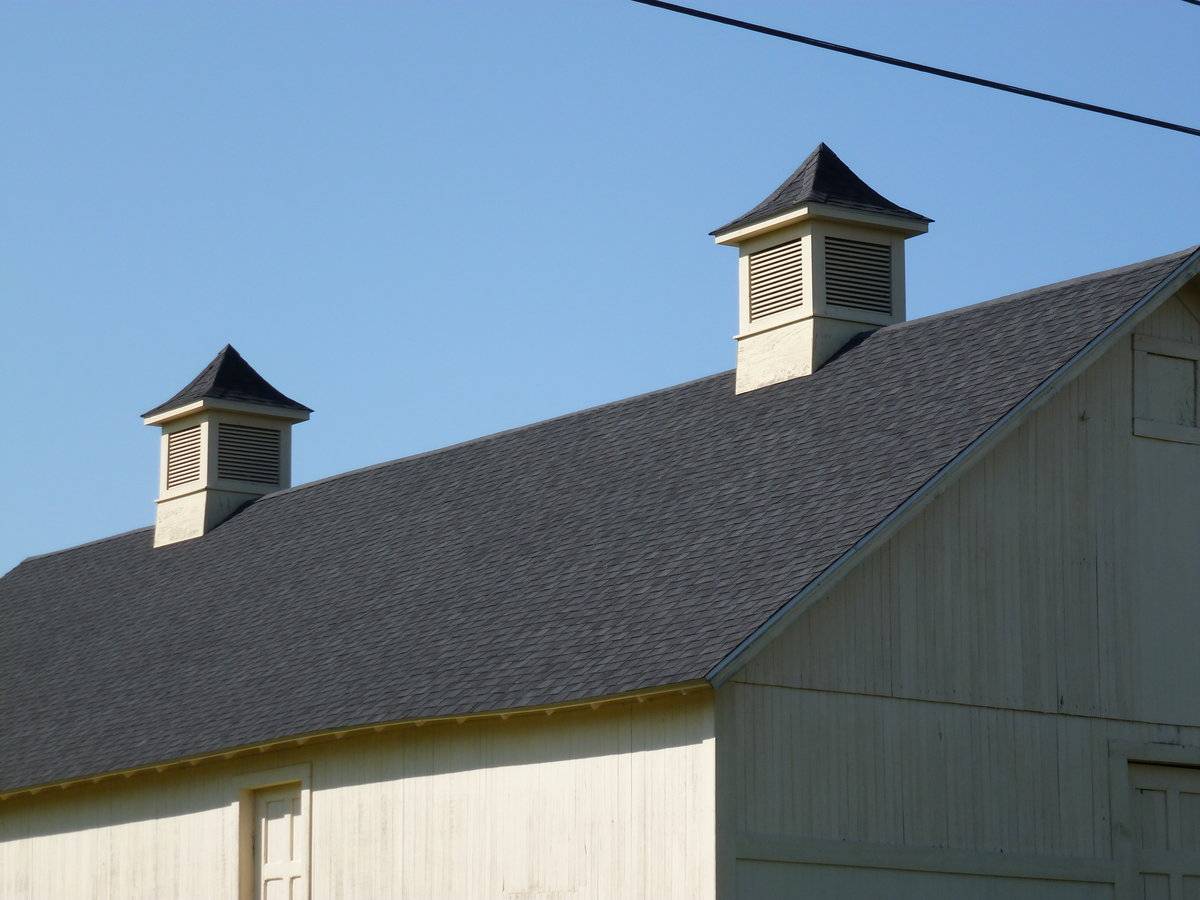
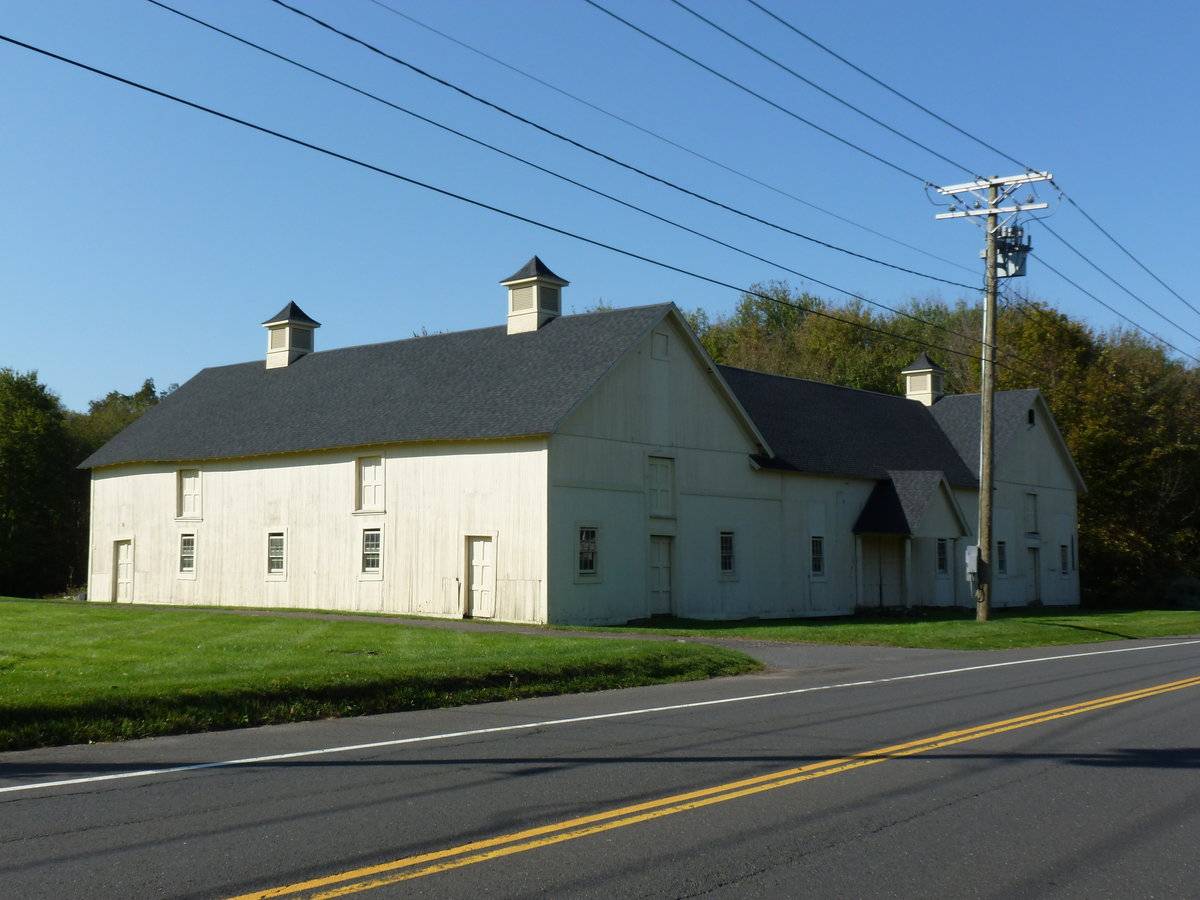
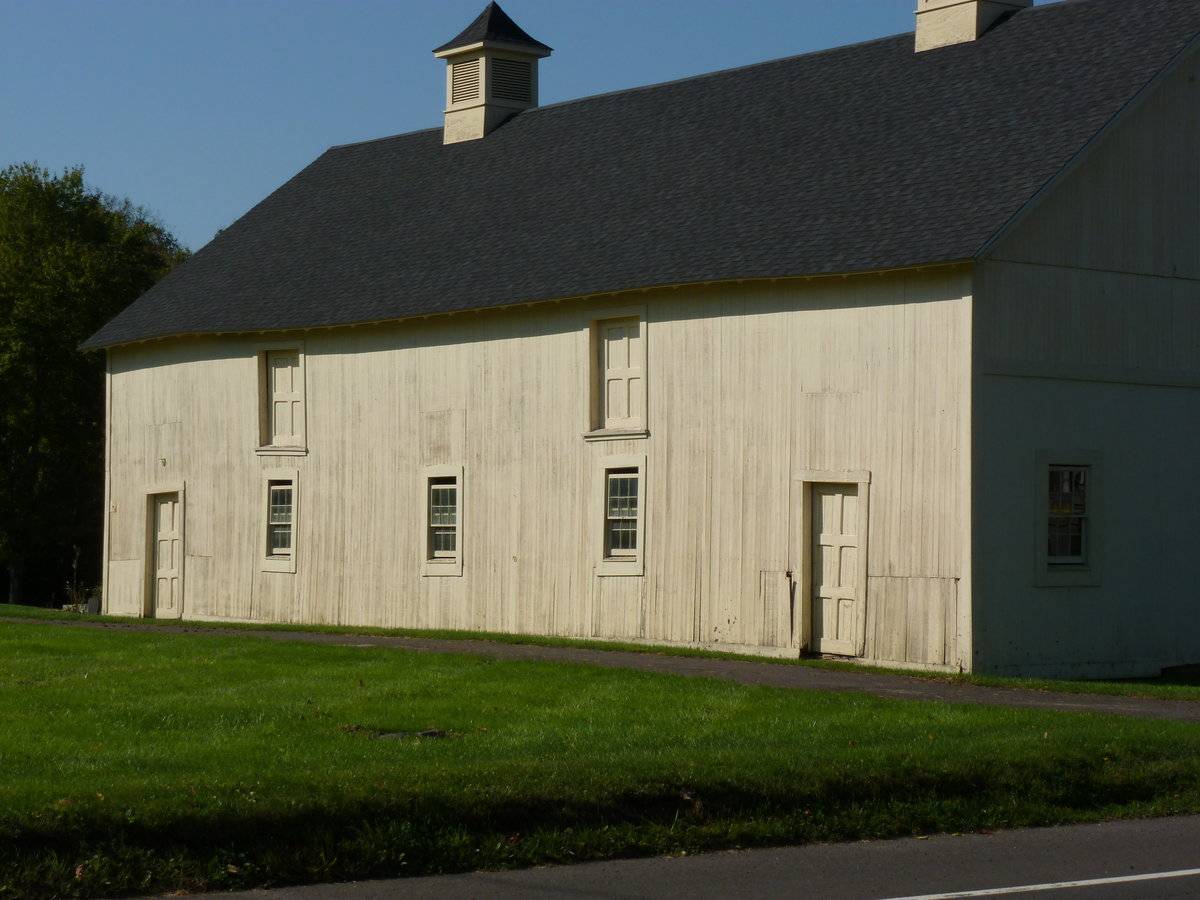
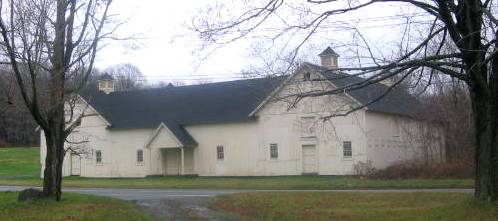
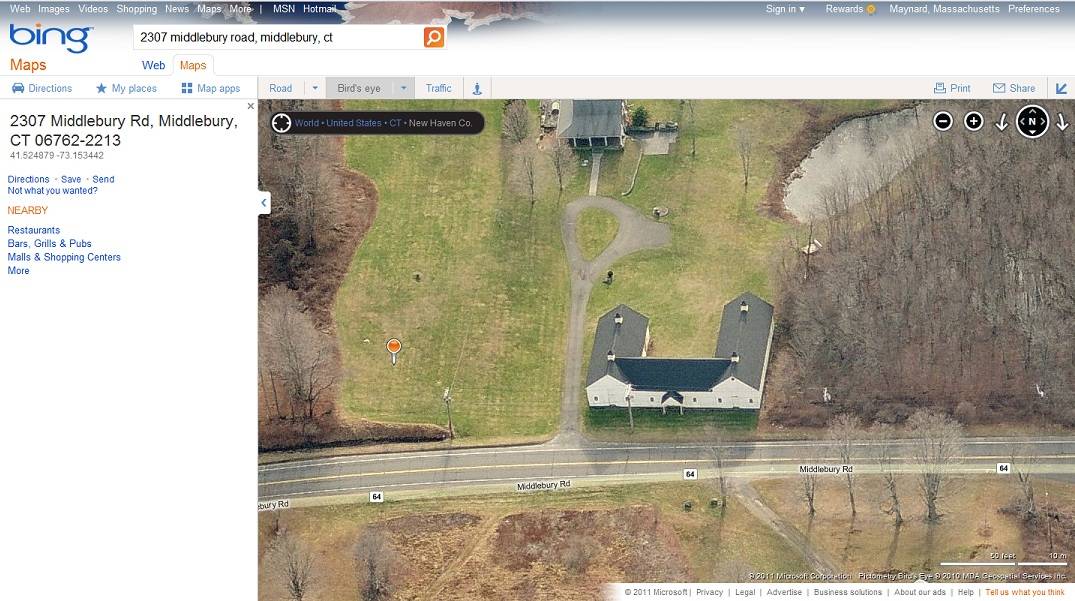
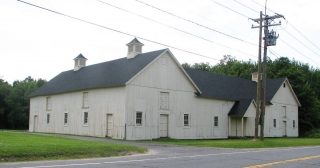
Structure oriented with main (north) façade framed by intersecting gables extending south to enclose a rear barnyard. Symmetrical façade composition; single double-hung windows (6-over-6 sash) flank central double barn doors sheltered by triangular-gabled porch roof supported on Tuscan columns set on low fieldstone walls extending back to stone foundation; engaged columns flank doors. Façade terminates at twin north gable ends; vertical barn boards create shallow overhang in gables; central door slider flanked by double-hung sash with a loft door centered above. Louvered vents at cornice level. All wood doors are recessed to slide on runners; paneled created with beveled stiles set on barn board. West gable extends further than east gable, fronting barnyard with three open bays. Pagoda-roofed cupolas (square in section with four louvered vents) located at gable intersections; one additional cupola near south end of each end wing. Double-hung windows crowned by pointed Greek-style window lintels.
Historical significance:The oldest barns still found in the state are called the “English Barn,” “side-entry barn,” “eave entry,” or a 30 x 40. They are simple buildings with rectangular plan, pitched roof, and a door or doors located on one or both of the “eave” sides of the building based on the grain warehouses of the English colonists’ homeland. The New England barn or gable front barn was the successor to the English barn and relies on a gable entry rather than an entry under the eaves. The gable front offers many practical advantages. Roofs drain off the side, rather than flooding the dooryard. Although it was seen by many as an improvement over the earlier side entry English Barn, the New England barn did not replace its predecessor but rather coexisted with it. In this case, both an eave entry and a gable entry are used.
The 19th century would see the introduction of a basement under the barn to allow for the easy collection and storage of a winter’s worth of manure from the animals sheltered within the building. The bank barn is characterized by the location of its main floor above grade, either through building on a hillside or by raising the building on a foundation. This innovation, aided by the introduction of windows for light and ventilation, would eventually be joined by the introduction of space to shelter more animals under the main floor of the barn.Field Notes
Information taken from a survey of Middlebury by Rachel Carley. This massive and handsome barn, one of the best-preserved agricultural structures in Middlebury, is a landmark on Rte. 64 in the Lake Quassapaug vicinity. Although the overall aspect is simple, the design shows attention to craftsmanship in such details as the beveled corners of the door stiles and the incised corners of the rear bays on the west wing. The fieldstone foundation is another beautiful feature. Materials: Vertical barn board. Historic use: Cow/hay barn. Present use: Barn. 1 story plus loft
- Use & Accessibility
Use (Historic)
Use (Present)
Exterior Visible from Public Road?
1
Demolished
n/a
Location Integrity
Unknown
- Environment
Related features
Environment features
Relationship to surroundings
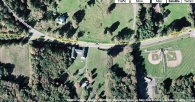
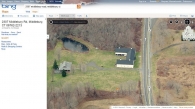
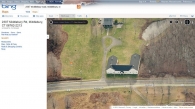
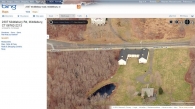
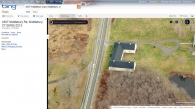
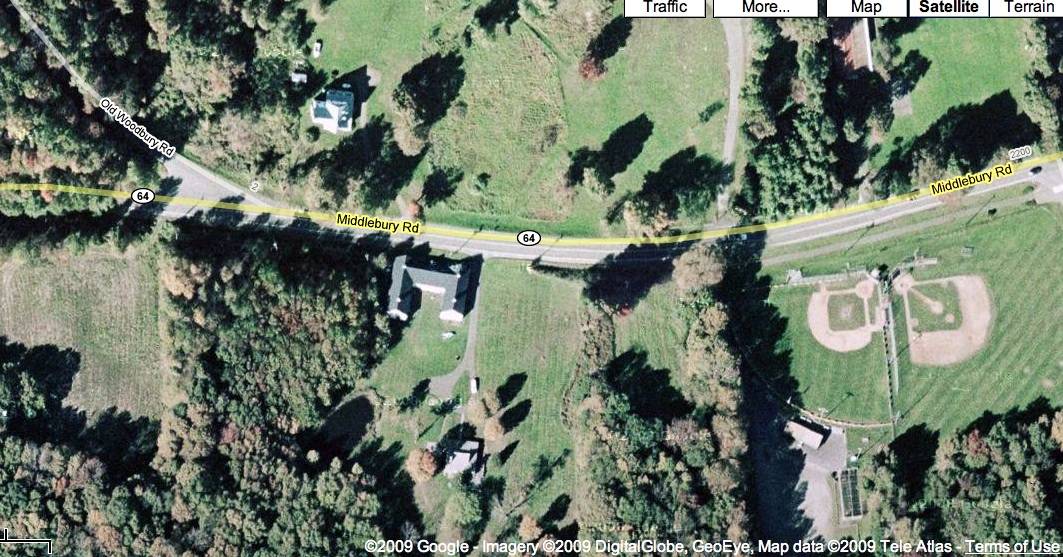
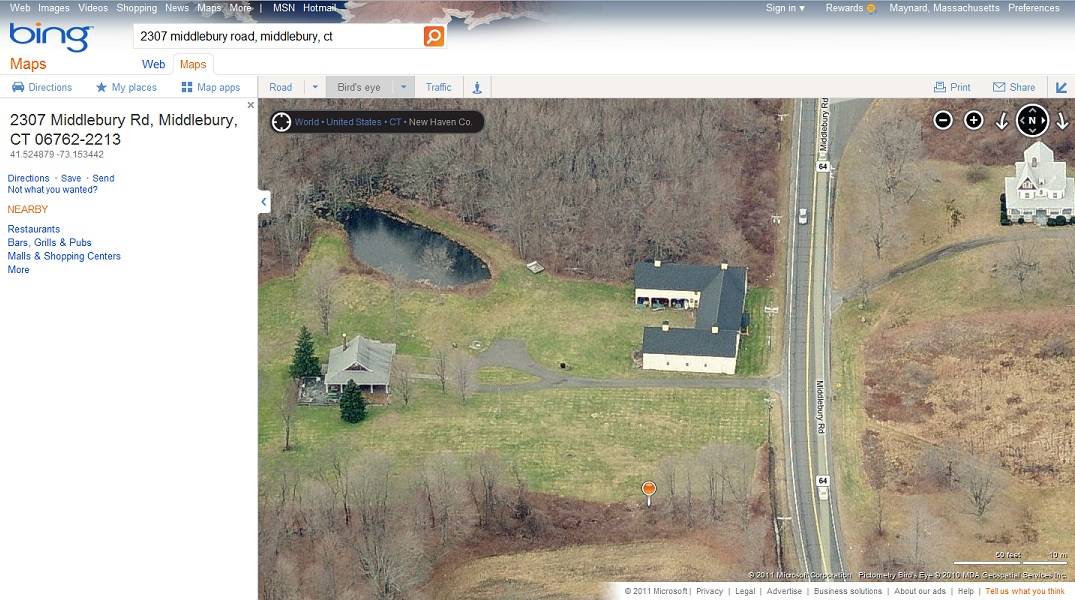
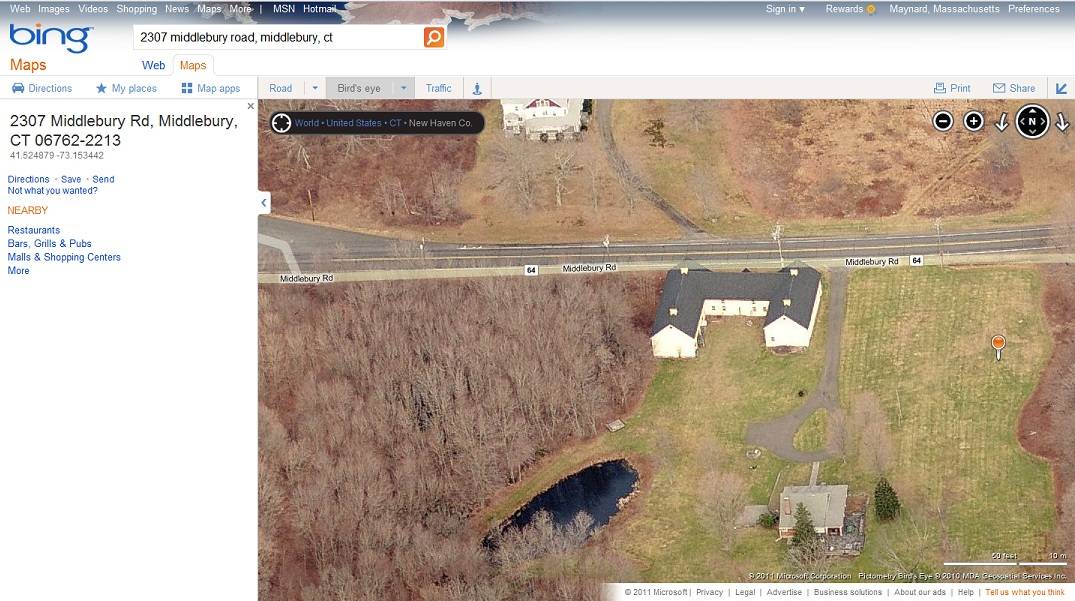
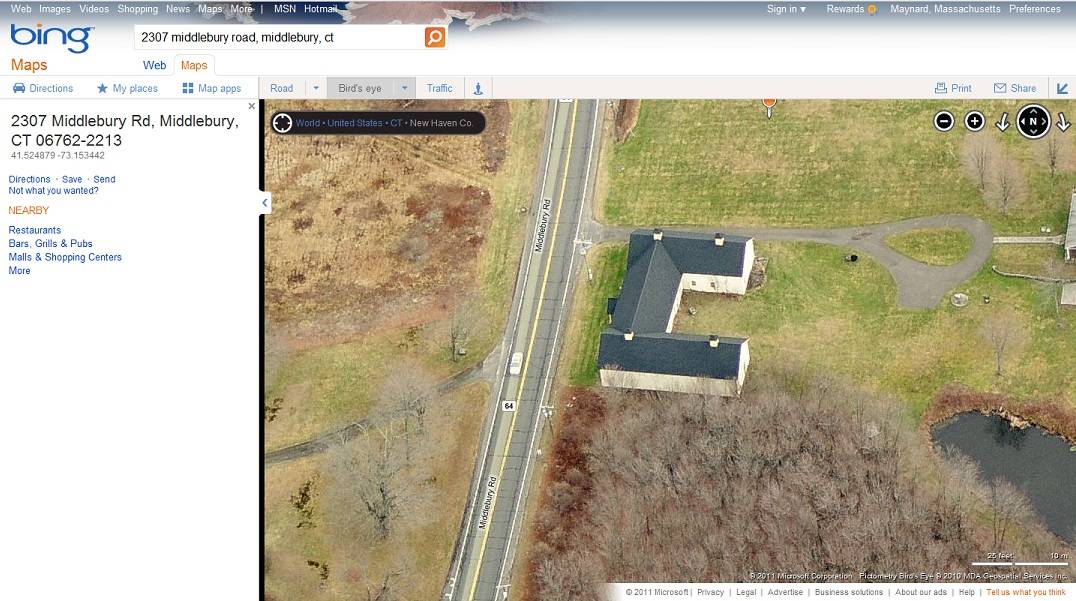
This barn stands close to the road on the south side of Rte. 64 directly to the east of the Middlebury town playing filed and opposite no. 2328 Middlebury Road. Quassy Amusement Park is located to the northeast. The site is cleared, with woods to the west. A small pond is located to the southwest. The driveway, shared with (#XX), enters on the east side of the structure.
Map/Block/Lot: 7-06/ / 027/ /
- Typology & Materials
-
Building Typology
Materials
Structural System
Roof materials
Roof type
Approximate Dimensions
4900 square feet.
- Source
-
Date Compiled
11/06/2008
Compiled By
Melissa Antonelli; Rachel Carley
Sources
Middlebury Tax Assessor Records - http://data.visionappraisal.com - accessed 10/06/2011.
Aerial views from
Google maps http://maps.google.com/
accessed 4/03/2009 and
Bing Maps http://www.bing.com/maps/ accessed 2/24/2011.Sexton, James, PhD; Survey Narrative of the Connecticut Barn, Connecticut Trust for Historic Preservation, Hamden, CT, 2005, http://www.connecticutbarns.org/history.
Visser, Thomas D.,Field Guide to New England Barns and Farm Buildings, University Press of New England, 1997, 213 pages.
- PhotosClick on image to view full file
-