Barn Record East Windsor
RETURN TO ‘FIND BARNS’- Building Name (Common)
- n/a
- Building Name (Historic)
- n/a
- Address
- 132 Melrose Road, East Windsor
- Typology
- Overview
-
Designations
n/a
Historic Significance
Architectural description:
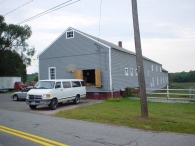
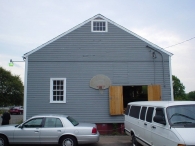
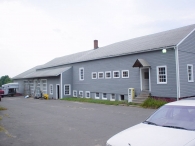
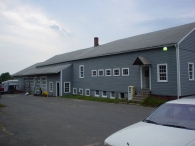
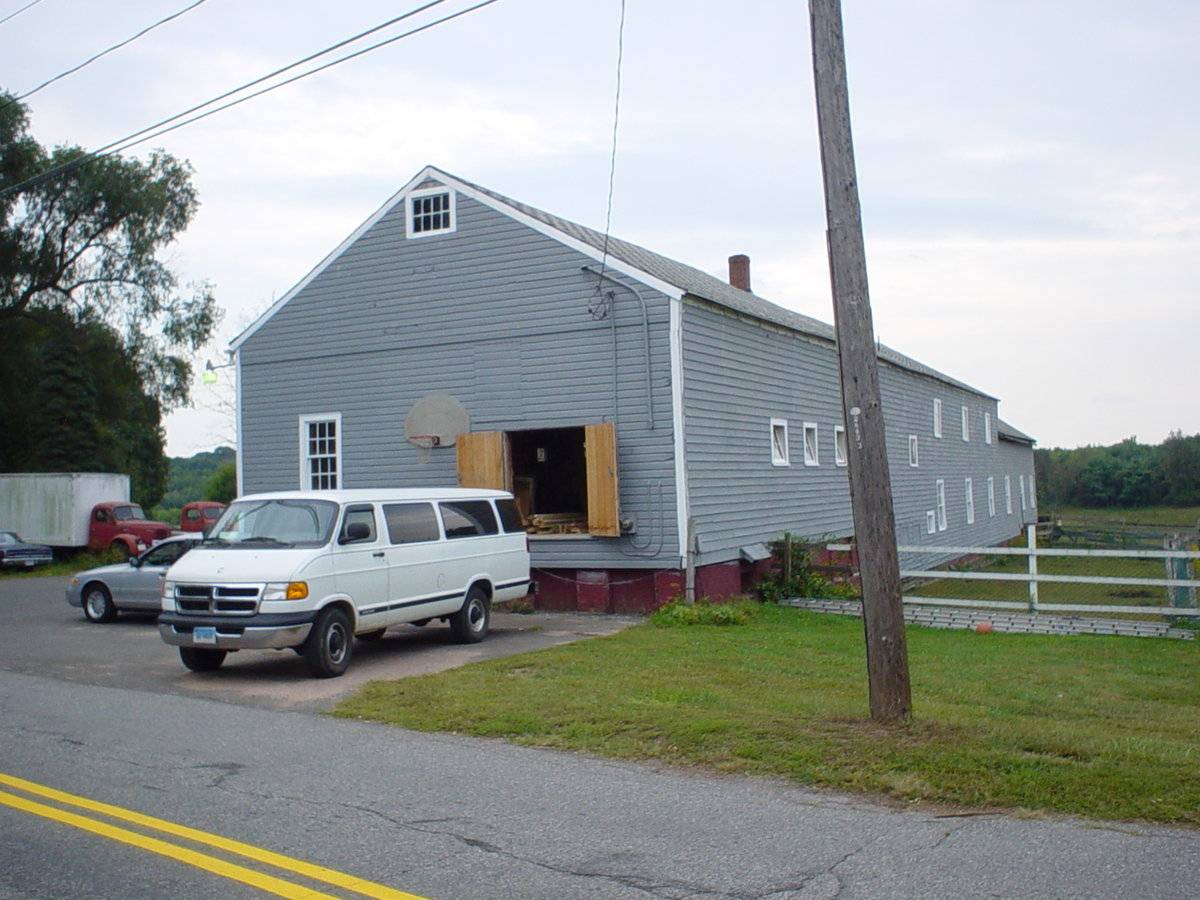
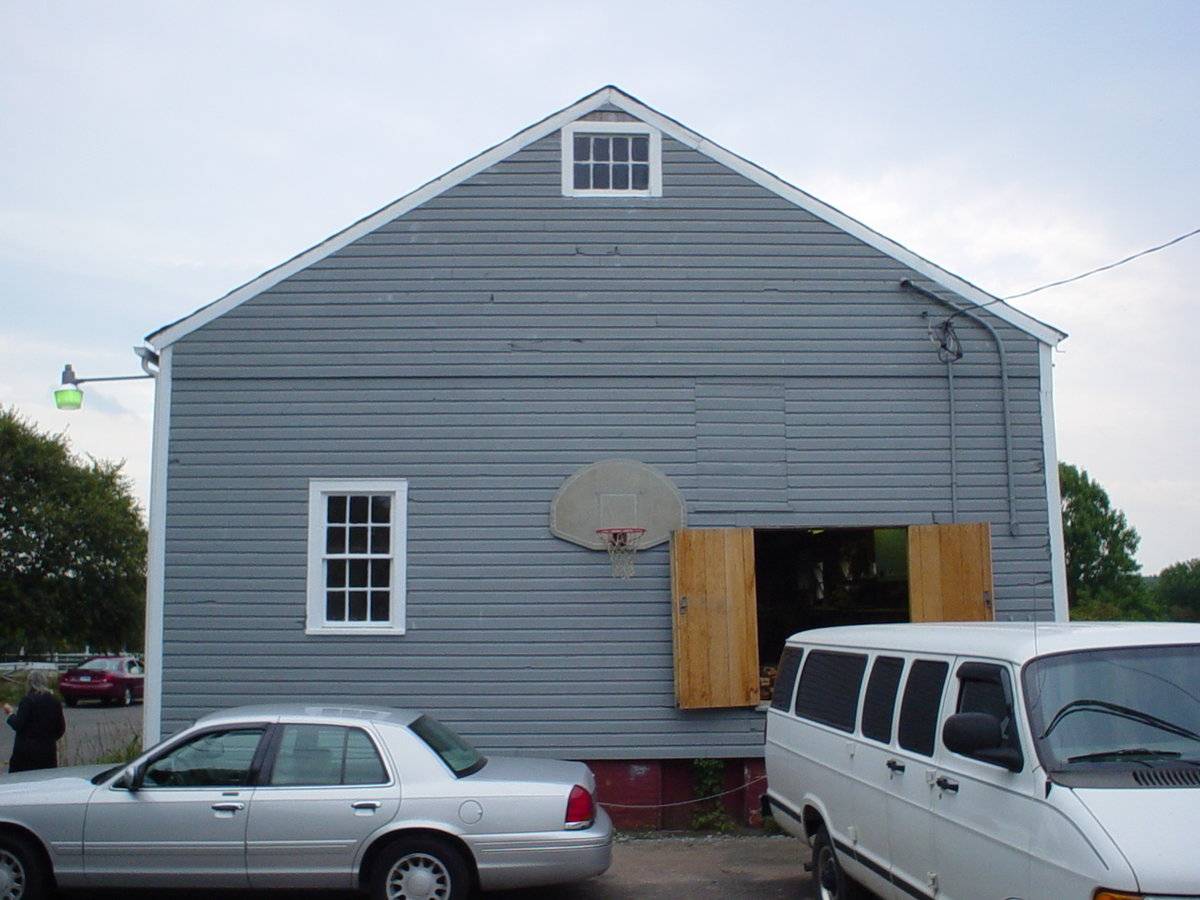
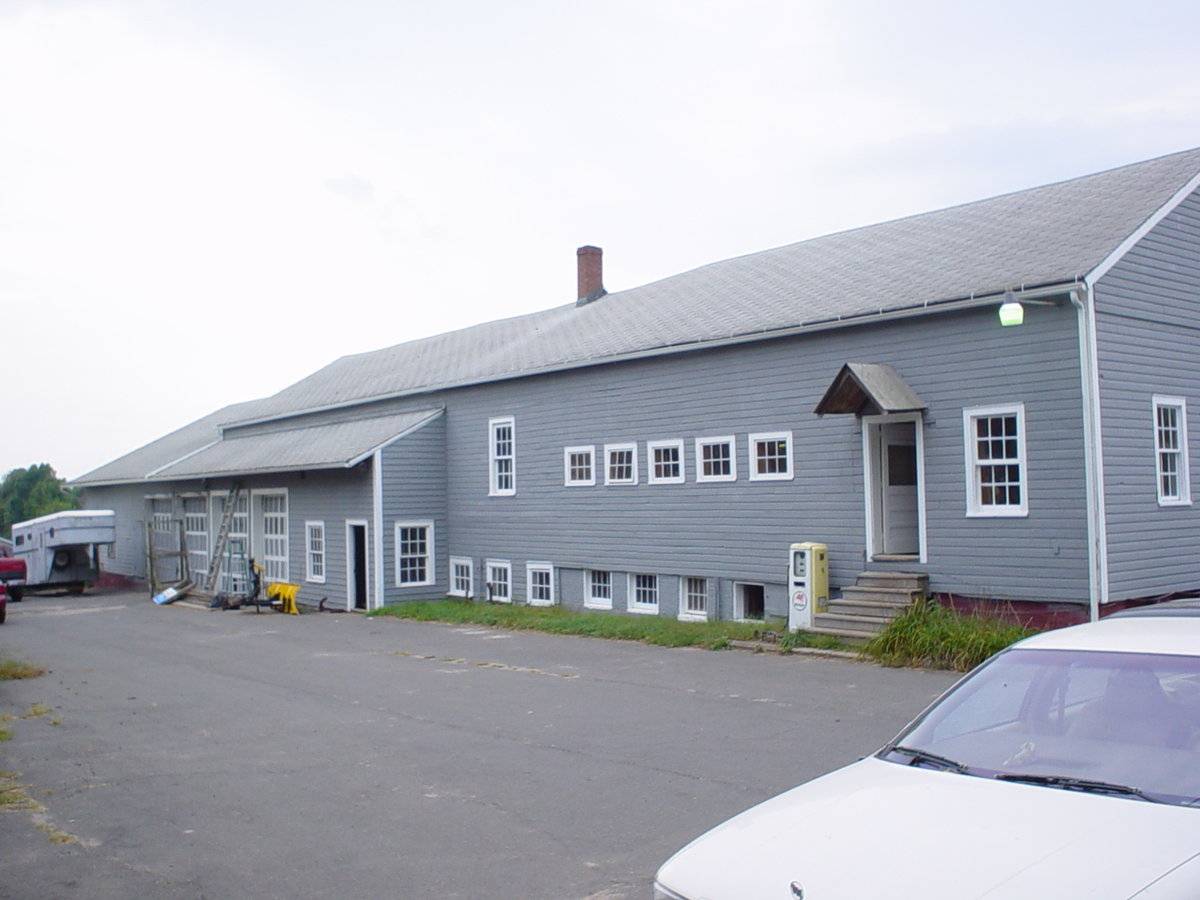
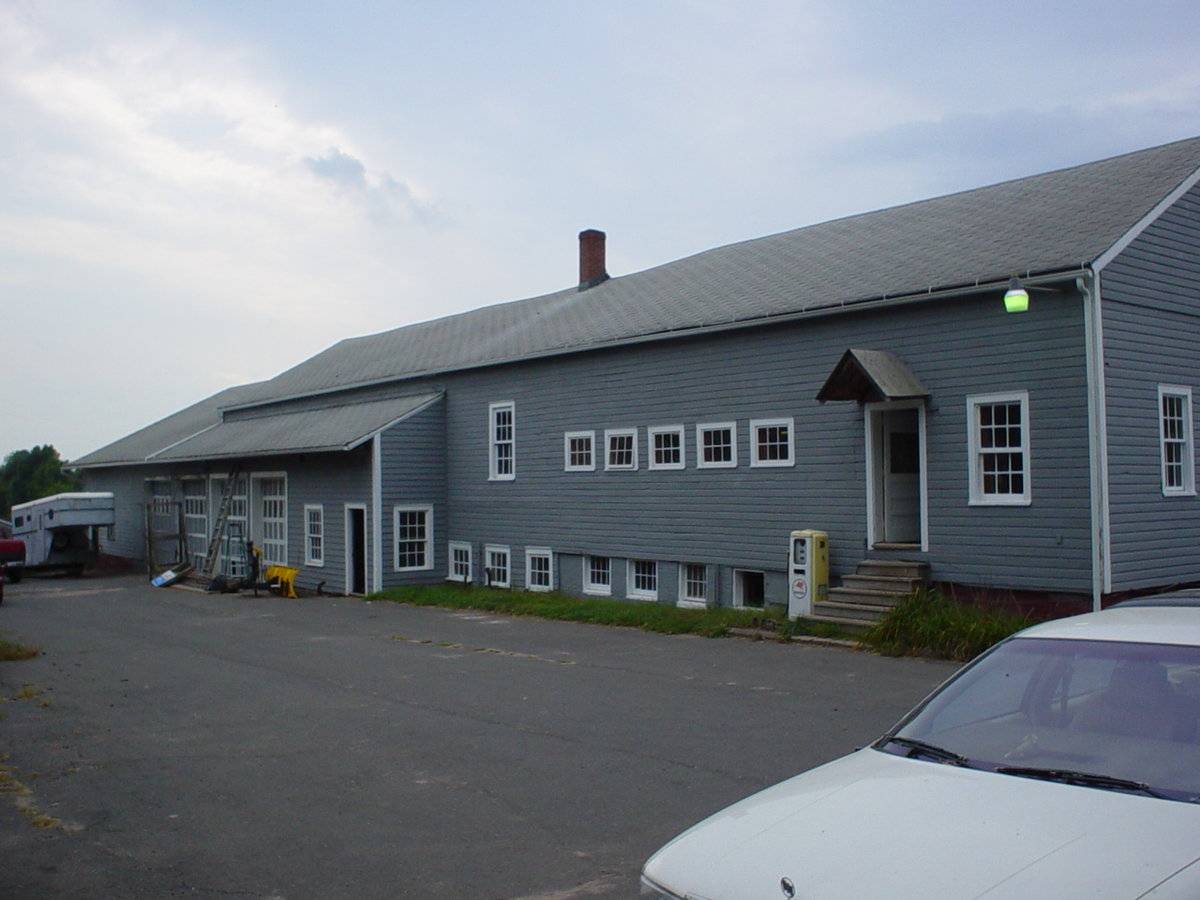
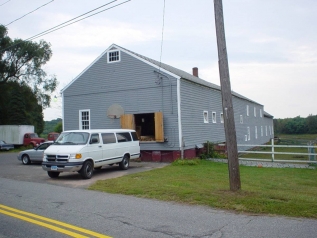
This is a 1 ½ - story eave-entry barn with its north gable-side facing Melrose Road and a gable-roof addition encompassing the entire length of its south gable-side. The main façade of the barn is the east eave-side with its ridge line running north-south perpendicular to the road. The barn has a basement towards the north and a shed-roof addition on the main east eave-façade towards the south. The main east eave-façade of the barn has the main entrance towards the north through a dormer hinged pass-through door with steps leading to the main first floor level. A pair of six-over-six sash windows can be seen towards the north of the main entrance while another pair of six-over-six sash windows can be seen towards the south separated from the main entrance by a series of closely spaced six-pane awning windows. The main east eave-façade of the barn has at least seven six-pane windows to light the basement below. The east eave-side of the shed-roof addition on the main east eave-façade of the barn towards the south has four entrances through four over-head garage doors. The east eave-side of the shed-roof addition also has a hinged pass-through door towards the northern edge separated from the over-head garage doors by a pair of six-over-six double hung sash windows. The east eave-side of the gable-roof addition on the south gable-side of the main barn can be seen flush with the east side-wall of the shed-roof addition towards the south while the north side-wall of the shed-roof addition has a pair of six-over-six double-hung sash windows at the center. The north gable-side of the barn has a pair of six-over-six double-hung sash windows towards the east and a double-leaf hinged hay door towards the west. The gable attic above is separated by a distinct dropped girt siding divide line and has an eight-pane window just below the apex of the roof. The west eave-side of the barn has four six-pane awning windows towards the north at the first floor level beyond which the barn has two floor levels with each level having one square vent and three pairs of six-over-six double-hung sash windows. The west eave-side of the gable-roof addition on the south gable-side of the main barn can be seen flush with the west eave-side of the main barn towards the south and has three pairs of equally spaced six-over-six double-hung sash windows. The gable-roof of the main barn has a brick chimney at the center.
The wooden frame of the barn is supported on plastered brick masonry foundation and has asphalt shingle roofing the barn has grey painted horizontal clapboard siding with white corner boards.
Historical Significance:The oldest barns still found in the state are called the “English Barn,” “side-entry barn,” “eave entry,” or a 30 x 40. They are simple buildings with rectangular plan, pitched gable roof, and a door or doors located on one or both of the eave sides of the building based on the grain warehouses of the English colonists’ homeland. The name “30 by 40” originates from its size (in feet), which was large enough for 1 family and could service about 100 acres. The multi-purpose use of the English barn is reflected by the building’s construction in three distinct bays - one for each use. The middle bay was used for threshing, which is separating the seed from the stalk in wheat and oat by beating the stalks with a flail. The flanking bays would be for animals and hay storage.
Poultry farming grew in popularity during the second half of the 19th century, and by the early 20th century most farms had small chicken coops. These lightly-built structures often feature a gabled or shed roof and large windows on the south side. Often chicken coops have a small stove and chimney for heat to protect young chicks during cold weather. Small openings near the ground provide the fowl with access to the yard. Inside are nesting boxes for the laying hens. During the 1930s and 1940s, poultry farming was adopted by many farmers in New England as a replacement for dairy farming.
Field Notes
n/a
- Use & Accessibility
Use (Historic)
Use (Present)
Exterior Visible from Public Road?
Yes
Demolished
n/a
Location Integrity
Unknown
- Environment
Related features
Environment features
Relationship to surroundings
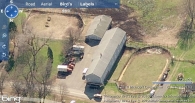
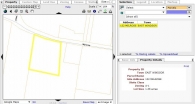
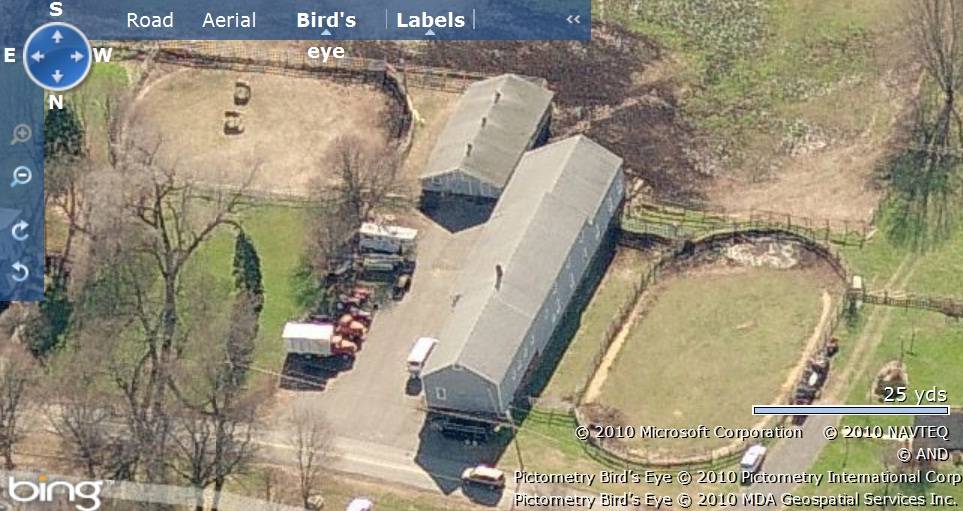
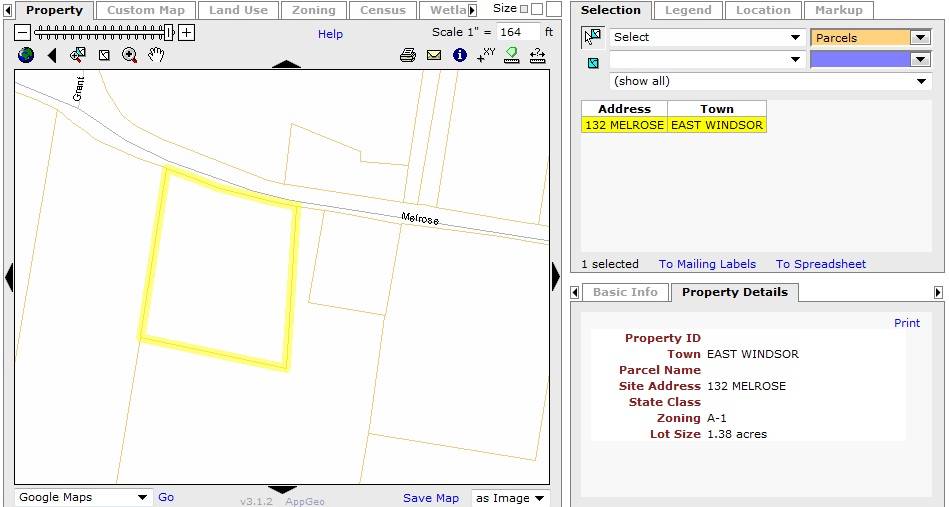
The 1.38 acres property, Map Number - 09 36 011, is situated towards the south of Melrose Road in a predominantly residential area of rural character. Residential plots can be seen towards the east and the west of the property while parcels of open land can be seen towards the south and the north, across Melrose Road. The southern edge of the property is demarcated by fence.
The barn is located towards the northern edge of the property abutting to Melrose road. The ridge line of the barn runs north-south perpendicular to the road. The property is accessed by a driveway along the east eave-side of the barn while a fenced oval paddock can be seen towards the west. Another 1 ½ - story gable-entry barn can be seen towards the south-east of the property with its ridge line running north-south west, parallel to that of the main barn. The southern edge of the property is demarcated by fence work that includes a relatively smaller oval-shaped fenced paddock towards the east of the second barn.
- Typology & Materials
-
Building Typology
Materials
Structural System
Roof materials
Roof type
Approximate Dimensions
Barn: 1920 SqFt, Circa 1900 Masonry Porch: 169 SqFt, Circa 1900 Barn: 4320 SqFt, Circa 1900
- Source
-
Date Compiled
11/18/2010
Compiled By
T. Levine and M. Patnaik, reviewed by CT Trust
Sources
Assessors’ records retrieved on November 18th, 2010 from website http://www.equalitycama.com/
GIS information retrieved on November 18th, 2010 from website http://www.crcog.org/gissearch/
Photograph/Information retrieved on November 18th, 2010 from website http://www.google.com
Information retrieved on November 18th, 2010 from website http://www.zillow.com
Sexton, James, PhD; Survey Narrative of the Connecticut Barn, Connecticut Trust for Historic Preservation, Hamden, CT, 2005, http://www.connecticutbarns.org/history
Visser, Thomas D.,Field Guide to New England Barns and Farm Buildings, University Press of New England, 1997.
- PhotosClick on image to view full file
-