Barn Record Roxbury
RETURN TO ‘FIND BARNS’- Building Name (Common)
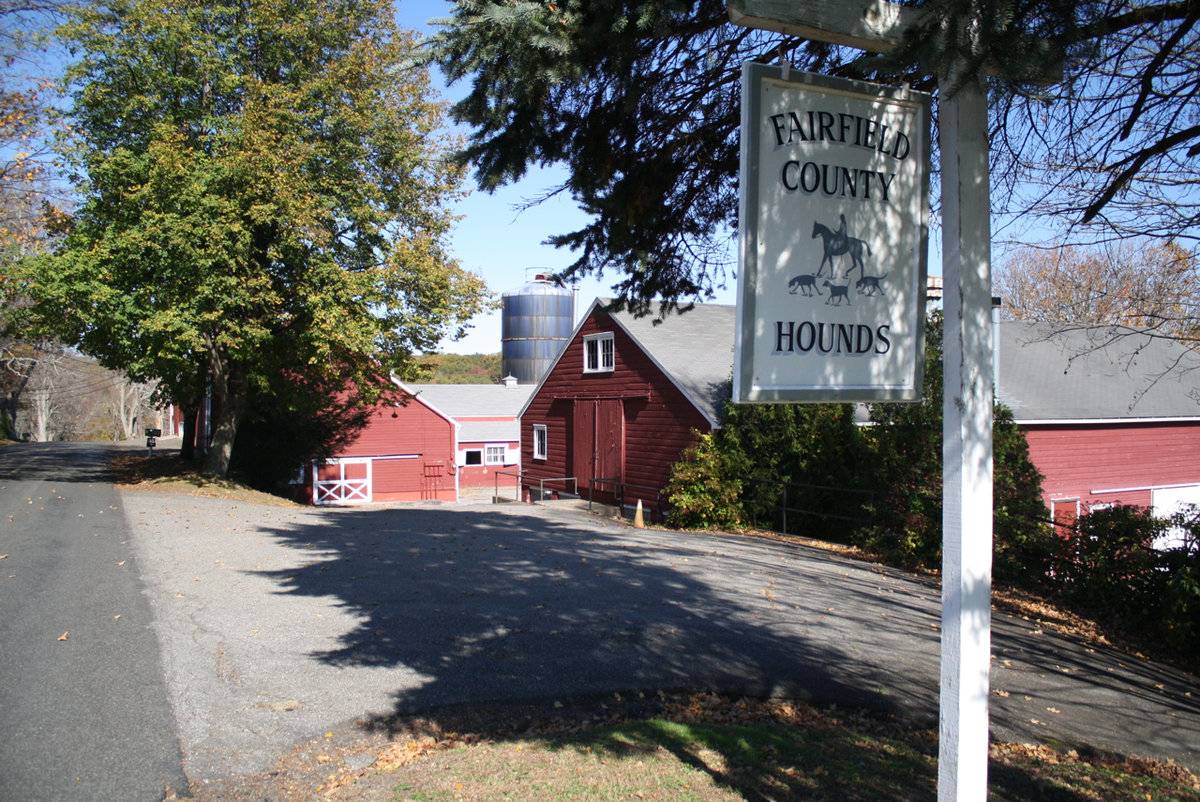
- Fairfield County Hounds
- Building Name (Historic)
- Botsford Homestead / Golden Harvest Farm
- Address
- 104 Botsford Hill Road, Roxbury
- Typology
- Overview
-
Designations
Historic Significance
Architectural description:
Barn I:
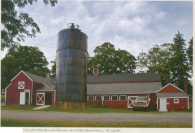
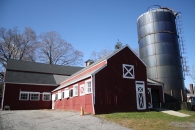
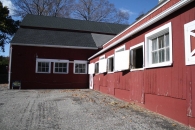
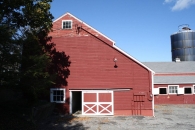
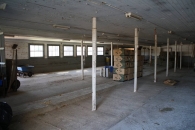
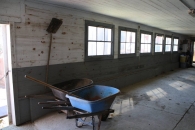
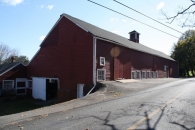
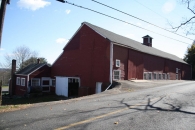
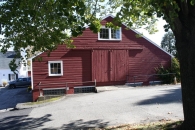
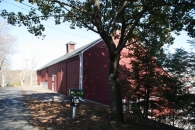
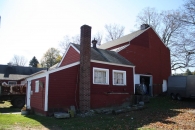
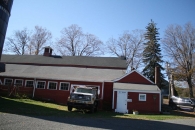
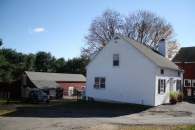
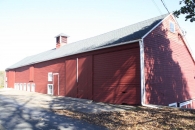
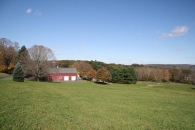
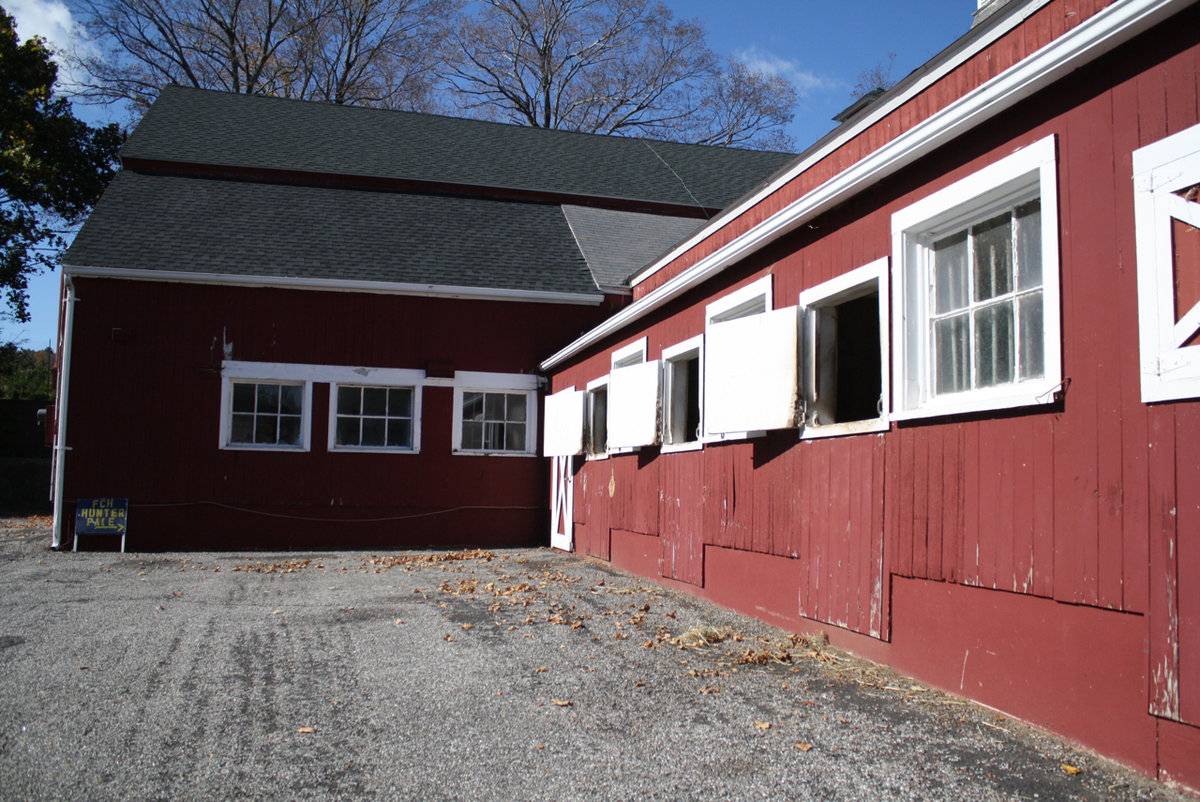
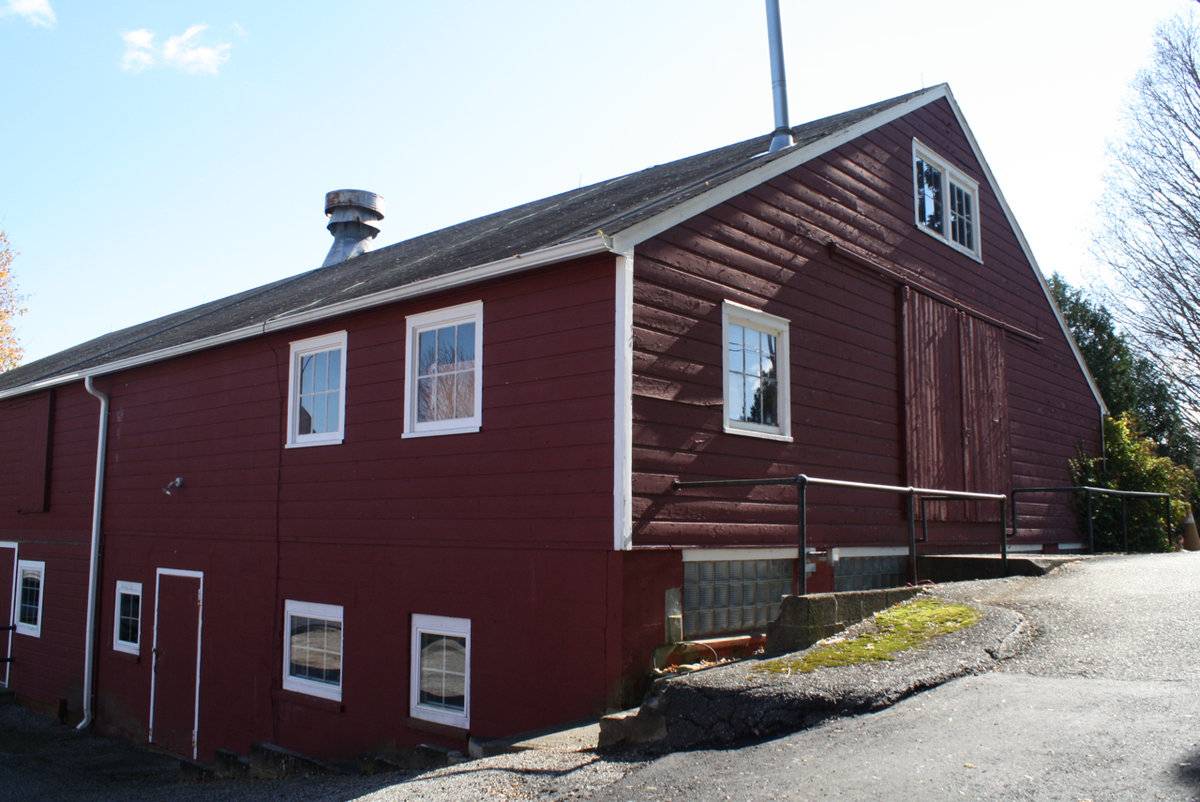
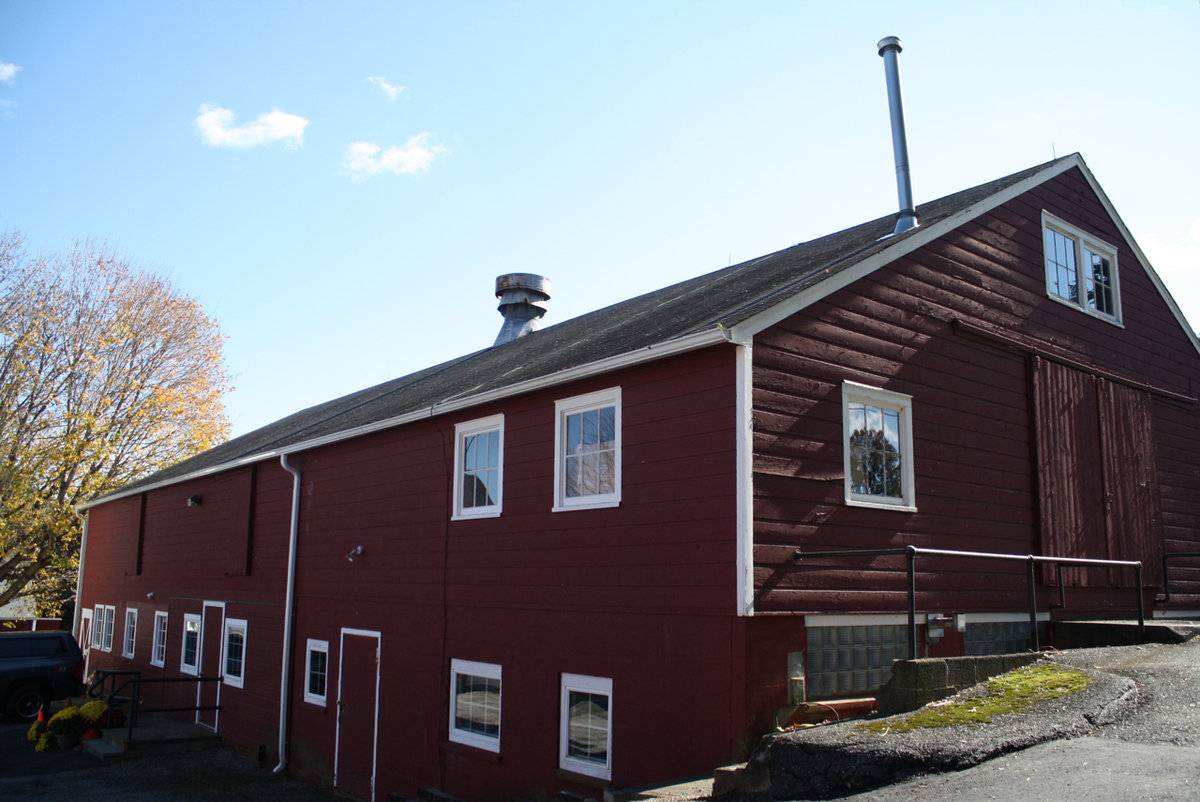
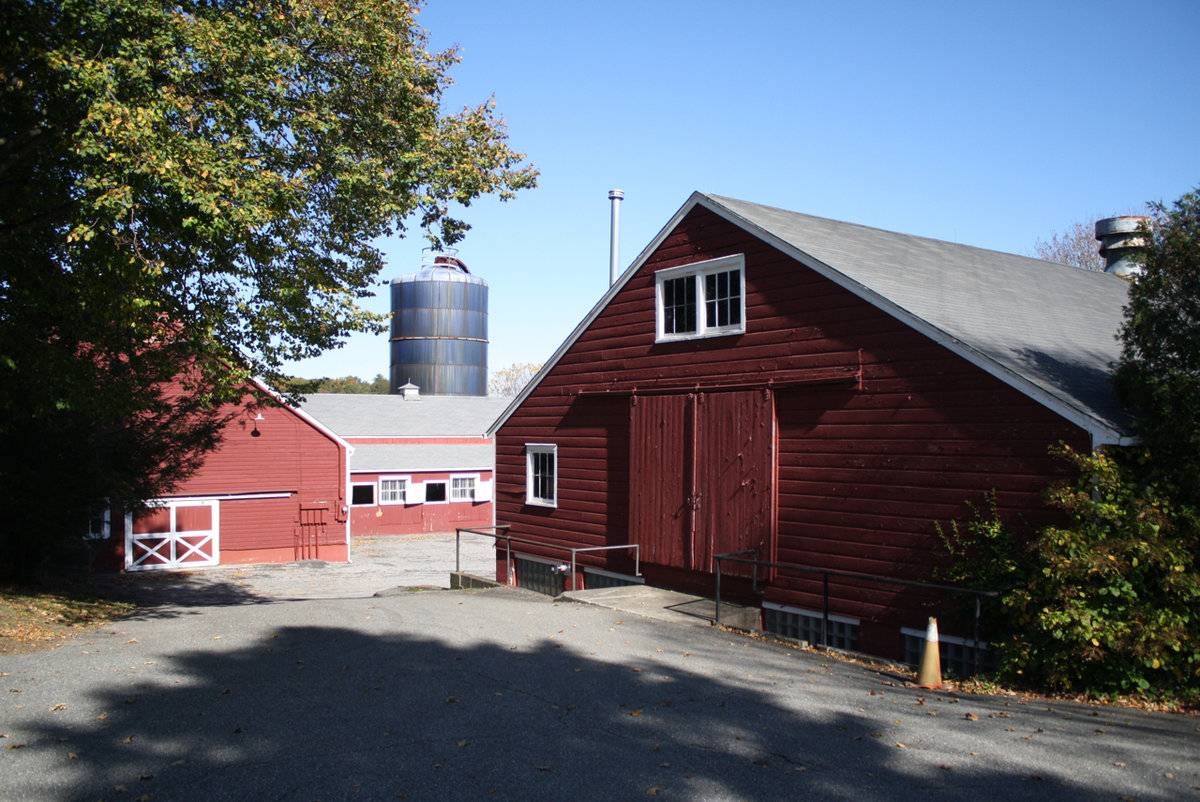
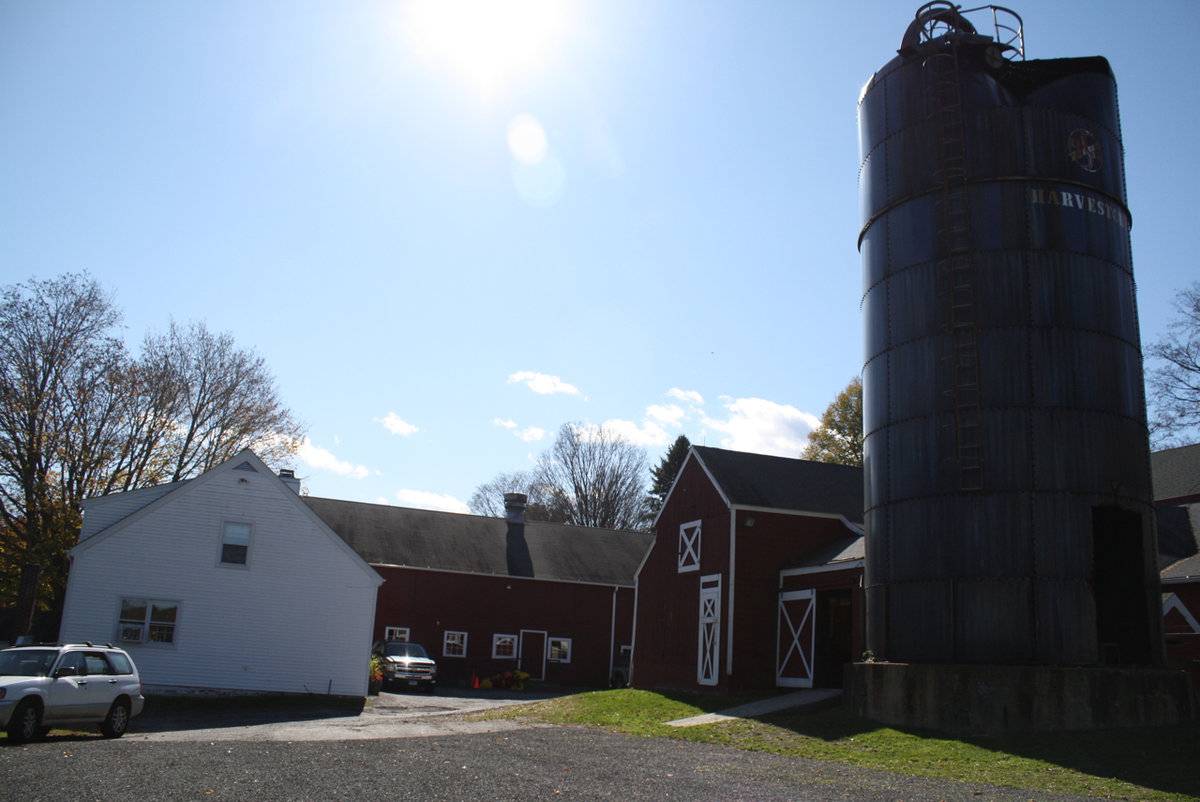
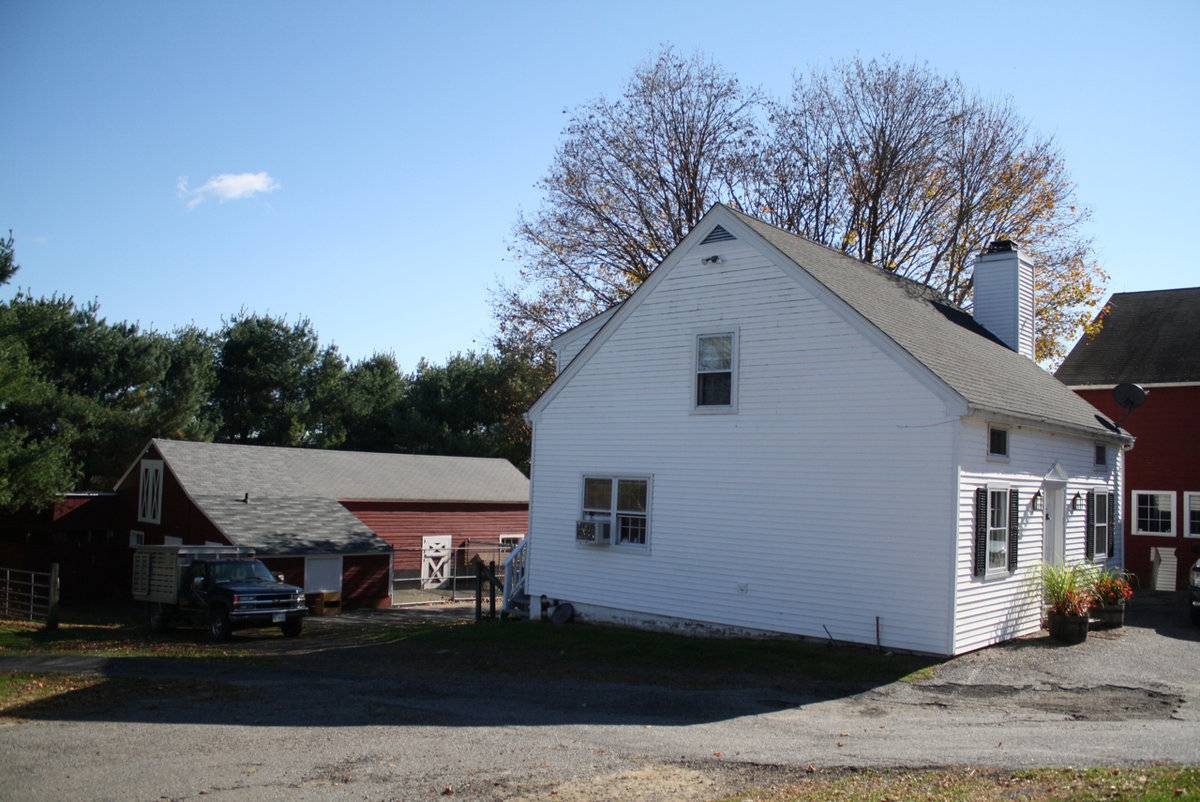
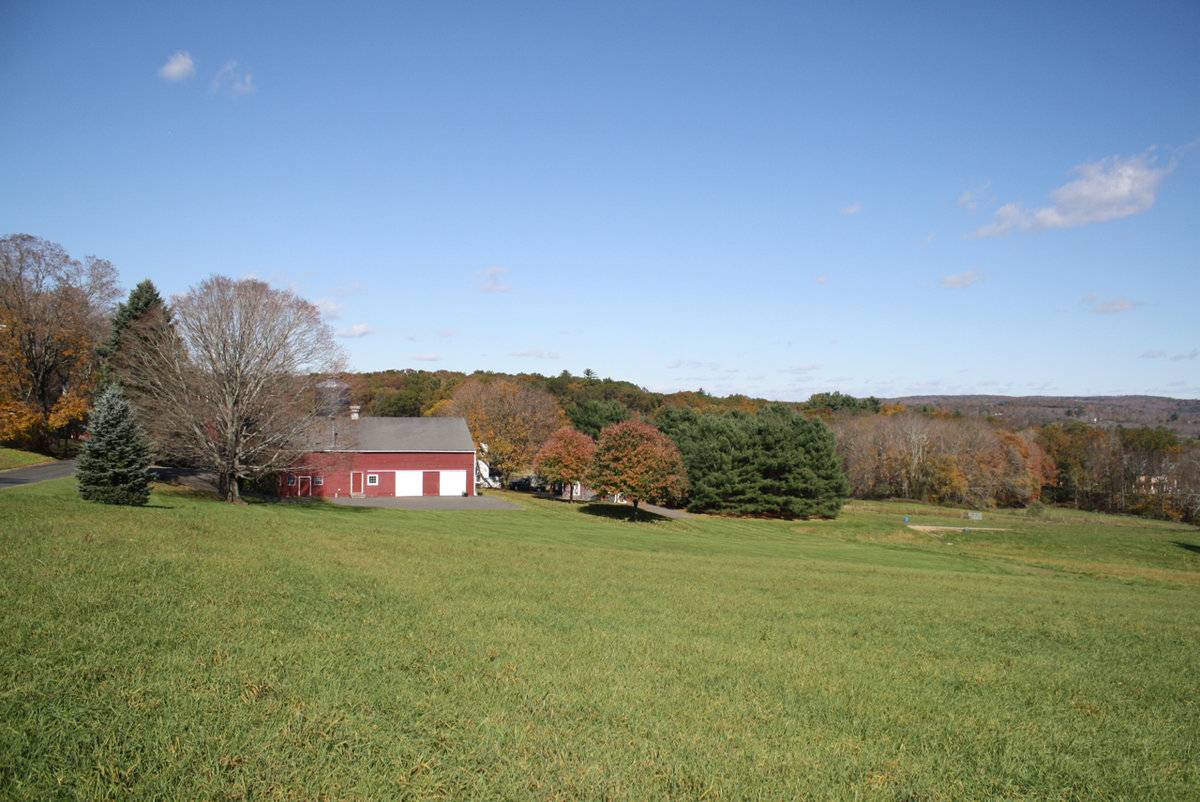
This barn was the Golden Harvest heifer barn and has been altered for use as a clubroom and for storage by the hunt club. The alterations include replacement sash and the enclosure of the south elevation with rolling barn doors. The south elevation was originally open to pens on the south side of the barn.
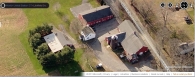
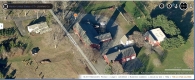
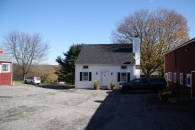
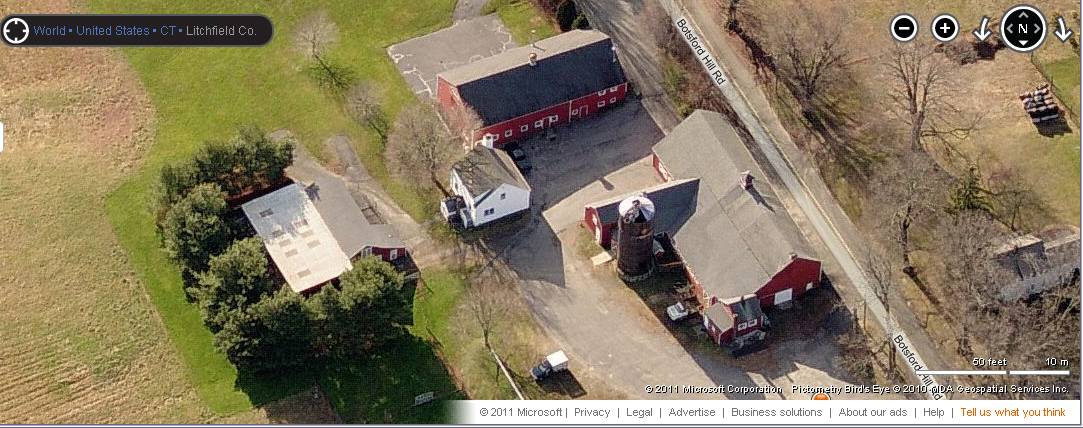
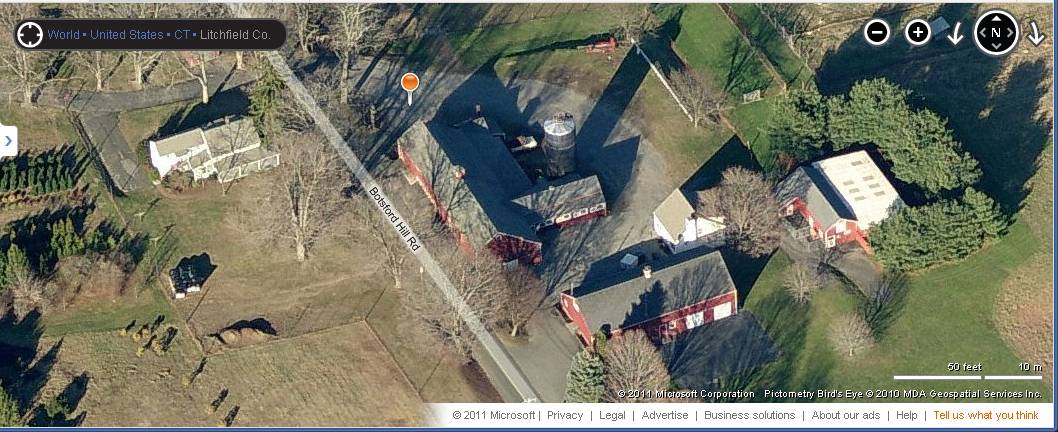
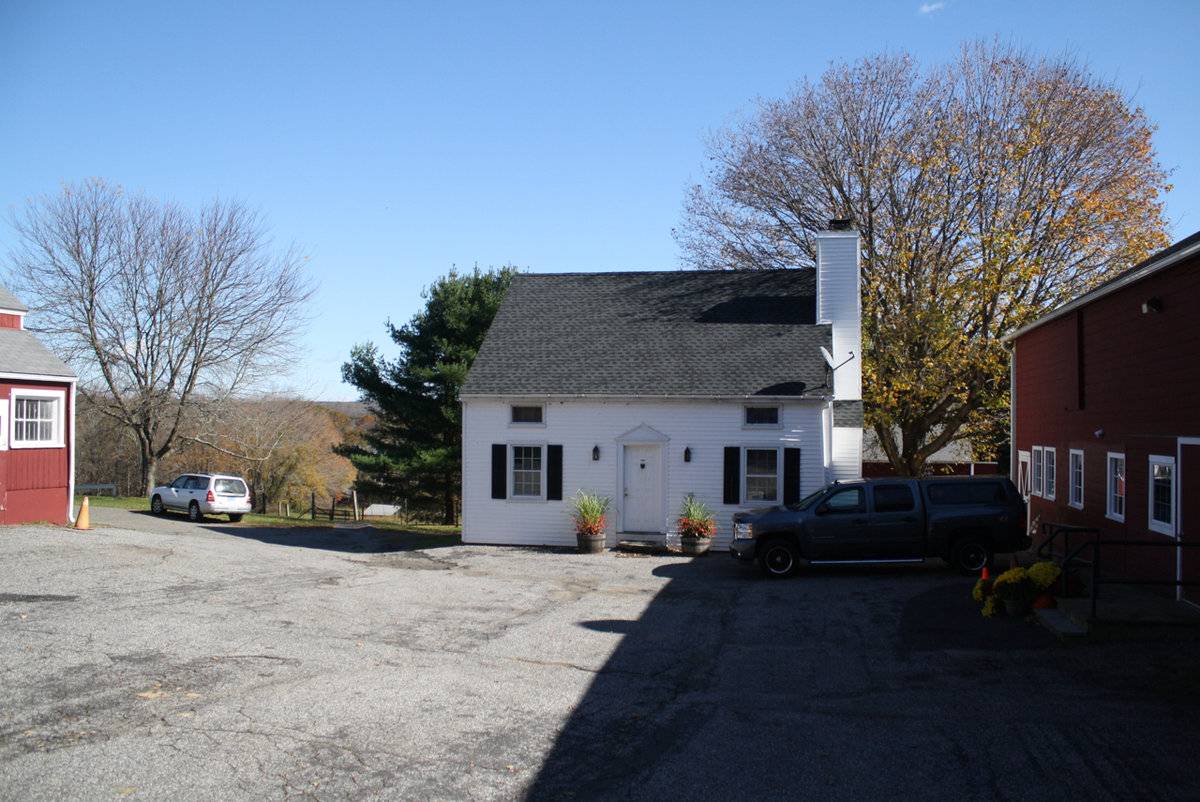
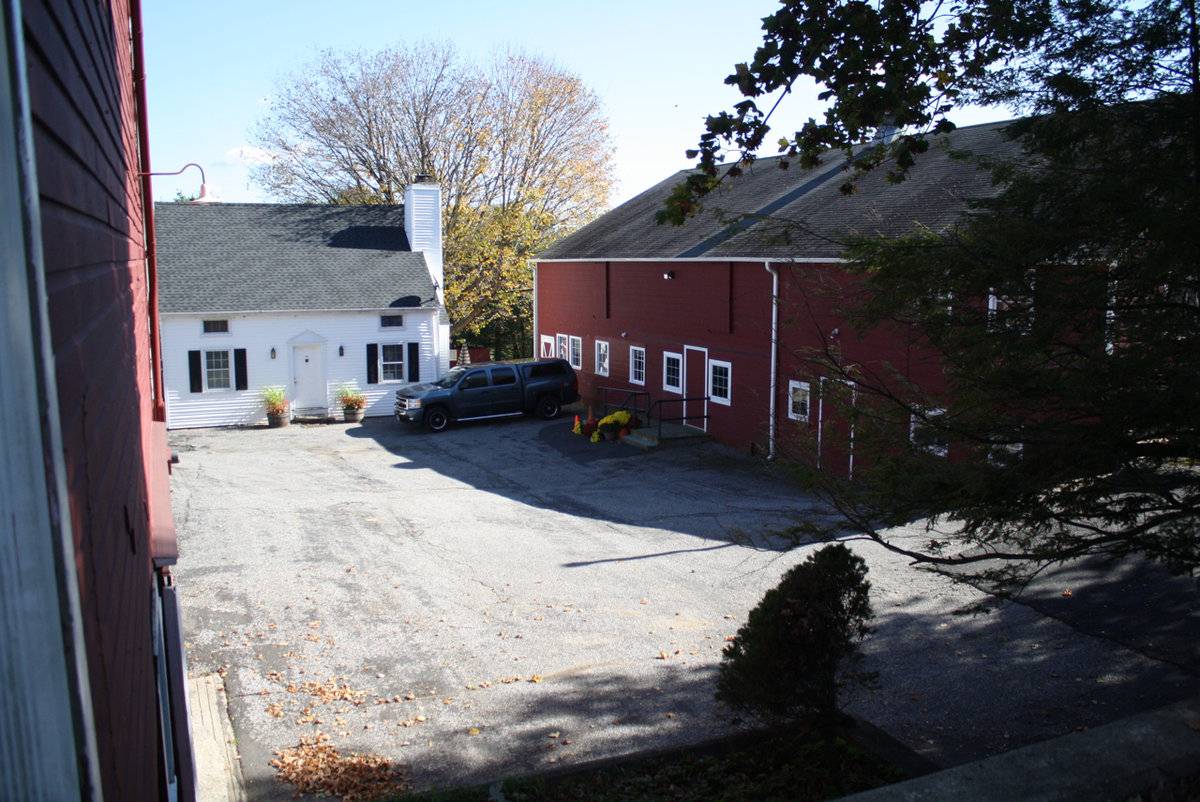
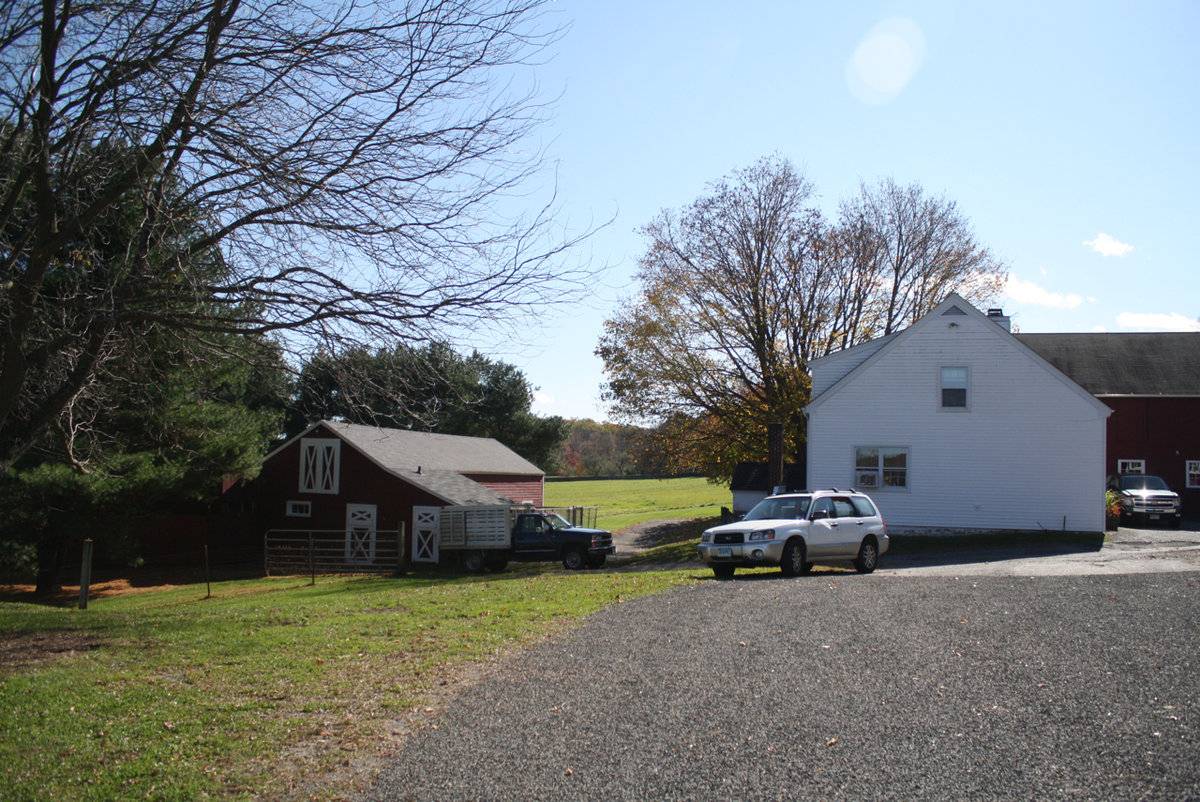
The barn stands on the east side of Botsford Hill Road, to the southeast of the main dairy barn. It is part of a complex that is approached by a drive to the west of this barn, which has its west gable end tucked below a light incline. The north elevation fronts a parking lot, with a grassy site that opens to fields to the south with distant views. A kennel stands to the east.
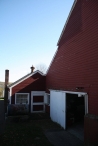
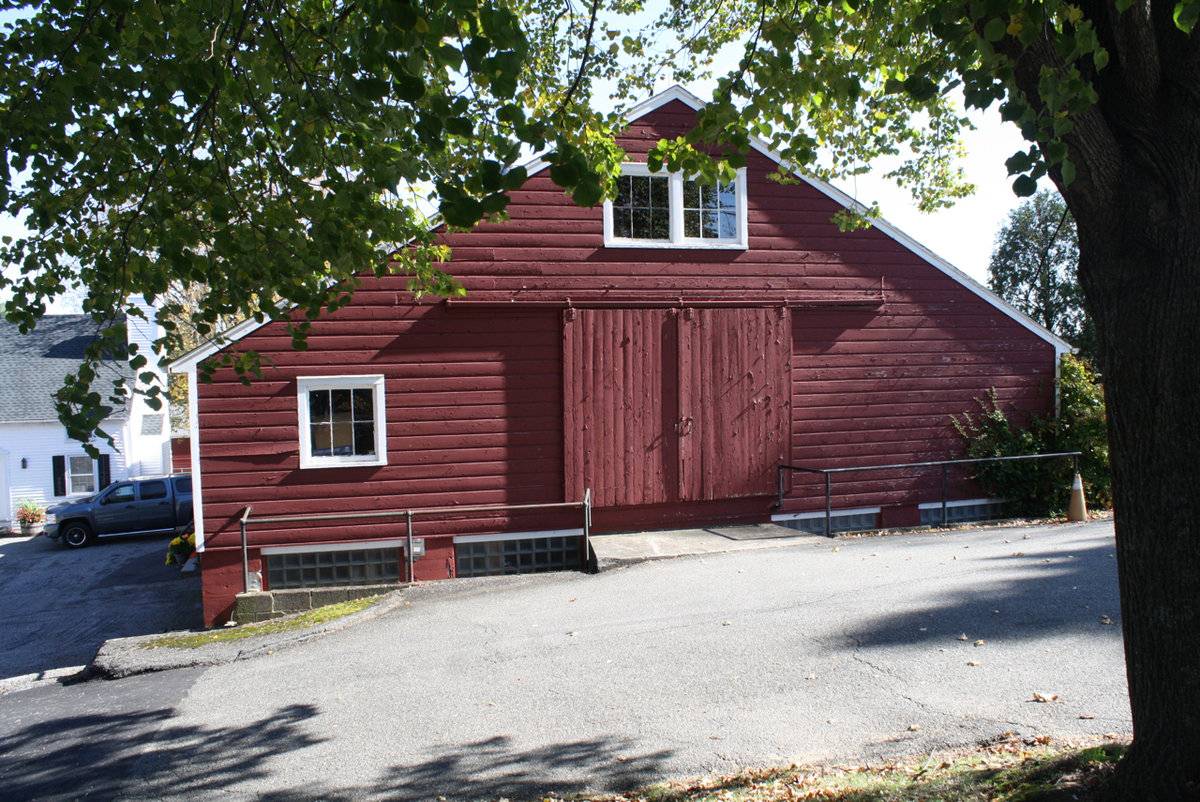
Features include: 60 x 15; elongated peak-roofed barn oriented with gable ends to the east and west; western portion stands on concrete block foundation; north elevation has three single doors, assorted fenestration (mostly replacement sash); two loft doors on upper level; south elevation has two rolling wagon doors (to east) on exterior mounts; two single doors to west; metal cupola off center to west; metal pipe chimney south roof plane; red paint with white trim.
Barn II:
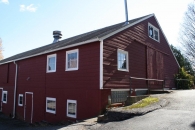
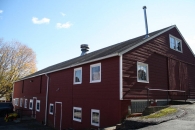
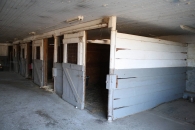
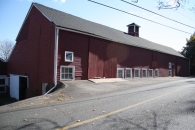
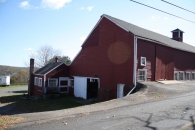
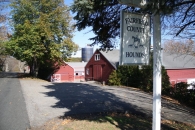
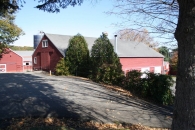
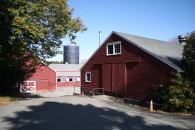
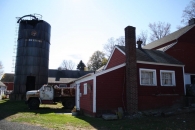
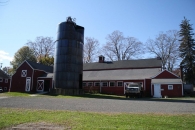
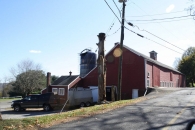
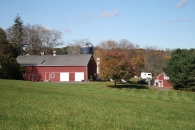
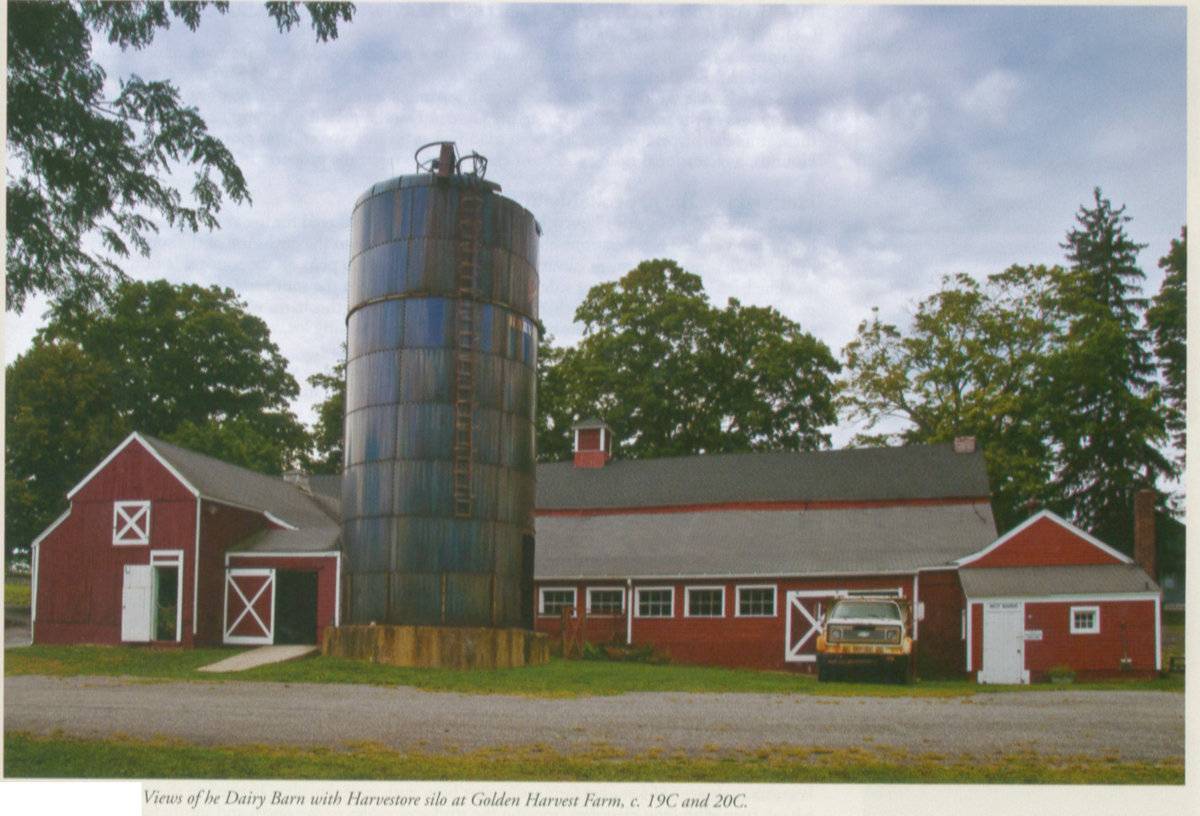
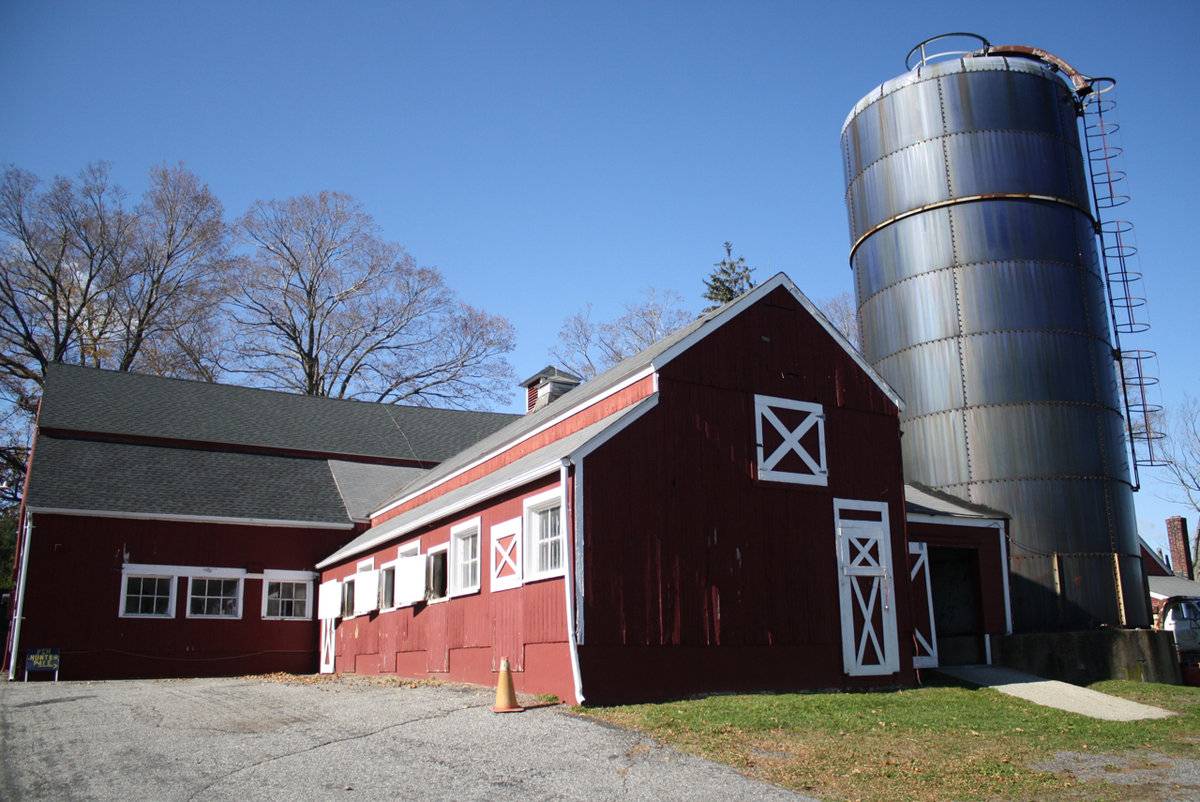
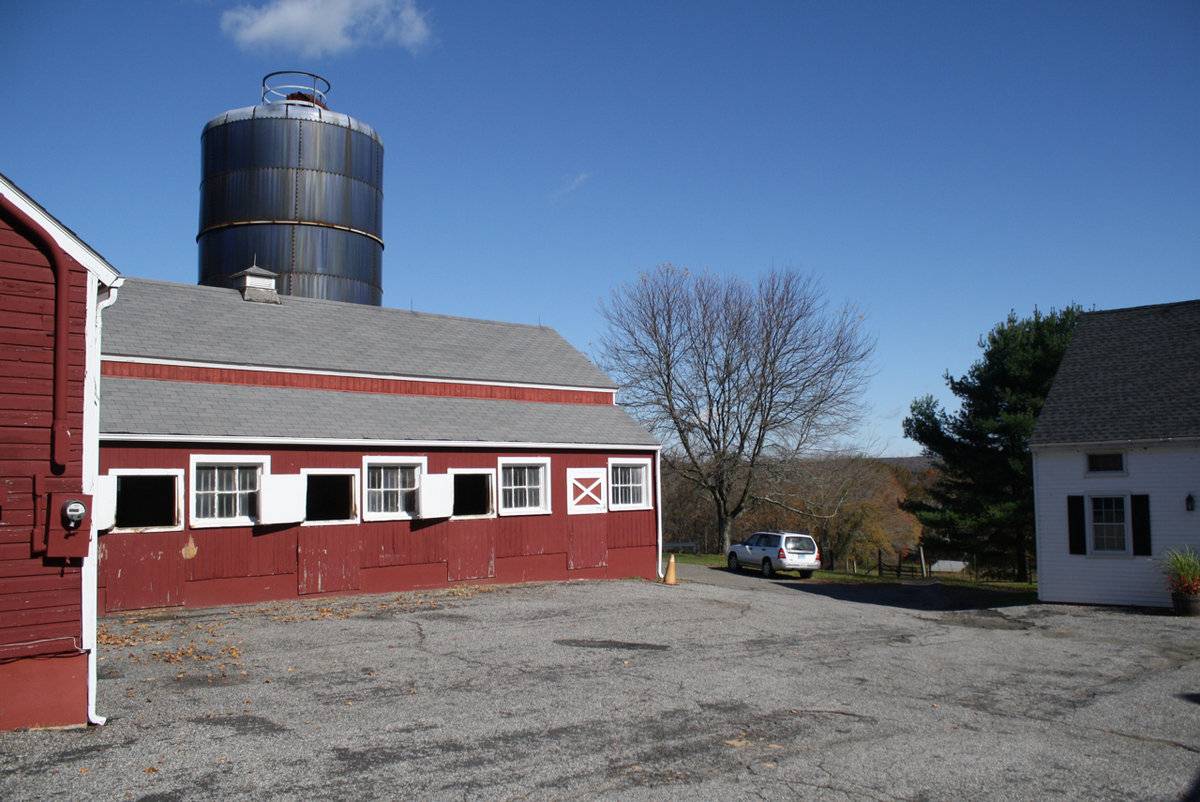
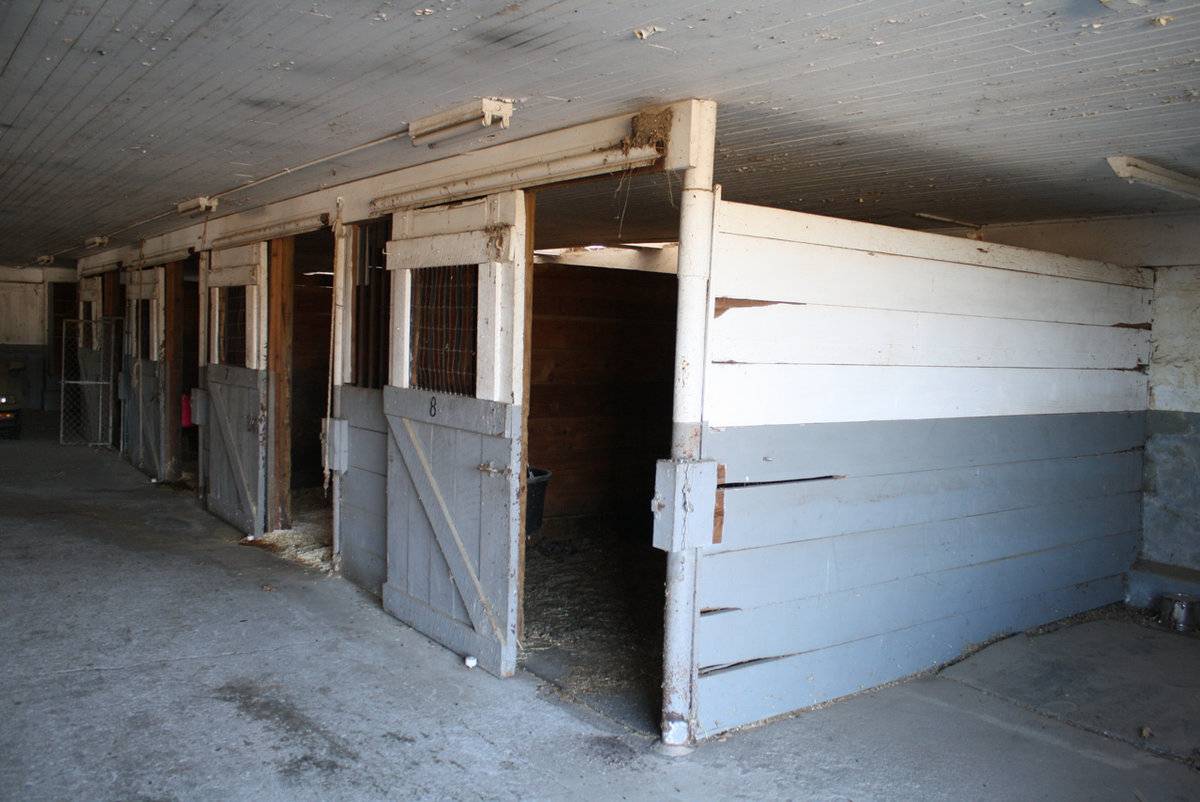
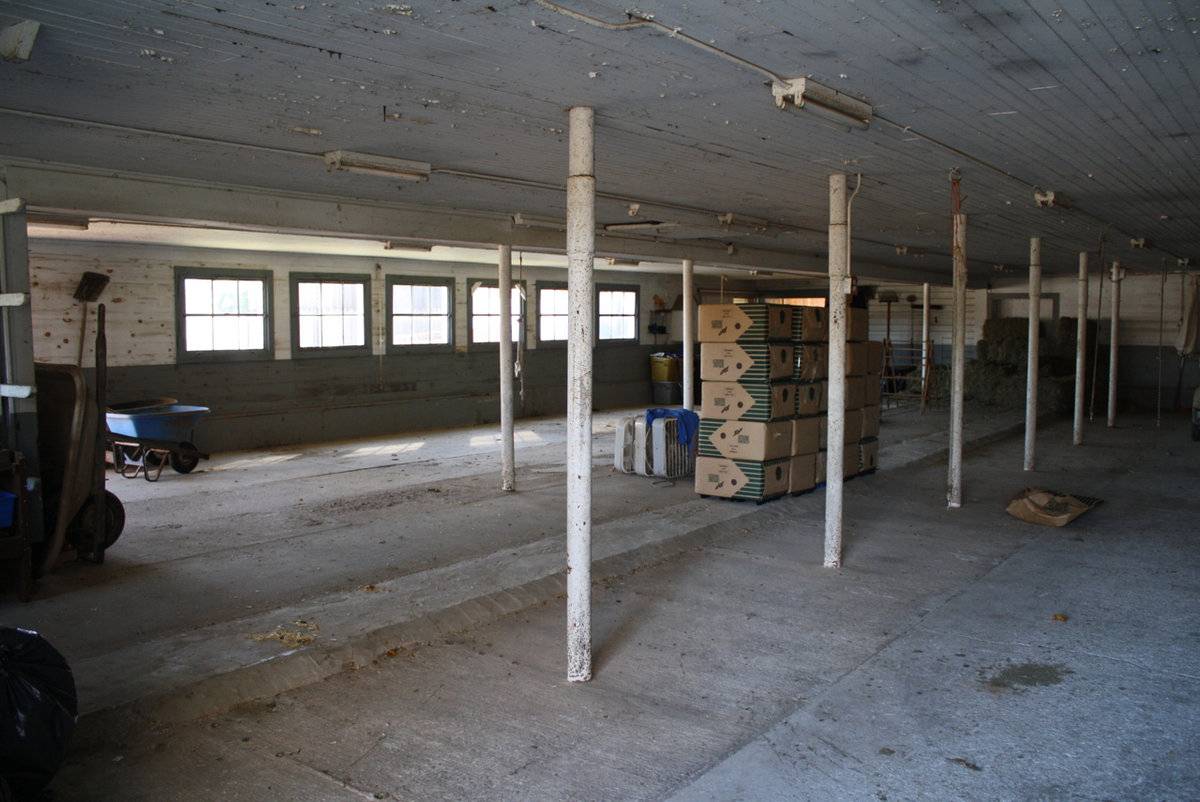
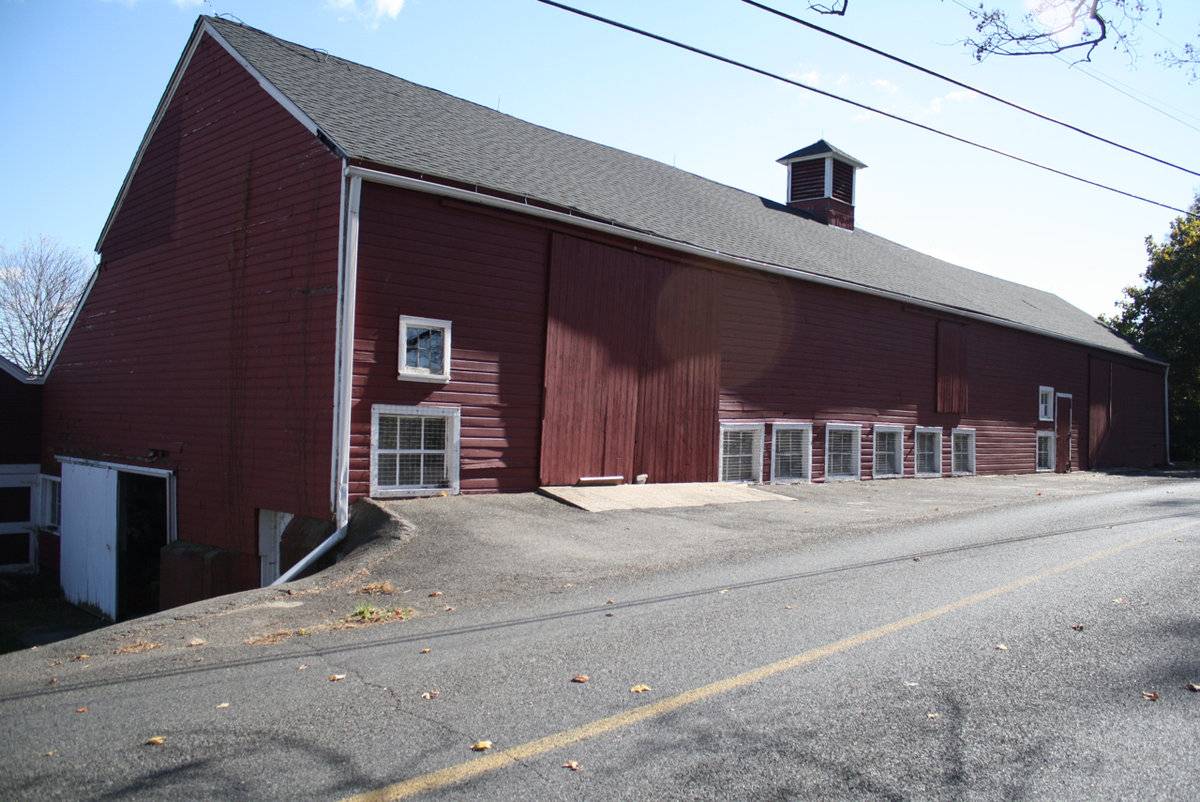
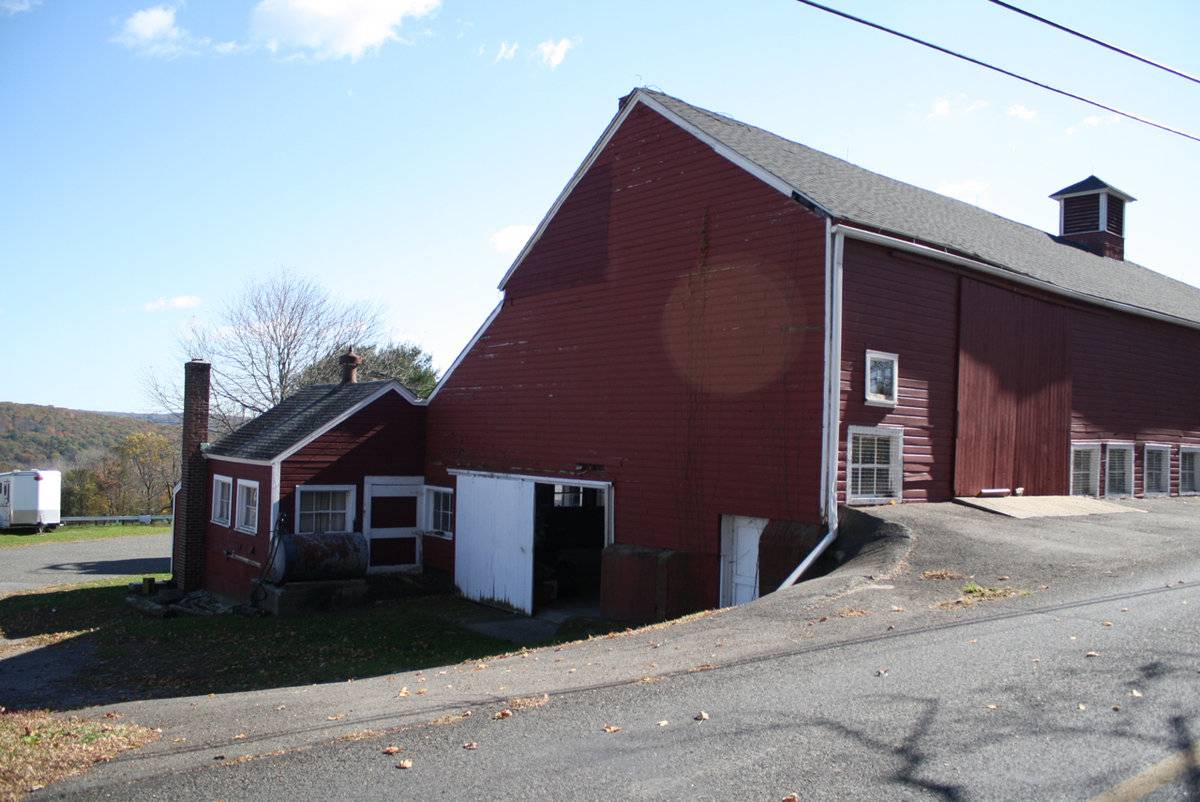
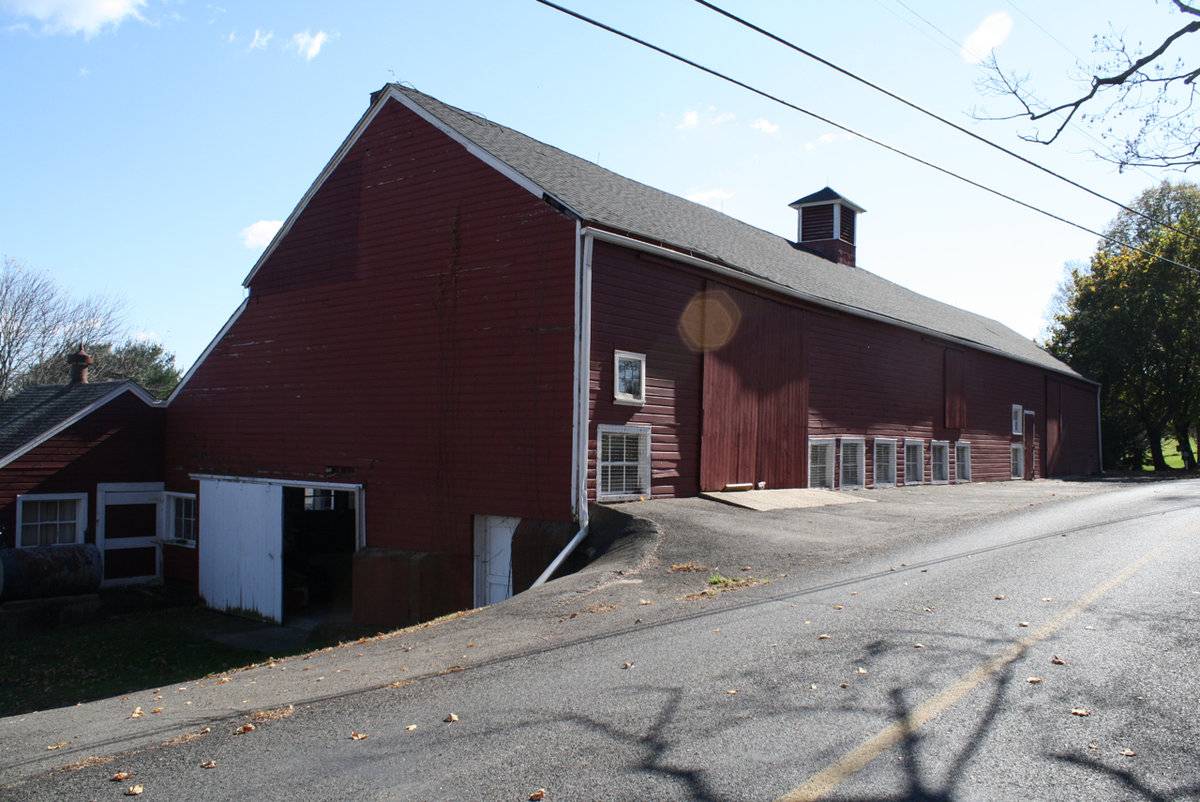
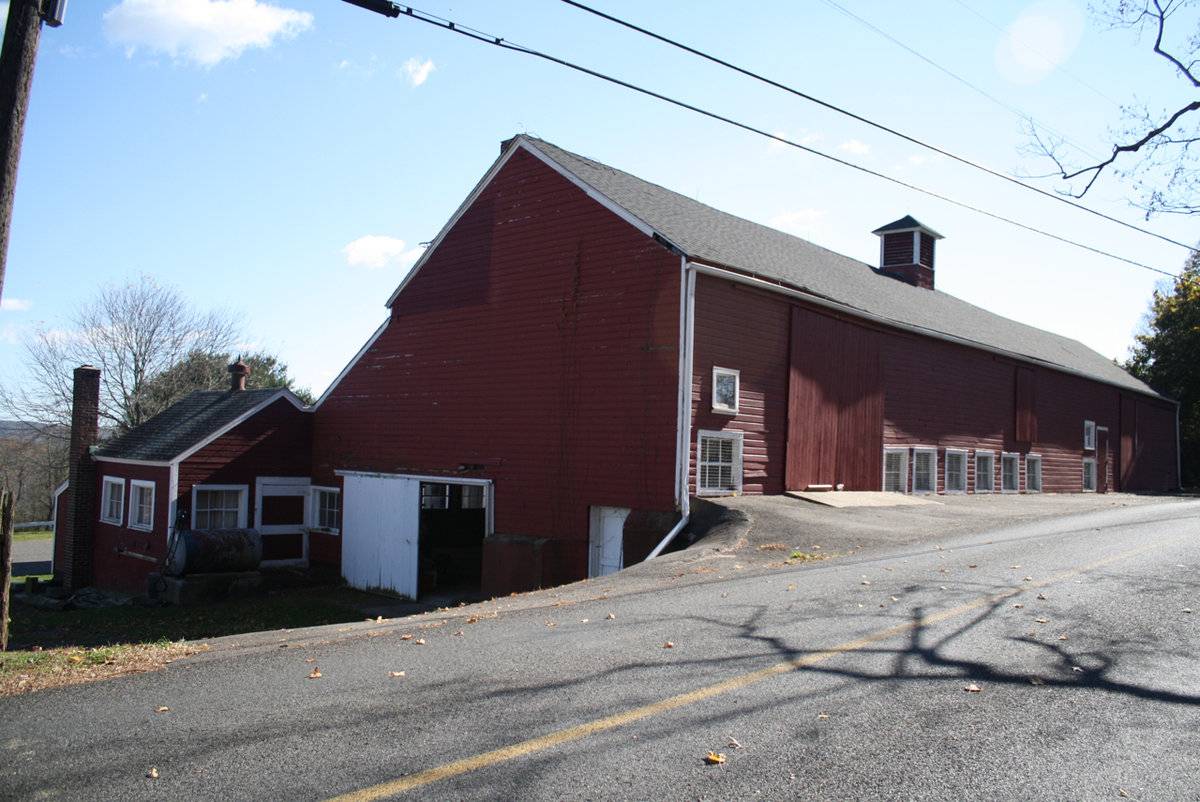
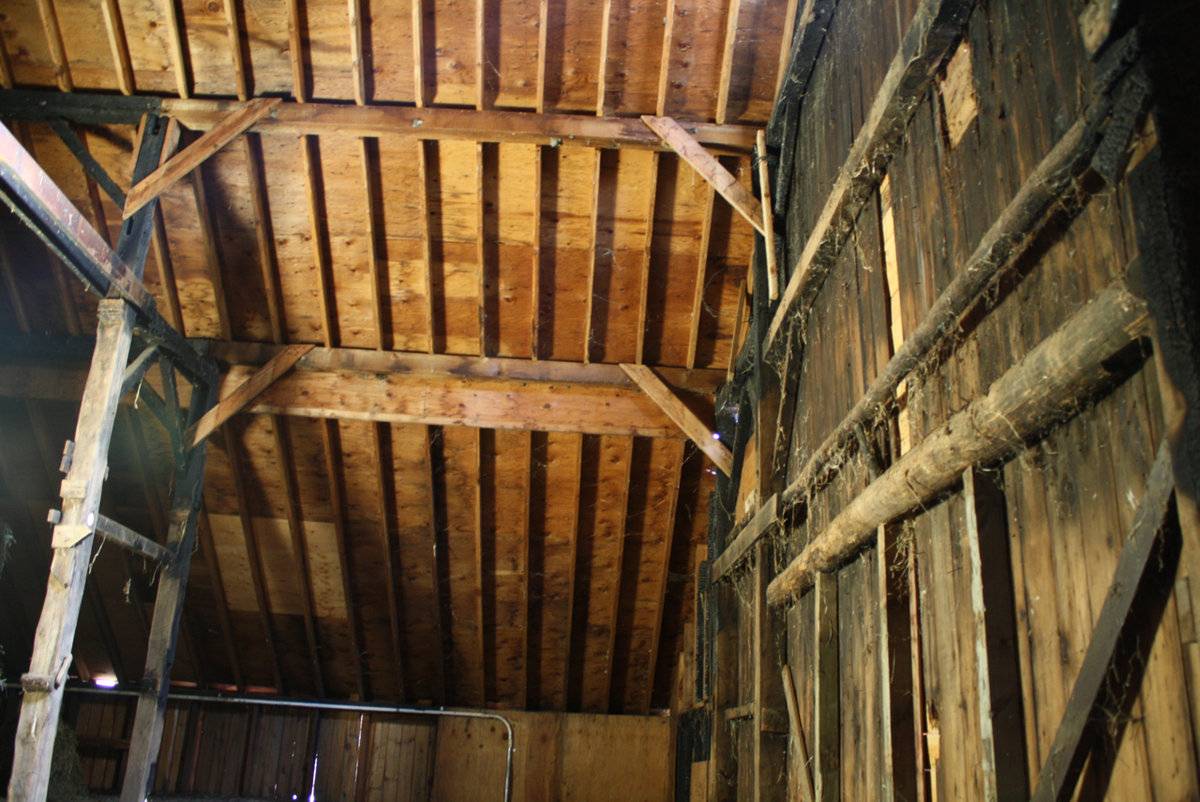
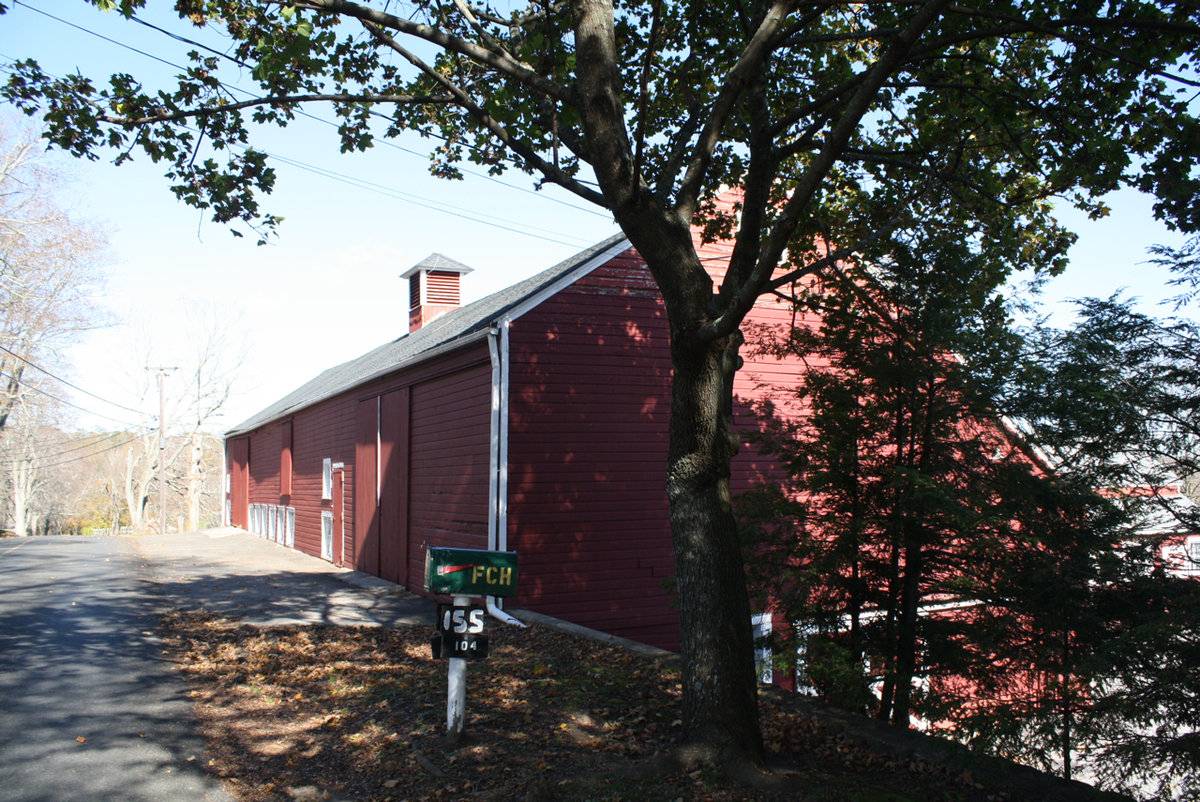
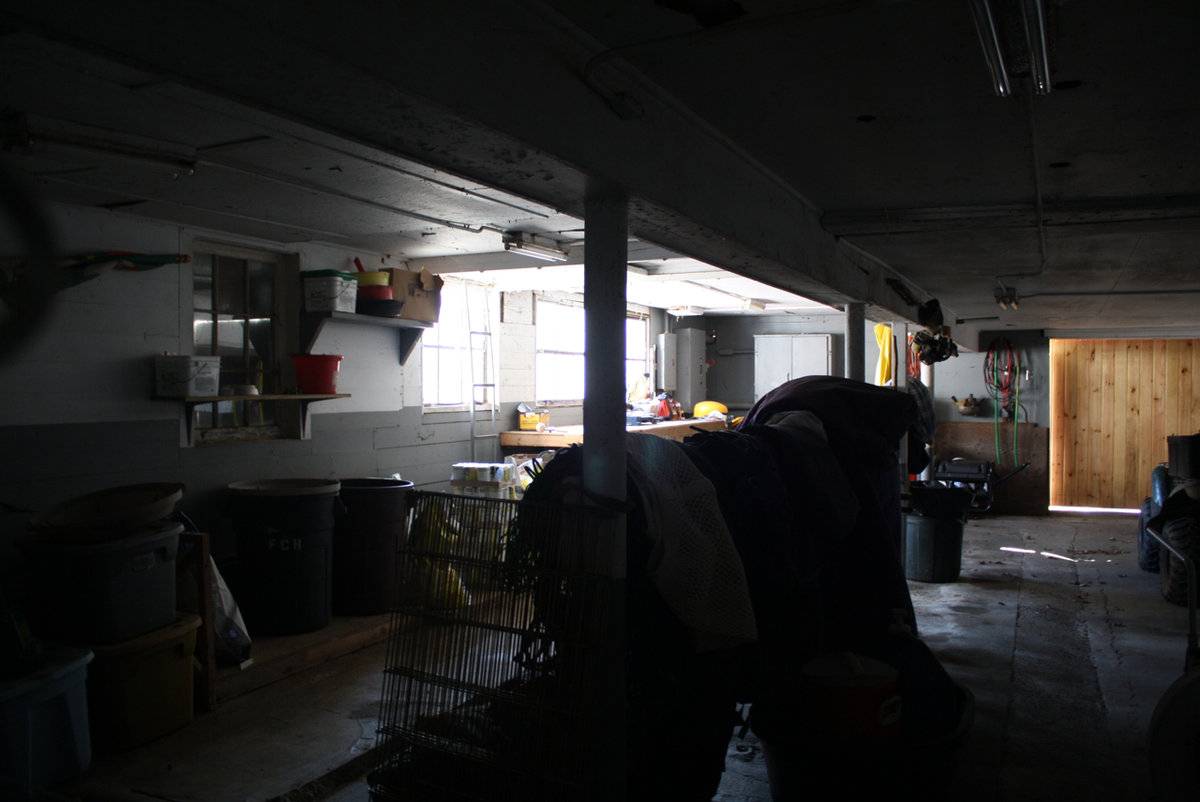
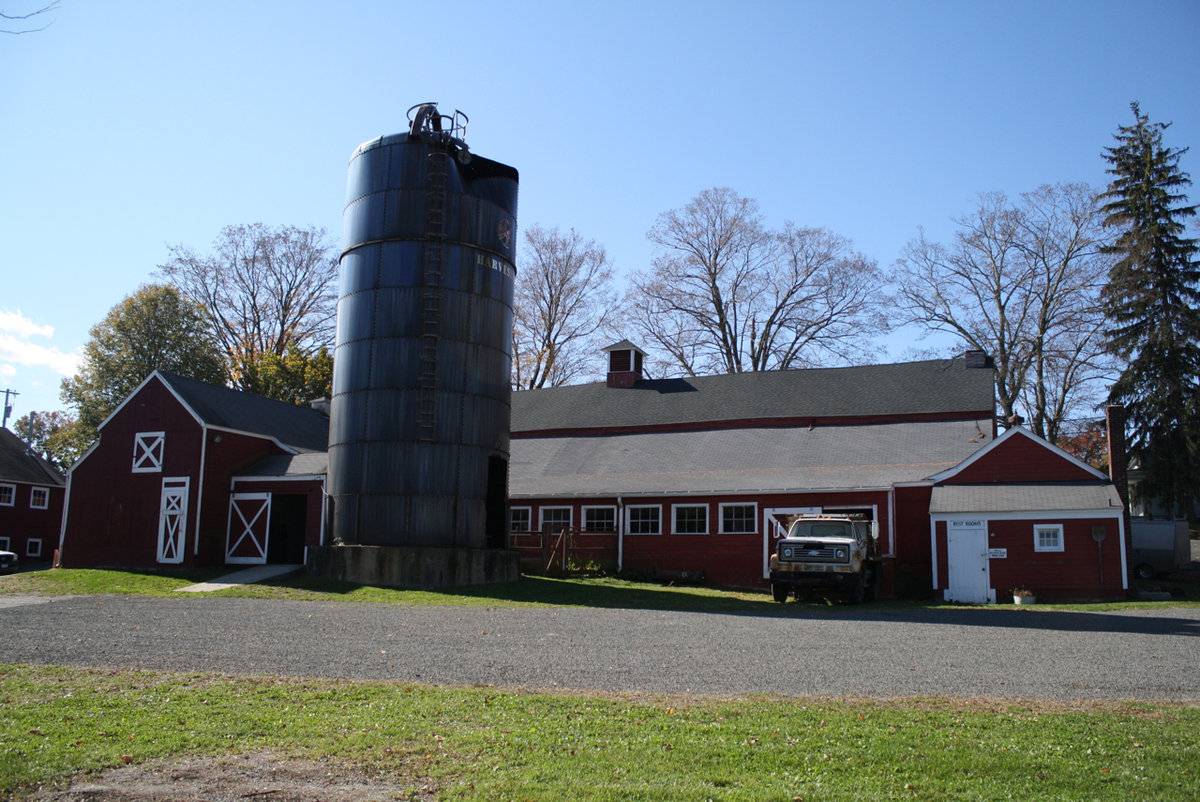
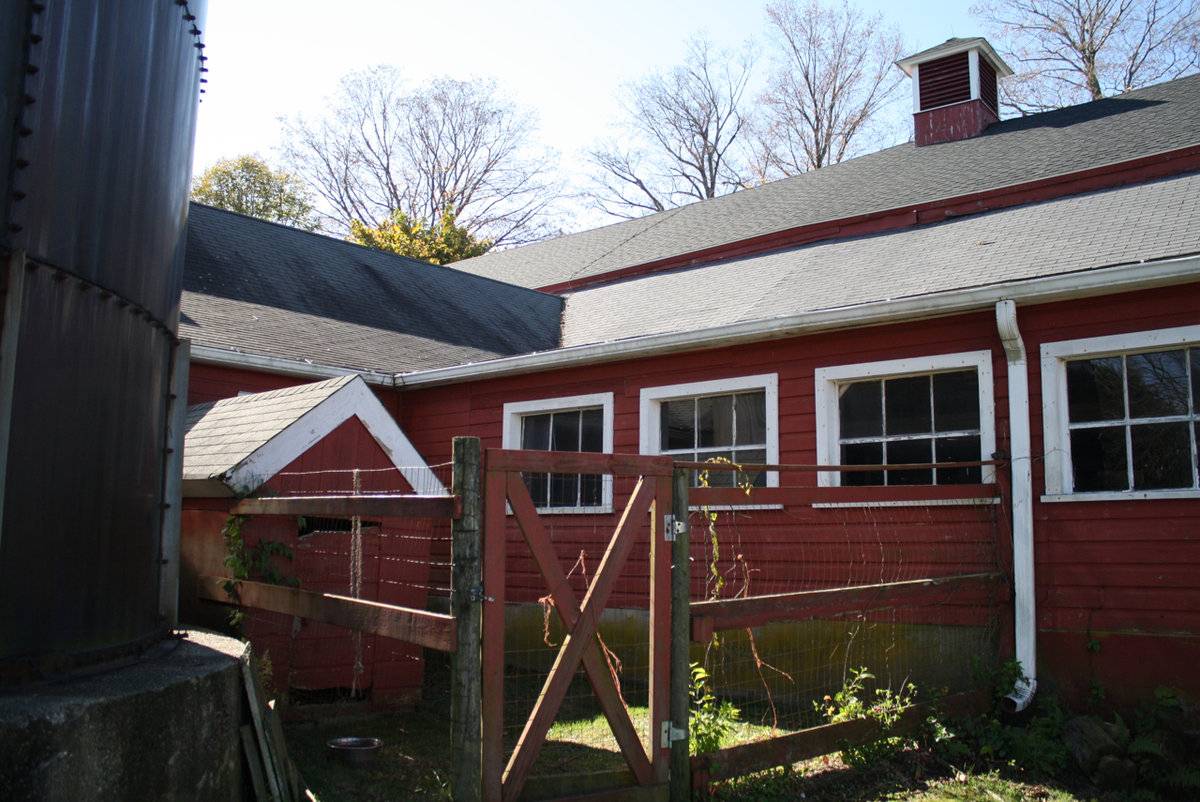
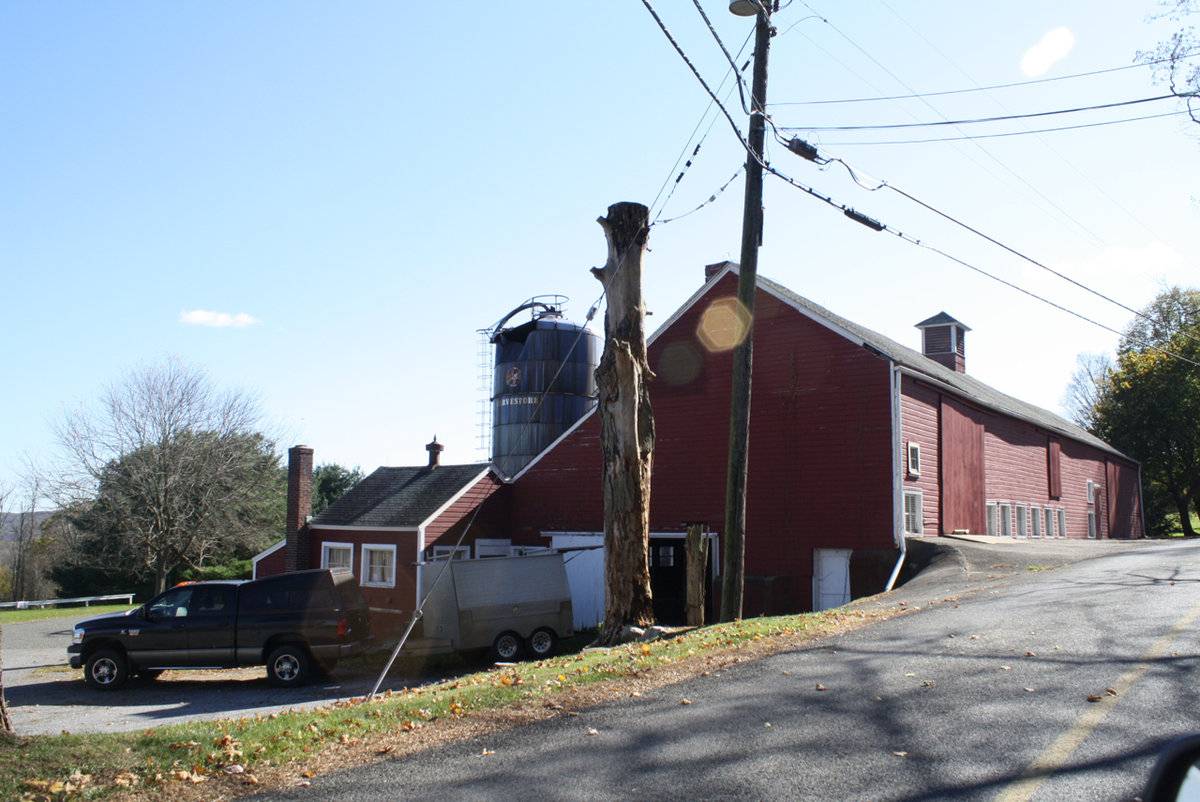
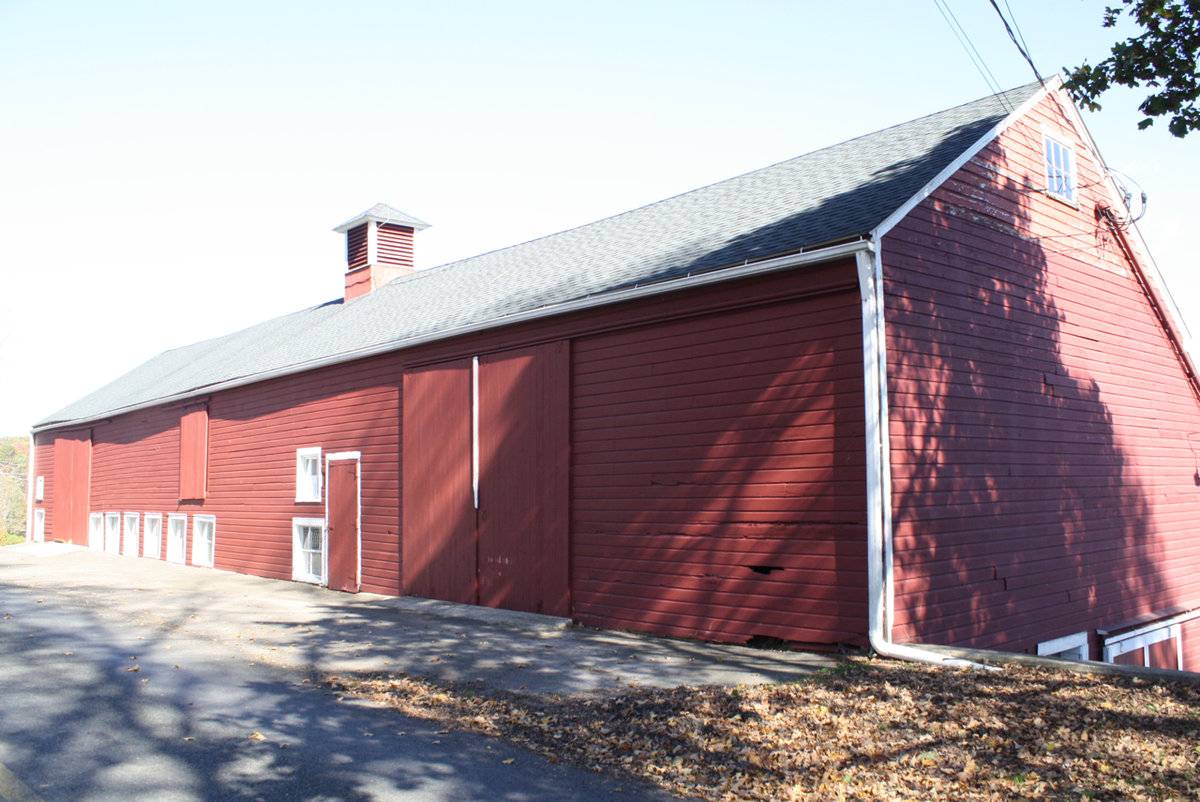
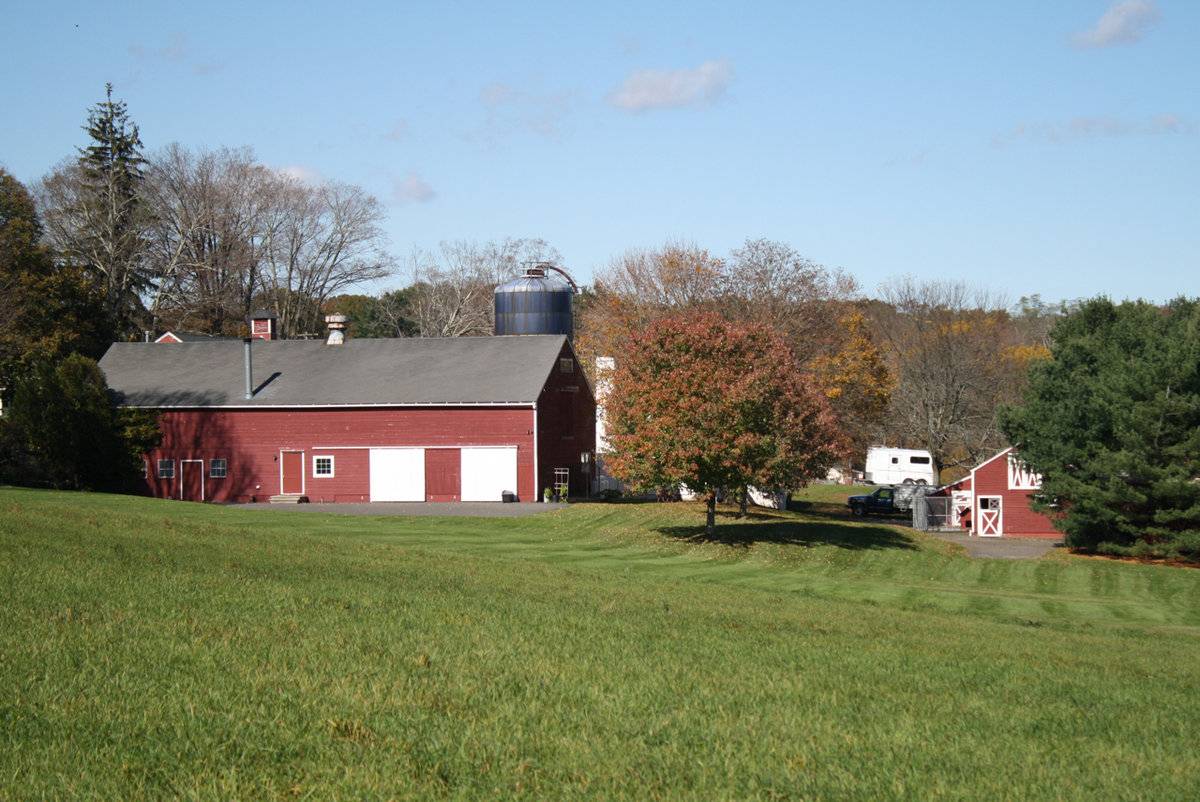
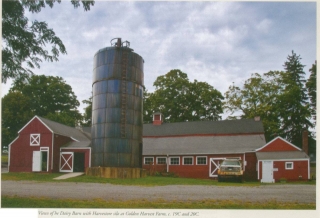
The core of this large structure—that is, the long bank barn section that runs along Botsford Hill Road—probably dates from the late 19th century. The property here on the east side of the road was once part of the old Botsford farm across the road to the west at 97 Botsford Hill Road. Prior to the mid-1930s, both were owned by the Pokrywka family, who used the barn on the east side of the road for their dairy operation. The properties were consolidated in 1937 and became part of Frasier McCann’s Golden Harvest Farm, then separated when Golden Harvest was subdivided by the new owners in the mid-1980s. During the Golden Harvest period this barn and its related complex were expanded as part of that farm’s dairy operation. Five riding horses are now boarded in the east stable wing, which was probably a milking parlor. The stanchions have been removed from the milking parlor in the north wing, but the concrete floor and waste troughs remain. The old milk house at the northeast corner has been converted to rest rooms. The lower east section serves as a garage.
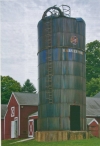
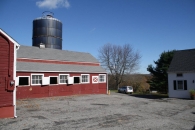
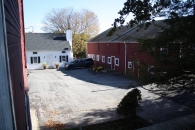
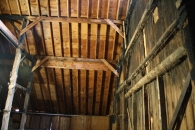
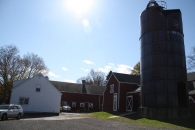
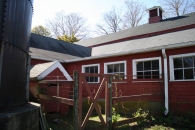
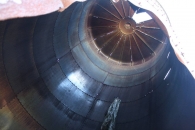
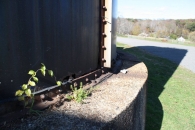
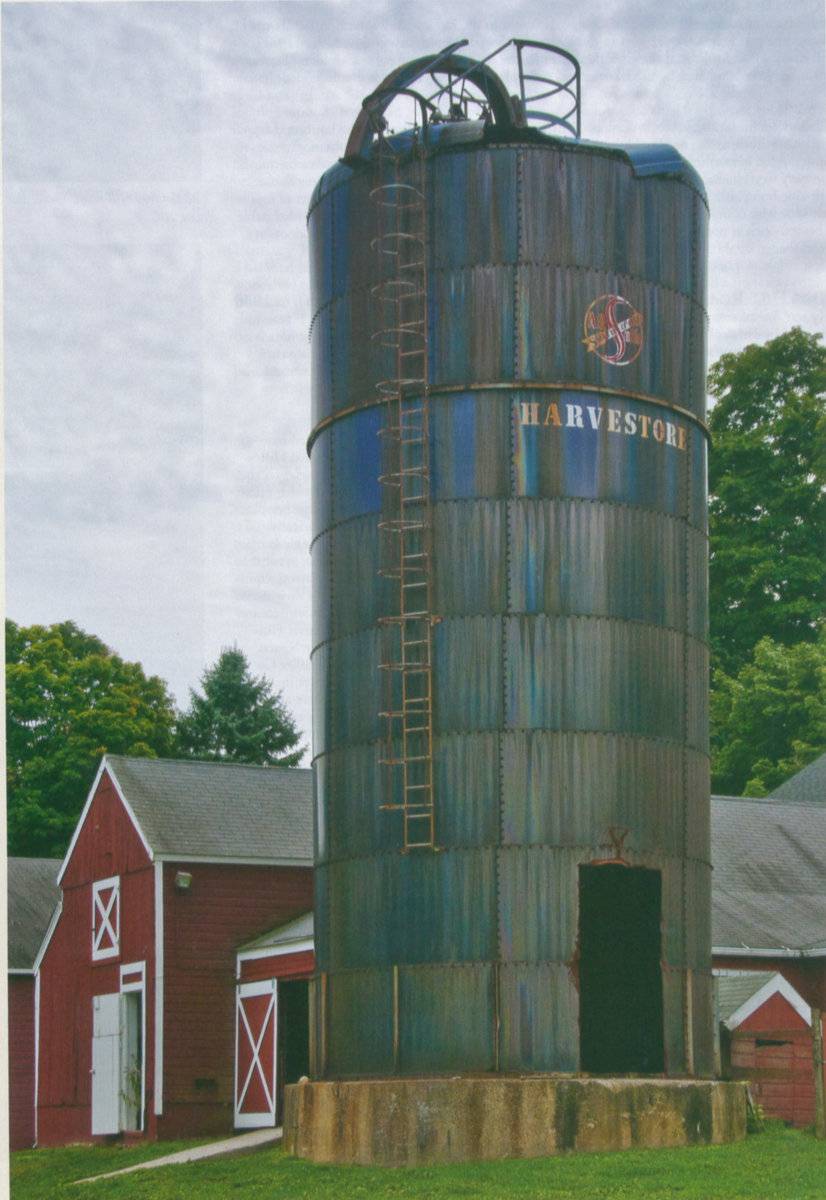
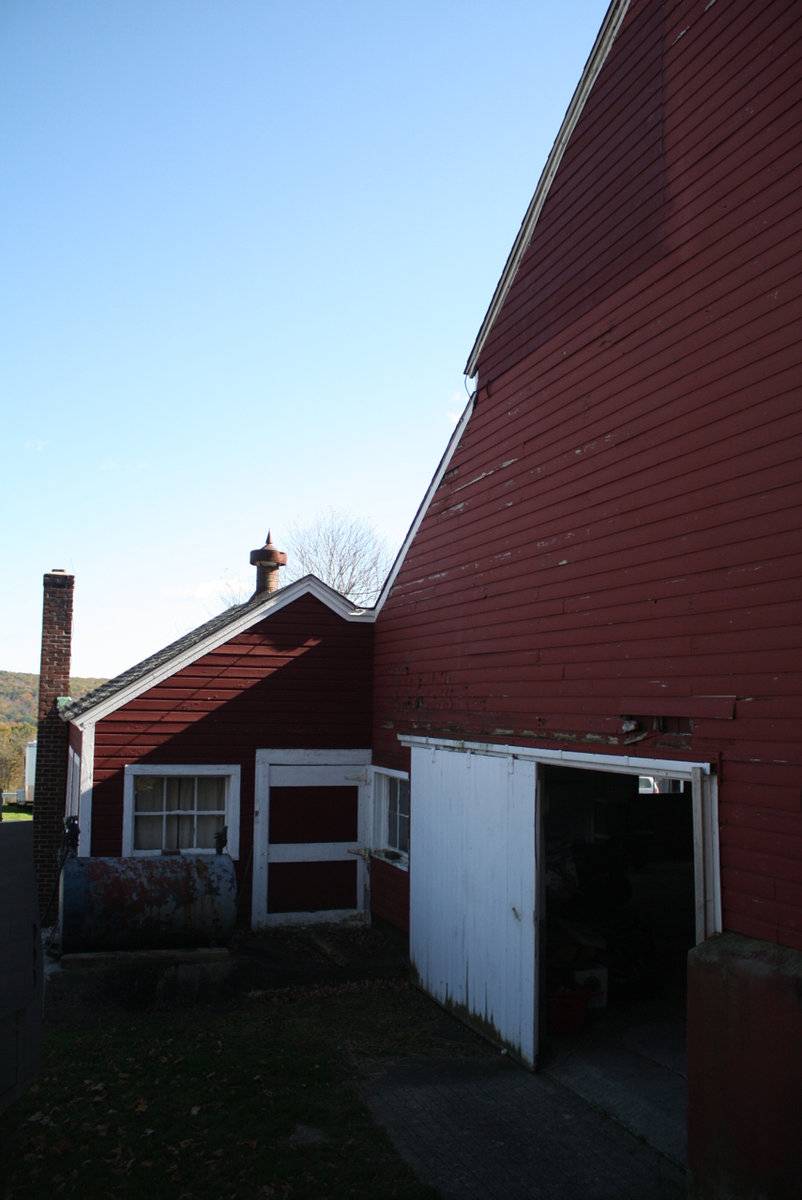
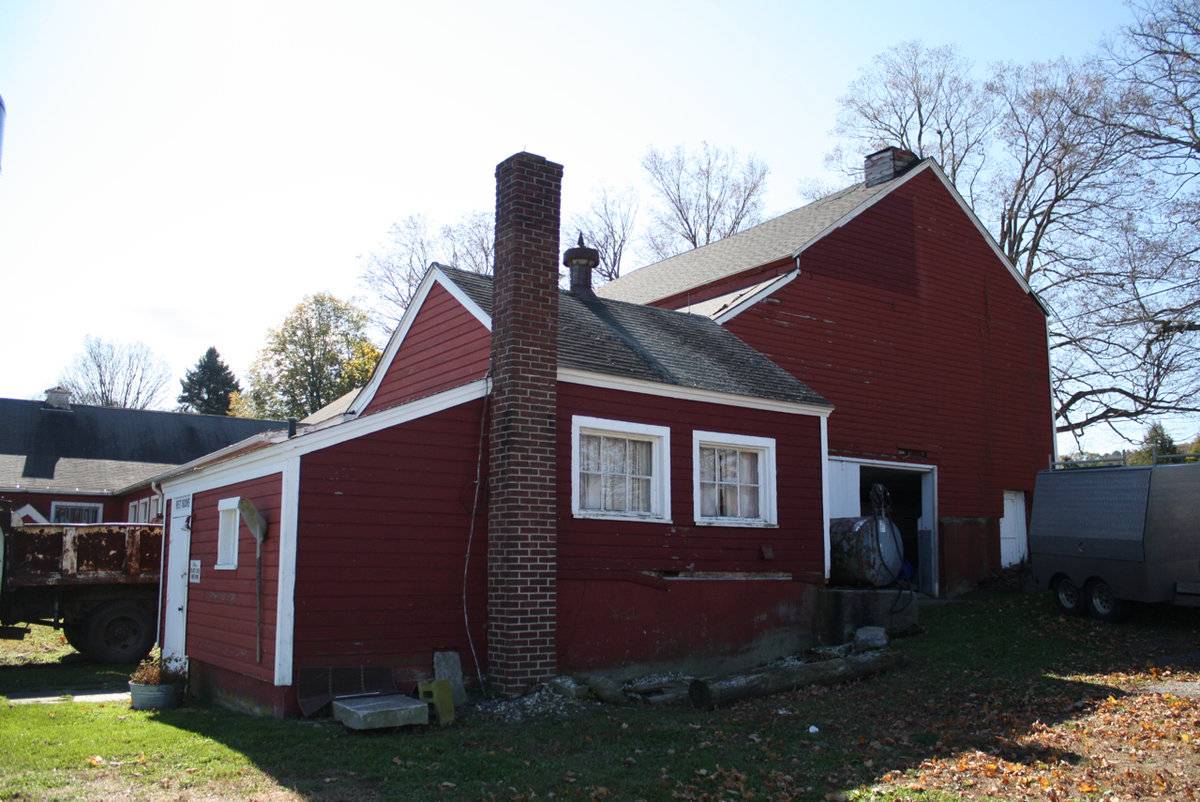
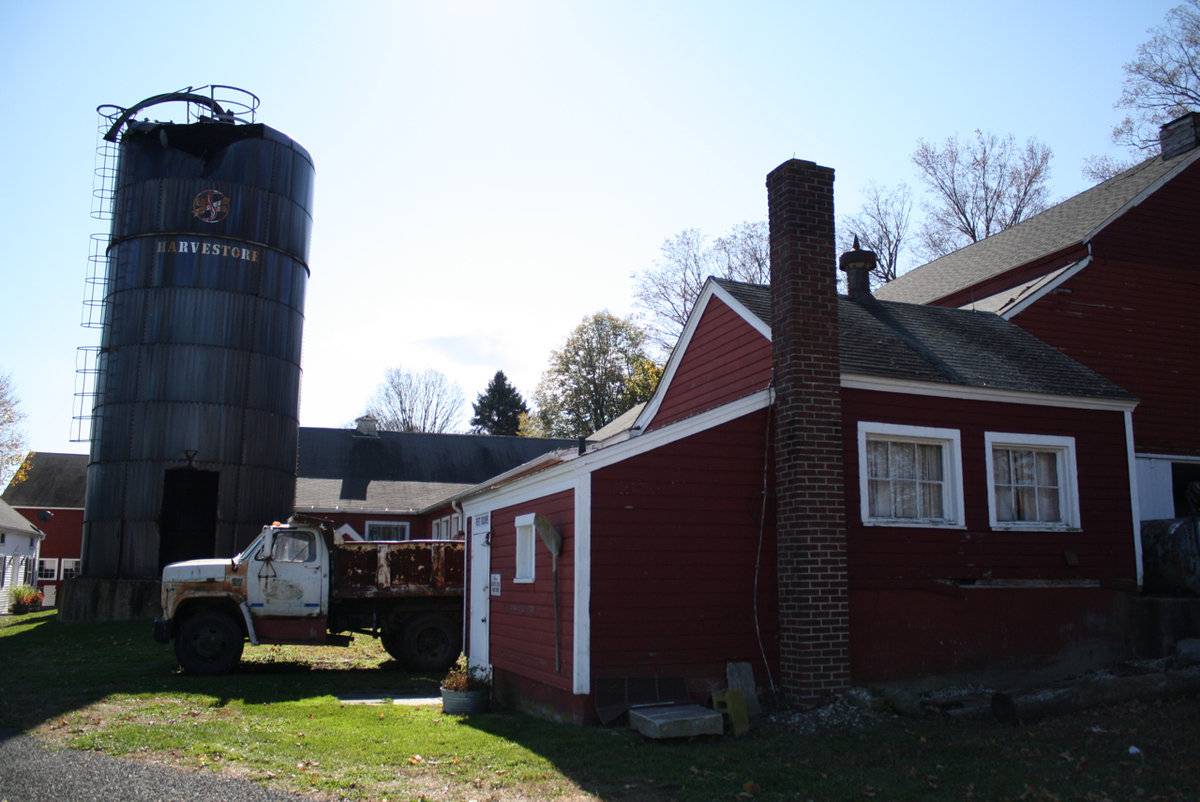
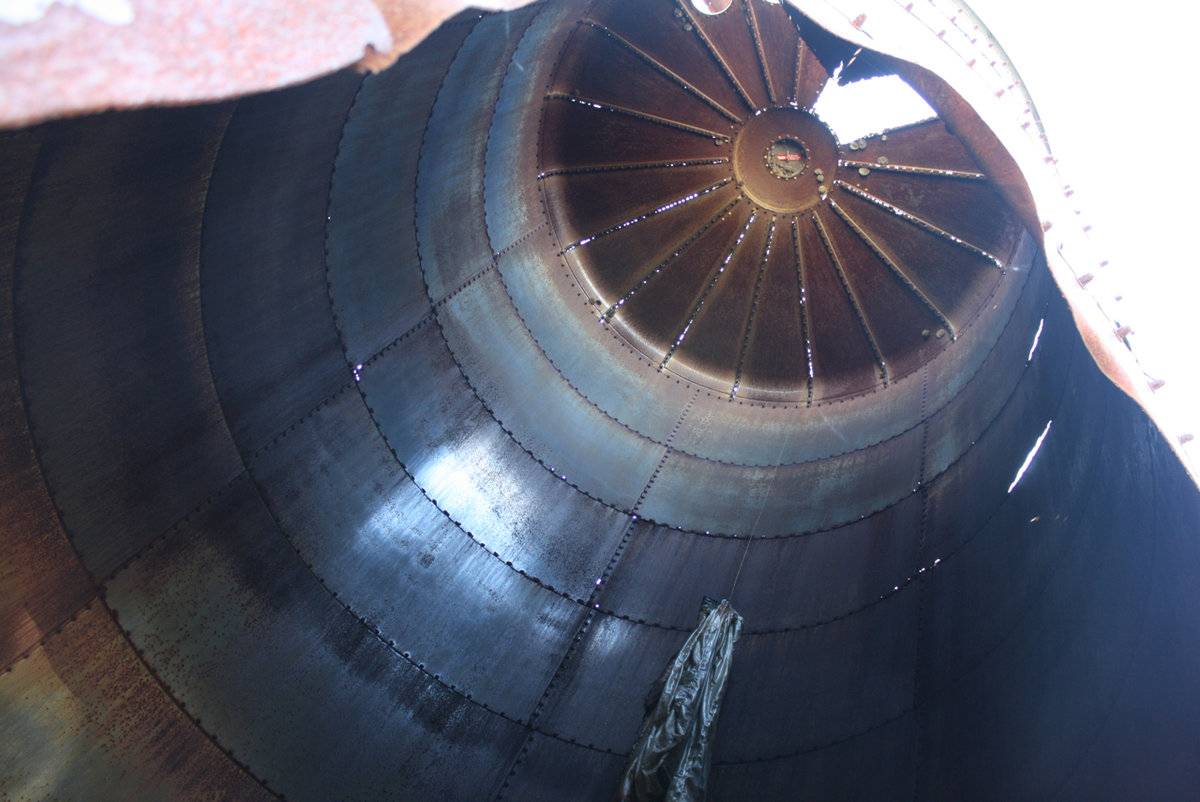
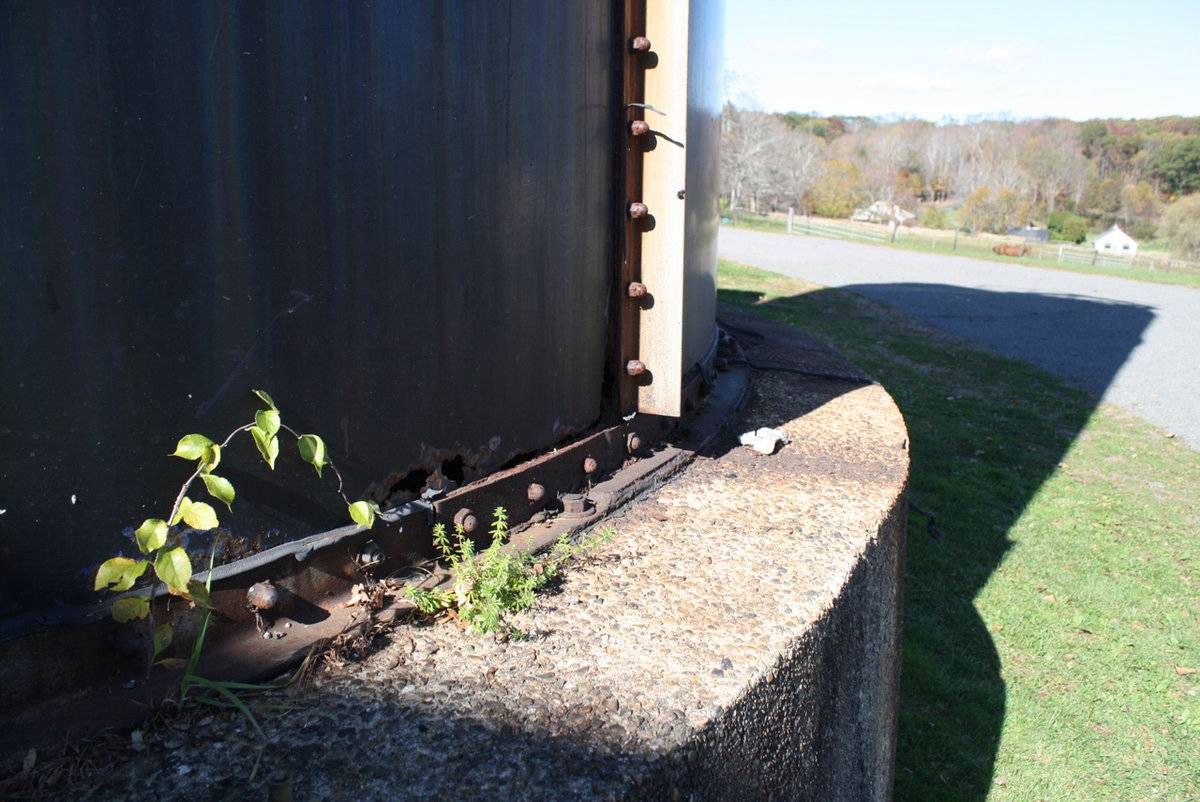
The barn stands on the east side of Botsford Hill Road, hard on the street, with a grassy site sloping to the east. It is part of a complex to the east that is approached by a drive to the south of this barn. Features include: 5564 square feet; multi-part barn with irregular plan, banked to the east. Main section: a bank barn with long elevation fronting the road and gables to the north and south; hay loft above with roadside entry; post-and-beam frame with circular-sawn timbers (square rule joinery); central, four-sided, hip-roofed wood cupola with louvered vents. Lean-to addition to east; peak-roofed milk house wing with brick chimney at northeast corner; metal cupola on milk house. Stable wing: concrete foundation; with monitor roof, runs east from southeast corner; riveted sheet-metal silo on concrete foundation at northeast corner; small cupola of similar design as main section; all with red paint with white trim.
Barn III:
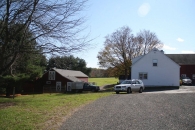
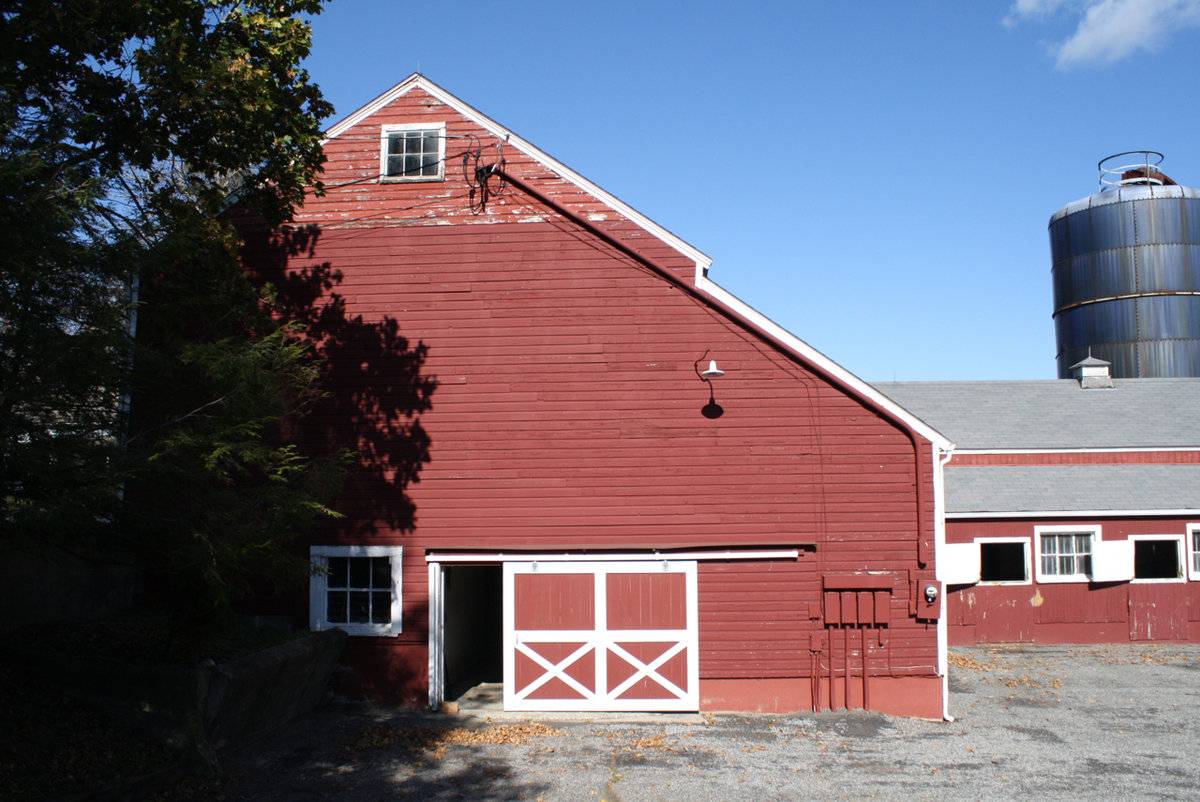
This barn was the Golden Harvest bull barn and has been altered for use as a kennel. The club has 40 hounds. The barn stands on east side of Botsford Hill Road, to the east of the main dairy barn. It is part of a complex that is approached by a drive running west from the road, south of the main barn. The west elevation fronts a parking lot, with woods opening to fields to the east with distant views. The dog run is to the north. Features include: 45 x 18; elongated peak-roofed barn with gable ends to the north and south; shed-roof addition at northwest corner; divided doors with cross styles at north gable end; pair of hinged loft doors at north gable peak; shed wing at northeast corner; wood framed; drop siding; red paint with white trim.
Historical significance:The oldest barns still found in the state are called the “English Barn,” “side-entry barn,” “eave entry,” or a 30 x 40. They are simple buildings with rectangular plan, pitched gable roof, and a door or doors located on one or both of the eave sides of the building based on the grain warehouses of the English colonists’ homeland. The name “30 by 40” originates from its size (in feet), which was large enough for 1 family and could service about 100 acres. The multi-purpose use of the English barn is reflected by the building’s construction in three distinct bays - one for each use. The middle bay was used for threshing, which is separating the seed from the stalk in wheat and oat by beating the stalks with a flail. The flanking bays would be for animals and hay storage.
The oldest barns still found in the state are called the “English Barn,” “side-entry barn,” “eave entry,” or a 30 x 40. They are simple buildings with rectangular plan, pitched gable roof, and a door or doors located on one or both of the eave sides of the building based on the grain warehouses of the English colonists’ homeland. The name “30 by 40” originates from its size (in feet), which was large enough for 1 family and could service about 100 acres. The multi-purpose use of the English barn is reflected by the building’s construction in three distinct bays - one for each use. The middle bay was used for threshing, which is separating the seed from the stalk in wheat and oat by beating the stalks with a flail. The flanking bays would be for animals and hay storage. The 19th century saw the introduction of a basement under the barn to allow for the easy collection and storage of a winter’s worth of manure from the animals sheltered within the building. The bank barn is characterized by the location of its main floor above grade, either through building into a hillside or by raising the building on a foundation. This innovation, aided by the introduction of windows for light and ventilation, would eventually be joined by the introduction of space to shelter more animals under the main floor of the barn.
The term dairy barn is used as early as the 18th century (along with “cow house”). Modern dairy barns are characterized by their interior arrangements of stanchions and gutters to facilitate milking and the removal of manure. In some cases this is just a few stalls in the corner of a barn, in others it can be a large barn dedicated to that single purpose.
The oldest barns still found in the state are called the “English Barn,” “side-entry barn,” “eave entry,” or a 30 x 40. They are simple buildings with rectangular plan, pitched gable roof, and a door or doors located on one or both of the eave sides of the building based on the grain warehouses of the English colonists’ homeland. The New England barn or gable front barn was the successor to the English barn and relies on a gable entry rather than an entry under the eaves. The gable front offers many practical advantages. Roofs drain off the side, rather than flooding the dooryard. Although it was seen by many as an improvement over the earlier side entry English Barn, the New England barn did not replace its predecessor but rather coexisted with it. In this case the two styles are combined; both a gable entry and an eave entry are used.
Field Notes
Listed on the State Register of Historic Places 3/06/2013 Information from a survey of Roxbury by Rachel Carley. "When I first cam to Roxbury in 1959, I worked for Golden Harvest. There were four large farms, all cattle, each one with a different breed of cow. Golden Harvest dealt in purebred Guernseys. To see how much milk they would do in a year, the cows were put in a test barn. These were special cows — 12, I think — highly bred animals. They had special grain and were milked at 4 AM, noon and 8 PM. If you had a highly rated type cow and she was a high milk producer, boy, then you had something that was worth the money. We (Golden Harvest) had two men working in each barn and another man to relieve us. So there were five to six men who did nothing but take care of cows. And then there were three men outside who did the haying and plowing. There were four barns just for cows: heifers in one barn, calves in another with little calves and pregnant cows and the other two barns were milking barns." — Merlin Temple "Then my grandparents bought the farm that became part of Golden Harvest. The house was across the street where the hounds are (97 Botsford Hill Road) and the dairy barns were across the road." — Lou Pokrywka This property, on the east side of the road, was once part of the old Botsford farm across the road at 97 Botsford Hill Road to the west. Both properties were bought in the mid-1930s and consolidated into Frasier McCann’s Golden Harvest Farm, then separated when Golden Harvest was subdivided among new owners in the mid-1980s. During the Golden Harvest period the complex was expanded as part of that farm’s dairy operation and has been modified again more recently as part of Fairfield County Hounds, a recreational riding and hunt club, which bought the property in 1986.
- Use & Accessibility
Use (Historic)
Use (Present)
Exterior Visible from Public Road?
Yes
Demolished
n/a
Location Integrity
Unknown
- Environment
- Typology & Materials
-
Building Typology
Materials
Structural System
Roof materials
Roof type
Approximate Dimensions
Barn I: 60 x 15, Barn II: 5564 square feet, Barn III: 45 x 18.
- Source
-
Date Compiled
06/30/2011
Compiled By
Rachel D. Carley - CH
Sources
Aerial views from:
http://maps.google.com/
http://www.bing.com/maps/ accessed 10/02/2011.Carley, Rachel D., Barn Stories from Roxbury Connecticut, Roxbury Historic District Commission/Town of Roxbury/CT Commission on Culture & Tourism, 2010.
Cunningham, Jan, Roxbury, A Historic and Architectural Survey, Roxbury Historic District Commission, 1996-97.
Sexton, James, PhD; Survey Narrative of the Connecticut Barn, Connecticut Trust for Historic Preservation, Hamden, CT, 2005, http://www.connecticutbarns.org/history.
Visser, Thomas D.,Field Guide to New England Barns and Farm Buildings, University Press of New England, 1997, 213 pages.
- PhotosClick on image to view full file
-