Barn Record Windsor
RETURN TO ‘FIND BARNS’- Building Name (Common)
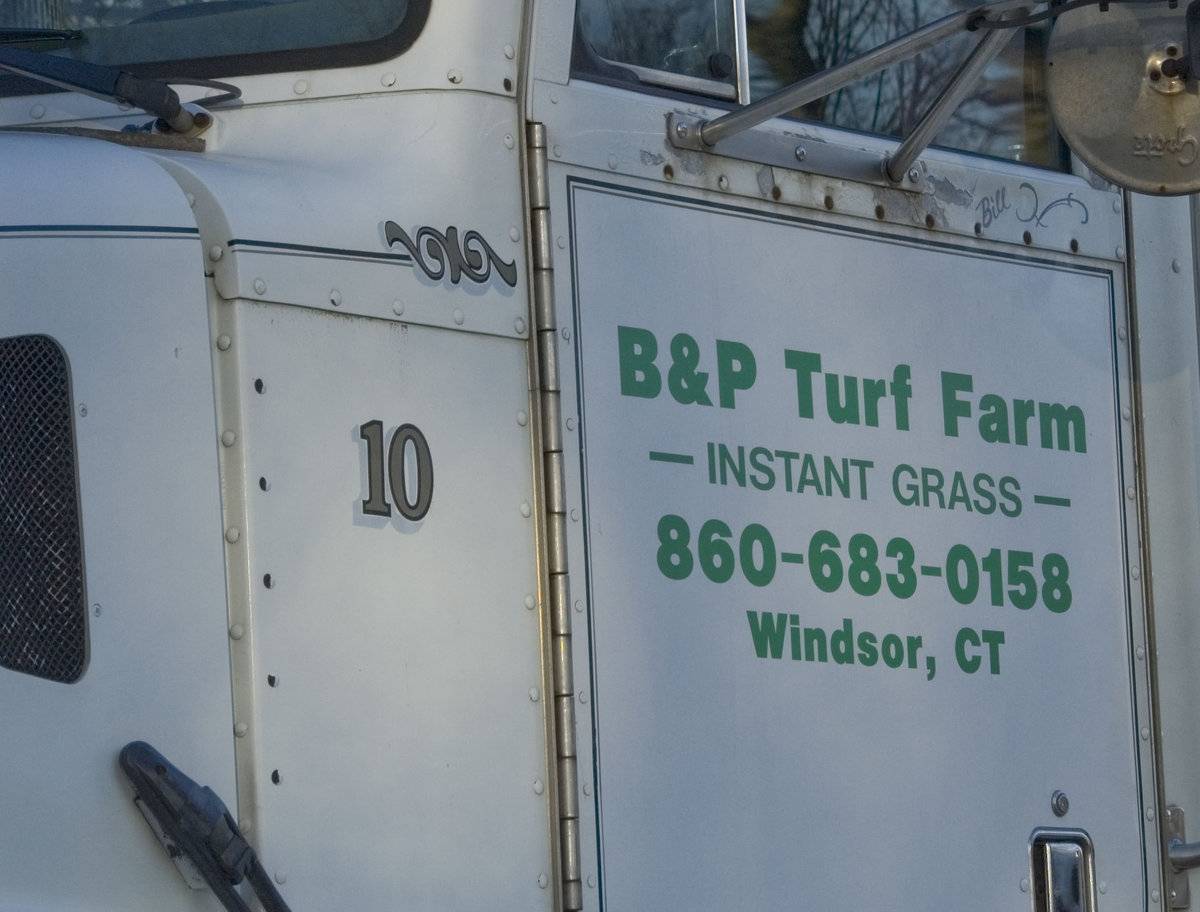
- B & P Turf Farm
- Building Name (Historic)
- Bissel Tavern
- Address
- 1022 Palisado Avenue (Rte 159), Windsor
- Typology
- Overview
-
Designations
Historic Significance
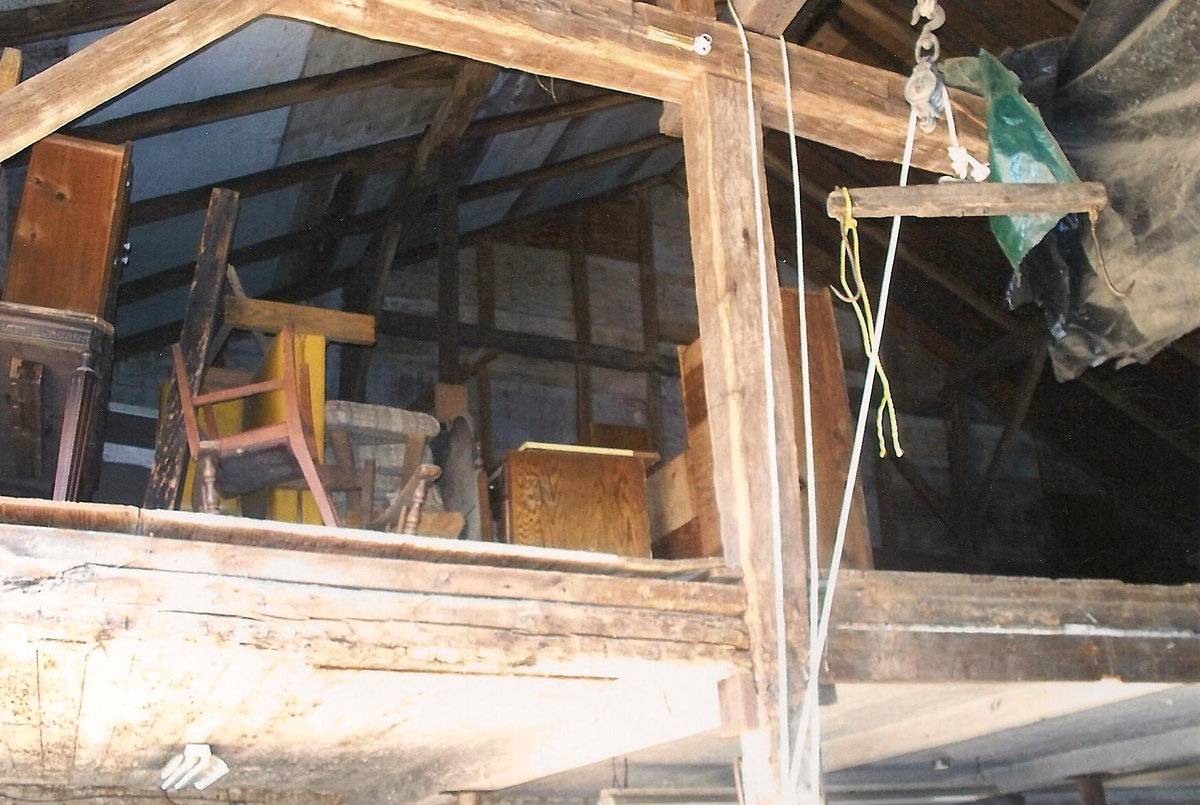
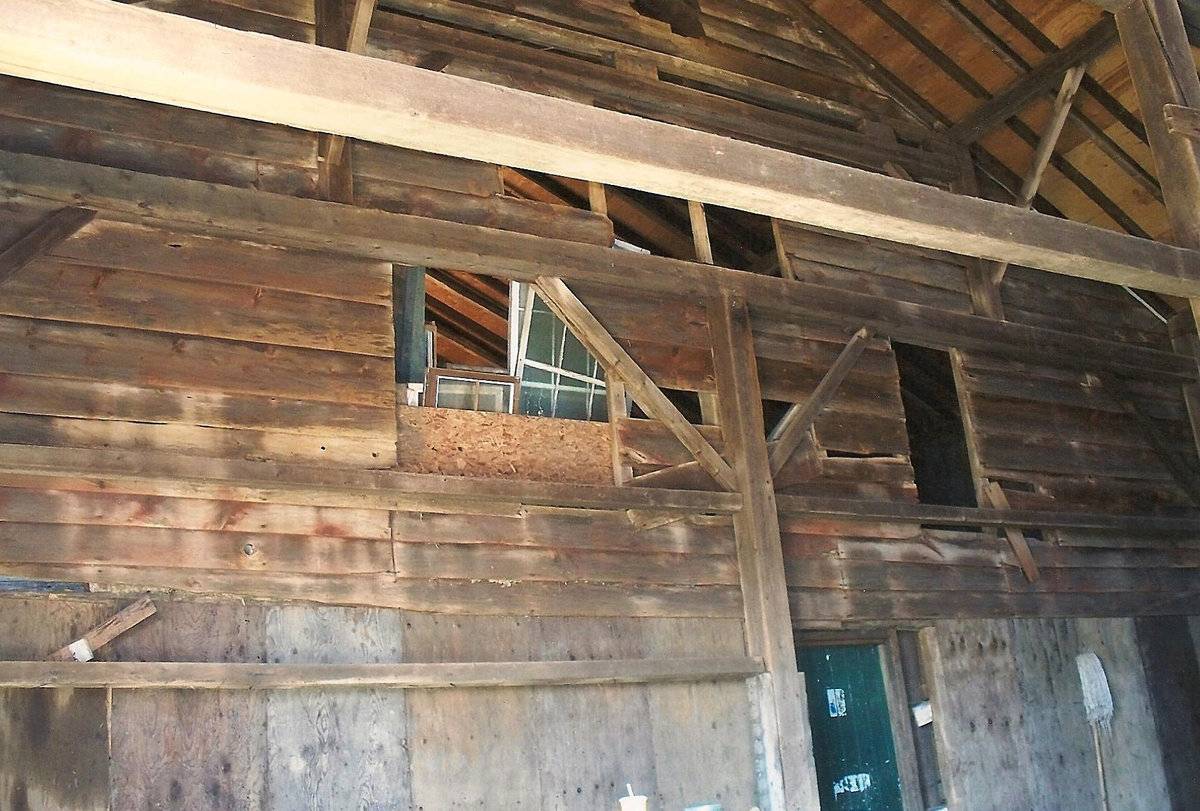
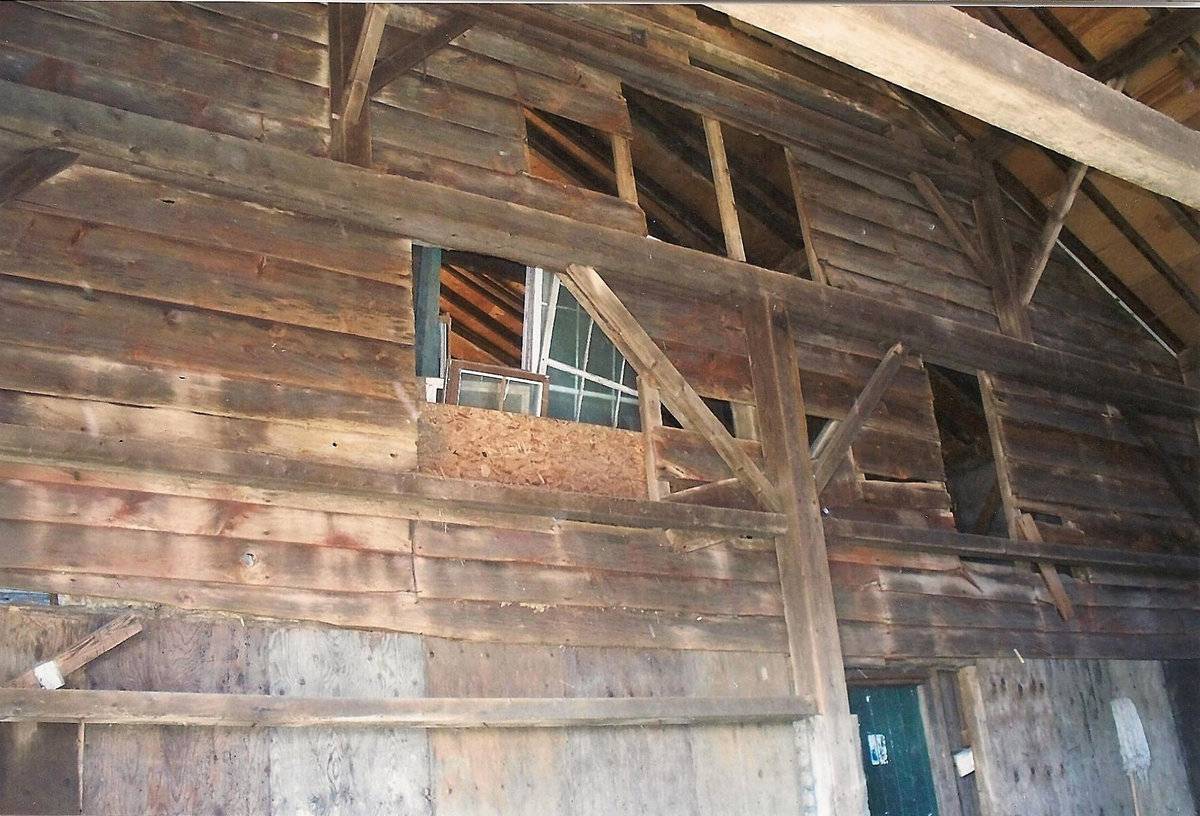
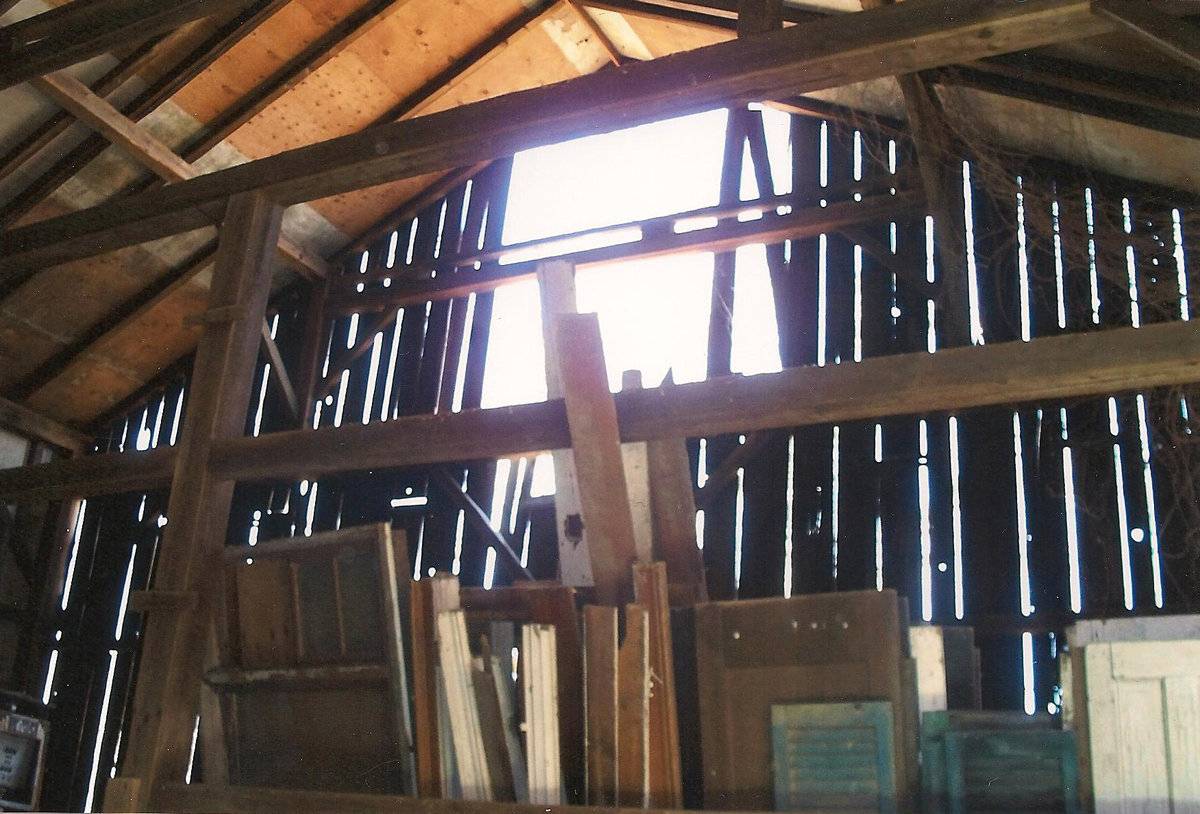
Architectural description:
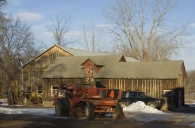
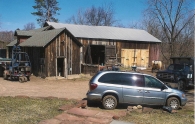
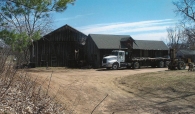
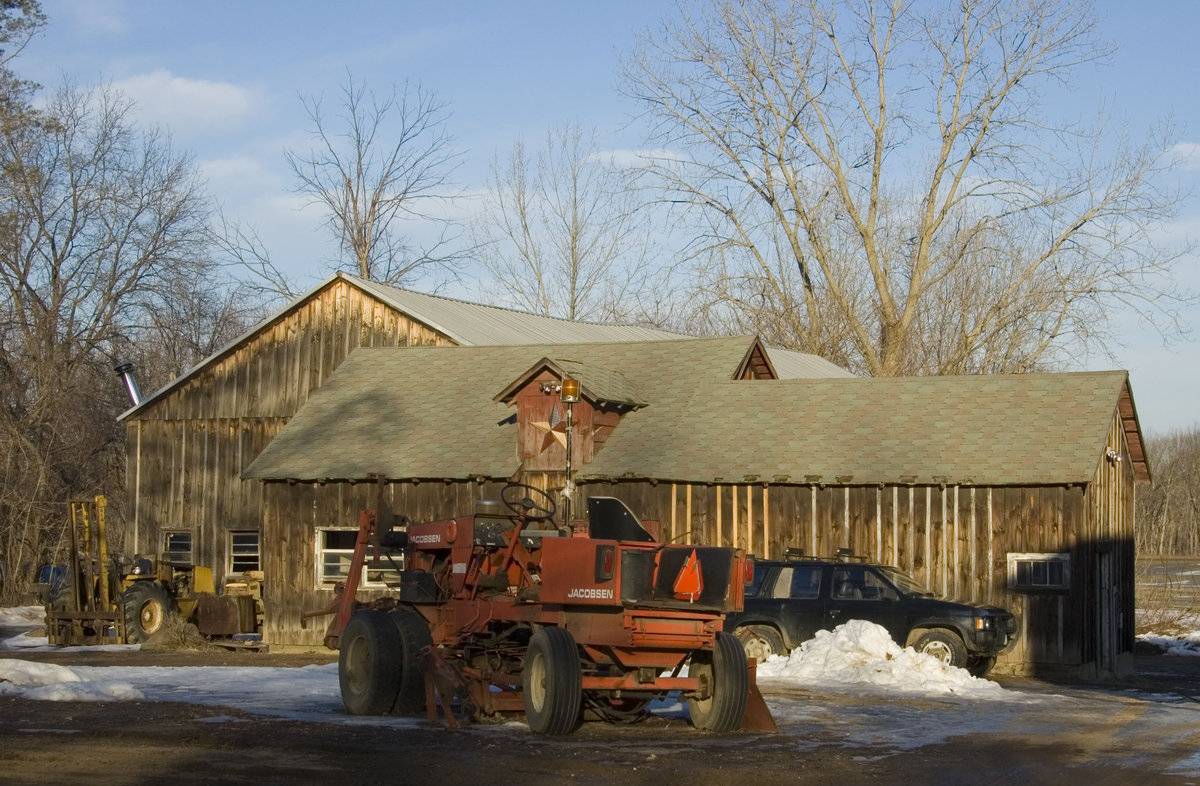
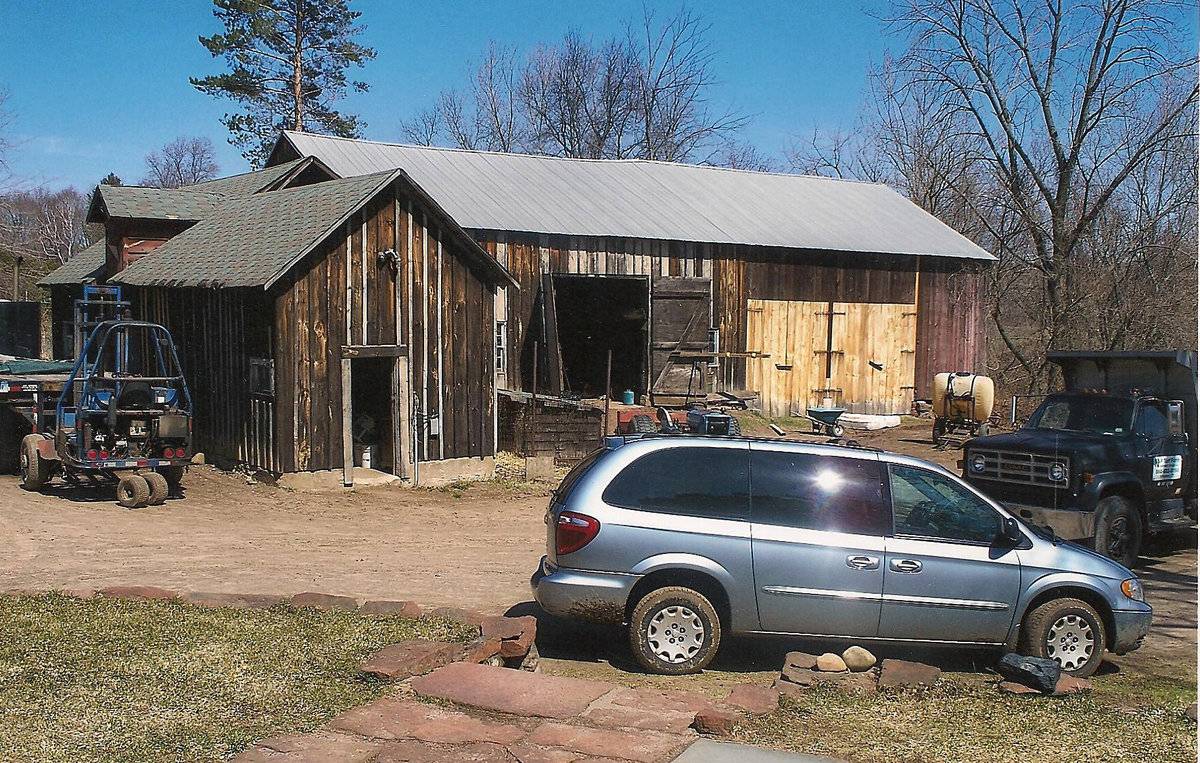
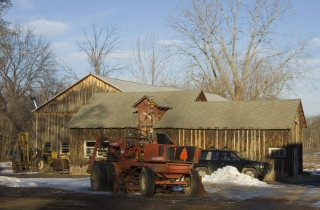
This is a 1 ½-story eave-entry, gable-roof barn with two additions. The main façade faces south and the ridge-line runs perpendicular to Palisado Avenue, which at this point runs approximately north to south.
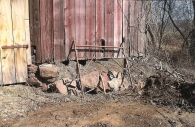
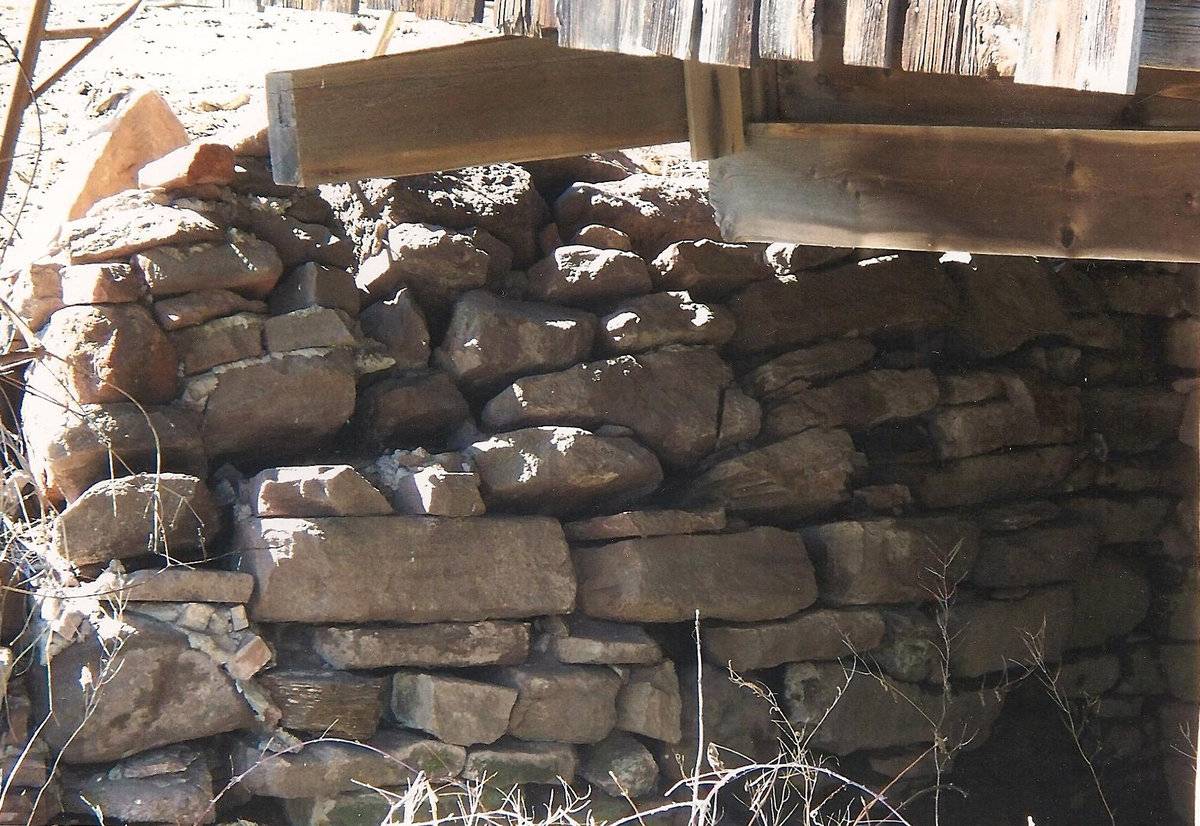
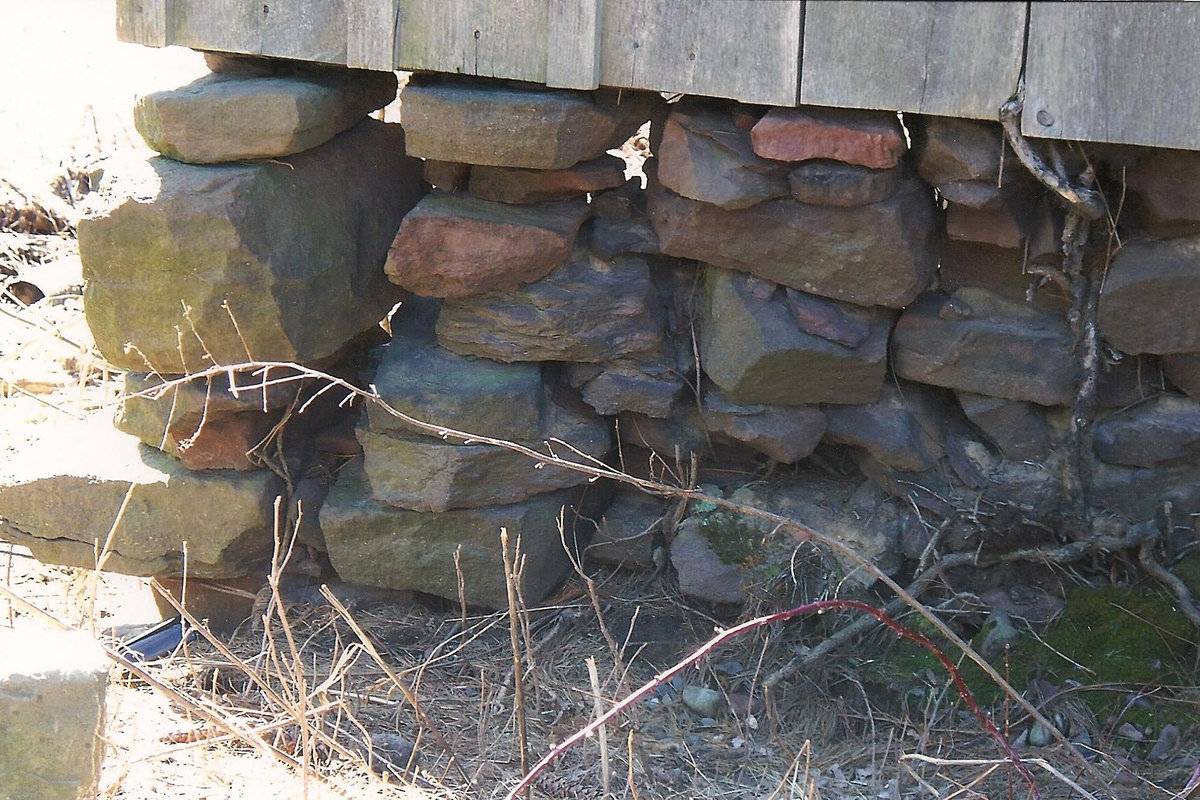
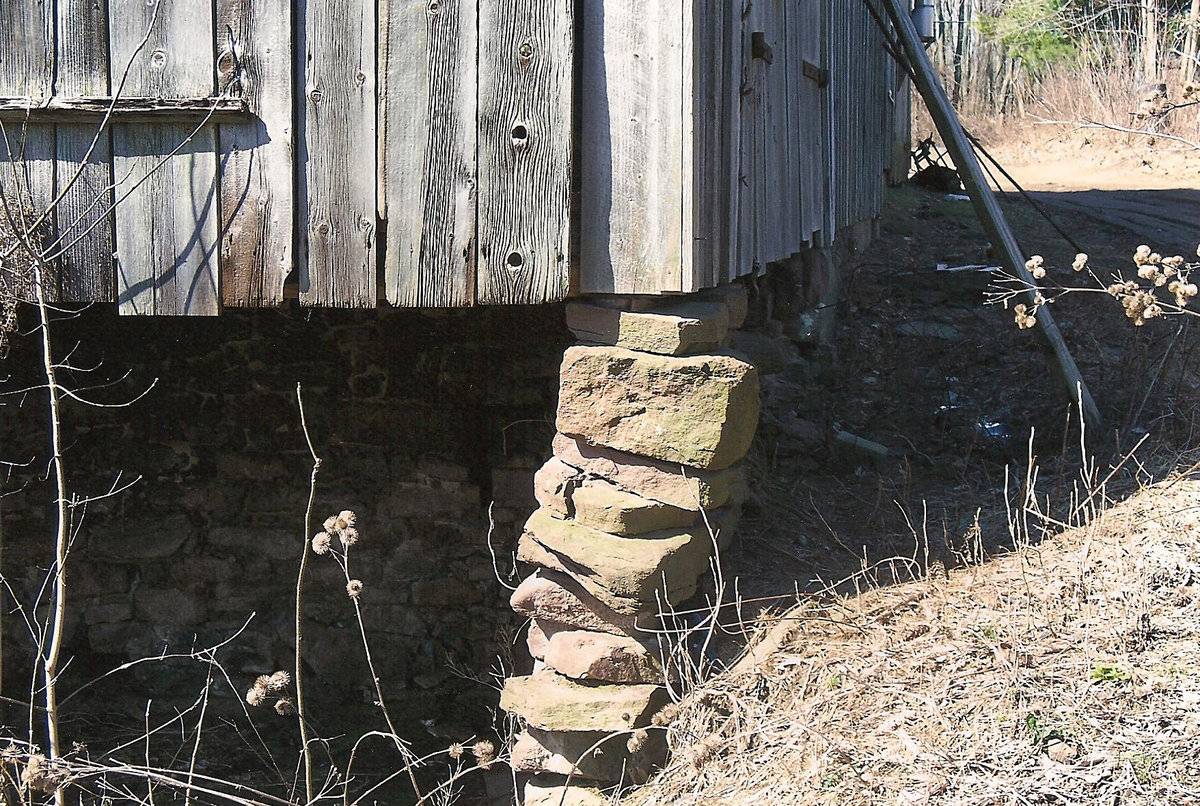
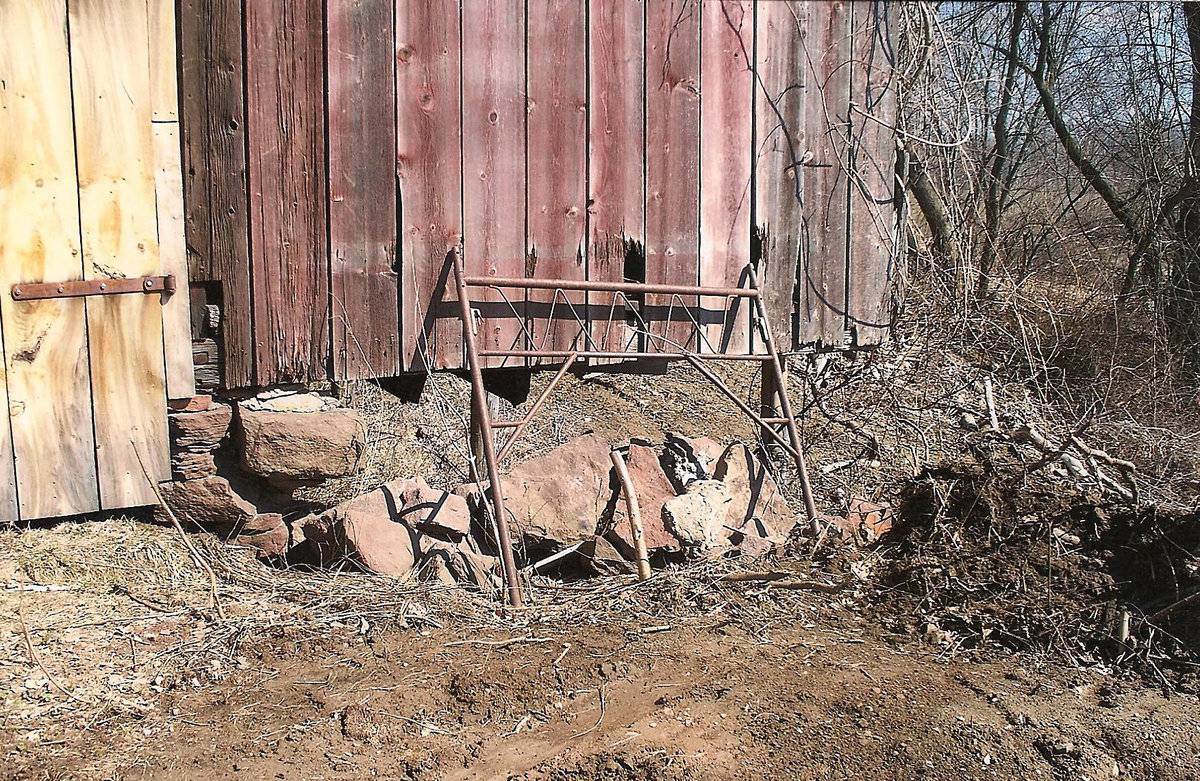
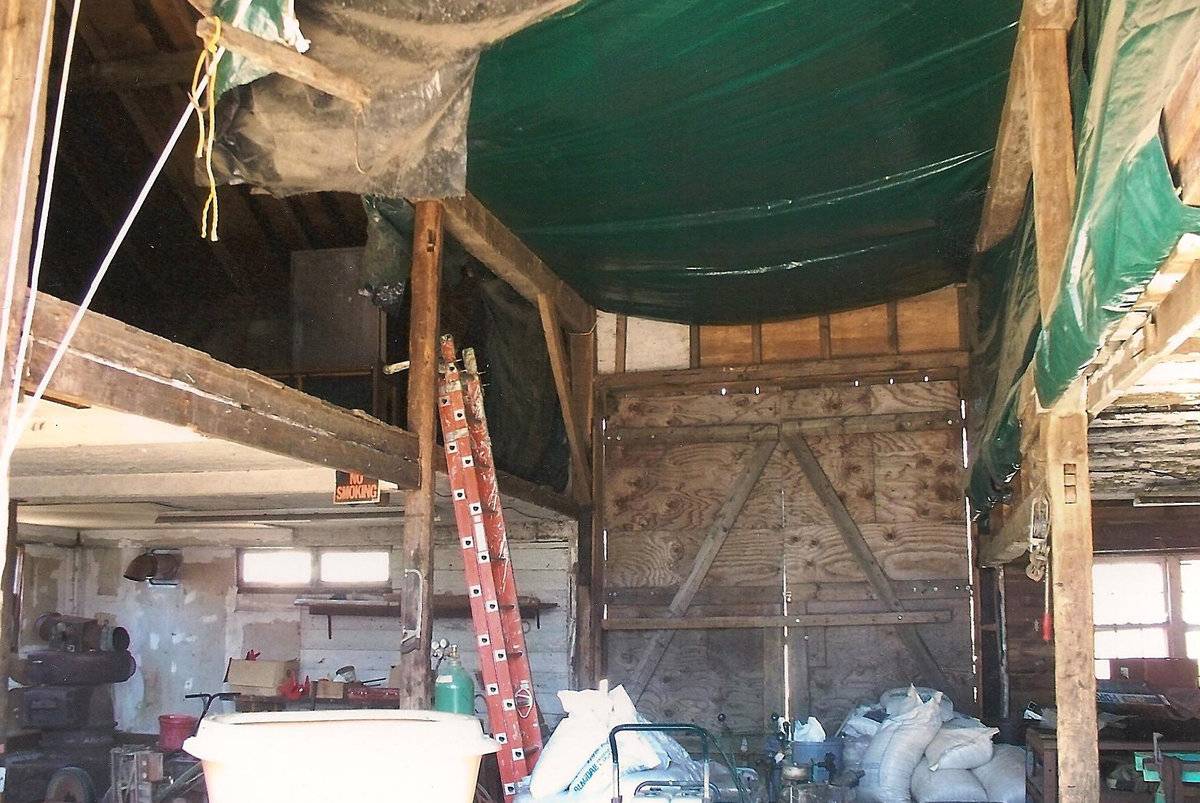
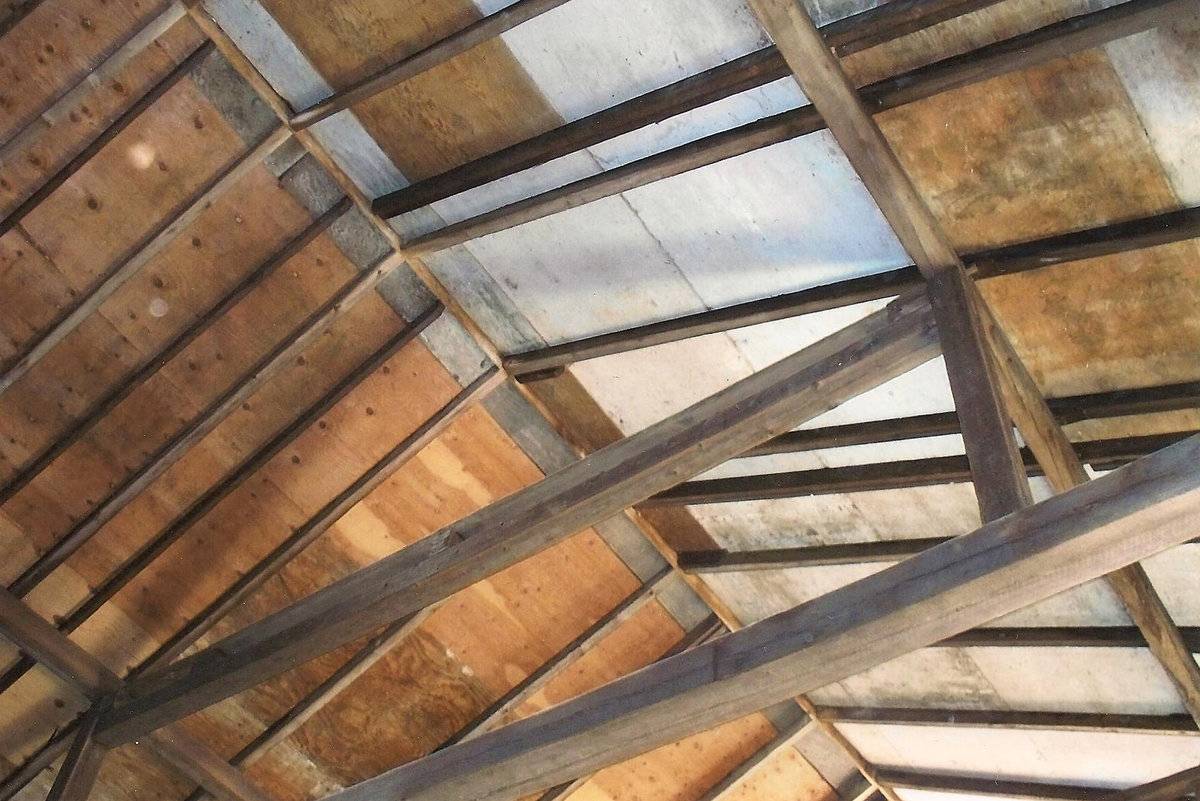
The main entry is located just west of center on the south eave-façade of the barn, and consists of a pair of double-height, side-hinged doors with “Z” bracing on the interior of each leaf. There appears to be a window on each side of the main entry. Toward the east corner are two pairs of side-hinged doors that appear to have original iron strap hinges and new leafs. A fieldstone foundation is apparent on the east corner of the south eave-façade of the barn. No other openings appear to be on this façade.
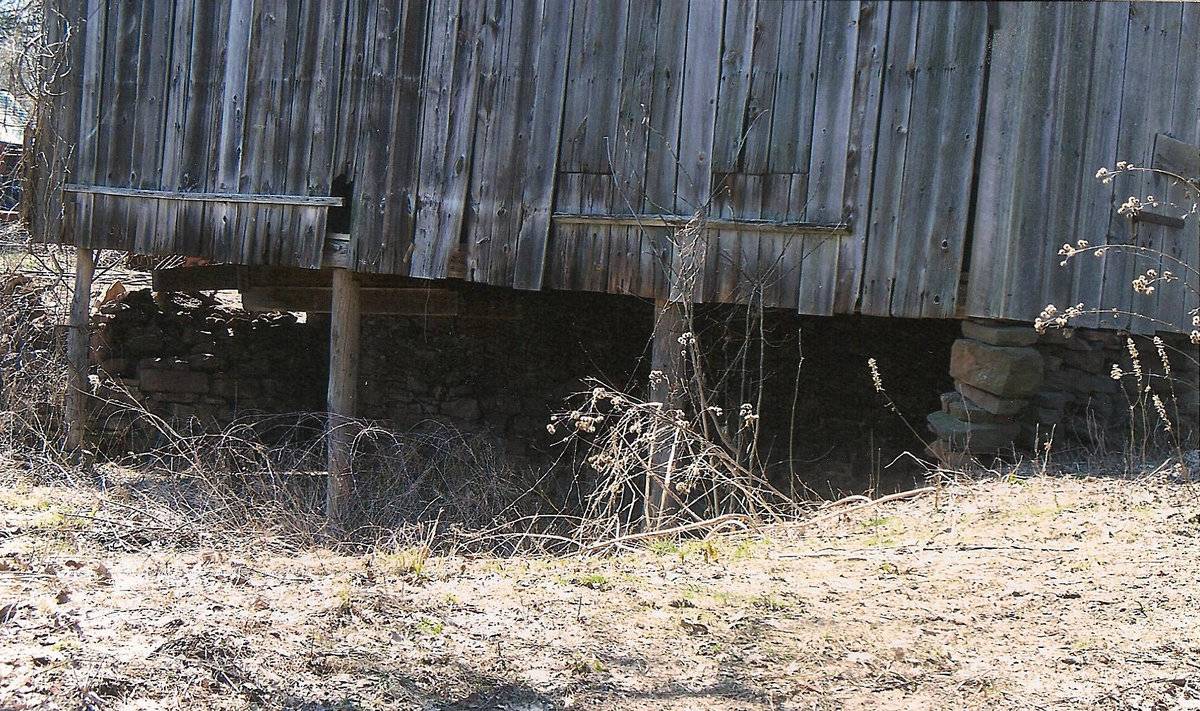
The grade drops slightly on the east gable-end of the barn, revealing what appears to be two open bays in the basement level. In the gable-attic of the south gable-end of the barn is what appears to be a hay-door opening, but could be an area where the siding has fallen off. There appear to be no other openings on this side.
There appear to be no openings on the north eave-side of the barn, however, there is a long, slender, metal vent attached to the wall near the west corner. Spaced across the west gable-end of the barn are three double-hung windows. A gable-roof addition is attached to the south corner, and extends to the south. There appear to be no other details on this side.
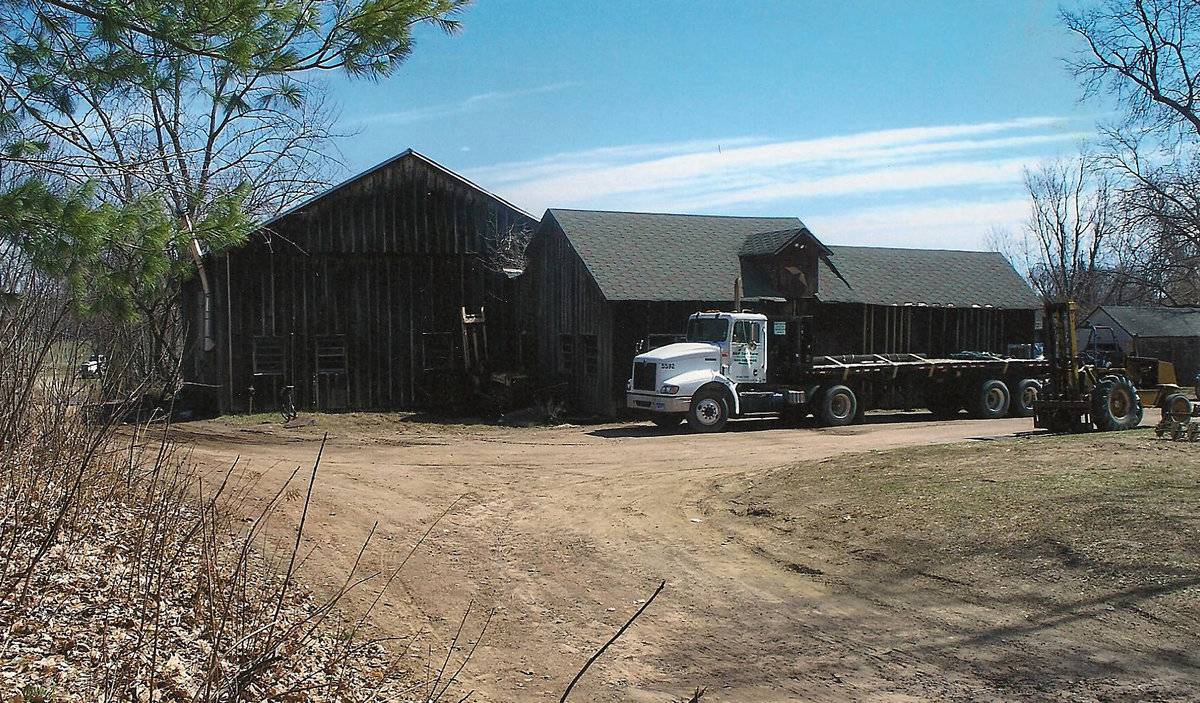
The gable-roof addition extends to the south, forming an “L” shape. Attached on the south gable-end of the addition (Addition I) is another gable-roof addition (Addition II).
Addition I has a ridge-line that runs parallel to Palisado Avenue. On the north gable-end of Addition I are what appears to be three, double-hung windows spaced across this side. There appear to be no other openings on this side. On the west eave-side of Addition I is a pair of one-over-one double-hung windows near the north corner. To the south there appears to be an entryway with red doors. The doors overlap onto the west eave-side of Addition II. Just above the doors on Addition I is a gable-roof dormer. In the gable peak of the dormer is an exterior electrical lamp. Attached to the south gable-end of Addition I is Addition II, extending to the south. Addition II encompasses two thirds of Addition I on this side, and no other details appear to be on the south gable-end of Addition I. An entryway with side-hinged red doors appears to be on the east eave-side of Addition I. There appear to be no other openings on this side.
Addition II extends to the south off the south gable-end of Addition I. The ridge-line is parallel with Palisado Avenue. The north gable-end of Addition II is attached to and encompassed by Addition I. Part of the entryway on the west eave-side of Addition I overlaps onto the west eave-side of Addition two, on the north corner. A three-pane fixed window with trim is found on the south corner of the west eave-side of Addition II. There are no other openings on this side. On the south gable-end of Addition II is a pass through entryway near the west corner. Located in the gable-attic of the south gable-end is an exterior electrical lamp. The concrete foundation is apparent on this side. No other details appear to be on the south gable-end of Addition II. On the south corner of the east eave-side of Addition II, there appears to be a horizontal window with trim. Near the north corner appears to be an entryway with a sliding door. No other openings appear to be on this side.
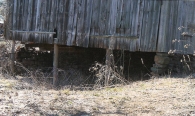
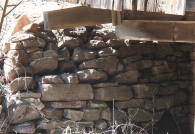
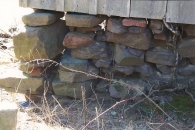
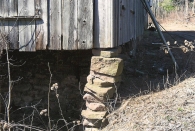
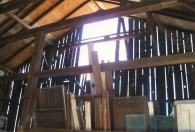
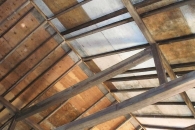
The main barn is clad in board-and-batten and vertical flush-board siding. The gable-roof additions also appear to be clad in board-and-batten siding. The gable-dormer is clad in vertical and horizontal siding. The gable-roof of the main barn has overhanging eaves and is clad in a metal roof. The roofs of the gable-roof additions have overhanging eaves and are clad in asphalt shingles. The foundation on the main barn appears to be unmortared fieldstone. The foundations on both the additions appear to be concrete.
Historical significance:The oldest barns still found in the state are called the “English Barn,” “side-entry barn,” “eave entry,” or a 30 x 40. They are simple buildings with rectangular plan, pitched gable roof, and a door or doors located on one or both of the eave sides of the building based on the grain warehouses of the English colonists’ homeland. The name “30 by 40” originates from its size (in feet), which was large enough for 1 family and could service about 100 acres. The multi-purpose use of the English barn is reflected by the building’s construction in three distinct bays - one for each use. The middle bay was used for threshing, which is separating the seed from the stalk in wheat and oat by beating the stalks with a flail. The flanking bays would be for animals and hay storage.
The 19th century saw the introduction of a basement under the barn to allow for the easy collection and storage of a winter’s worth of manure from the animals sheltered within the building. The bank barn is characterized by the location of its main floor above grade, either through building into a hillside or by raising the building on a foundation. This innovation, aided by the introduction of windows for light and ventilation, would eventually be joined by the introduction of space to shelter more animals under the main floor of the barn.
The tobacco barn, or shed as it is called in the Connecticut River Valley, is one of the most distinctive of the single-crop barns. They tend to be long, low windowless buildings with pitched roofs. They are characterized by vented sides and roofs to regulate air flow and allow harvested tobacco to cure at the appropriate rate. Derived initially from the design of the English barn, the shed is composed of a fixed skeleton consisting of two- or three-aisle bents repeated at intervals of 15 feet to the desired length. The wood-framed bents sit on piers of stone or concrete and the bents are connected by girts and diagonal braces. Typically there are one or two door openings at each end, making the shed a “drive-through,” although some sheds are accessed through doors on the sides. The interior structural framework serves a second purpose in addition to supporting the walls and roof of the building; it provides a framework for the rails used to hang the tobacco as it cures.
Historical background:The Bissell Tavern’s original owner, “Ebenezer Fitch Bissell, Sr., was a member of a prominent early Windsor family which was active in agricultural, military, and commercial affairs during the eighteenth and nineteenth centuries.” Bissell’s “son and grandson and later his grandson’s bother-in-law, Nathaniel Lynds (Lines), operated an inn and tavern at this location from approximately 1816 to 1833. During this time, it was a convenient stopping place along the thoroughfare from Hartford and Windsor, Connecticut, to Northampton and Boston, Massachusetts.”“The Bissell family is known to have settled in Windsor before 1640. The original homestead was built three quarters of a mile south of the Bissell Tavern. The Bissells also gained extensive land holdings nearby through marriage into the Hayden family. By 1770 Ebenezer Fitch Bissell, Sr., had acquired a share of the family property from his father and during the next decade farmed his land.
In April, 1775, Ebenezer Fitch Bissell, Sr., responded to ‘the Lexington Alarm’ as a member of the Windsory-Simsbury militia. He and his son, Ebenezer Fitch Bissell, Jr., also served in Colonel Huntington’s seventeenth Continental Regiment, Fourth Company. While in the Seventeenth Continental, Ebenezer, Sr., rose from first lieutenant to captain in command of the Seventh Company, part of the contingent of 10,000 Connecticut colonial militia ordered to New York by Governor Trumbull at the request of General George Washington after the British were routed from Boston.”
Both Bissell, Sr. and Bissell, Jr. served as members of the Connecticut General Assembly after the war.
“The agricultural development of Windsor’s northern section from the time of settlement through the mid 1800s resulted in the town’s growth as a village.”
-Gail Gene Nettles, Bissell Tavern - (Bissell’s Stage House) National Register Nomination
Field Notes
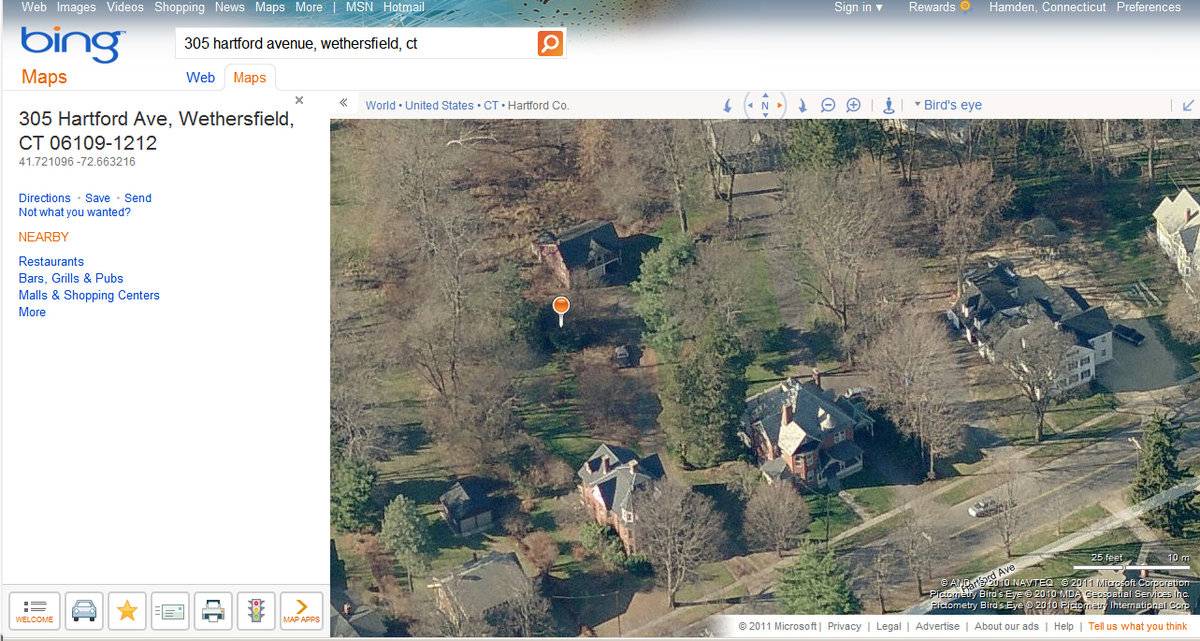
Connected-gable-roof barns. B & F Turf Farm. On the bank just above the fertile Connecticut River meadows. River meadow land both directly behind the barn and extending both north and south is turf farmed. 2008 Barns Grant pre-application. Individually listed on the National Register of Historic Places: Bissell Tavern - (Bissell's Stage House).
- Use & Accessibility
Use (Historic)
Use (Present)
Exterior Visible from Public Road?
Yes
Demolished
n/a
Location Integrity
Unknown
- Environment
Related features
Environment features
Relationship to surroundings
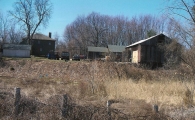
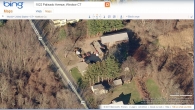
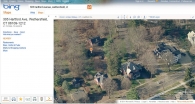
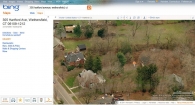
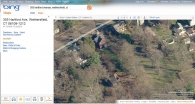
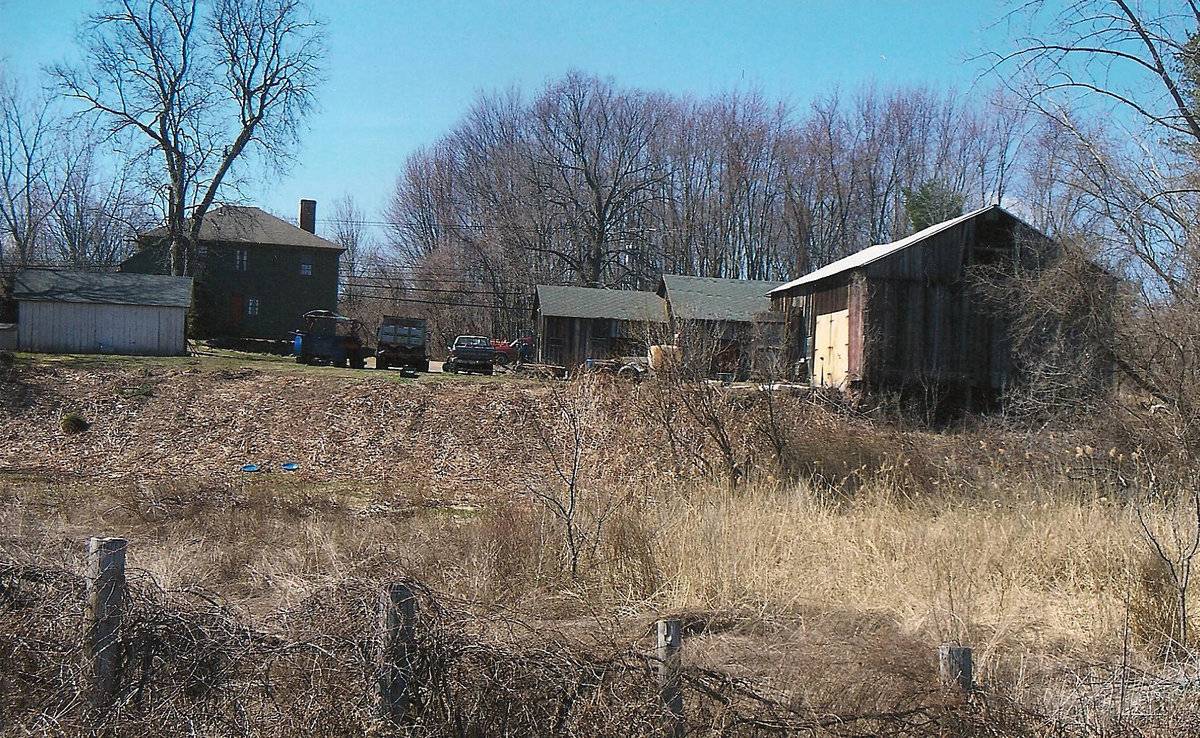
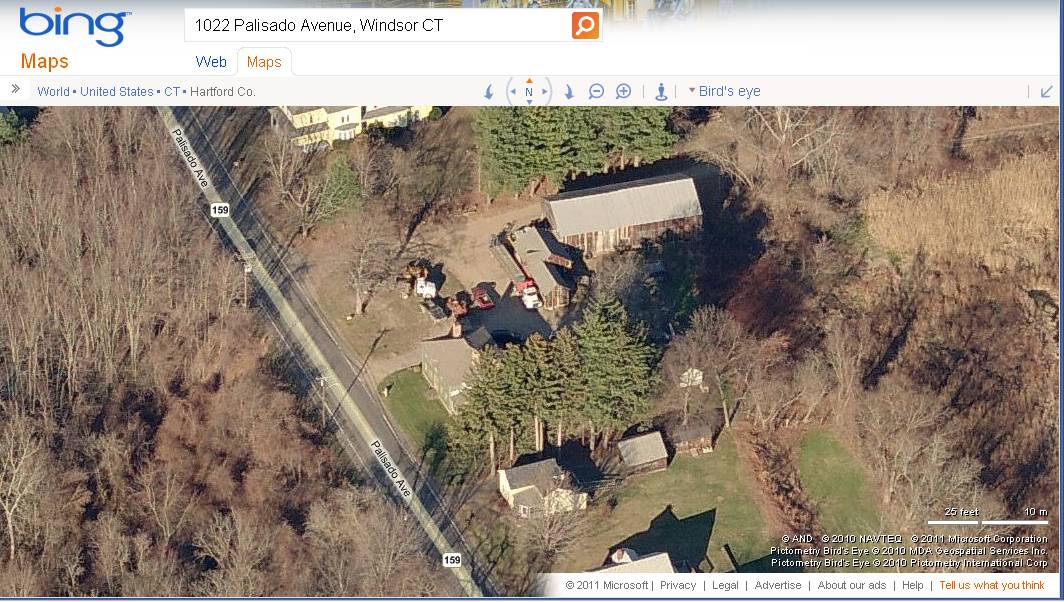
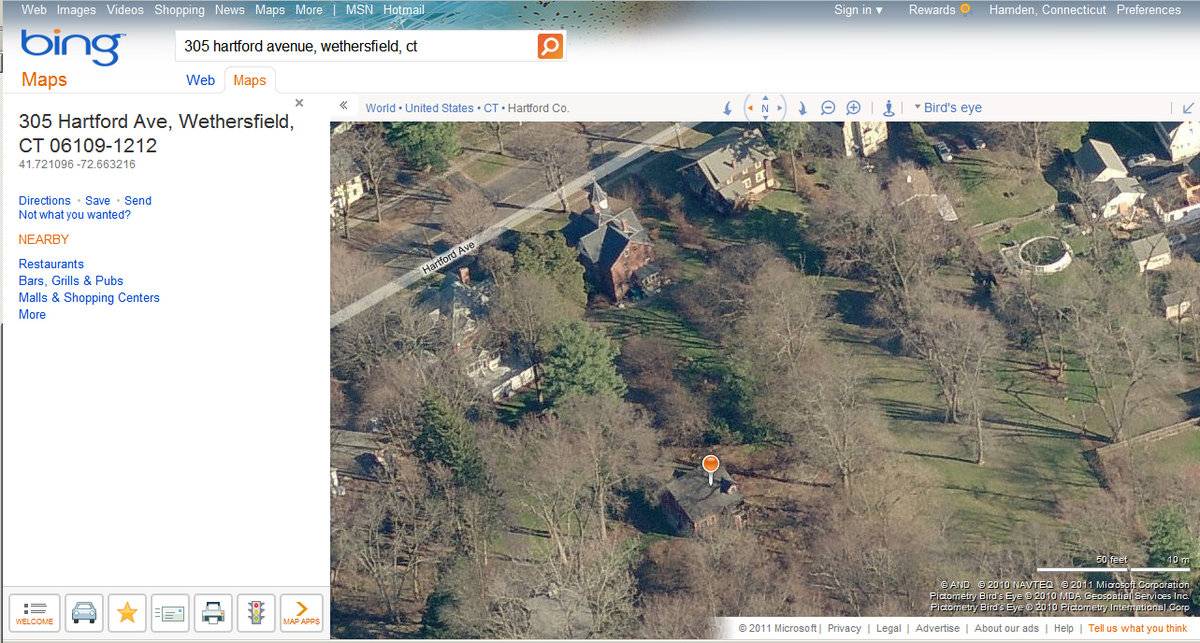
This property consists of 30.22 acres of land and is to the south of the intersection of Palisado Avenue and Hayden Station Road. The house with which this barn is associated has a double chimney and a hip-roof. The main façade faces west and the ridge-line is parallel to Palisado Avenue. The barn is to the northeast of the house, and also located on the property is an additional outbuilding which is to the south of the barn. It appears there is a creek to the west of the barn, separating open farmland from the property. Further to the east is the Connecticut River. To the southwest of the property is Lancaster Woods Open Space. Surrounding the property is farmland, some woodland, light commercial and residential areas.
Map/Block/Lot: 73/115/12
- Typology & Materials
-
Building Typology
Materials
Structural System
Roof materials
Roof type
Approximate Dimensions
Barn: 75 x 30, 1324 square feet. Addition I: 20 x 20, 215 square feet. Addition II: 15 x 20, 140 square feet.
- Source
-
Date Compiled
06/08/2011
Compiled By
K. Young & T. Levine, reviewed by CT Trust
Sources
Field notes and photographs by Lowell Fewster and from the 2008 Barns Grant pre-application by Peter O’Meara - 1/15/2009.
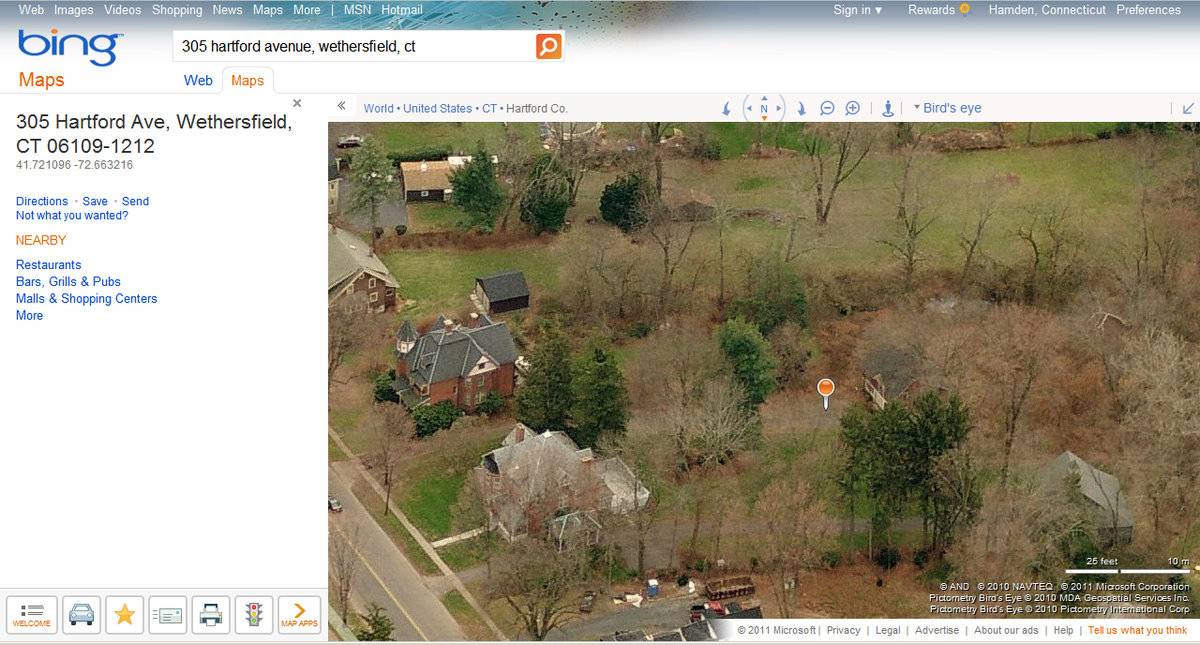
Aerial Mapping: Windsor Maps
http://www.bing.com/maps - accessed 6/8/2011.Town of Windsor GIS Mapping:
http://info.townofwindsorct.com/gis/default.htm - accessed 6/8/2011.Nettles, Gail Gene, National Register of Historic Places, Bissell Tavern - (Bissell’s Stage House), National Park Service, 1985. Item No. 85001825 NRIS (National Register Information System)
http://pdfhost.focus.nps.gov/docs/NRHP/Text/85001825.pdf
http://pdfhost.focus.nps.gov/docs/NRHP/Photos/85001825.pdfSexton, James, PhD, Survey Narrative of the Connecticut Barn, Connecticut Trust for Historic Preservation, Hamden, CT, 2005, http://www.connecticutbarns.org/history.
Visser, Thomas D.,Field Guide to New England Barns and Farm Buildings, University Press of New England, 1997.
- PhotosClick on image to view full file
-