Barn Record Southbury
RETURN TO ‘FIND BARNS’- Building Name (Common)
- Ludorf Farm
- Building Name (Historic)
- Ludorf Farm
- Address
- 560 West Purchase Road, Southbury
- Typology
- Overview
-
Designations
Historic Significance
Architectural Description:
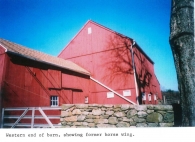
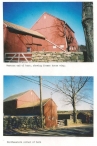
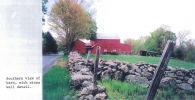
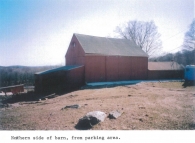
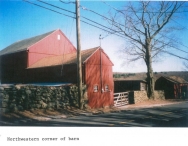
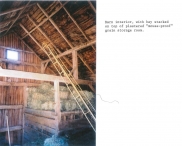
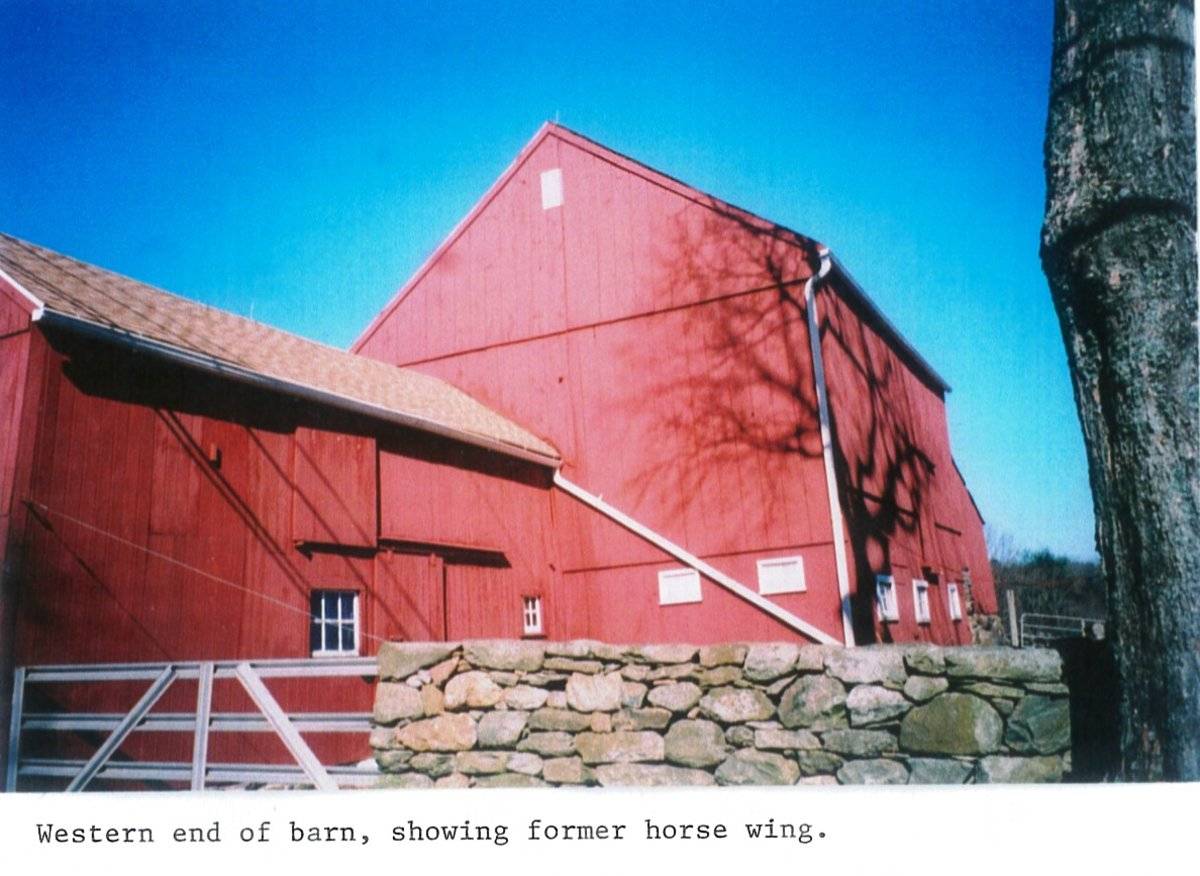
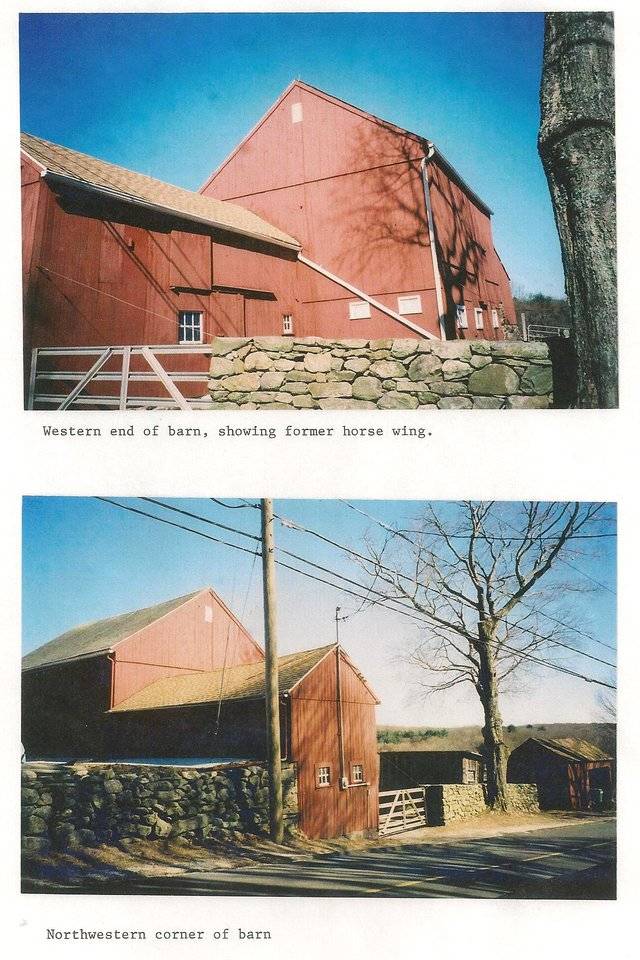
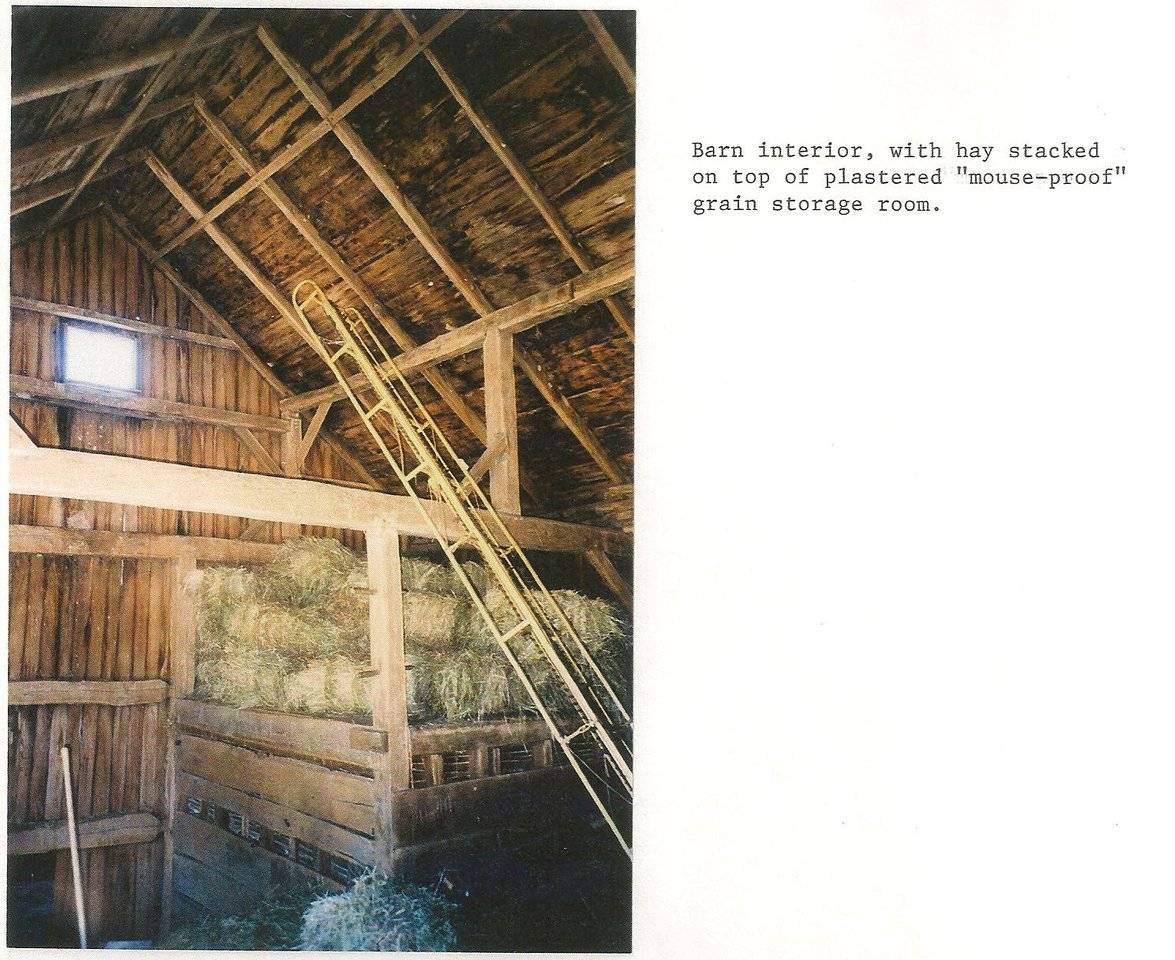
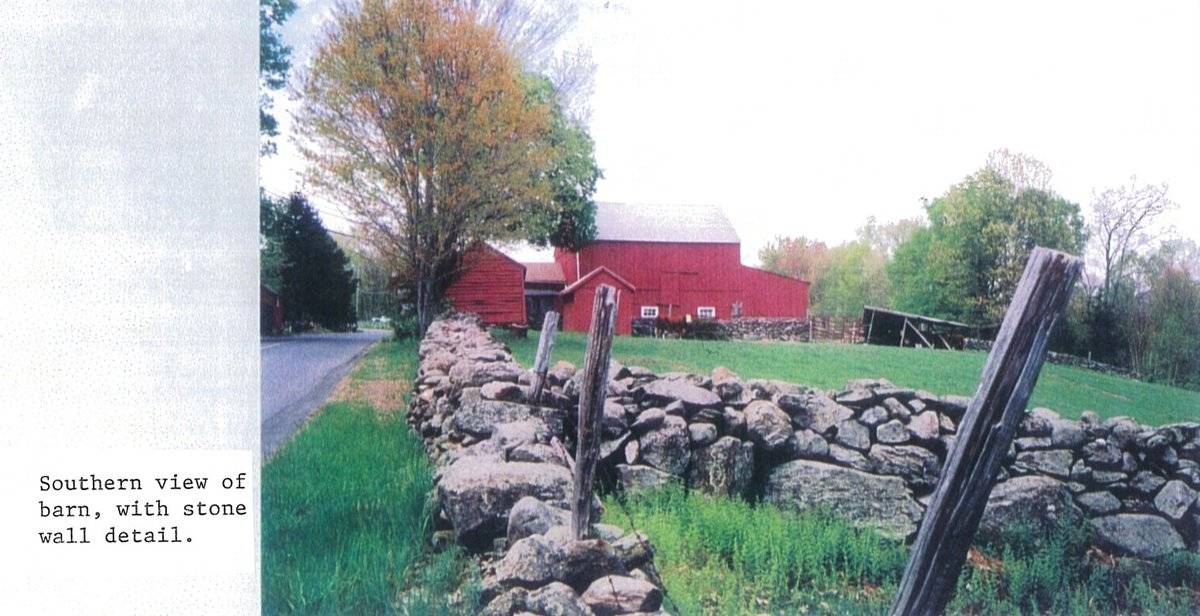
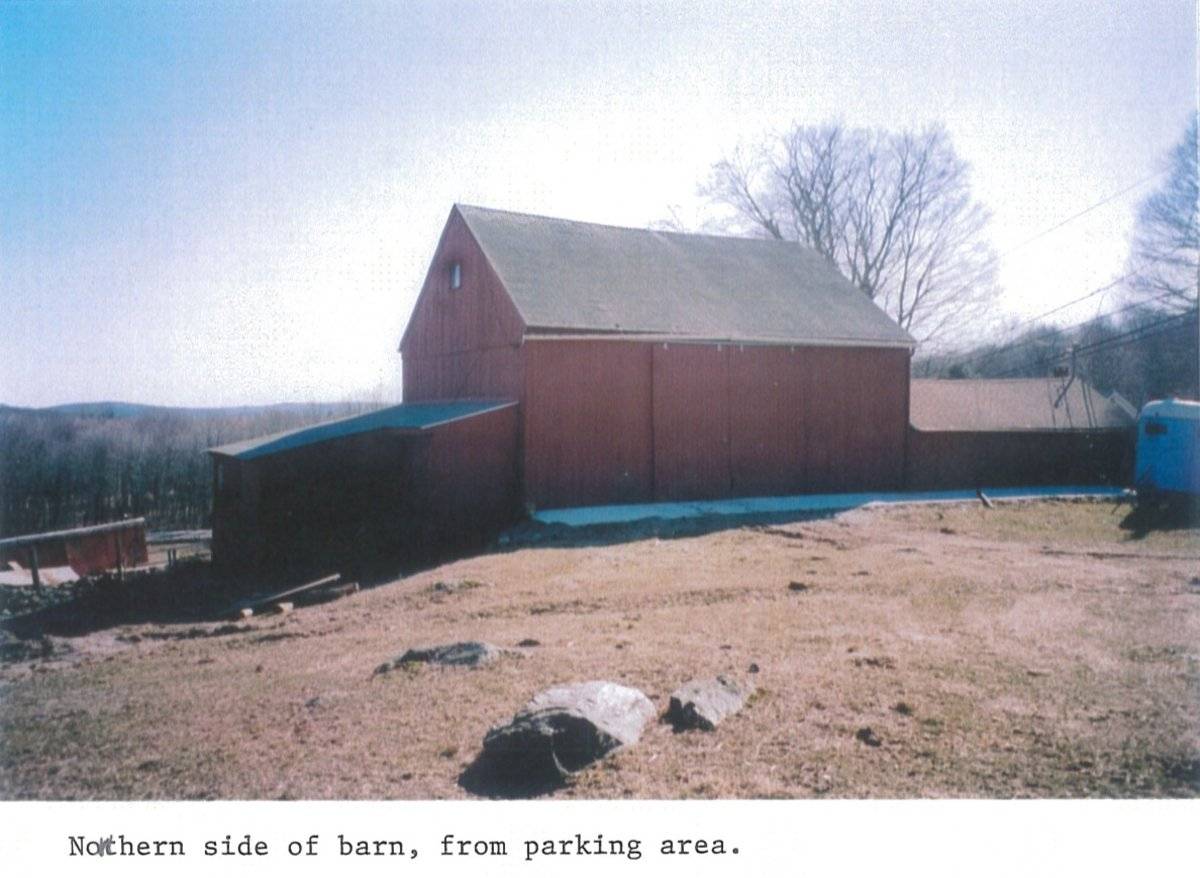
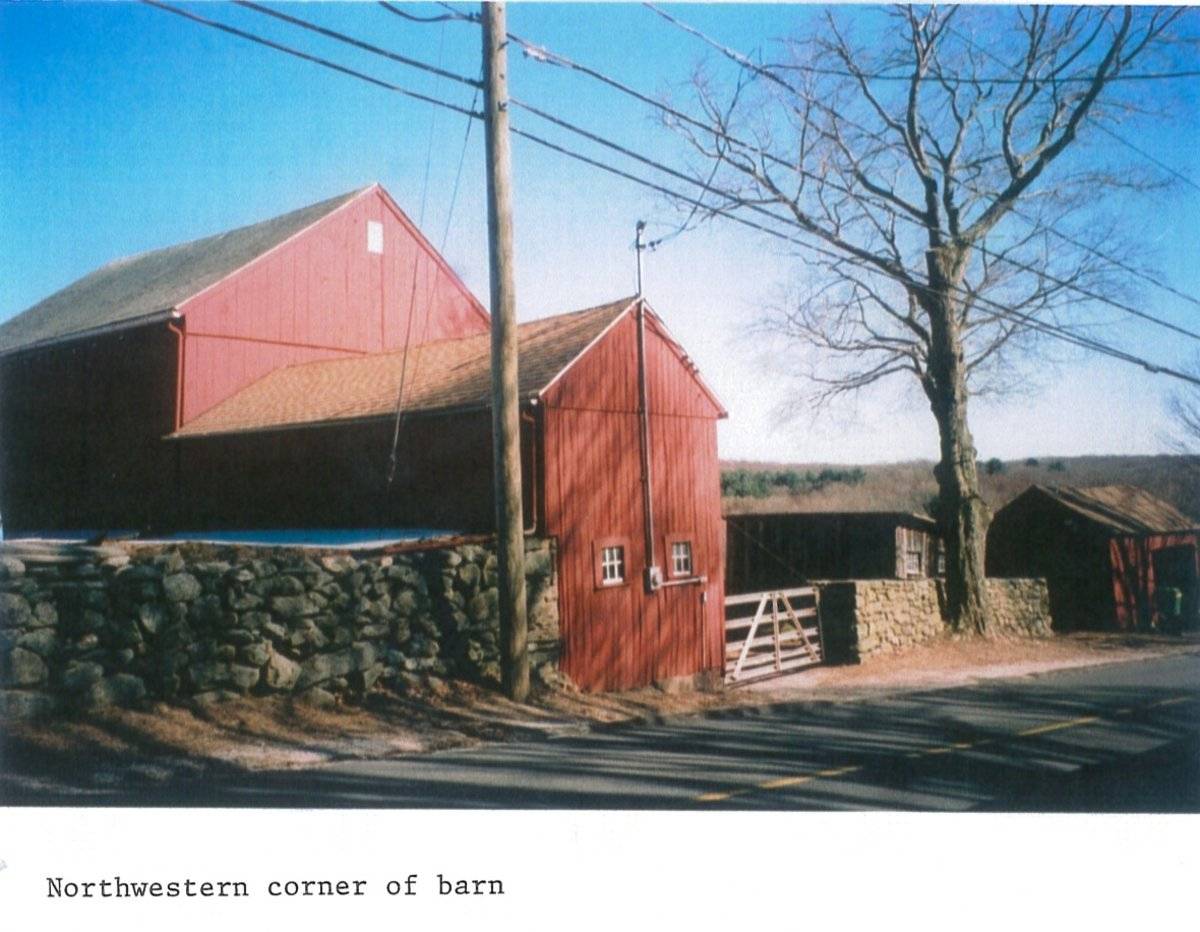
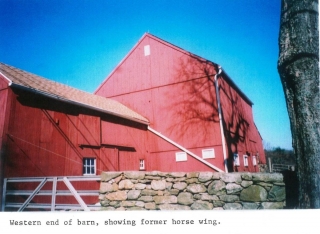
This is a 1 ½ story three-bayed eave-entry bank barn with its western gable-façade facing the West Purchase Road. The barn has a gable-roofed addition on its western gable-façade and a shed-roofed addition on its eastern gable-façade. The three-bayed northern eave-façade of the barn is the main façade with the main entrance on the middle bay through a pair of exterior-hung sliding doors. The main northern eave-façade is devoid of any other significant architectural feature. The eastern gable-façade of the barn is marked by a dropped grade level and has the L-shaped shed-roofed addition flush with the southern eave-facade. The gable attic of the eastern gable-façade is separated by a distinct dropped girt line and is punctuated by a single window just below the apex of the roof. This eave-façade of the barn has a distinct siding divide line separating the bank from the rest of the façade. The bank level is accessed by a two pass-through doors, one on the first bay and the other on the third bay from the west. The façade has three six-pane windows punctuating the three-bays at the bank level, one on each bay. An exterior-hung sliding hay door can be seen on the middle bay intersecting the first floor level. The western gable-façade of the main barn with the gable-roofed addition has a distinct dropped girt line with a louvered ventilator in the gable attic. The bank level is separated from the rest of the façade by a distinct siding divide line and is punctuated by two boarded windows painted white. The gable-roofed addition covers almost half of the western gable-façade of the main barn from the north and is accessed by a pair of exterior-hung sliding doors on its southern eave-façade. This was used as a former horse wing to the main barn.
The square-rule post & beam frame of the main barn has asphalt roofing and red painted vertical siding with a white trim.
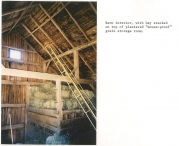
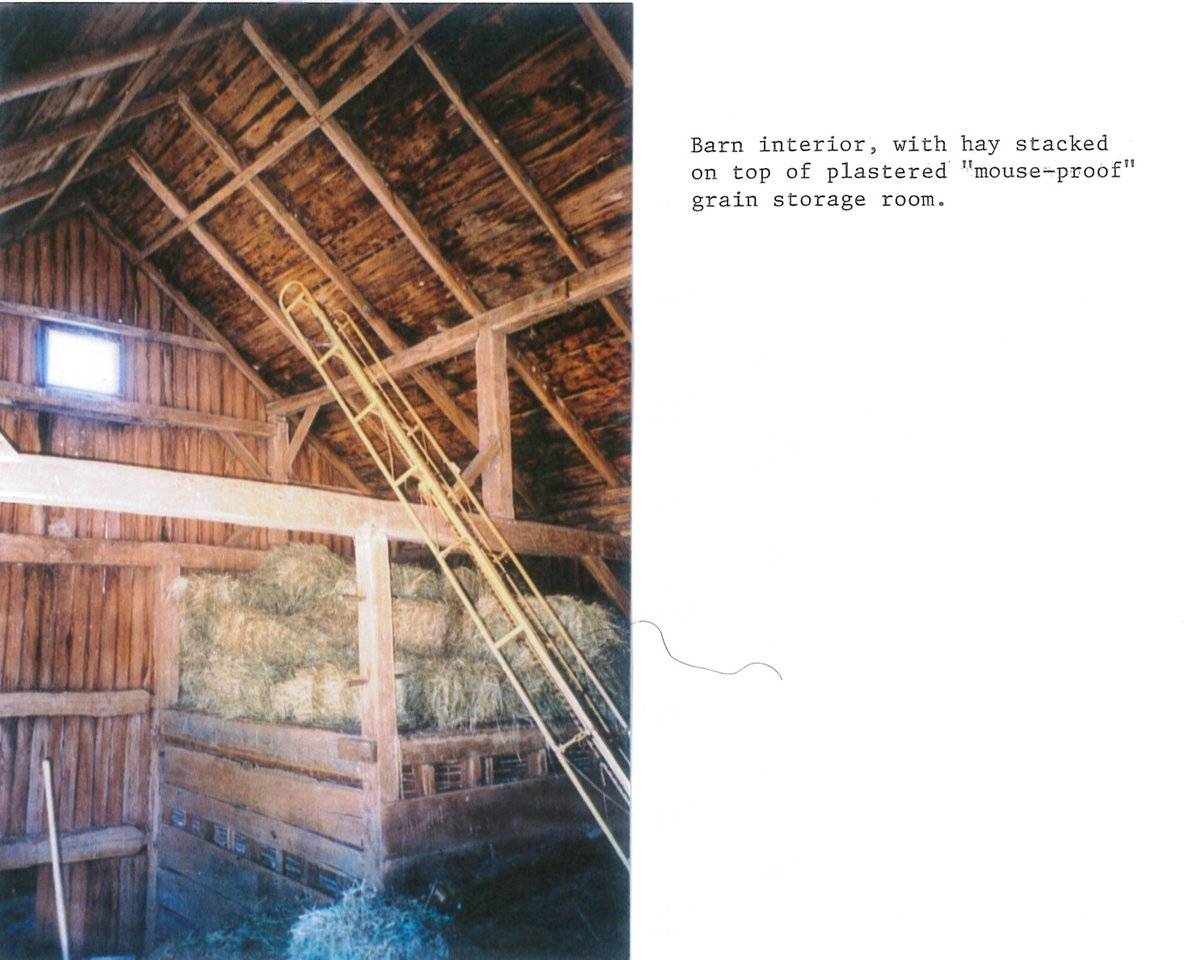
Historical Significance:The oldest barns still found in the state are called the “English Barn,” “side-entry barn,” “eave entry,” or a 30 x 40. They are simple buildings with rectangular plan, pitched gable roof, and a door or doors located on one or both of the eave sides of the building based on the grain warehouses of the English colonists’ homeland. The name “30 by 40” originates from its size (in feet), which was large enough for 1 family and could service about 100 acres. The multi-purpose use of the English barn is reflected by the building’s construction in three distinct bays - one for each use. The middle bay was used for threshing, which is separating the seed from the stalk in wheat and oat by beating the stalks with a flail. The flanking bays would be for animals and hay storage.
The 19th century saw the introduction of a basement under the barn to allow for the easy collection and storage of a winter’s worth of manure from the animals sheltered within the building. The bank barn is characterized by the location of its main floor above grade, either through building into a hillside or by raising the building on a foundation. This innovation, aided by the introduction of windows for light and ventilation, would eventually be joined by the introduction of space to shelter more animals under the main floor of the barn.
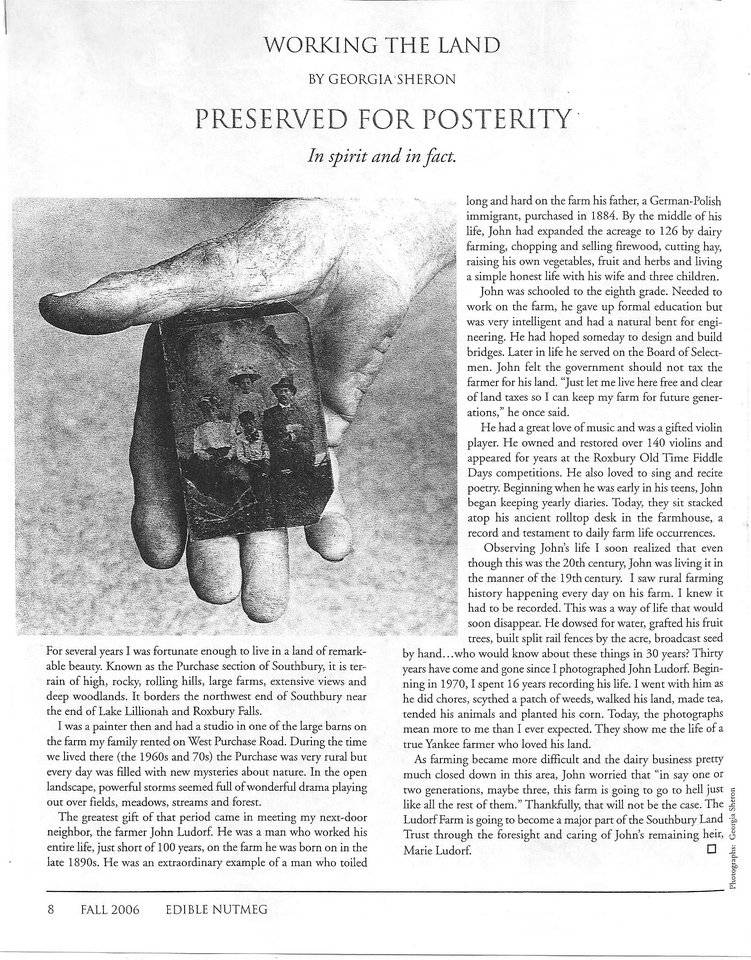
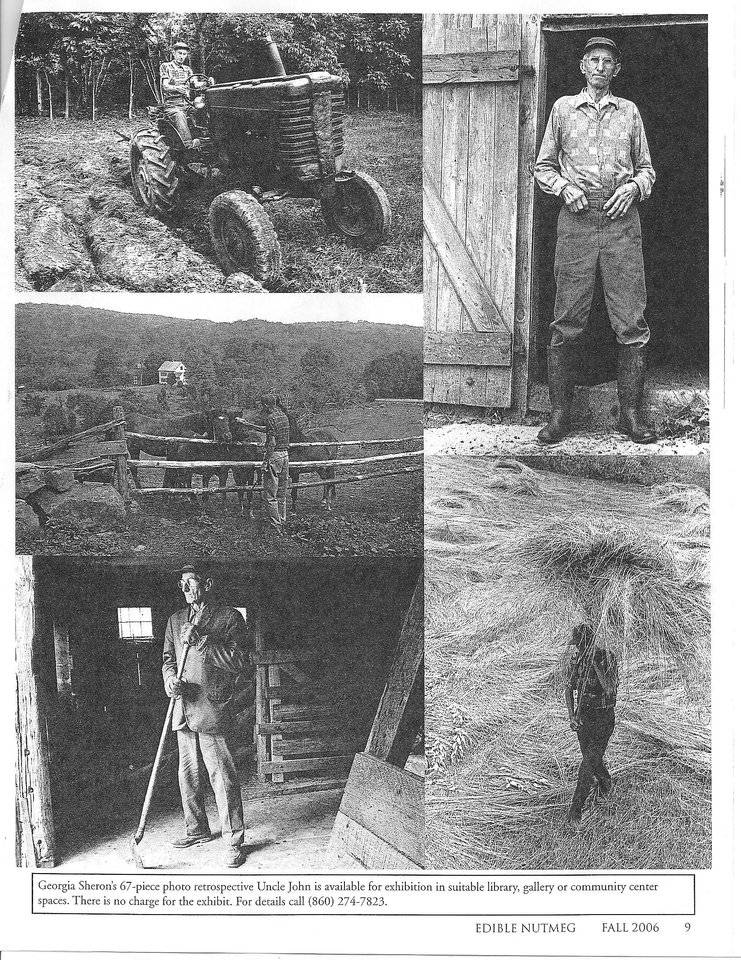
Among the town’s remaining historic family farms, Ludorf farm offers an especially good example of the multi-use practices that define the history of farming in Southbury. The Ludorf’s 84 acre former dairy farm has been continuously farmed since the late 1700s and has been in the same family for the last 120 years. In 1886, the farm was purchased by brothers Julius and Anson Ludorf, German immigrant farmers, from the Platt family. The Ludorf family brought the old Yankee farmstead back into production as a successful dairy and beef cattle farm. Historically, the land has been worked as managed hay-fields and for grazing. Some land was also used for apple orchard, tobacco and feed crops like hay and corn.
The farm also played a major role in the cultural phenomenon that influenced the rural landscape and History of the state of Connecticut- the influx of European immigrants starting in the mid 1800s.
Field Notes
2008 Barn Grant Recipient The Farm and the barn are listed on both the State Register of Historic Places in 2006 and the Southbury Historic Places Inventory in 1991. Southbury Land Trust, Inc., in partnership with the Southbury Historical Society, is working with the Landowner to preserve the 84 acre Ludorf Farm. As part of this conservation effort, the owner plans to donate the family barn and the related outbuildings to the Southbury Historical Society to be re-used as a farm heritage museum.
- Use & Accessibility
- Environment
Related features
Environment features
Relationship to surroundings
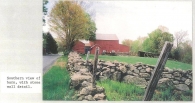
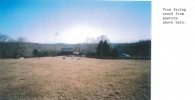
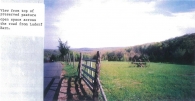
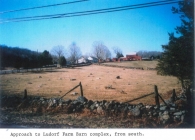
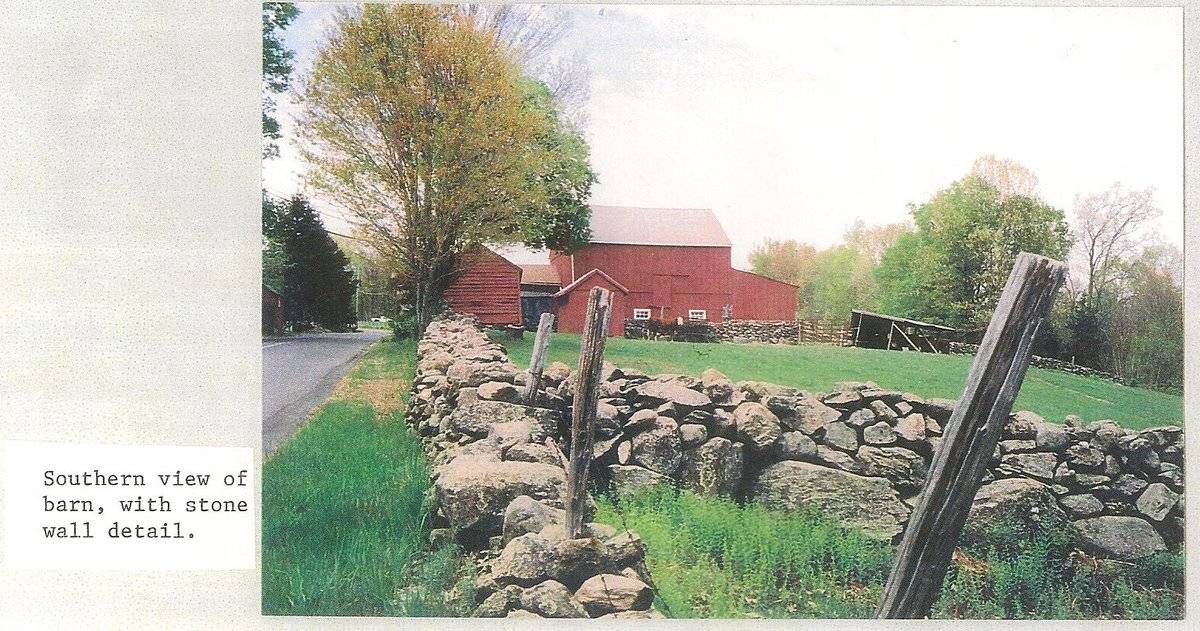
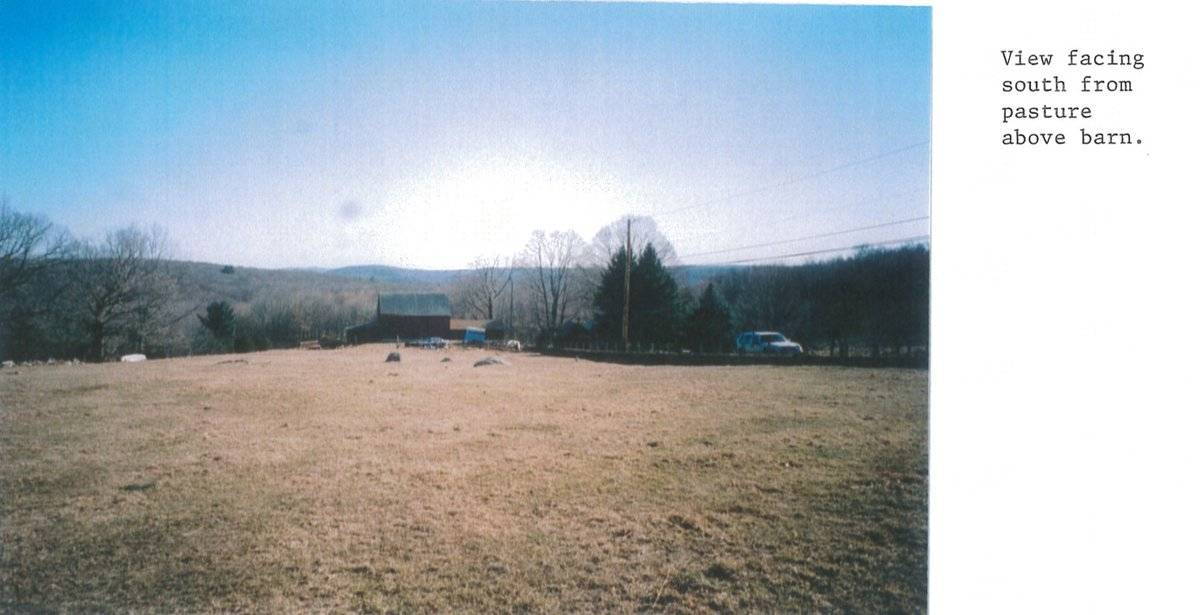
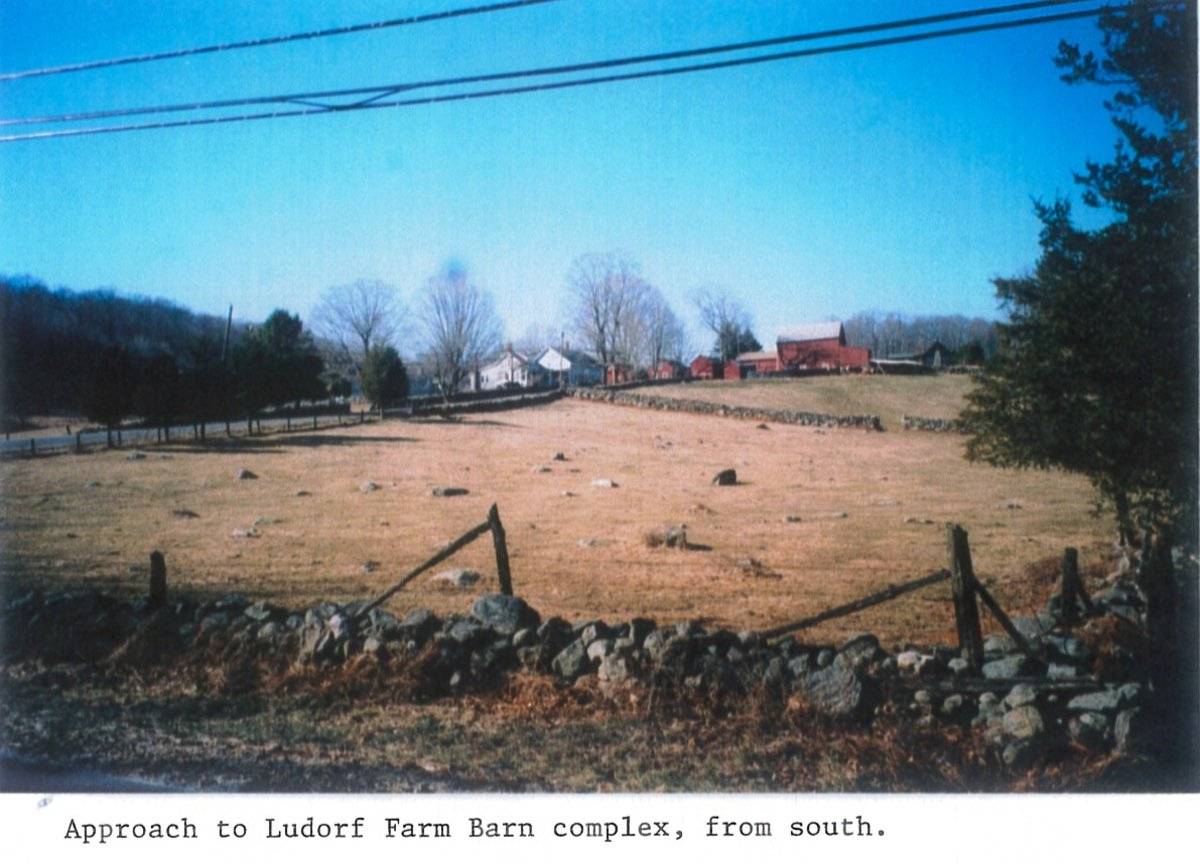
Widely recognized as one of the area’s most scenic historic farm properties, ca 1800 Ludorf is highly visible and contributes significantly to the surrounding region’s rural character. The barn along with the Ludorf Farm’s sweeping landscape, old stone walls and well-preserved contributing out-buildings form a cohesive entity that illustrates at least two centuries of agrarian practice.
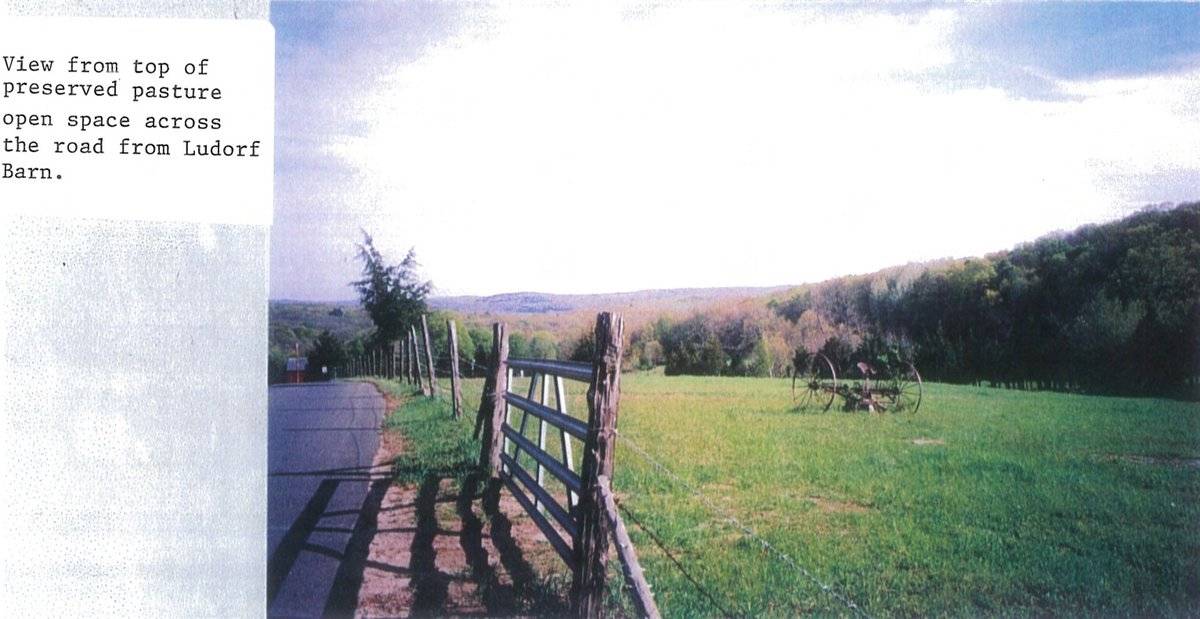
Ludorf Farm provides a critical link in an emerging corridor of preserved open space and agricultural properties that connects over 2000 acres of working farmland and forest in the still-rural ‘Purchase’ section of Southbury. The Farm and the barn are listed on both the State Register of Historic Places in 2006 and the Southbury Historic Places Inventory in 1991. It is an integral component of a rare agricultural cluster encompassing at least five other historic 18th and 19th century farms within a one-mile radius of the barn.
The Ludorf barnyard is situated just adjacent to a 188 acre Nature Preserve.
- Typology & Materials
-
Building Typology
Materials
Structural System
Roof materials
Roof type
Approximate Dimensions
n/a
- Source
-
Date Compiled
06/20/2010
Compiled By
T. Levine and M. Patnaik, reviewed by CT Trust
Sources
Photographs and information provided by – Marie Ludorf and Anne Colby
2008 Barns Grant application
Additional Information provided by R Hallock Svensk
Kremidas, Lori Jean, Histiography; The History of South Windsor Connecticut- Settlement to Incorporation 1634-1845, 1981.
Sexton, James, PhD; Survey Narrative of the Connecticut Barn, Connecticut Trust for Historic Preservation, Hamden, CT, 2005, http://www.connecticutbarns.org/history.
Visser, Thomas D.,Field Guide to New England Barns and Farm Buildings, University Press of New England, 1997.
- PhotosClick on image to view full file
-