Barn Record Canton
RETURN TO ‘FIND BARNS’- Building Name (Common)
- n/a
- Building Name (Historic)
- n/a
- Address
- 50 Sunset Terrace, Canton
- Typology

- Overview
-
Designations
Historic Significance
Architectural Description:
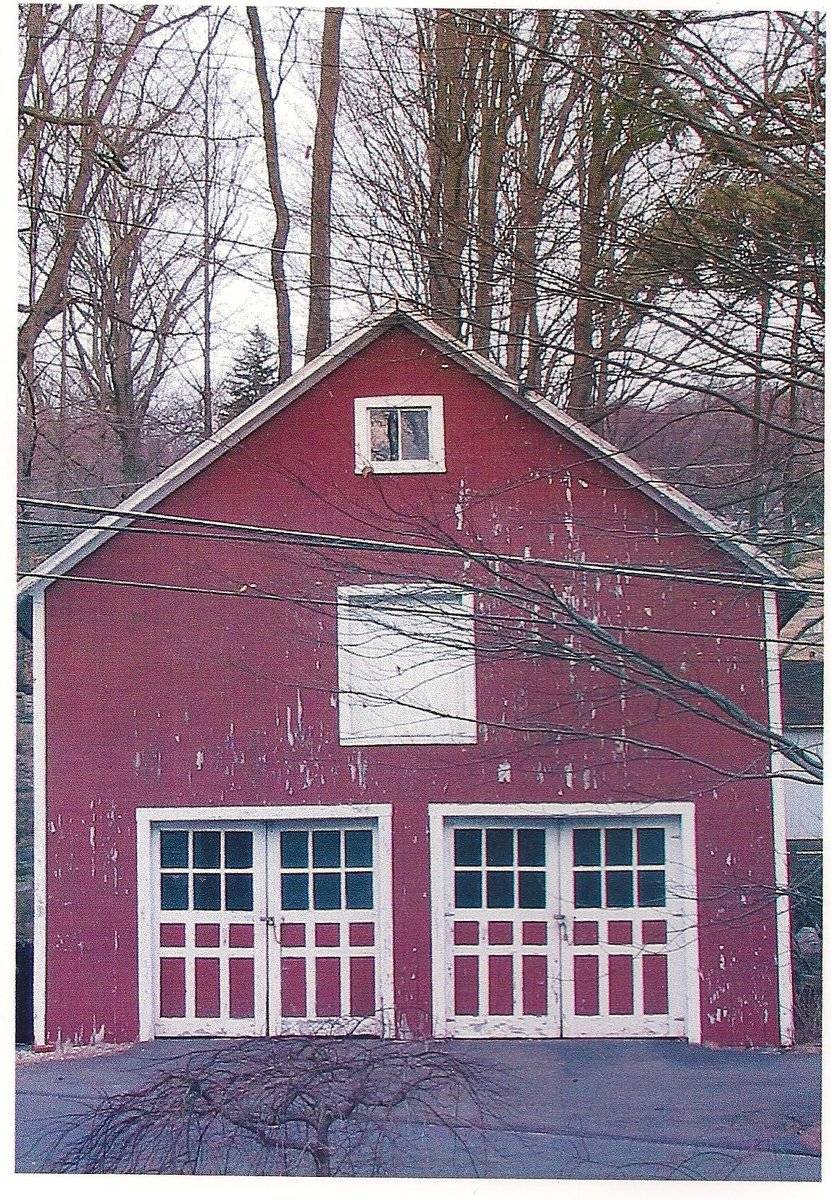
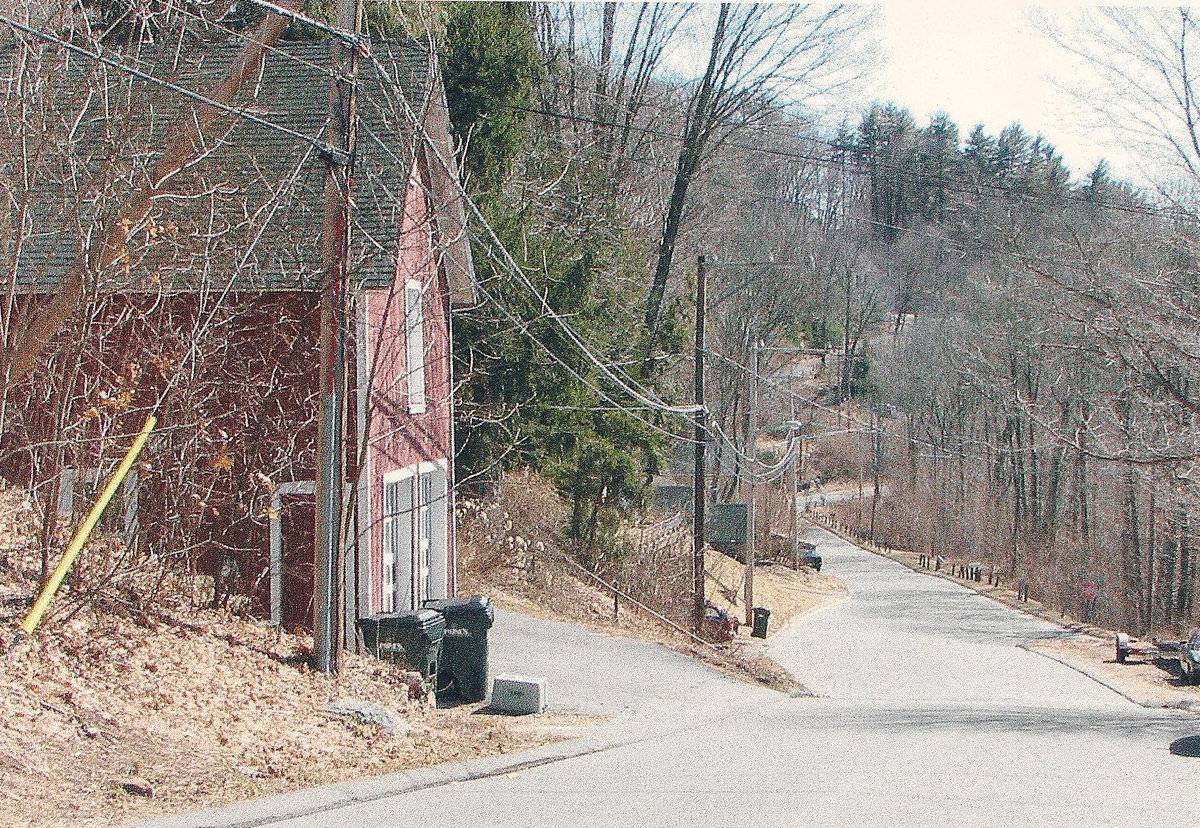
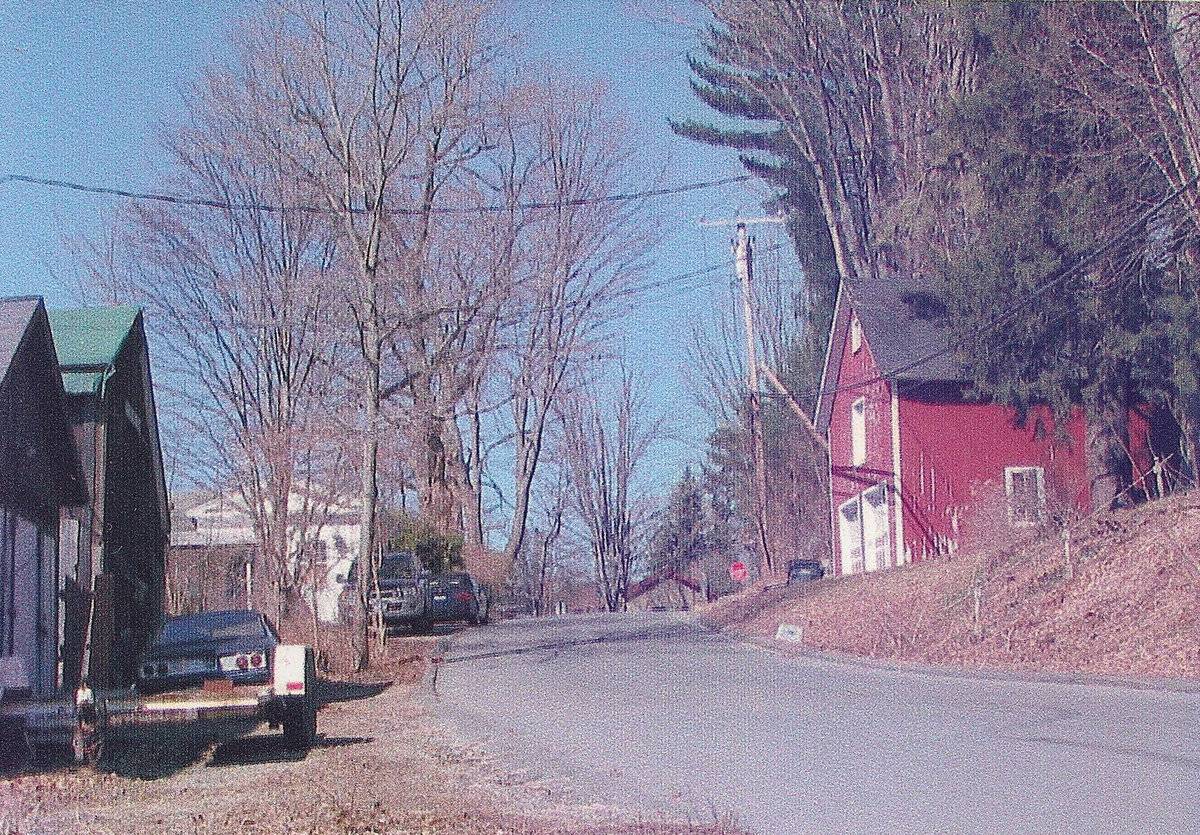
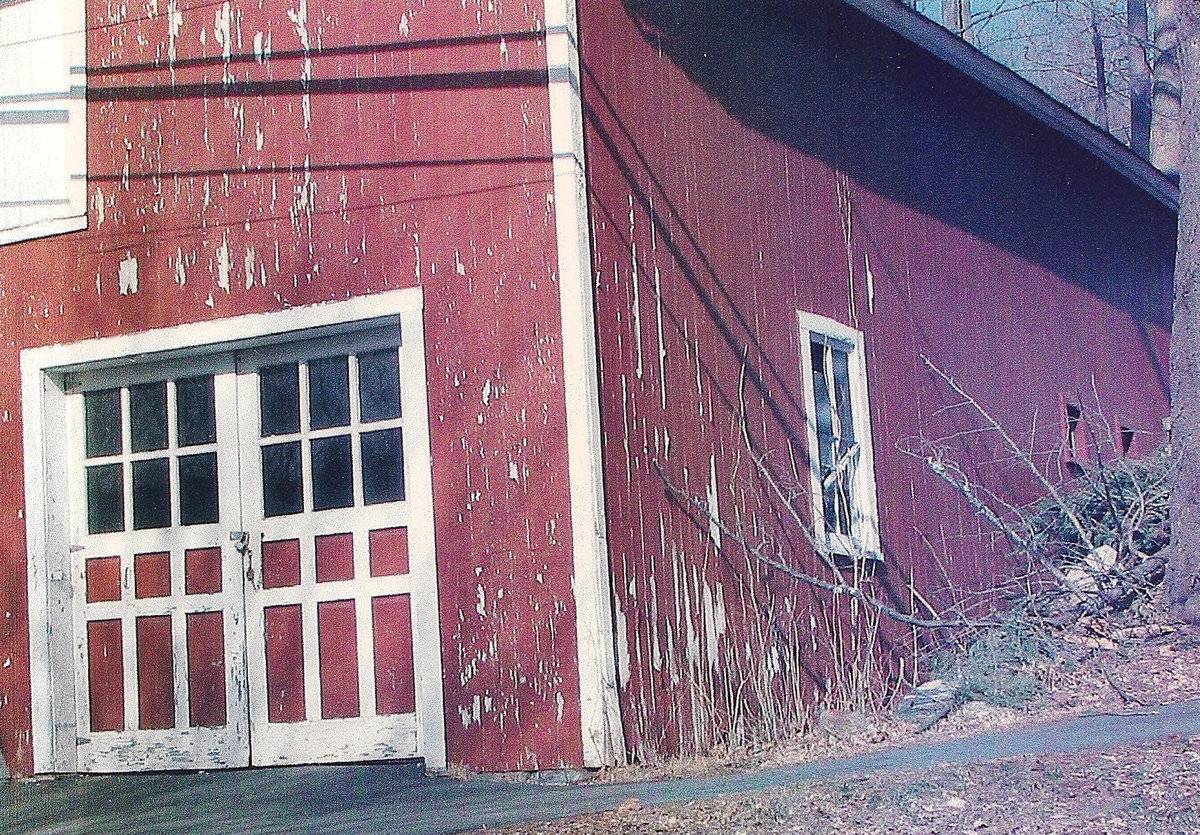
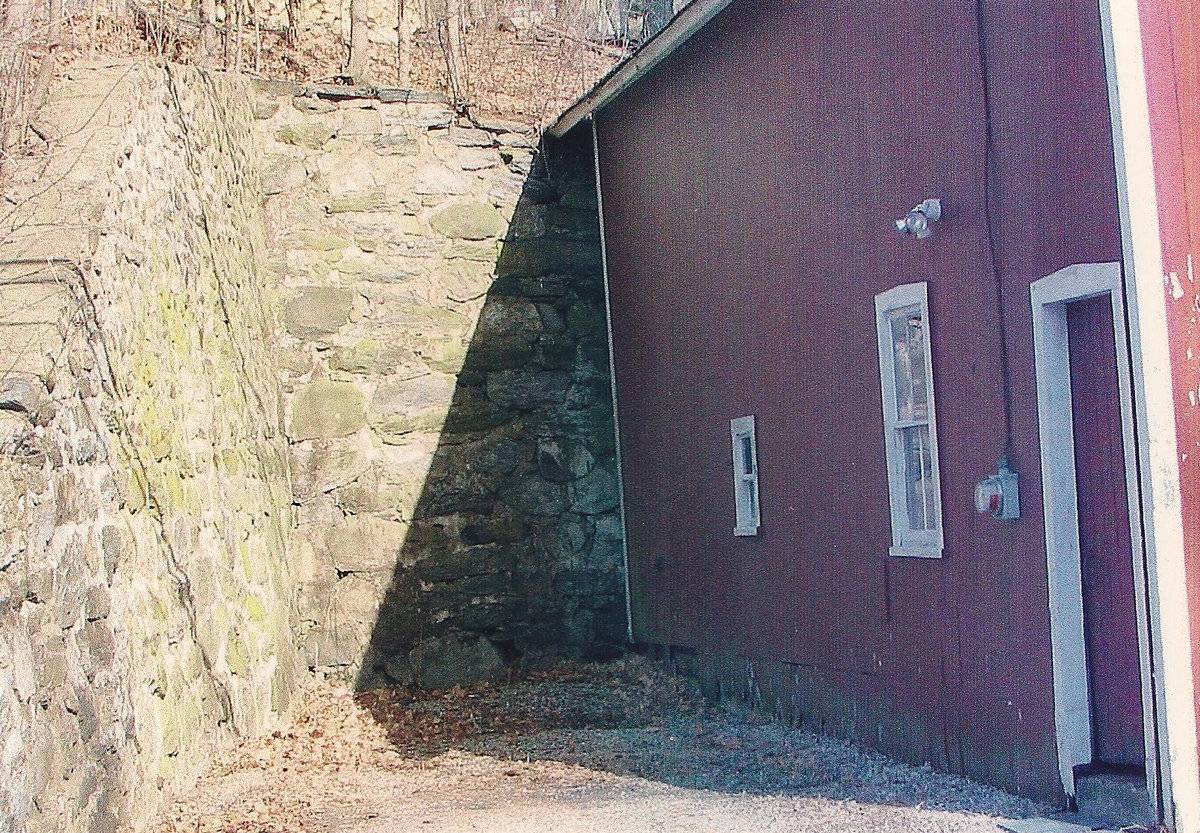
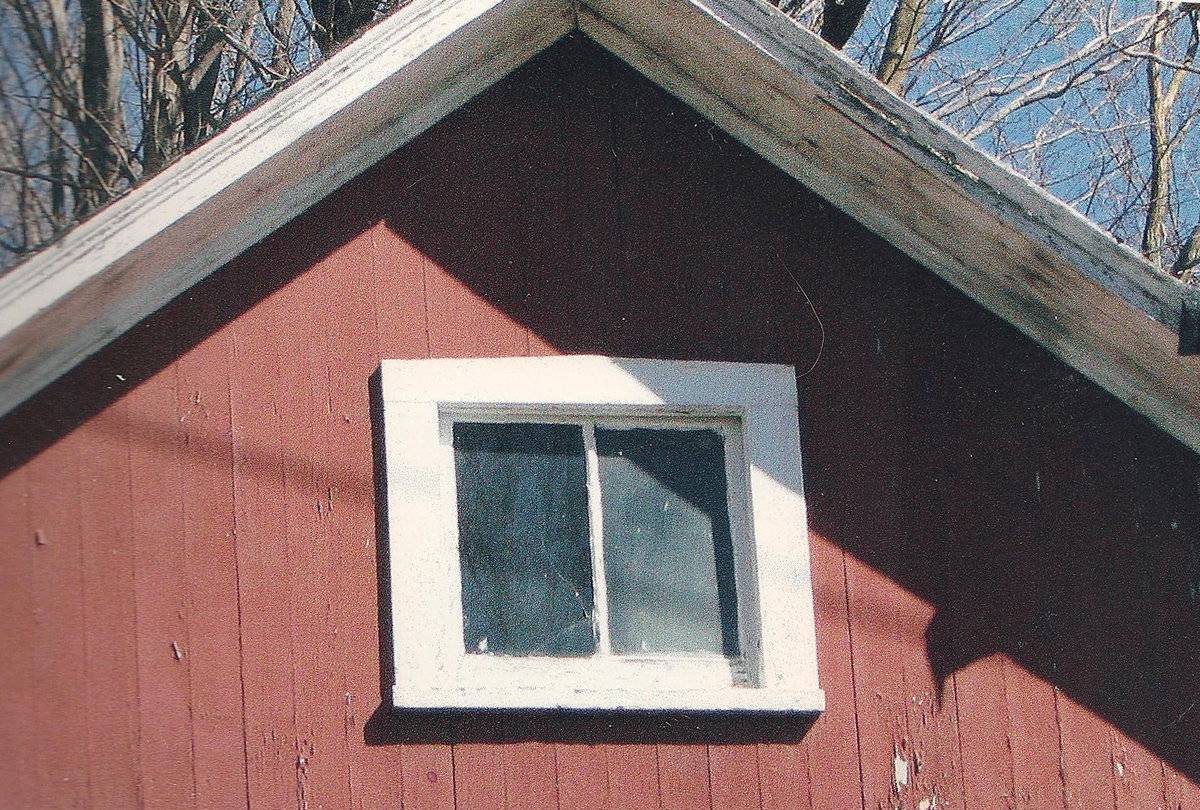
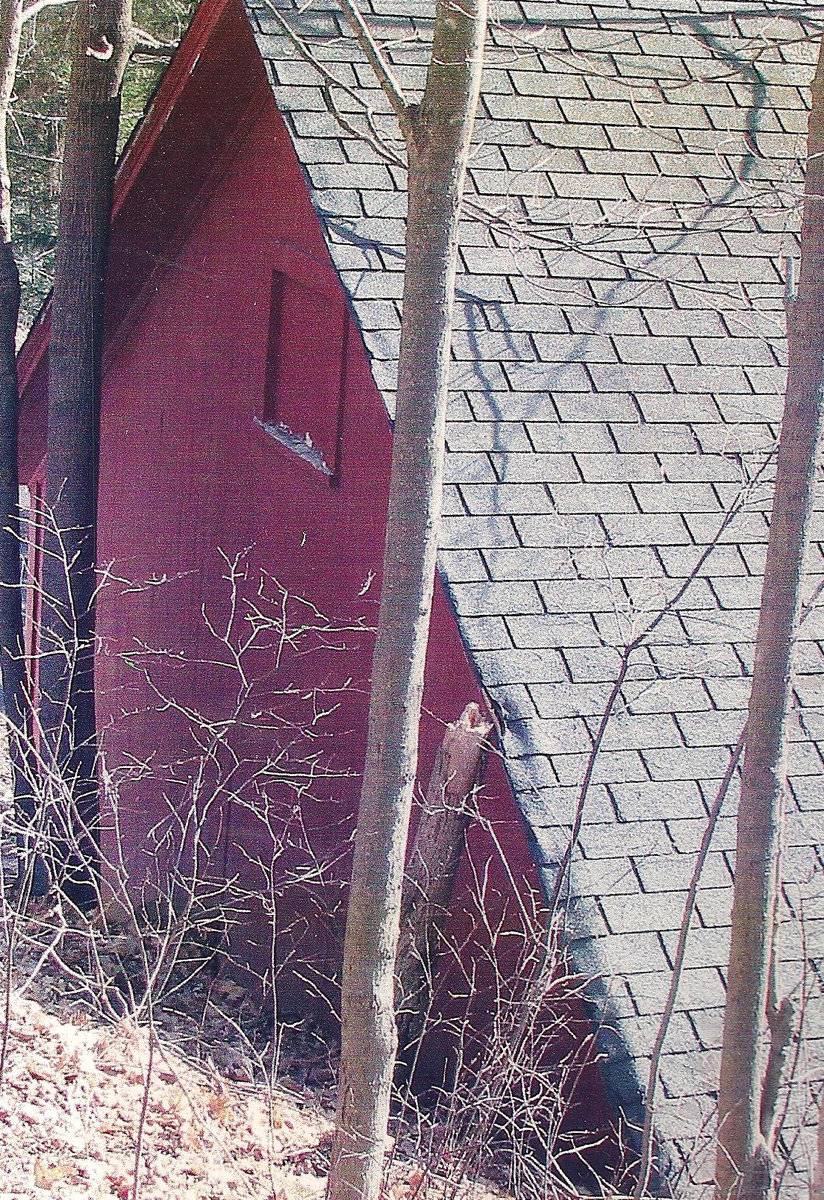
This is a 2 1/2 story gable-entry barn. The main facade of the barn is the southern-gable side facing the Sunset Terrace Road with a two storied retaining wall flanking the barn along its northern-gable façade. The main southern-gable façade is symmetrical along the central axis through its apex and has the main entrance through a pair of double-leaf hinged paneled doors opening inside. Each leaf of the two main doors has six-panes mounted above six-panels. A single leaf hay door painted white is centered above the two main doors at the second floor level with a two-pane skylight in the gable attic. The eastern eave-façade is marked by rising grade level towards north and is punctuated by a pair of double-hung sliding window towards its southern corner and two square windows towards its northern corner. The northern gable-façade is completely blocked by the two-story high retaining wall with its gable attic rising beyond it. A single boarded window can be seen on the façade just below the apex of the roof. The western eave-façade of the barn has a stepped retaining wall running parallel to it that intersects the two storied retaining wall to form a right-angled corner at the north-west . This façade is punctuated by two double-hung sliding windows and a single pass-through door towards its southern edge.
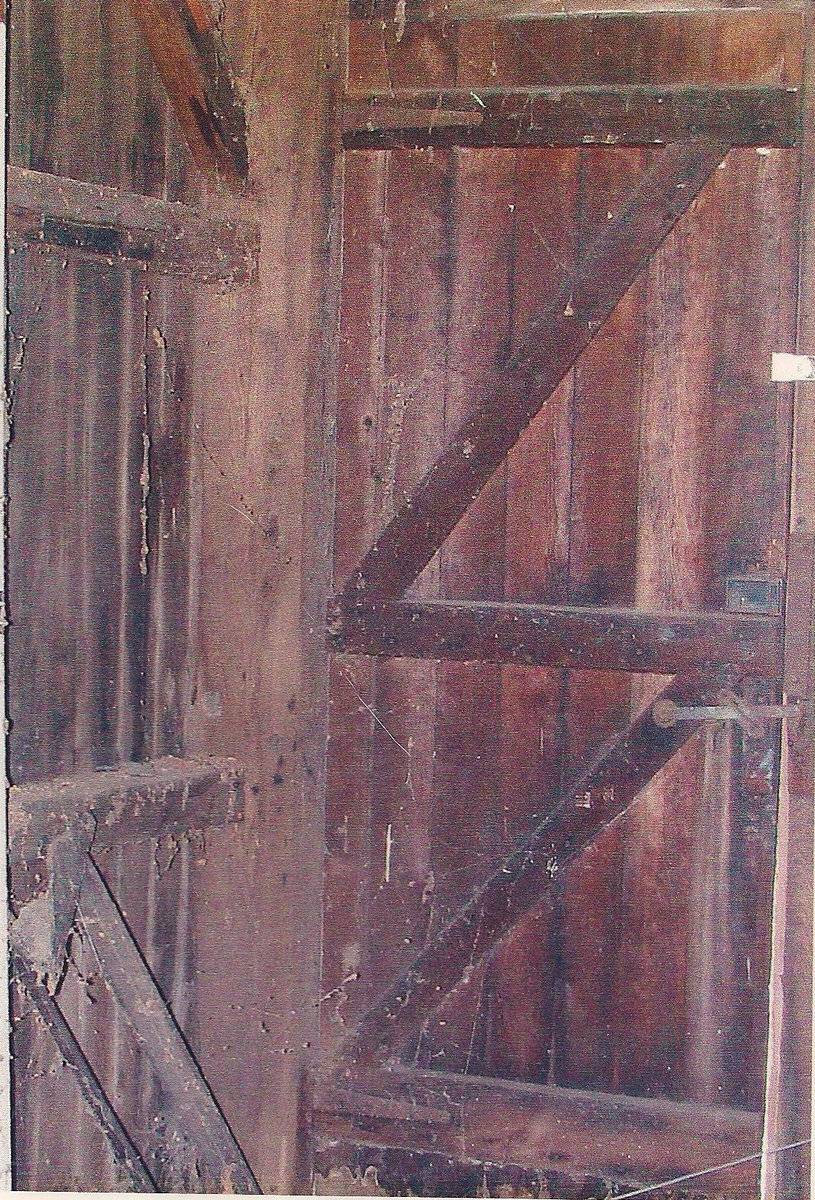
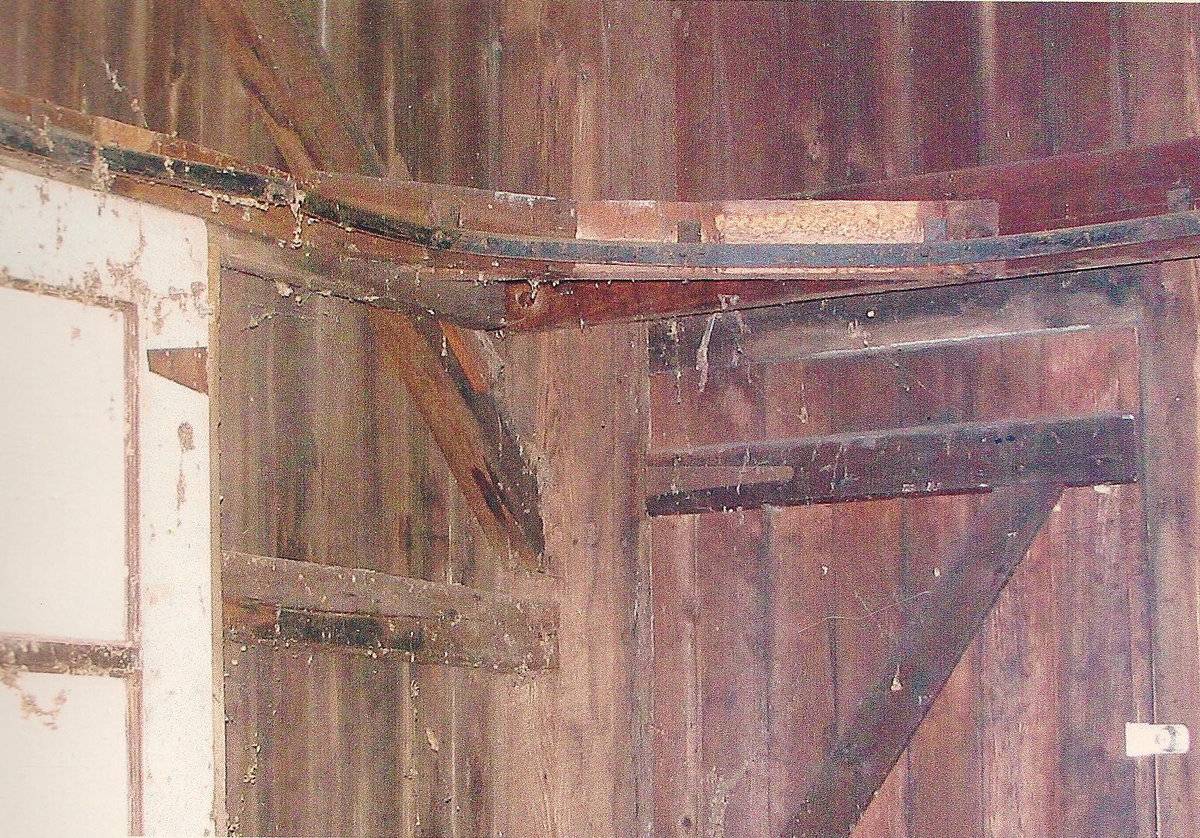
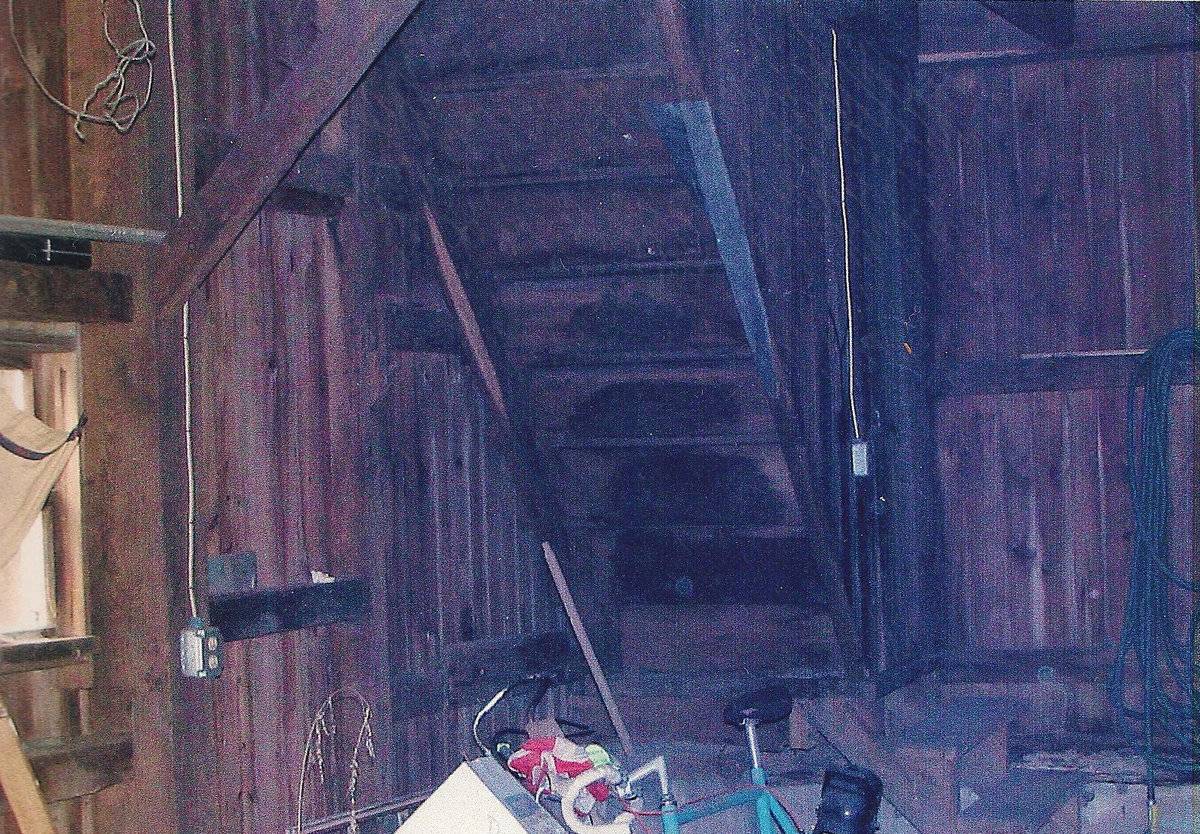
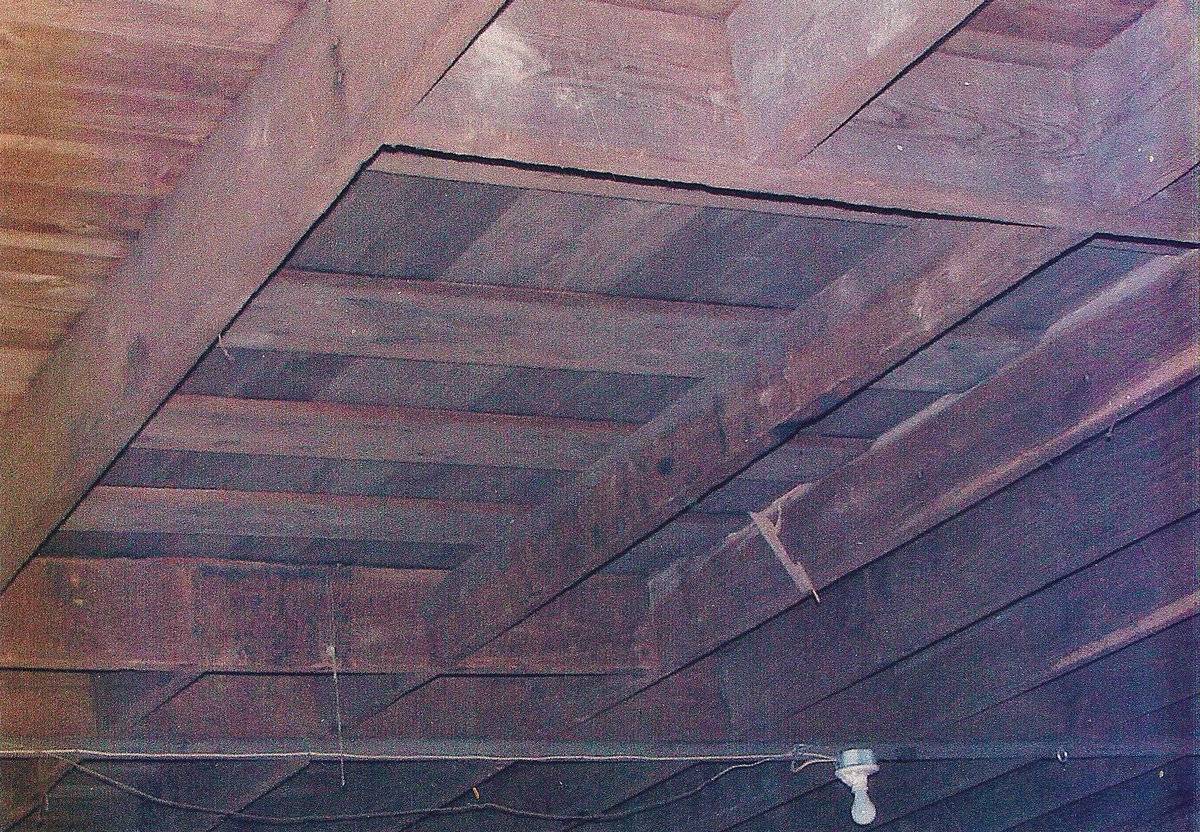
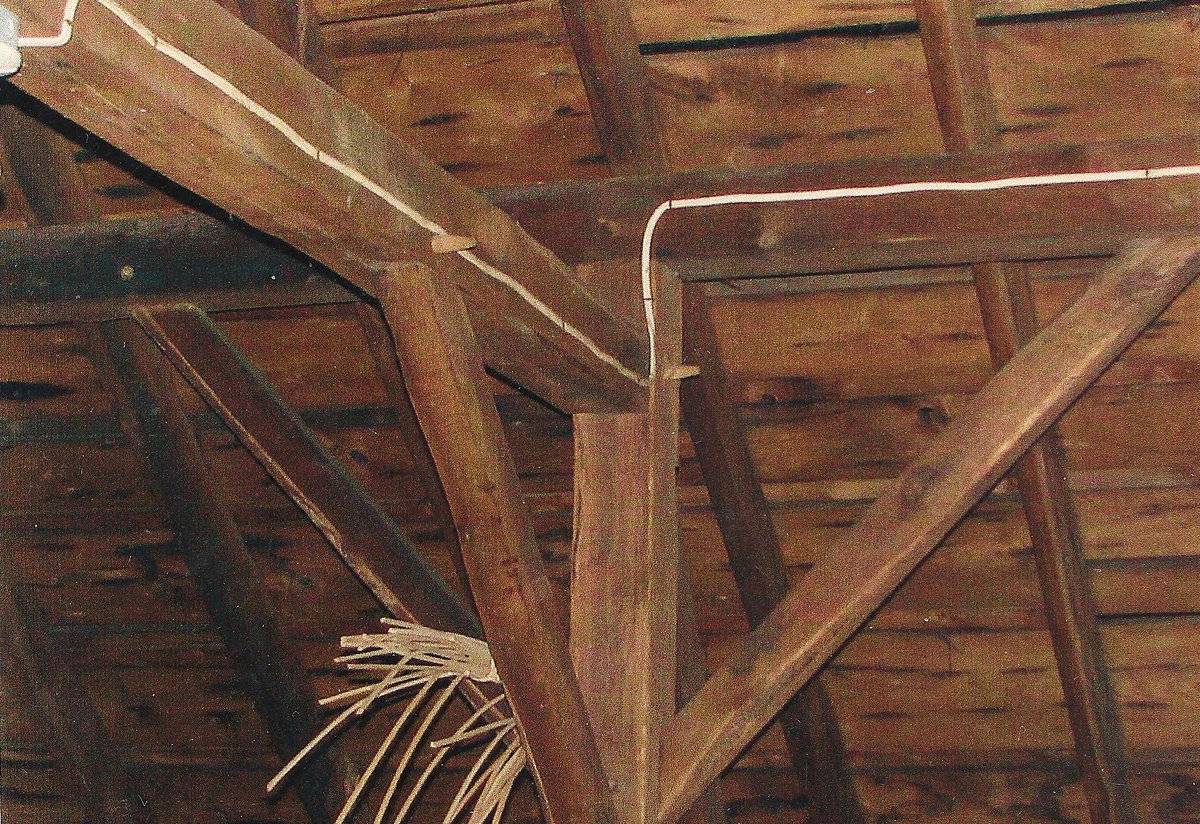
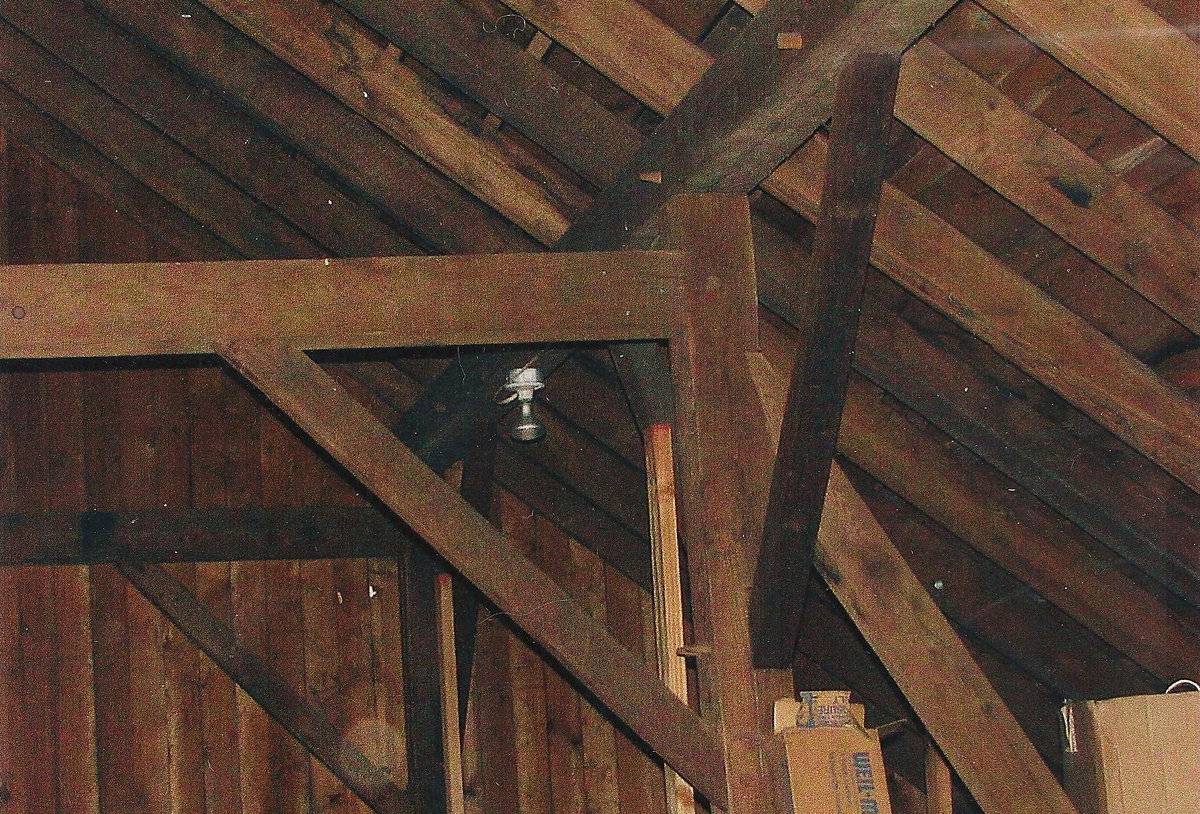
The post and beam frame of the barn has asphalt roofing and red painted vertical siding with the trim of the roof and all frames are painted white.
Historical Significance:The oldest barns still found in the state are called the “English Barn,” “side-entry barn,” “eave entry,” or a 30 x 40. They are simple buildings with rectangular plan, pitched gable roof, and a door or doors located on one or both of the “eave” sides of the building based on the grain warehouses of the English colonists’ homeland. The New England barn or gable front barn was the successor to the English barn and relies on a gable entry rather than an entry under the eaves. The gable front offers many practical advantages. Roofs drain off the side, rather than flooding the dooryard. Although it was seen by many as an improvement over the earlier side entry English Barn, the New England barn did not replace its predecessor but rather coexisted with it. It this case, both an eave entry and a gable entry are used.
The barn is said to be built in 1870 by the Collins Company whose owner, Sam Collins had founded the village of Collinsville. For nearly a century, this barn had played an integral part of the economic viability and productivity that sustained the area. The barn was historically used to store lumber used by the Collins Company, the edge tool manufacturer that built the village of Collinsville.
Field Notes
2008 Barn Grant Recepient.
- Use & Accessibility
- Environment
Related features
Environment features
Relationship to surroundings
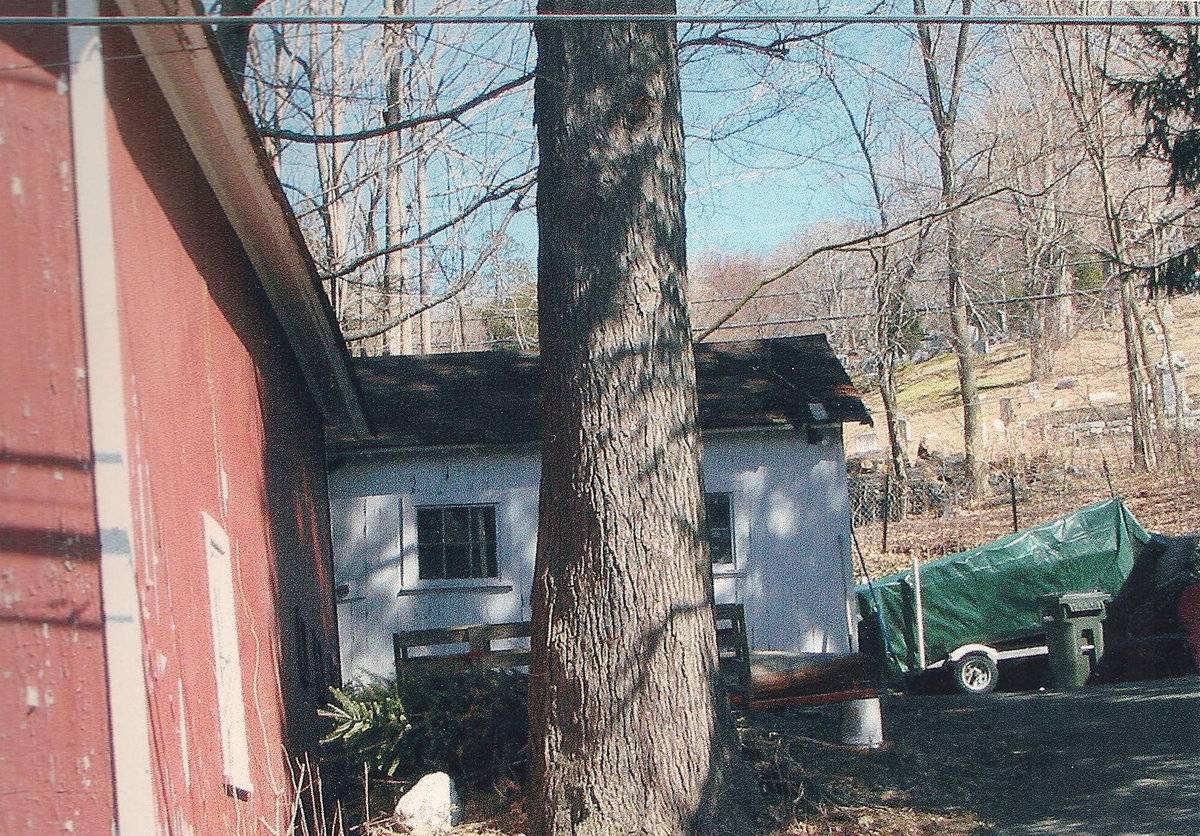
The barn precincts include the original 1870 farm house and a second barn towards its north-east.
- Typology & Materials
-
Building Typology
Materials
Structural System
Roof materials
Roof type
Approximate Dimensions
25 ft x 35 ft
- Source
-
Date Compiled
06/14/2010
Compiled By
T. Levine and M. Patnaik, reviewed by CT Trust
Sources
Photographs and information provided by - Sylvia Cancela, 2008 Barns Grant application
Paine, Carole Anstress, Collinsville Historic District National Register Nomination No. 76001994, National Park Service, 1976.
Sexton, James, PhD; Survey Narrative of the Connecticut Barn, Connecticut Trust for Historic Preservation, Hamden, CT, 2005, http://www.connecticutbarns.org/history.
Visser, Thomas D.,Field Guide to New England Barns and Farm Buildings, University Press of New England, 1997.
- PhotosClick on image to view full file