Barn Record Canton
RETURN TO ‘FIND BARNS’- Building Name (Common)
- Barn at Werner's Woods
- Building Name (Historic)
- Barn at Werner's Woods
- Address
- 65 Bahre Corner Road, Canton
- Typology

- Overview
-
Designations
Historic Significance
Architectural Description:
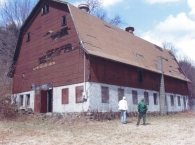
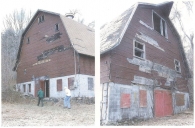
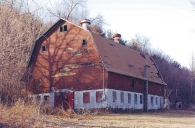
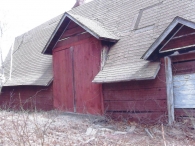
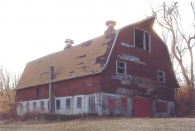
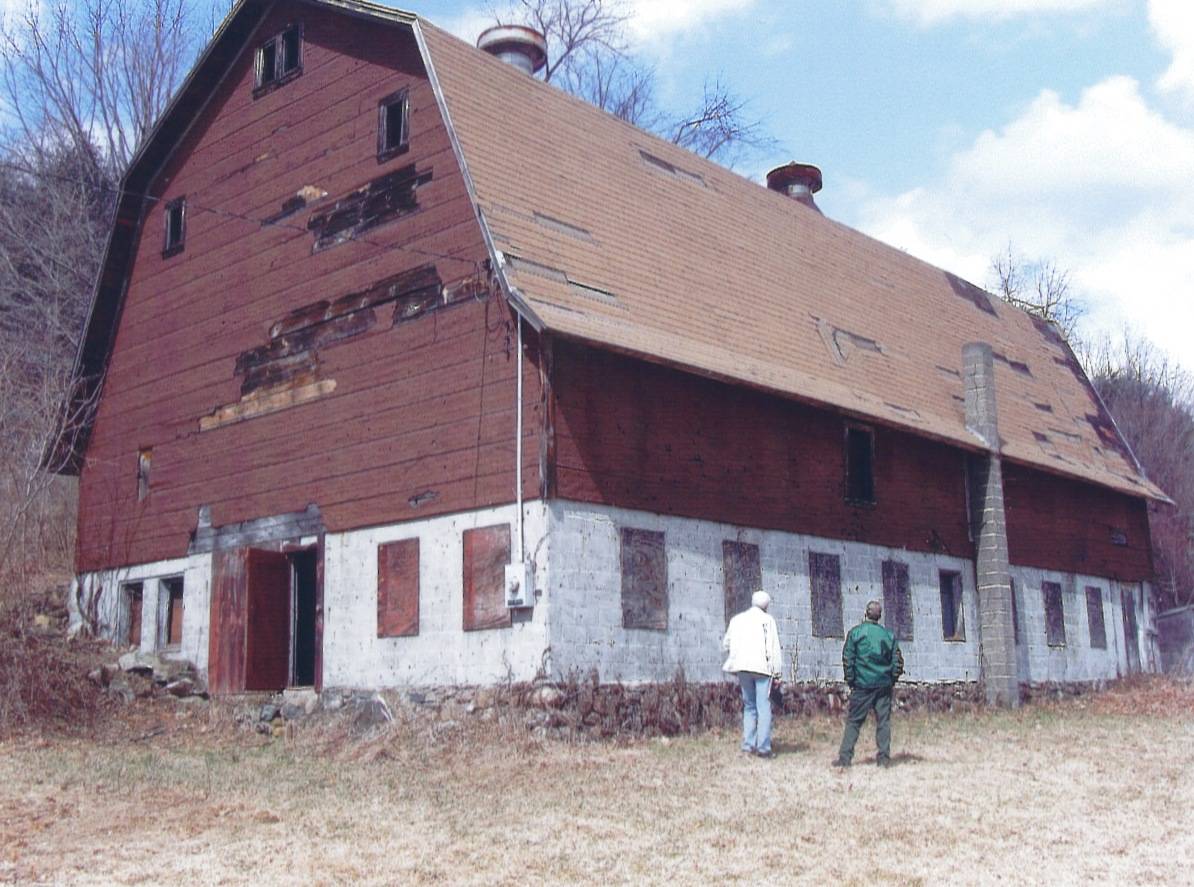
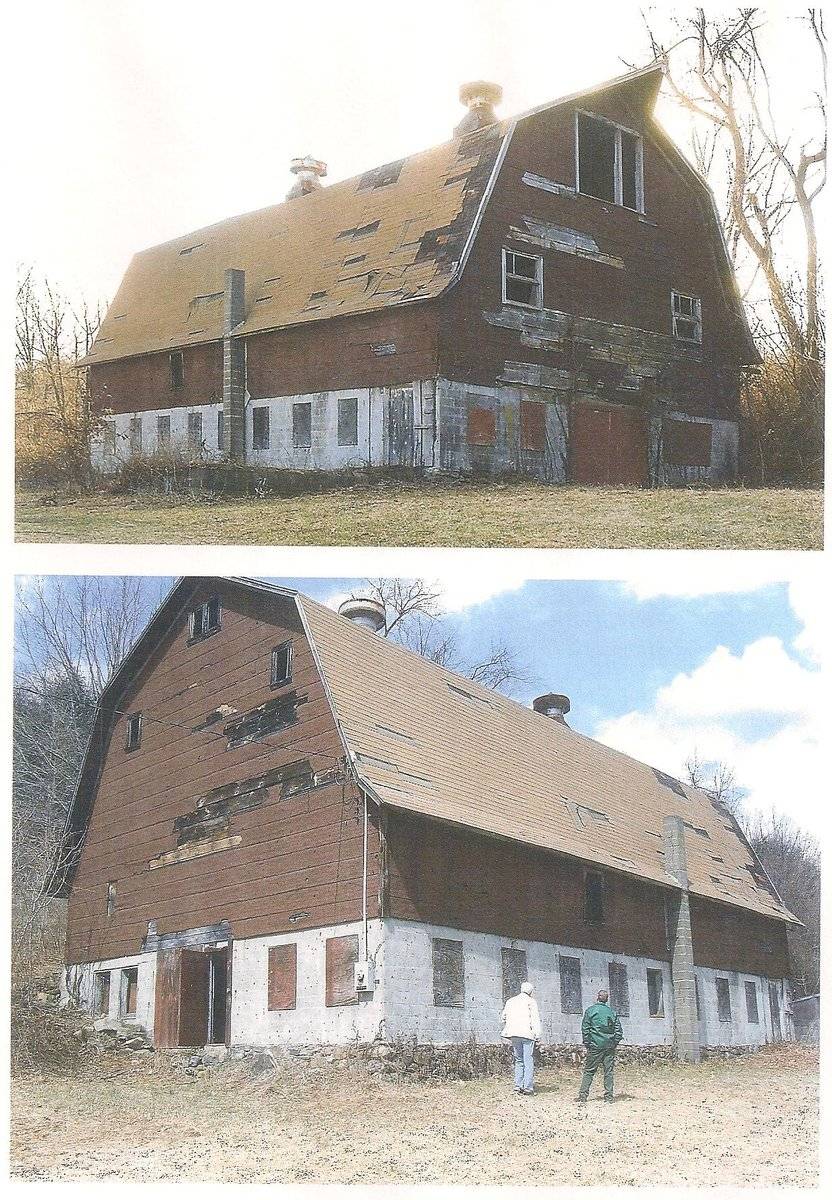
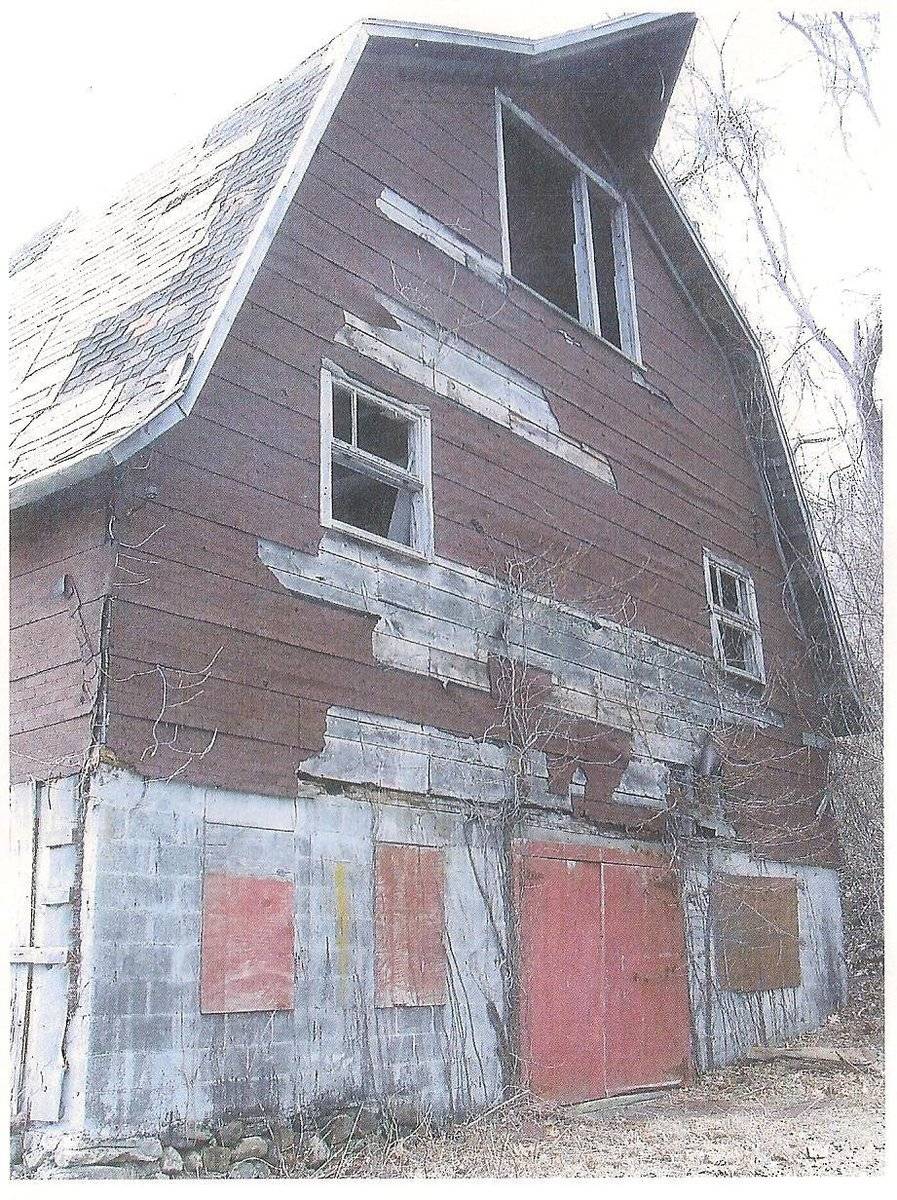
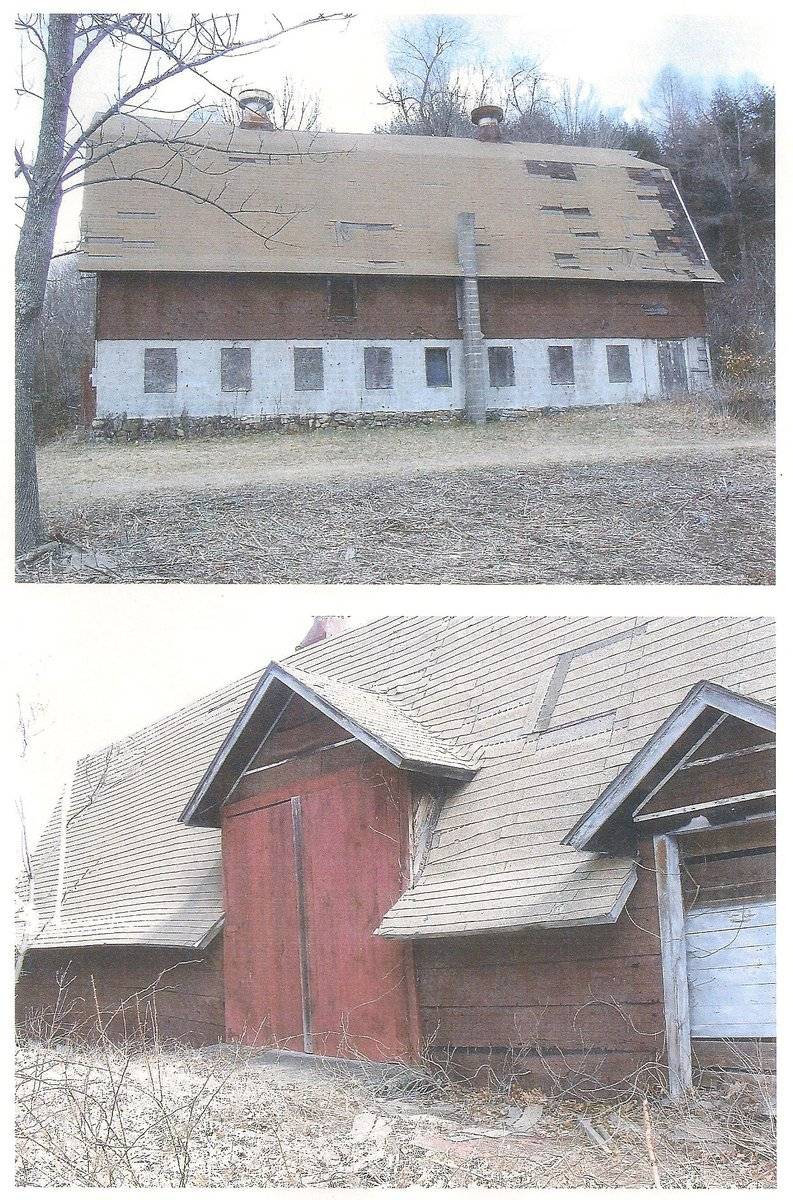
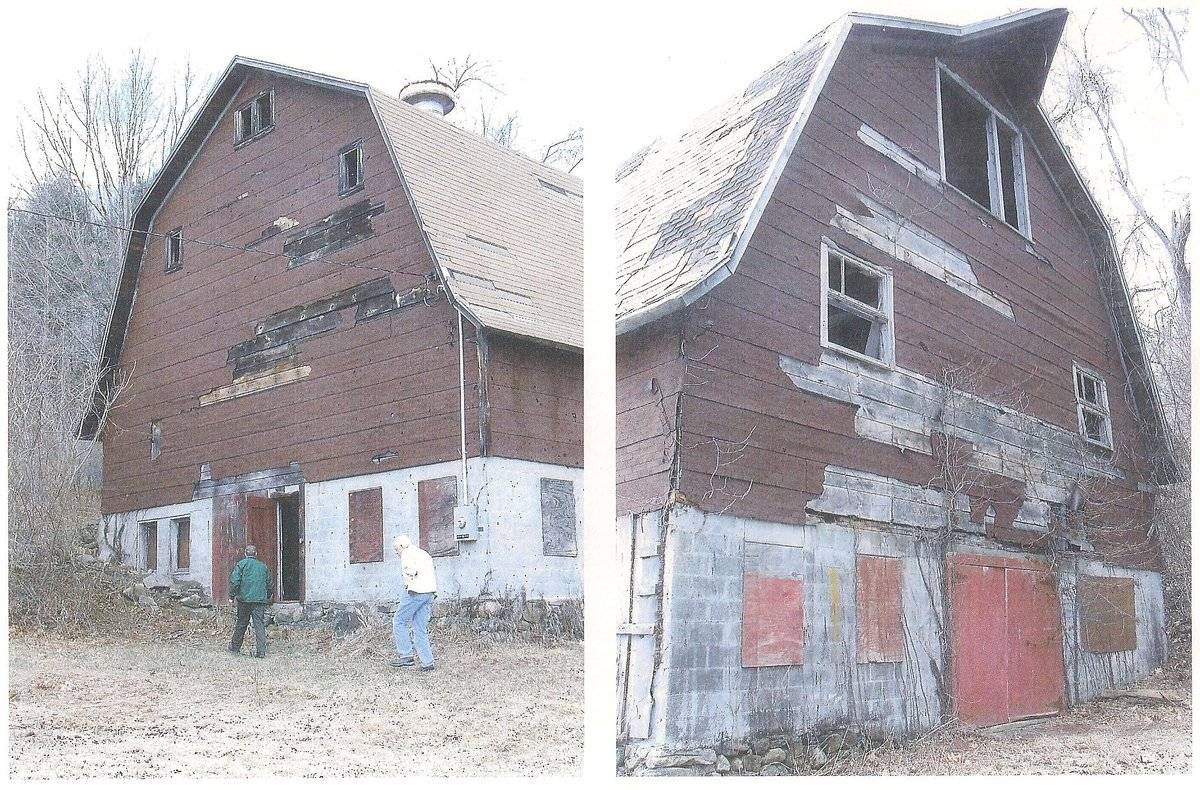
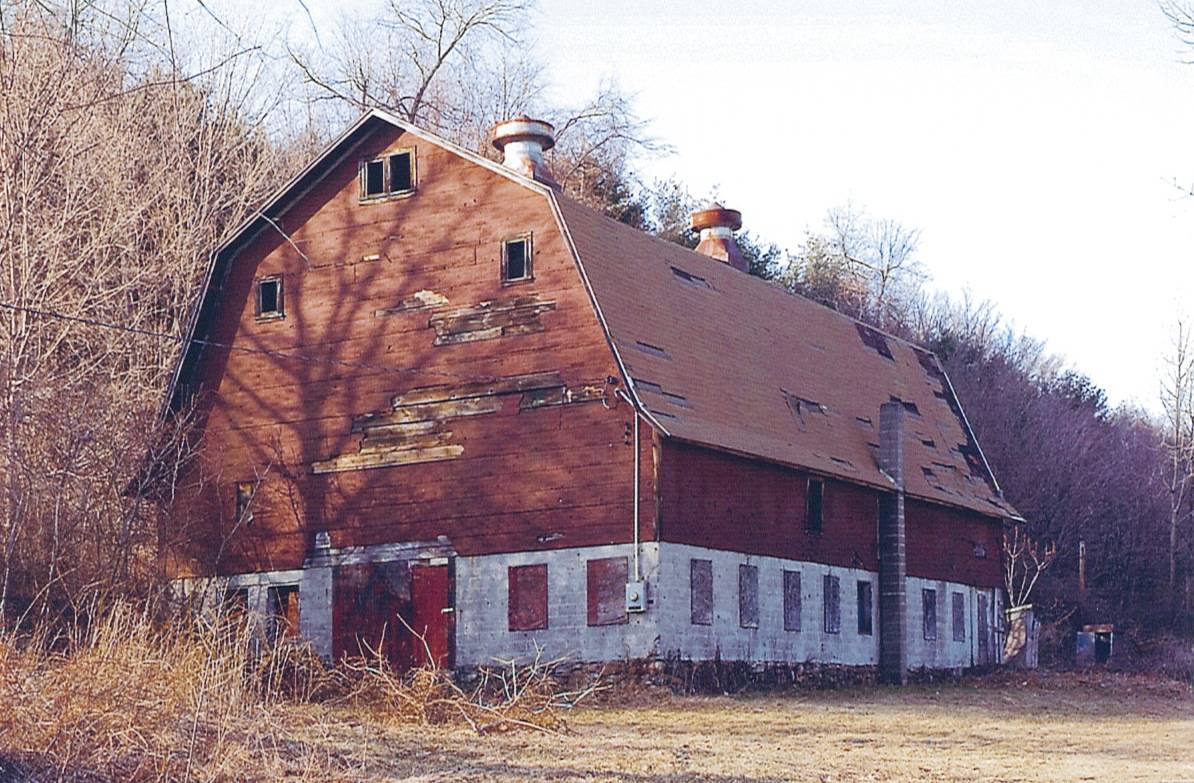
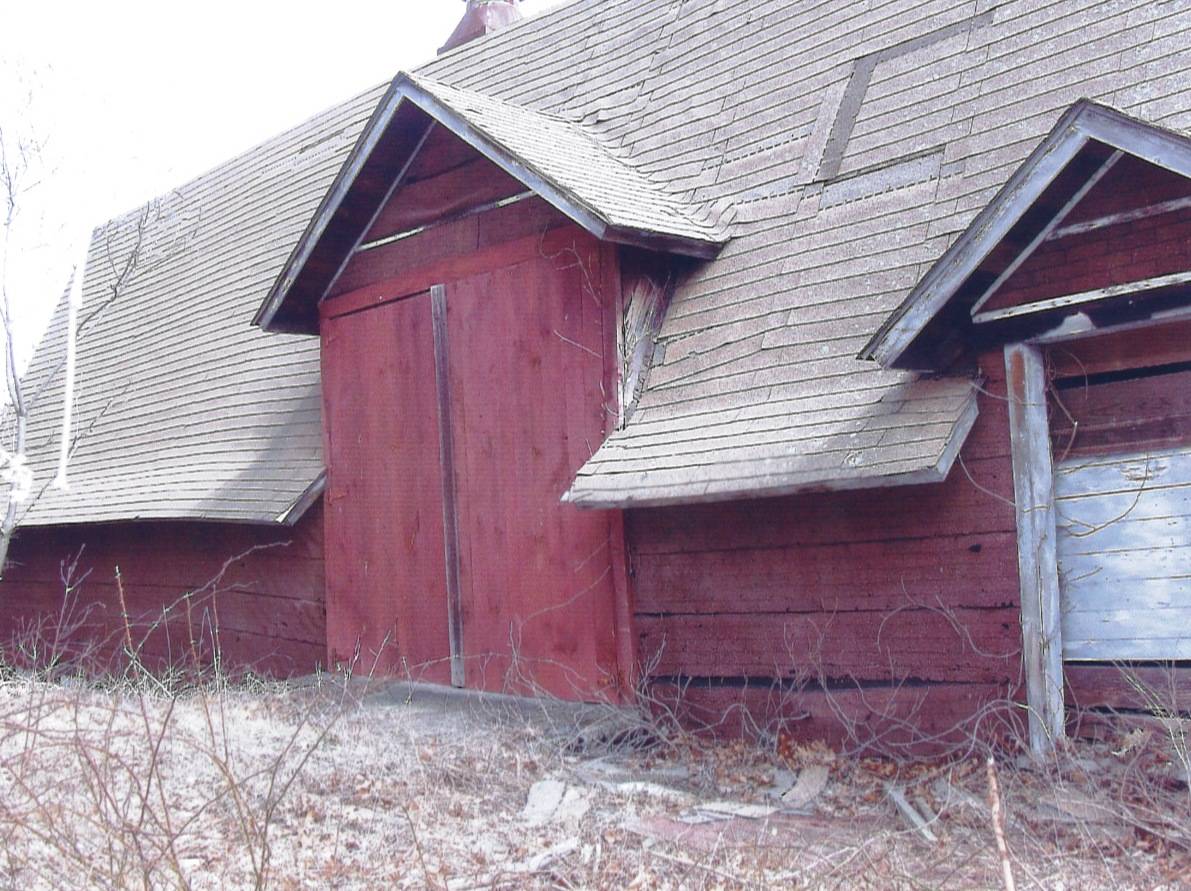
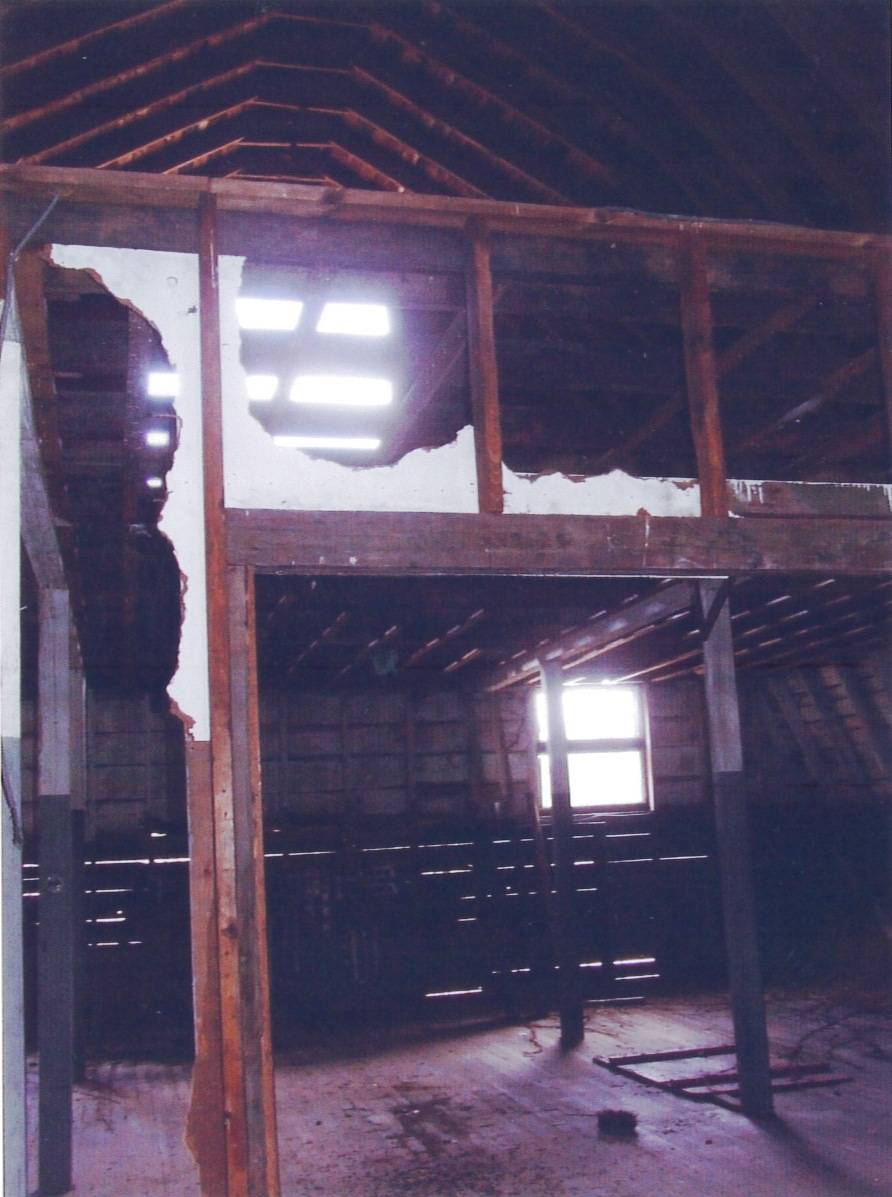
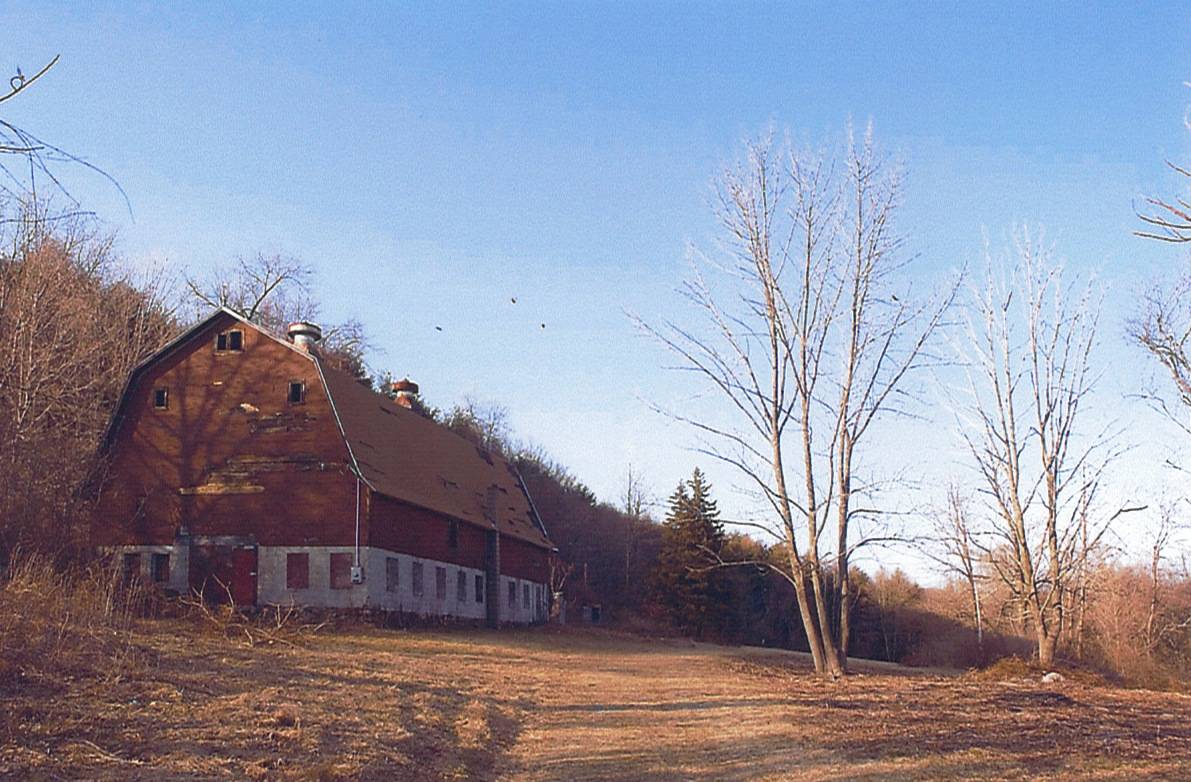
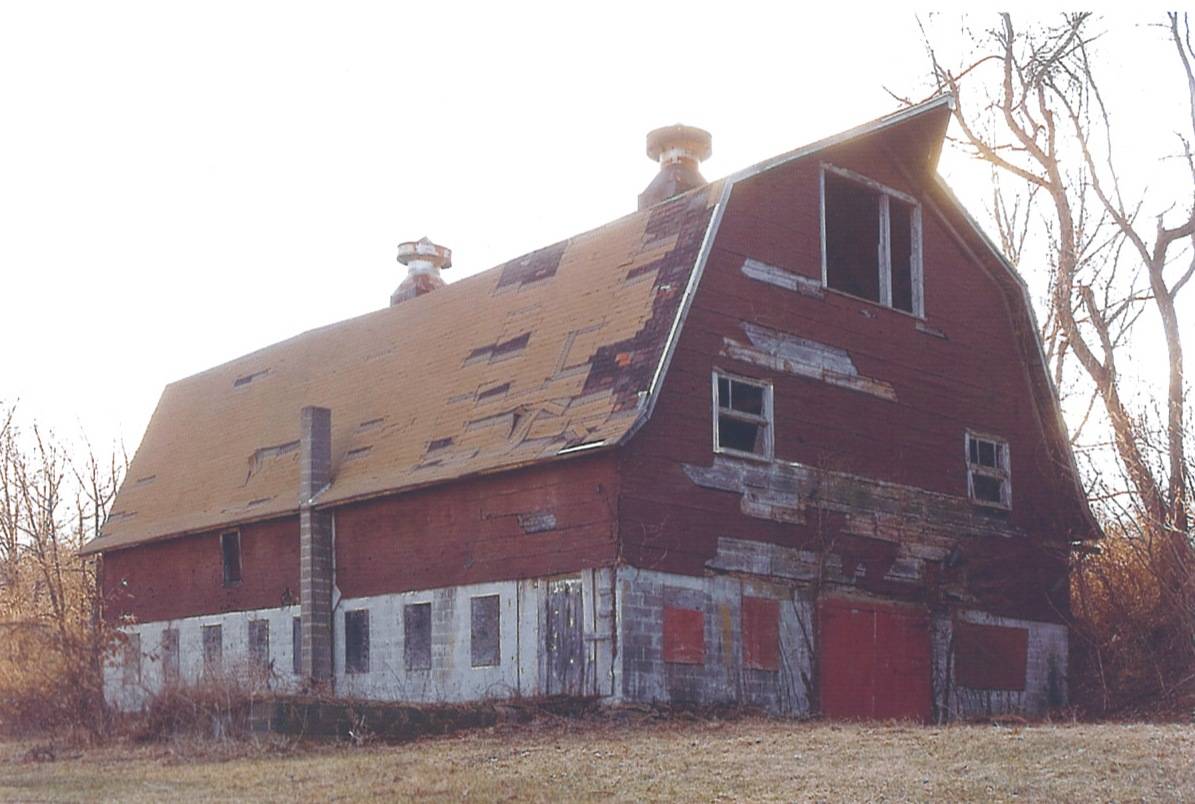
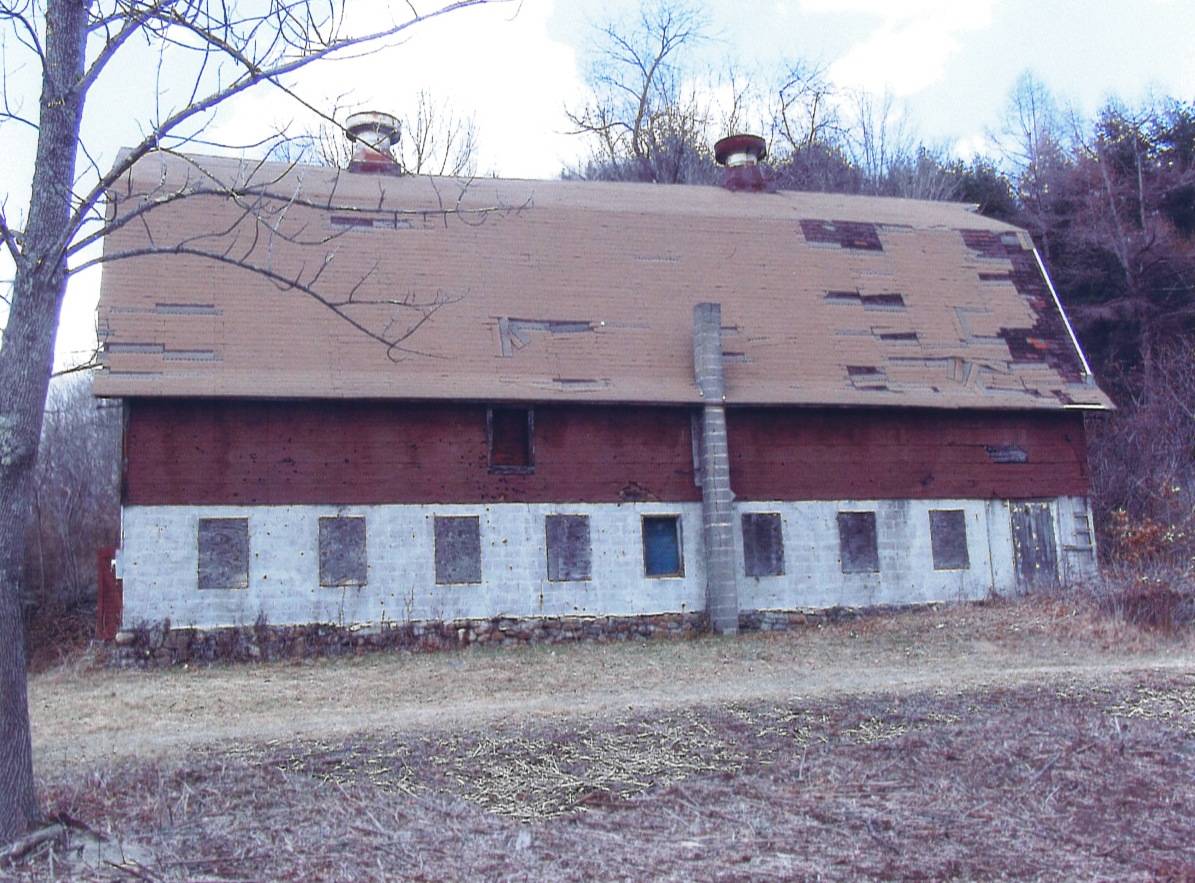
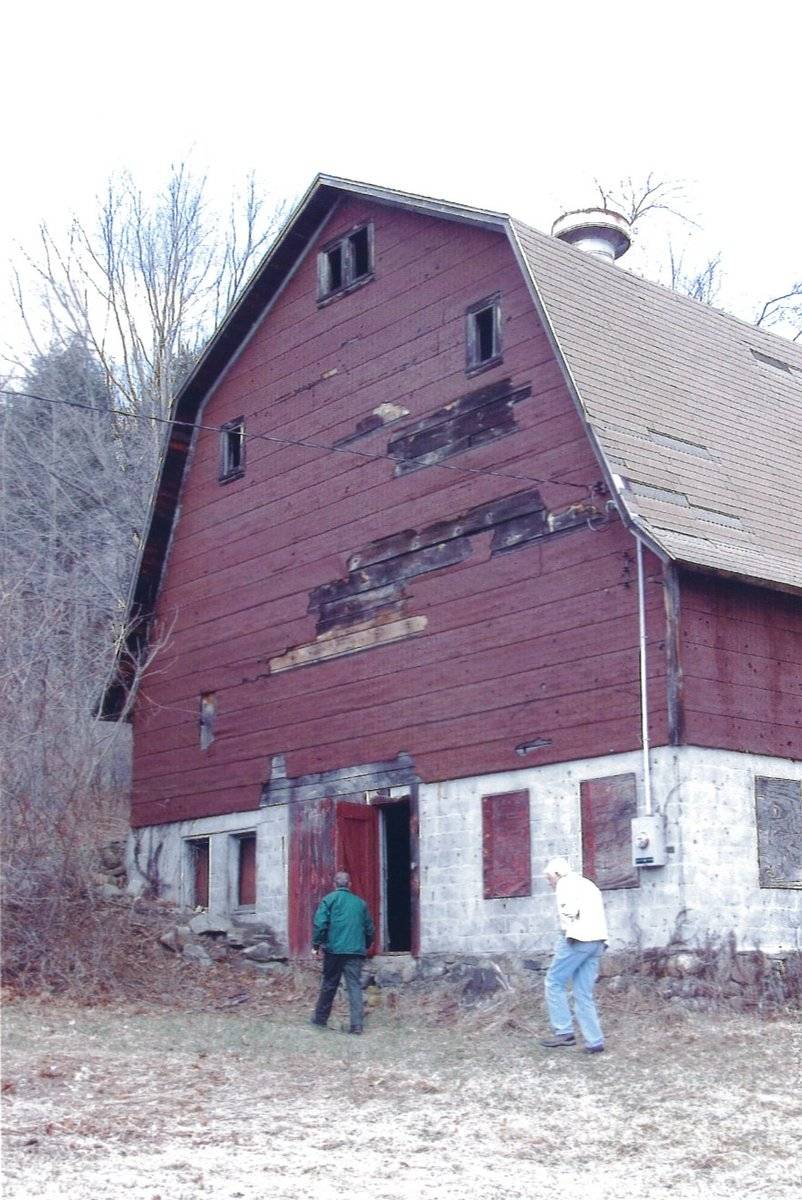
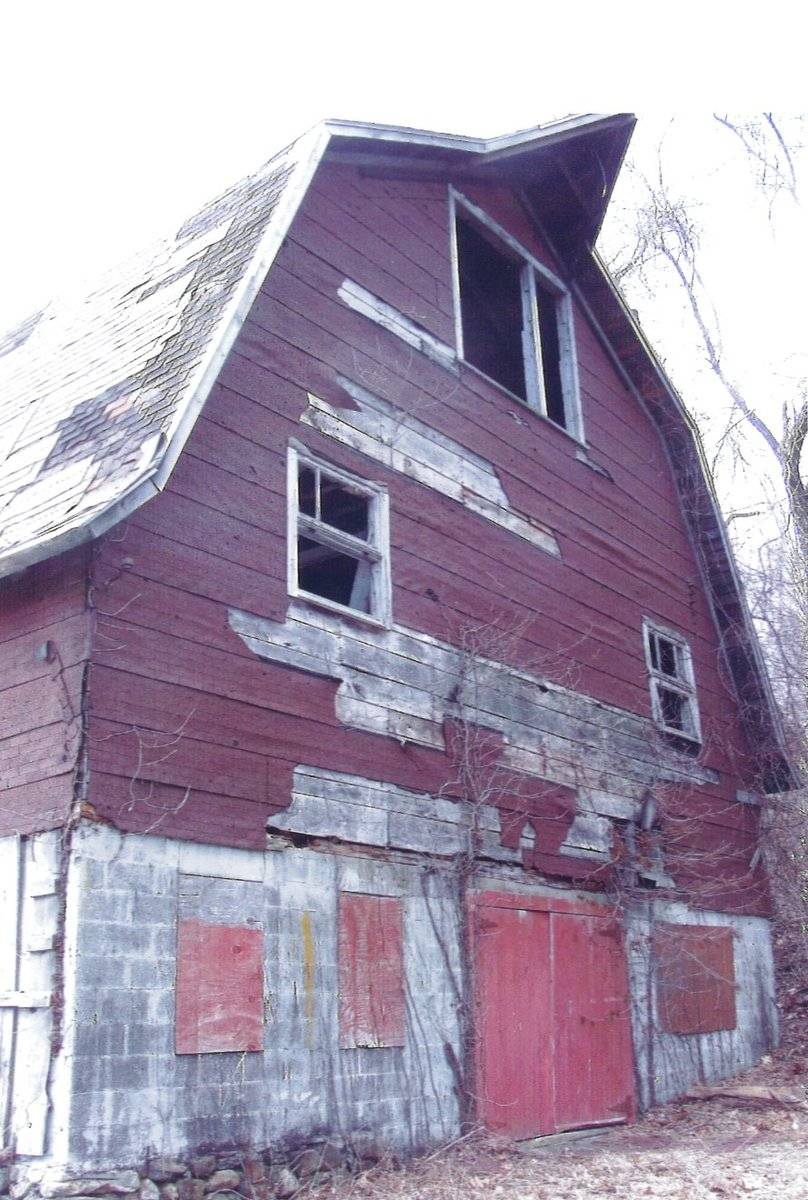
It is a 3 1/2 story gable-entry dairy bank barn with a Dutch gambrel roof. The southern gable-side faces Bahre Corner Road while the main facade is the northern gable-side marked by the projecting hay hood roof. The main entrance to the barn is a swinging hinged door at the center of the northern gable-facade, flanked by two windows to its west and a larger window to its east. The windows on either sides have been boarded by plywood. A hay door is mounted between the projecting hay hood roof above and two double-hung sliding windows below it. The eastern eave-façade has a series of eight windows, all boarded with plywood, and a pass-through door towards north corner. The facade also has a window opening at the second level and a concrete chimney that intersects the roof at the eave level. The southern gable-façade has a centered boarded opening with a pass-through door off to the east, flanked by two windows on each side. The facade has a set of three skylights on the gable attic. The sky-light near the apex of the roof has two panels with the other two having single panels each. The western eave-façade has a higher grade-level and has two dormer entrances directly to the second floor level. All facades have horizontal asphalt siding with three sides having exposed concrete block load-bearing walls below the grade level on the western eave-side. The barn has two steel ventilators rising through the asphalt shingle roof.
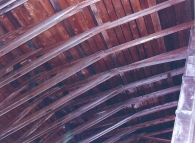
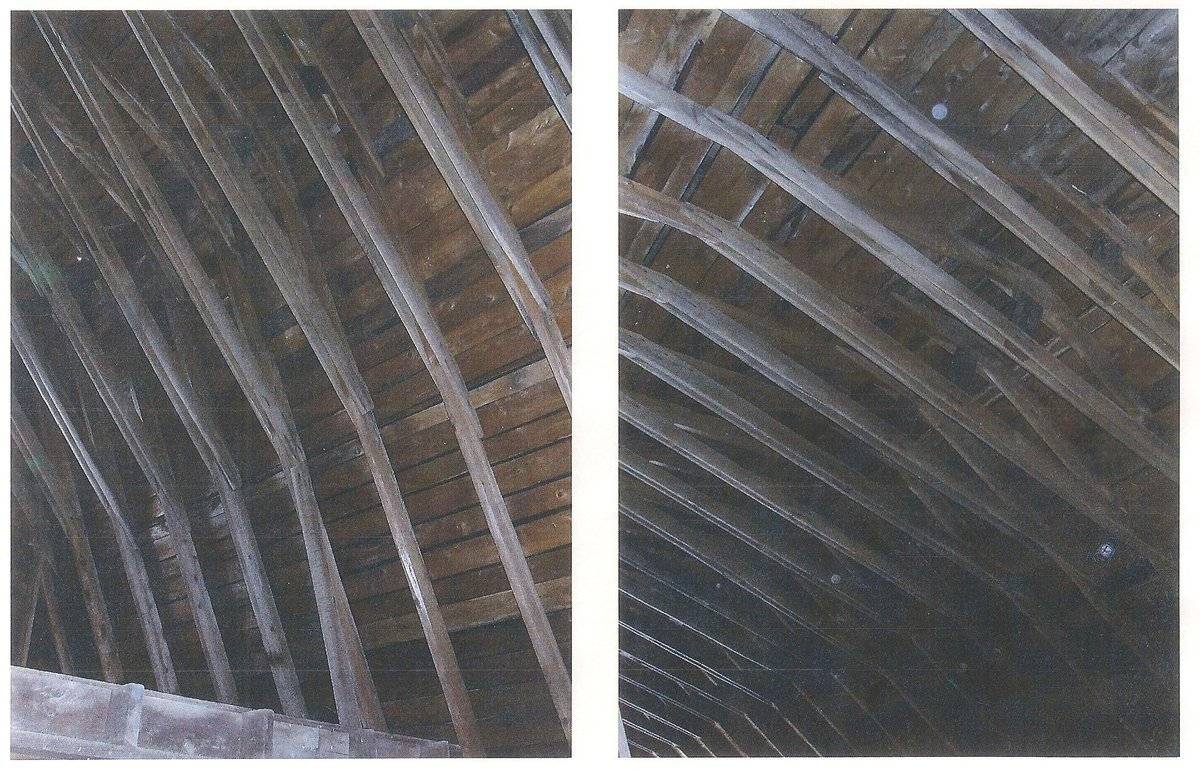
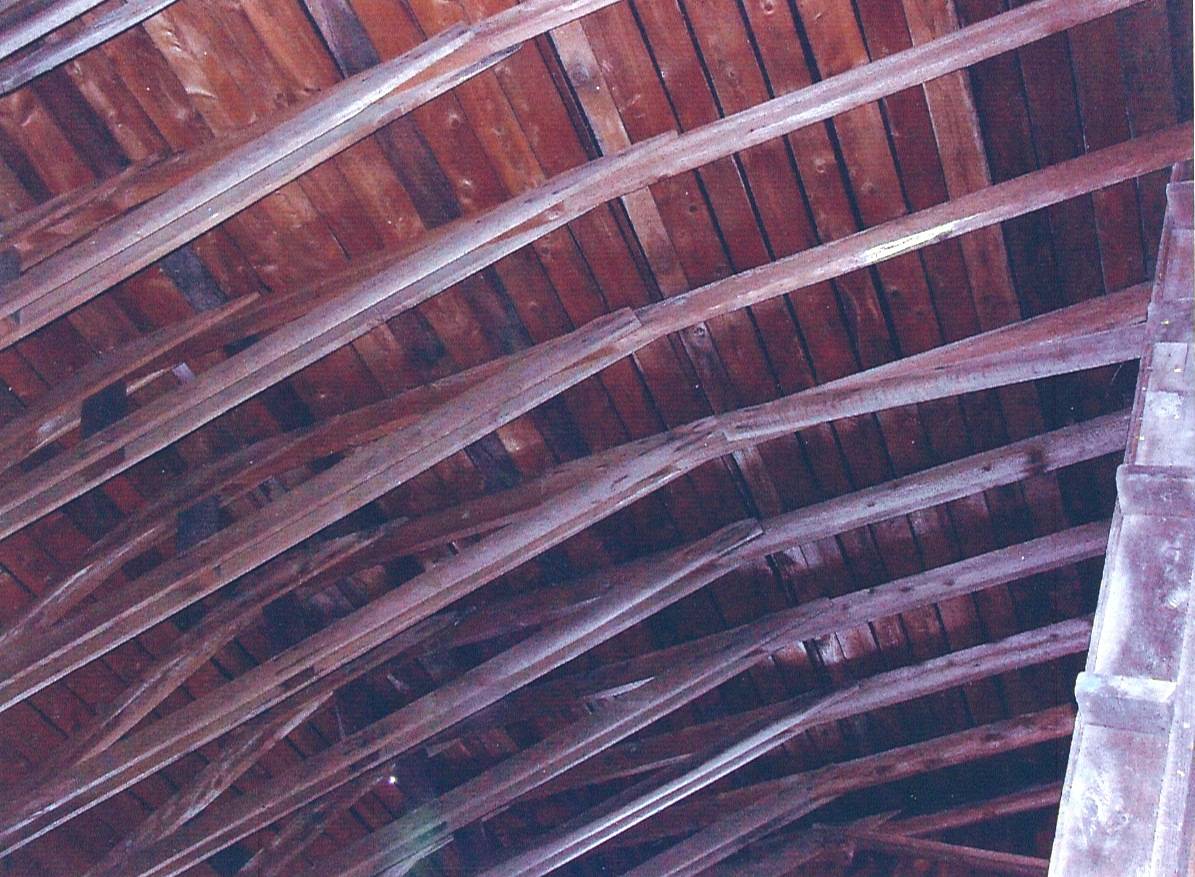
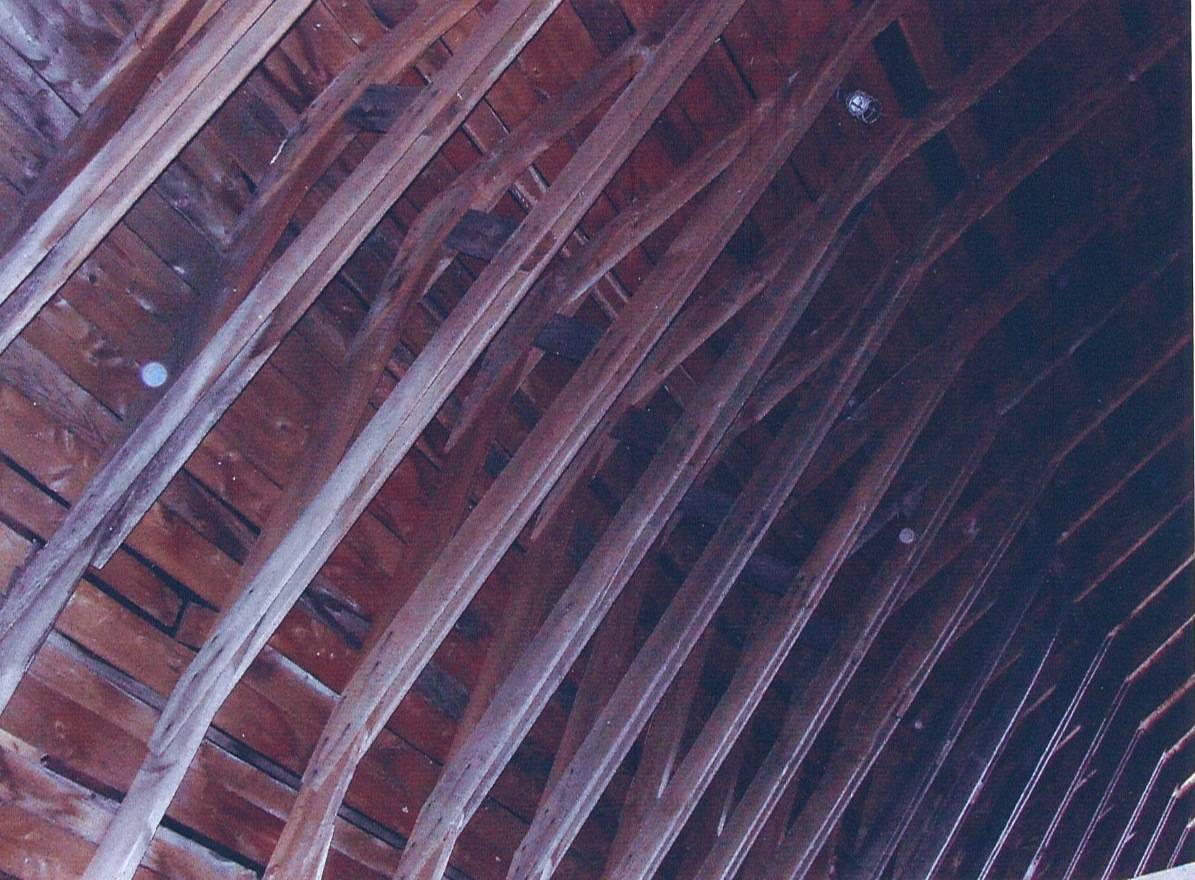
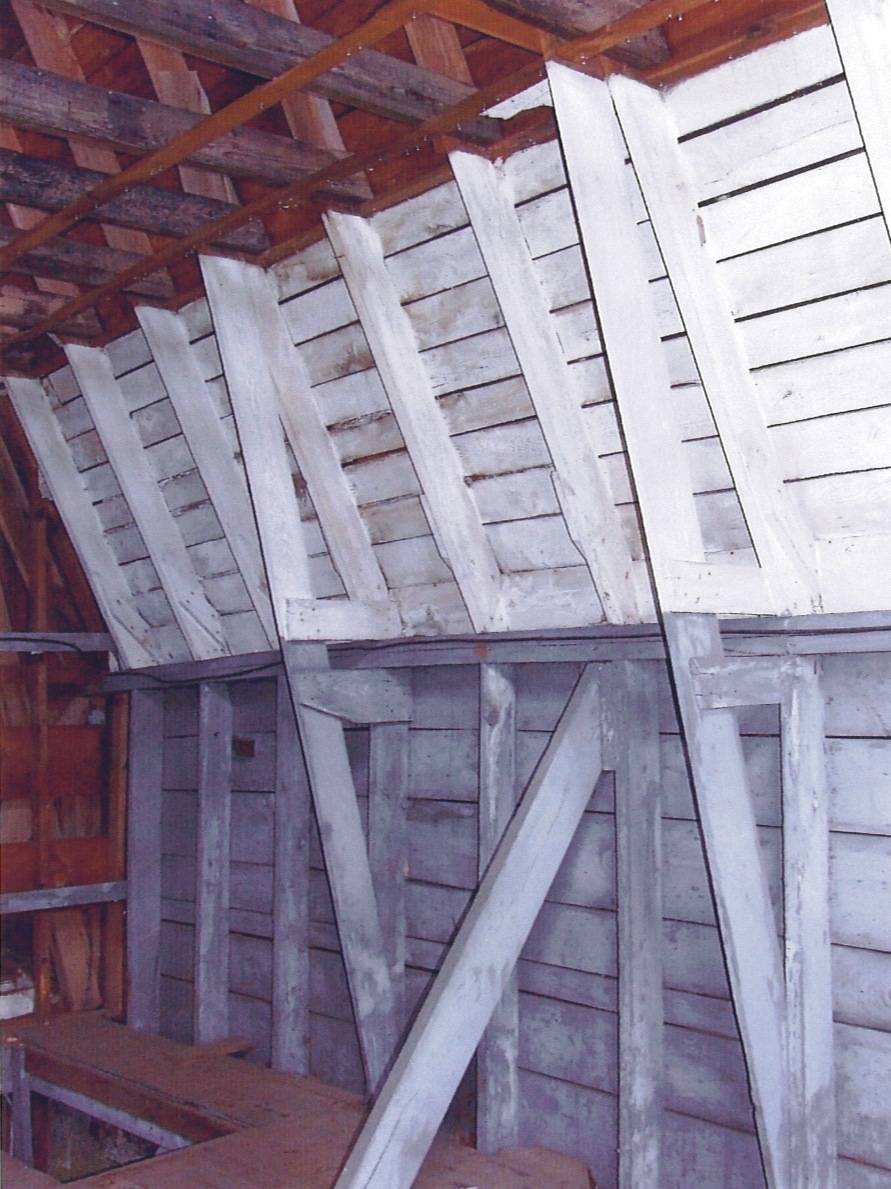
Historical Significance:The New England barn or gable front barn was the successor to the English barn and relies on a gable entry rather than an entry under the eaves. The gable front offers many practical advantages. Roofs drain off the side, rather than flooding the dooryard. With the main drive floor running parallel to the ridge, the size of the barn could be increased to accommodate larger herds by adding additional bays to the rear gable end. Although it was seen by many as an improvement over the earlier side entry English Barn, the New England barn did not replace its predecessor but rather coexisted with it. The gambrel roof enclosed a much greater volume than a gable roof did, and its shape could be formed with trusses that did not require cross beams, which would interfere with the movement and storage of hay. Also known as the curb roof, the double slopes of the gambrel offer more volume in the hayloft without increasing the height of the side walls. The 19th century would see the introduction of a basement under the barn to allow for the easy collection and storage of a winter’s worth of manure from the animals sheltered within the building. The bank barn is characterized by the location of its main floor above grade, either through building on a hillside or by raising the building on a foundation. This innovation, aided by the introduction of windows for light and ventilation, would eventually be joined by the introduction of space to shelter more animals under the main floor of the barn.
A slight flare in the roof near the eaves, reminiscent of the starched caps that women once wore in the Netherlands, gives the Dutch gambrel its name. Dutch Colonial buildings of the 17th century also had the flare or “overshoot” design. The flare functions to protect the walls and foundations below by directing rain and snow away from the walls.
A projection of the roof at the peak of the gable-end of a barn, for the purpose of sheltering a hay track from rain and snow. The projecting hay hood is often triangular in form and is common in 20th-century gambrel barns.
Field Notes
Grant recipient 2008. In cooperation with Canton Advocates for Responsible Expansion Inc (CARE) planning is in progress to preserve/restore the barn and its surroundings.
- Use & Accessibility
- Environment
Related features
Environment features
Relationship to surroundings
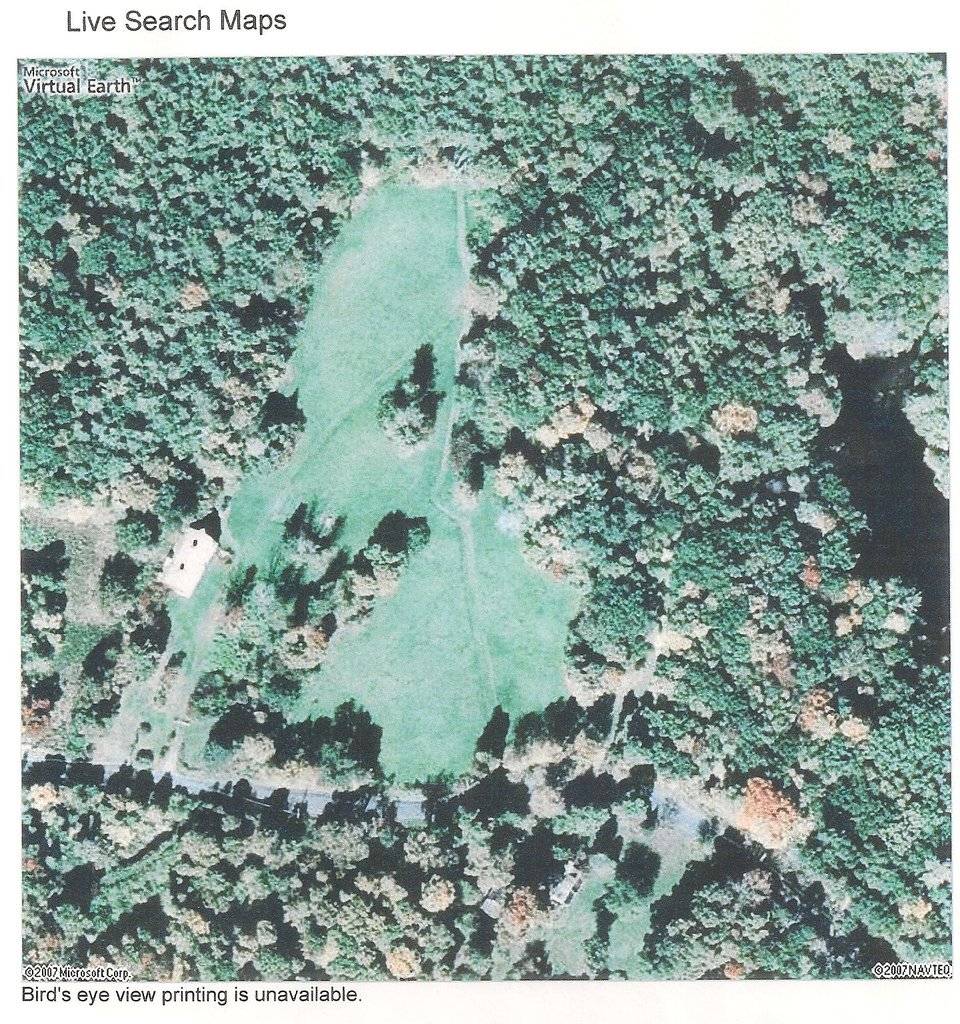
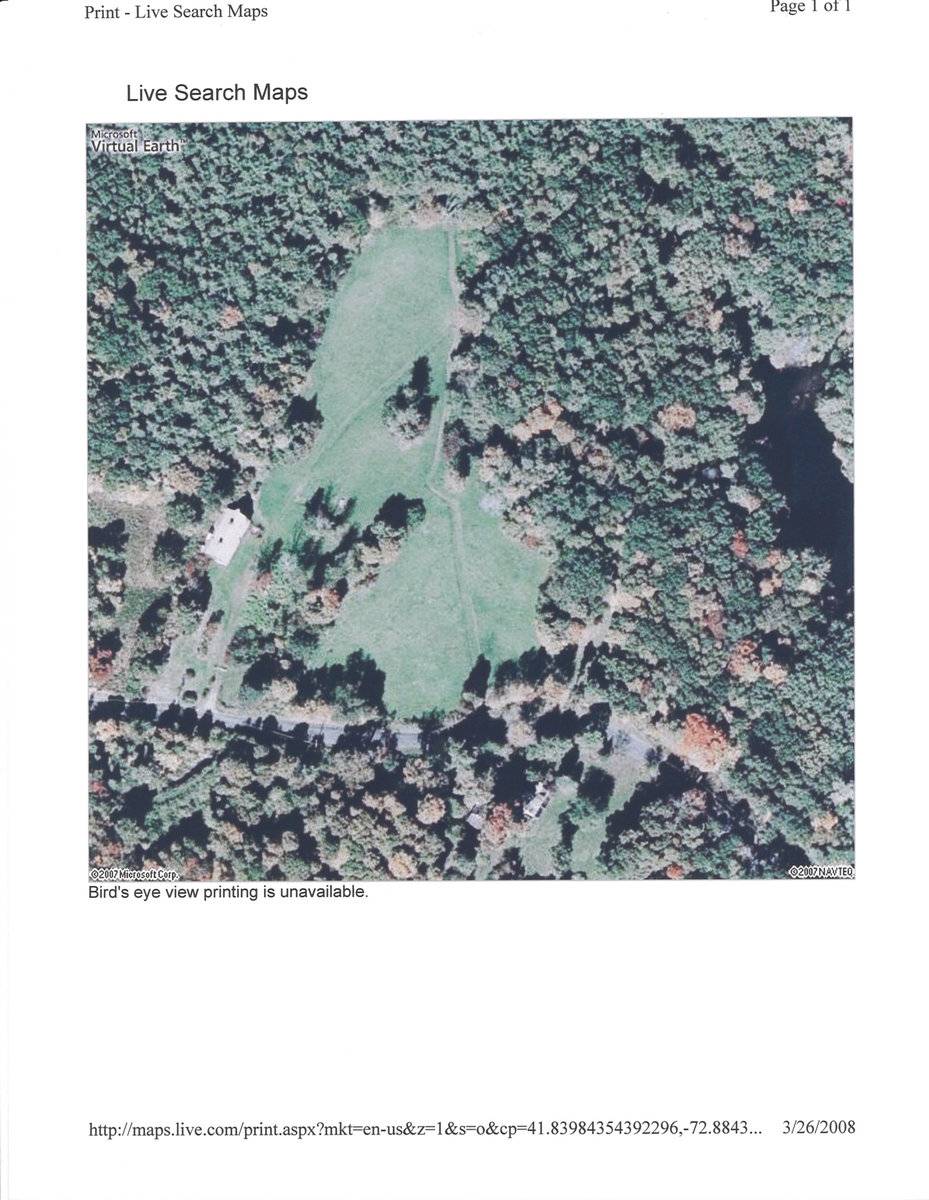
It is located on acres of State land set aside for passive recreation with access to the Roaring Brook Nature Center.
The surrounding property is used by Roaring Brook Nature Center for environment related progrmas for the public.- Typology & Materials
-
Building Typology
Materials
Structural System
Roof materials
Roof type
Approximate Dimensions
n/a
- Source
-
Date Compiled
05/20/2010
Compiled By
T. Levine and M. Patnaik, reviewed by CT Trust
Sources
Photographs and information provided by - The Canton Advocates for Responsible Expansion, Inc.
2008 Barns Grant applicationMcCahon, Mary Elizabeth, Department of Environmental Protection Cultural Resource Survey, Conntecticut Historical Commission, 1986.
Sexton, James, PhD; Survey Narrative of the Connecticut Barn, Connecticut Trust for Historic Preservation, Hamden, CT, 2005, http://www.connecticutbarns.org/history.
Visser, Thomas D., Field Guide to New England Barns and Farm Buildings, University Press of New England, 1997.
- PhotosClick on image to view full file
-